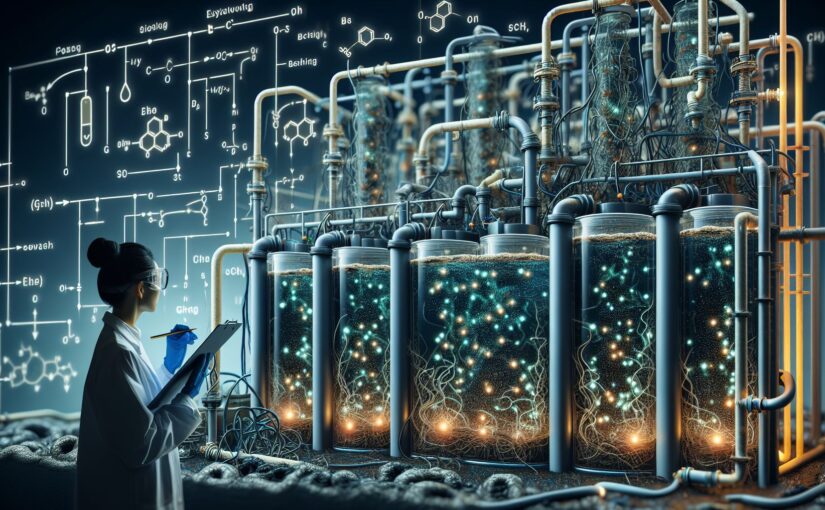
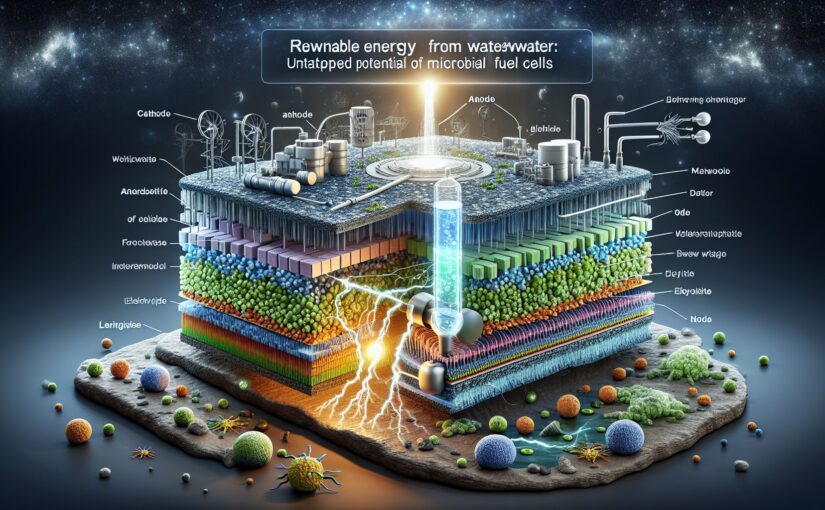
Wastewater treatment stands as one of the great modern public health triumphs, protecting billions from disease. Yet, as our population grows and industrial activity increases, the demand for more efficient and sustainable wastewater treatment methods is becoming a pivotal environmental challenge. One of the most innovative solutions to this problem is the use of bioelectrochemical systems (BES), particularly those harnessing the power of electroactive bacteria. These microorganisms can help to transform organic pollutants into clean water and renewable energy.
In this article, we’ll delve deep into the world of electroactive wastewater bacteria, exploring their role, mechanisms, and potential in modern wastewater treatment processes.
The Role of Electroactive Bacteria in Bioelectrochemical Systems
Electroactive bacteria are a diverse group of microorganisms capable of transferring electrons outside of their cellular structure. In the context of wastewater treatment, these bacteria are typically found in the anodic chambers of microbial fuel cells (MFCs) or other types of bioelectrochemical systems. They are the workhorses that drive the breakdown of organic compounds, including pollutants.
These bacteria can either directly transfer electrons to the anode or use intermediary molecules, known as mediators, to facilitate the transfer. The flow of electrons from the bacteria to the electrode not only aids in the degradation of waste but also contributes to the generation of electrical energy, hence the term ‘microbial fuel cell’.
Mechanisms of Electron Transfer in Electroactive Bacteria
The process of electron transfer from bacteria to the anode is complex and can occur via several mechanisms:
- Direct Contact Transfer: The bacteria form a direct physical connection with the electrode through membrane-bound proteins.
- Nanowires: Some bacteria produce conductive hair-like structures known as nanowires that extend from their cell surface, essentially wiring them to the electrode.
- Shuttle Mediation: Bacteria can utilize soluble molecules that shuttle electrons from the cell to the electrode.
Understanding these mechanisms is crucial to optimizing the design and functionality of bioelectrochemical systems.
How Electroactive Bacteria Enhance Wastewater Treatment
Bacteria’s ability to interact with electrodes can be harnessed to enhance wastewater treatment in several ways:
- Biodegradation of Pollutants: As bacteria metabolize organic pollutants, they capture energy by passing electrons to the anode.
- Bioelectricity Generation: The electron transfer process can generate electricity, which can be used to offset the power demands of the treatment facility.
- Resource Recovery: Certain systems can also recover valuable byproducts, such as biogas or metals, from the wastewater.
Moreover, these processes can occur under ambient conditions, which significantly reduces the energy footprint of wastewater treatment.
Challenges and Solutions for Scaling Up
Despite the promise that electroactive bacteria and bioelectrochemical systems hold, there are significant hurdles to overcome before they can be implemented on a large scale:
- Power Density: The currents generated by these systems are still low compared to traditional power sources. Research into novel materials and system design is underway to address this issue.
- Cost of Materials: High costs of certain components, especially electrodes and membranes, can be prohibitive. Finding cost-effective, sustainable materials is an active area of research.
- System Complexity: The complexity of scaling up such systems for industrial applications requires a deeper understanding of microbial ecologies and their interaction with electrodes.
Emerging Research and Innovations
Exciting progress is being made in the field of bioelectrochemical systems. Research into nano-engineered materials, 3D printing of system components, and genetic engineering of microbes to enhance their electron transfer capabilities is promising.
Studies also indicate the potential integration of these systems with other treatment processes, such as anaerobic digestion, to create a hybrid system that maximizes efficiency and output.
Electroactive Bacteria in Action: Case Studies
In pilot projects around the world, the application of bioelectrochemical systems is proving their potential. Facilities that have integrated MFC technology demonstrate not only reduced greenhouse gas emissions but also a tangible contribution to the electrical grid. These successes pave the way for larger installations and wider adoption of the technology.
The Future of Wastewater Treatment Is Electric
As research into electroactive bacteria and bioelectrochemical systems continues, the vision of sustainable, energy-positive wastewater treatment draws closer to reality. With rising energy costs and increased environmental awareness, the demand for such innovative solutions is set to surge. The tiny but mighty electroactive bacteria at the heart of these systems could be the key to transforming waste into resource, heralding a brighter, cleaner future.
In conclusion, electroactive wastewater bacteria offer an exciting avenue for transforming wastewater treatment. By capitalizing on the unique abilities of these microscopic organisms, we can potentially create sustainable, energy-efficient, and environmentally friendly solutions to one of society’s most pressing issues. The combination of cutting-edge technology and biology could significantly advance the field of waste management and resource recovery, proving once again, that sometimes the smallest creatures hold the answers to our biggest challenges.
Sources
- Logan, B. E. (2009). Exoelectrogenic bacteria that power microbial fuel cells. Nature Reviews Microbiology, 7(5), 375-381. doi:10.1038/nrmicro2113
- Pant, D., Singh, A., Van Bogaert, G., Olsen, S. I., Nigam, P. S., Diels, L., & Vanbroekhoven, K. (2010). Bioelectrochemical systems (BES) for sustainable energy production and product recovery from organic wastes and industrial wastewaters. RSC Advances, 2(4), 1248-1263. doi:10.1039/C1EE02518B
- Rabaey, K., & Rozendal, R. A. (2010). Microbial electrosynthesis — revisiting the electrical route for microbial production. Nature Reviews Microbiology, 8(10), 706-716. doi:10.1038/nrmicro2422