Harnessing Energy from Wastewater: An Insight into Microbial Fuel Cells for Wastewater Treatment

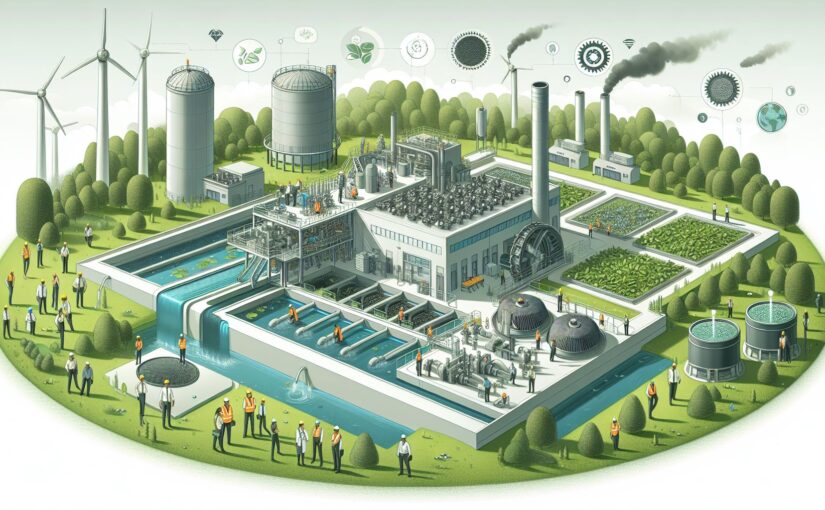
As discussions on sustainability and renewable energy gain prominence in the face of global climate change and environmental degradation, there exists a constant search for innovative solutions to both waste management and energy scarcities. Bringing these two challenges to the forefront is the technology surrounding Microbial Fuel Cells (MFCs) for wastewater treatment.

What are Microbial Fuel Cells?

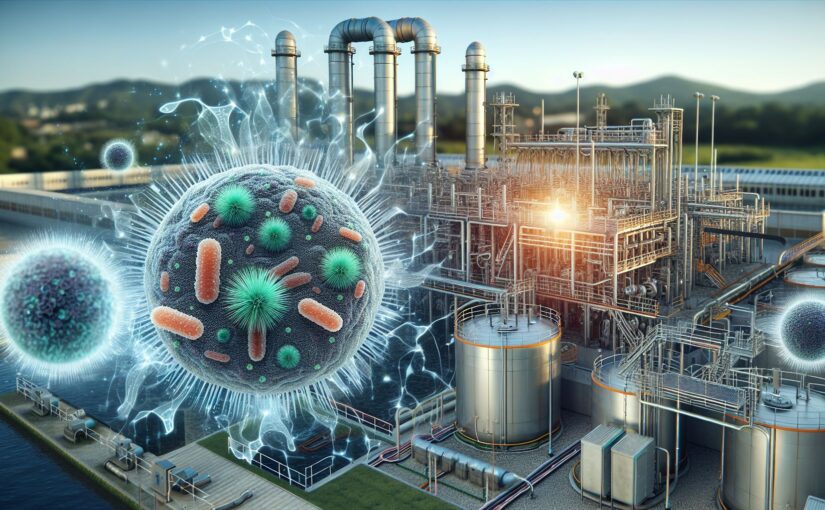
Microbial Fuel Cells are bio-electrochemical systems that exploit the metabolic processes of microorganisms to convert organic matter—such as wastewater—into electrical energy. Through bioelectrochemical reactions, bacteria in the MFC oxidize compounds, thereby transferring electrons to an electrode and generating a current. These pioneering systems not only treat wastewater effectively but also provide a source of renewable energy.

The Dual Functionality of MFCs

This dual functionality positions MFCs as an environmentally sustainable technology with the potential to revolutionize waste treatment and energy production. In wastewater treatment plants, MFCs can significantly reduce the organic cargo while capturing the embedded energy in waste streams.

Multiple research studies have been conducted to analyze and optimize MFCs for practical applications, demonstrating their potential for scalability and integration into existing wastewater treatment infrastructure (Logan, 2008; Li et al., 2014).

Key Components of a Microbial Fuel Cell

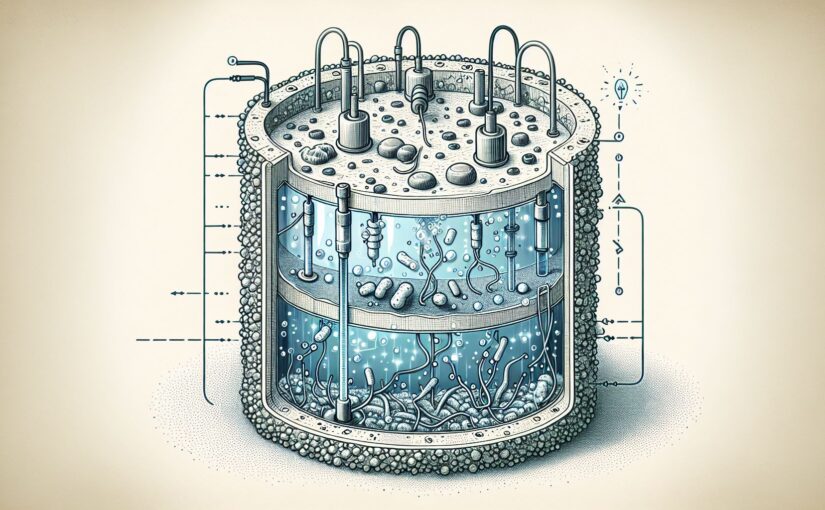
A typical MFC comprises primarily an anode and a cathode, separated by an electrolyte or a proton exchange membrane. The anode compartment holds the wastewater and electrogenic bacteria, also known as exoelectrogens, which oxidize organic matter, releasing electrons and protons.

The Role of Exoelectrogens

Exoelectrogens are a central component of the wastewater MFC world due to their ability to transfer electrons outside their cell membranes. These specialized microorganisms, such as Shewanella and Geobacter species, have the remarkable ability to breathe metals and conduct electricity (Lovley, 2006).

Breaking Down the Process

  1. Electron Transfer: Electrons, generated from the bacterial oxidation of organic compounds in wastewater, travel to the anode.

  2. Proton Transfer: Concurrently, the released protons move through the proton exchange membrane towards the cathode compartment.

  3. Electrical Current: The electrons, arriving at the anode, flow through an external circuit to reach the cathode, creating a usable stream of electric current.

  4. Final Reaction: At the cathode, electrons, protons, and oxygen from the air combine to form water. This final step completes the electrical circuit.

Advantages of MFCs in Wastewater Treatment

  • Renewable Energy Production: MFCs generate electricity, reducing the dependence on non-renewable resources.
  • Low Operational Costs: They function at ambient temperatures and pressures, ensuring low energy inputs compared to traditional treatment methods.
  • Reduction of Greenhouse Gases: Since MFCs operate anaerobically on the anodic side, they produce less methane, a potent greenhouse gas, compared to conventional treatment processes.
  • Resource Recovery: Potentially, MFCs can recover valuable by-products, such as hydrogen or fertilizers, during wastewater treatment.

Research and Challenges

Despite their promising advantages, MFCs face significant challenges in their journey from the laboratory to full-scale implementations. One of the main issues is scaling up the technology while maintaining efficient system performance. Overcoming material costs, particularly the proton exchange membrane and electrode materials, is another hurdle.

Electrode Materials

The search for suitable electrode materials is incessant, with the focus on materials that are conductive, biocompatible, and cost-effective, like carbon-based electrodes or catalyst-coated electrodes. The electrode structure plays a crucial role in facilitating extracellular electron transfer and overall MFC efficiency.

Design Innovations

Innovative designs such as stacked, continuous flow, or sediment MFCs show promise for enhancing power output and treatment efficiency. These designs aim to maximize contact between bacteria and the anode, streamline electron transfer, and improve the practicality of MFC systems.

Process Monitoring

The integration of biosensors into MFC systems can provide real-time monitoring of wastewater quality and MFC performance, guiding treatment optimization and ensuring compliance with environmental standards.

Future Outlook

As advancements in bioelectrochemical systems continue, the prospect of integrating MFCs into existing wastewater infrastructure becomes increasingly viable. Furthermore, the culminating knowledge on electron transfer mechanisms, bioanode and biocathode optimization, and wastewater substrate degradation can substantially contribute to scaling up MFC technologies.

Renewable Energy from Wastewater

One of the most captivating aspects of wastewater MFCs is the generation of renewable bioelectricity. By harnessing the chemical energy inherently present in wastewater, MFCs offer a sustainable energy alternative. The research in this area examines various factors, such as power density, coulombic efficiency, and polarization curves, to gauge and enhance MFC performance.

The Future is Electric: The Potential of MFCs

The promise of microbial fuel cells lies not just in their ability to treat wastewater but in their potential to help bridge the energy gap with renewable bioelectricity. By coupling waste treatment with electricity generation, MFCs represent a step towards a sustainable loop of energy and environmental management.

In conclusion, ongoing research and development in the realm of MFCs for wastewater treatment suggest a future where waste is not an end-product but a valuable resource. This technology exemplifies the innovative spirit necessary to address some of the most pressing issues of our time: waste management, sustainable energy production, and environmental conservation. As scientists and engineers work towards overcoming the challenges of scaling up MFCs, we edge closer to a world where clean water and green energy flow in harmony.


References

  • Logan, B. E. (2008). Microbial Fuel Cells. John Wiley & Sons, Inc. doi:10.1002/9780470258482
  • Li, W. W., Yu, H. Q., & He, Z. (2014). Towards sustainable wastewater treatment by using microbial fuel cells-centered technologies. Energy & Environmental Science, 7(3), 911–924. doi:10.1039/c3ee43106a
  • Lovley, D. R. (2006). Bug juice: harvesting electricity with microorganisms. Nature Reviews Microbiology, 4(7), 497–508. doi:10.1038/nrmicro1442
Renewable Energy from Wastewater: Harnessing the Power of Microorganisms

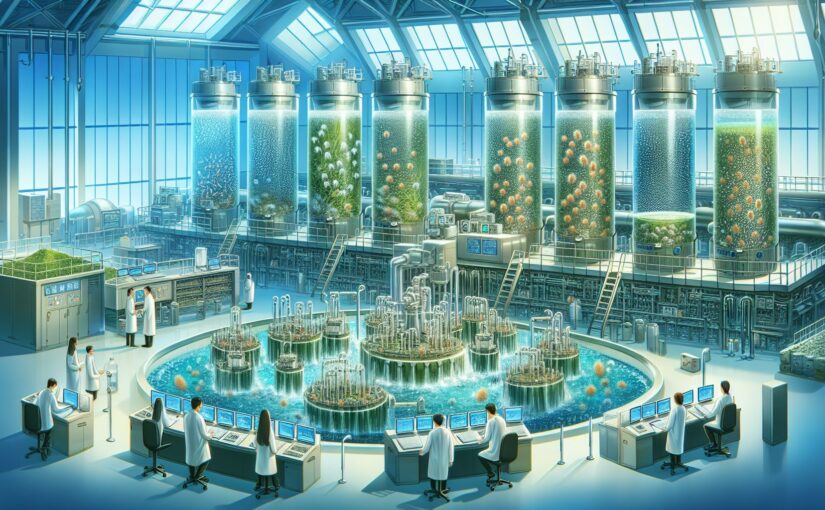
The concept of renewable energy has been a beacon of hope in the relentless pursuit for sustainable solutions to the world’s growing energy demands. Amidst various renewable energy forms, a relatively untapped source lies hidden in the very infrastructure of urban development – wastewater. Wastewater, typically seen as a byproduct demanding treatment and disposal, can be transformed into a valuable resource for generating renewable energy.


Understanding Wastewater and its Potential

Before delving into the technicalities of how wastewater can be harnessed for energy, it’s essential to understand what wastewater is and why it has potential for renewable energy generation. Wastewater is water that has been affected by human use, encompassing a wide array of domestic, industrial, commercial, and agricultural activities. It includes substances such as human waste, food scraps, oils, soaps, and chemicals. While primarily considered waste, this water contains organic matter that can be broken down to release energy.

The Role of Microbial Fuel Cells (MFCs)

Microbial fuel cells (MFCs) play a pivotal role in the conversion of the chemical energy stored in wastewater into electricity through biological processes. An MFC is a bio-electrochemical system that drives a current by mimicking bacterial interactions found in nature.

The Process of Bioelectricity Generation

The process of generating bioelectricity from wastewater involves several steps:

  1. Bacterial Metabolism: In the anaerobic (oxygen-free) conditions of the MFC, bacteria consume the organic materials in the wastewater.
  2. Electron Release: As these microorganisms metabolize the waste, they release electrons as a byproduct.
  3. Electron Transfer: The electrons are transferred to the anode (the negative electrode) where they generate an electric current as they flow to the cathode (the positive electrode).
  4. Proton Exchange: Protons are simultaneously produced and move towards the cathode through a proton exchange membrane.
  5. Completion of Circuit: On the cathode side, protons, electrons, and oxygen (from the air) combine to form water. This completion of the circuit allows for a continuous flow of electricity.

Electroactive Wastewater Bacteria: The Heart of MFCs

Electroactive bacteria are the key players in this energy-harvesting process. These bacteria have the unique ability to transfer electrons to the anode as they break down the organic matter. Species like Shewanella oneidensis and Geobacter sulfurreducens are often the subject of intense research due to their electrogenic capabilities.

Exoelectrogens in Wastewater

Exoelectrogens are a group of bacteria capable of extracellular electron transfer. They can shuttle electrons out of their cells onto external materials, like the anode of an MFC. The identification and optimization of exoelectrogenic bacteria are crucial for enhancing the performance of MFCs.

Advancements in Electrode Materials

The effectiveness of MFCs heavily depends on the materials used for the anode and cathode. The innovation in electrode materials has been an ongoing area of research to improve the efficiency and cost-effectiveness of MFCs.

Carbon-Based Electrodes

Carbon-based materials, for instance, have been widely used due to their excellent conductivity, chemical stability, and large surface area. Such materials include carbon cloth, carbon paper, and carbon brushes. Research continues to optimize their structures and coatings to maximize their performance in MFCs.

Catalyst-Coated Electrodes

Catalysts can be coated on electrodes to enhance the reaction rates at the anode or cathode. Catalysts like platinum are often used at the cathode to aid in the reduction of oxygen, which can be cost-prohibitive. However, the development of non-precious metal catalysts and bio-catalysts is on the rise to create more economically viable systems.

Key Performance Metrics

The performance of an MFC can be assessed through various metrics such as power density, coulombic efficiency, and polarization curves.

Power Density

Power density is a measure of the electric power generated per unit volume of the reactor and is crucial in determining the commercial viability of MFCs. Higher power densities indicate more efficient power generation.

Coulombic Efficiency

Coulombic efficiency refers to the percentage of electrons produced from the substrate (the organic matter in the wastewater) that contribute to the electric current. High coulombic efficiency means that more of the chemical energy is converted into electrical energy.

Polarization Curve

The polarization curve represents the relationship between the current generated and the voltage in the MFC. By analyzing the polarization curve, researchers can pinpoint the losses occurring in the system and identify ways to enhance performance.

Challenges and the Future of Wastewater-Based Renewable Energy

While the potential of MFCs to generate renewable energy from wastewater is promising, there are challenges that must be addressed.

Scaling Up MFCs

Scaling up MFCs for widespread application is not straightforward. The complexity of wastewater composition, the need for durable materials, and system maintenance are all hurdles to be overcome.

Continuous Flow MFCs

The transition from batch-fed to continuous flow MFCs, where wastewater continually flows through the system, is necessary for practical applications. Continuous flow designs can lead to more consistent energy outputs and integrate seamlessly with existing wastewater treatment plants.

Economic Viability

The economic aspect of MFCs is also pivotal. The cost of construction, operation, and maintenance needs to be balanced with energy outputs to make MFCs a financially viable renewable energy source.

Prospects and Sustainability

Integration with Existing Wastewater Treatment

MFCs could potentially be integrated into existing wastewater treatment infrastructure to enhance sustainability. By coupling renewable energy generation with the treatment process, the energy footprint of wastewater management could be significantly reduced.

Contributions to Bioremediation

MFC technology can also contribute to the removal of pollutants from wastewater, thus playing a role in bioremediation. The use of MFCs can lead to a scenario where wastewater treatment becomes a process of harvesting valuable resources, including energy and clean water.

Development of Biosensors

MFCs can also be used to develop biosensors that can detect and quantify pollutants within the wastewater stream. These could provide real-time monitoring and enhance the efficiency of treatment processes.


Conclusion

As the world tries to balance the scales between energy production and environmental responsibility, wastewater emerges as an unlikely hero. The technology behind microbial fuel cells continues to advance, turning what was once unwanted waste into a goldmine of bioelectricity. In today’s world, where renewable energy isn’t just desired but required, the marriage between biotechnology and engineering in the form of MFCs offers a glimmer of sustainability. The power of nature’s minute workers – microorganisms – is waiting to be harnessed, one drop of wastewater at a time.

Sources

  1. Logan, B. E. (2008). Microbial Fuel Cells. John Wiley & Sons.
  2. He, Z., & Mansfeld, F. (2009). Exploring the use of electroactive bacteria in microbial fuel cells. Trends in biotechnology, 27(5), 305-310.
    3

“`markdown

Renewable Energy from Wastewater: Exploring the Potential of Microbial Fuel Cells (MFCs)

In recent years, the intersection of environmental engineering and biotechnology has birthed a transformative approach to tackle wastewater management and energy scarcity. Microbial Fuel Cells (MFCs) represent a groundbreaking technology that harnesses the power of microorganisms to treat wastewater and simultaneously generate clean, renewable energy. This article delves into the potential of MFCs in treating wastewater while elucidating how they function as bioelectrochemical systems to produce electricity.

Microbial Fuel Cells (MFCs): A Fundamentals Overview

Microbial Fuel Cells are bioelectrochemical systems that employ bacteria to oxidize organic matter present in wastewater. The crux of MFC technology lies in converting the chemical energy contained within the wastewater into electrical energy through biochemically catalyzed reactions. Here’s an elementary breakdown of how MFCs operate:

  • Anode Chamber: In the absence of oxygen, electroactive bacteria oxidize organic compounds, releasing electrons and protons.
  • Electron Transfer: The electrons are transferred to the anode and travel through an external circuit to the cathode, generating an electrical current.
  • Cathode Chamber: At the cathode, electrons, protons, and oxygen (or alternative electron acceptors) react to form water or other compounds.
  • Energy Recovery: The flow of electrons constitutes an electrical current which can be harnessed for various applications.

Exploiting Wastewater for Renewable Energy

Wastewater is typically viewed as a disposal problem, but it is also a potential source of energy. The high concentration of organic material in wastewater makes it an ideal fuel for MFCs. The process of breaking down these compounds into simpler forms is leveraged to generate electricity. Here’s why the focus on renewable energy from wastewater using MFCs is gaining traction:

  • Sustainability: It offers a sustainable way to treat wastewater while concurrently extracting energy.
  • Carbon Footprint Reduction: MFCs operate at ambient temperatures and pressures, which translates to lower energy inputs and carbon emissions.
  • Energy Positive Treatment: Ideally, MFCs can lead to an energy-positive wastewater treatment process where more energy is produced than is required for treatment.

Bioelectricity Generation from Wastewater: The Mechanisms

Electroactive Wastewater Bacteria

The heart of the MFC is the bacteria that possess the ability to transfer electrons to an external electrode. These bacteria are termed as “electroactive” or “exoelectrogens.” They play a crucial role in the bioelectrochemical process by breaking down organic matter and facilitating electron flow.

Electron Transfer Mechanisms

There are generally two main mechanisms of electron transfer in MFCs: direct transfer and mediated transfer.

  • Direct Electron Transfer (DET): Some bacteria form a physical connection with the electrode using conductive pili or nanowires.
  • Mediated Electron Transfer (MET): Other bacteria secrete redox-active compounds, called mediators, that shuttle electrons from the bacteria to the electrode.

Extracellular Electron Transfer

Extracellular electron transfer (EET) is a critical process where electrons are transported from the internal metabolic machinery of the bacteria to the anode surface. Two paths facilitate EET:

  • Membrane-Associated Redox Proteins: Proteins that can transfer electrons across the bacterial cell membrane.
  • Soluble Redox Mediators: Small molecules that diffuse from the cell to the electrode surface.

Technological Challenges in MFCs for Wastewater Treatment

Substrate Degradation Efficiency

  • Organic Load: The type and concentration of organic matter in wastewater affect MFC performance.
  • Microbial Community: The diversity and richness of microbial communities can influence degradation rates and energy recovery.

Electrode Materials and Design

Choosing the appropriate electrode materials is pivotal for the efficiency of MFCs.

  • Carbon-based Electrodes: These are commonly used due to their conductivity, biocompatibility, and chemical stability.
  • Catalyst-coated Electrodes: Coating electrodes with catalysts like platinum can enhance electron transfer but is costly and not sustainable in the long run.

Energy Recovery and Power Density

  • Power Density: Represents the power generated per unit volume of the reactor. It is influenced by electrode material and design, MFC architecture, and operational conditions.
  • Coulombic Efficiency: Measures how effectively electrons produced from substrate degradation are converted into electrical energy. This is a key indicator of MFC performance.

Scaling Up MFCs for Real-World Application

While laboratory-scale MFCs demonstrate remarkable potential, scaling up for industrial or municipal wastewater treatment poses significant challenges.

  • Cost-effectiveness: Materials, construction, and maintenance of large-scale MFCs must be cost-effective to be practical.
  • System Design: The design must be optimized for specific wastewater types and should facilitate easy maintenance and scalability.
  • Continuous Flow Systems: For practical applications, MFCs need to handle continuous flow conditions, which requires robust and resilient system design.

The Future of Renewable Energy from Wastewater

With continual advancements in bioelectrochemical systems research, MFCs could revolutionize both wastewater treatment and renewable energy sectors. Governmental support, collaboration among the scientific community, industry investment, and public awareness are critical to advancing this innovative technology from the laboratory to the real world.

Conclusion

MFCs offer a transformative approach to sustainable wastewater treatment with the added benefit of energy production. Despite the challenges ahead, the potential environmental and economic gains ensure that research and development in this field continue to be a priority for a greener and more energy-sustainable future.

Sources

  1. Logan, B. E. (2008). Microbial Fuel Cells. John Wiley & Sons, Inc.
  2. Pant, D., Van Bogaert, G., Diels, L., & Vanbroekhoven, K. (2010). A review of the substrates used in microbial fuel cells (MFCs) for sustainable energy production. Bioresource Technology, 101(6), 1533–1543.
  3. Rabaey, K., & Rozendal, R. A. (2010). Microbial electrosynthesis — revisiting the electrical route for microbial production. Nature Reviews Microbiology, 8(10), 706–716.
    “`

Renewable Energy from Wastewater: Harnessing the Power of Microbial Fuel Cells for Sustainability

As the global population expands and the demand for clean water intensifies, the management and treatment of wastewater emerge as a critical element in ensuring sustainability and environmental protection. One innovative approach to wastewater treatment that has gained significant attention is the generation of renewable energy through microbial fuel cells (MFCs). This promising technology not only presents a potential solution for water treatment but also contributes to the generation of bioelectricity, thus transforming waste into wealth.

What are Microbial Fuel Cells (MFCs)?

Microbial fuel cells are bioelectrochemical systems that exploit the natural metabolic processes of electroactive bacteria to convert organic and inorganic matter found in wastewater into electrical energy. These bacteria, known as exoelectrogens, are capable of transferring electrons outside of their cells to an electrode, thus generating an electric current. MFCs typically consist of two chambers, an anode and a cathode, separated by a proton exchange membrane.

The Science behind MFCs

The transformation of wastewater into renewable energy through MFCs involves a complex interplay of biological and chemical reactions. In the anode chamber, electroactive bacteria oxidize the organic matter in the wastewater, which results in the release of electrons and protons. The electrons travel towards the anode, while the protons migrate through the proton exchange membrane to the cathode chamber.

In the cathode chamber, electrons from the external circuit join the protons and react with oxygen, forming water. This flow of electrons from the anode to the cathode through an external circuit is what generates electrical current, which can be harnessed for powering electronic devices or contributing to the electrical grid.

Advantages of Using MFCs in Wastewater Treatment

The integration of microbial fuel cells into wastewater treatment plants offers several advantageous outcomes:

  • Sustainable Energy Production: MFCs generate bioelectricity from the organic pollutants in wastewater, thus contributing to the renewable energy landscape.
  • Reduction of Environmental Impact: By converting waste into usable energy, MFCs minimize the ecological footprint of wastewater treatment.
  • Cost-Effectiveness: Compared to conventional wastewater treatment methods, MFCs have the potential to reduce operational costs due to lower energy requirements and the generation of an energy byproduct.
  • Resource Recovery: Besides electricity, MFCs also facilitate the recovery of valuable byproducts, such as hydrogen and clean water.

Challenges and Future Perspectives

Despite the potential benefits, the implementation of MFC technology on a larger scale faces several challenges:

  • Limited Power Output: The power density and coulombic efficiency of current MFC designs are relatively low, necessitating further research to enhance their energy output and efficiency.
  • Material Costs: The proton exchange membrane and electrode materials can be expensive, making the technology currently less economically viable for widespread adoption.
  • Scaling Up: The transition from laboratory-scale models to full-scale wastewater treatment facilities remains a significant hurdle, requiring innovative designs and engineering solutions.

Conclusion

The application of microbial fuel cells in wastewater treatment represents an exciting convergence of environmental sustainability and renewable energy generation. By harnessing the natural processes of electroactive bacteria, MFCs provide a transformative approach to managing wastewater while also contributing to the renewable energy matrix. While technical and economic challenges persist, the ongoing research and development in this field offer a glimpse into a future where wastewater treatment plants not only safeguard our water resources but also serve as renewable energy powerhouses.

Sources

  1. Logan, B. E., & Rabaey, K. (2012). Conversion of Wastes into Bioelectricity and Chemicals by Using Microbial Electrochemical Technologies. Science, 337(6095), 686-690. DOI: 10.1126/science.1217412

  2. Pant, D., Van Bogaert, G., Diels, L., & Vanbroekhoven, K. (2010). A review of the substrates used in microbial fuel cells (MFCs) for sustainable energy production. Bioresource Technology, 101(6), 1533-1543. DOI: 10.1016/j.biortech.2009.10.017

  3. He, Z., Minteer, S. D., & Angenent, L. T. (2005). Electricity Generation from Artificial Wastewater Using an Upflow Microbial Fuel Cell. Environmental Science & Technology, 39(14), 5262-5267. DOI: 10.1021/es0502876

Microbial Fuel Cells for Wastewater Treatment: Harnessing Energy While Cleaning Water

The traditional methods of wastewater treatment have been effective in reducing the environmental impact of waste by products, but they often require a significant amount of energy, contributing to their own ecological footprint. However, a groundbreaking technology – Microbial Fuel Cells (MFCs) – has the potential to revolutionize the way we approach wastewater treatment, offering a process that not only cleans water but also generates renewable energy in the form of bioelectricity. In this article, we’ll delve into the intricacies of MFCs employed in wastewater treatment and explore how they could present an environmentally-friendly and cost-effective solution for both energy generation and waste management.

What Are Microbial Fuel Cells?

Microbial fuel cells (MFCs) are bio-electrochemical systems that drive a current by mimicking bacterial interactions found in nature. These cells leverage the metabolic processes of electroactive bacteria to oxidize organic compounds from wastewater, thereby generating electricity. This innovative approach not only offers a means to treat wastewater but also creates a renewable energy source.

The Basic Components of MFCs

MFCs typically consist of an anode and a cathode chamber separated by a proton exchange membrane. Wastewater enters the anode chamber where microorganisms metabolize organic matter, releasing electrons and protons.

  • Anode: This is where the oxidation of organic matter occurs. Electroactive bacteria on the anode respirate by transferring electrons to the electrode instead of their usual respiratory substrates.
  • Cathode: At the cathode, electrons combine with protons (which pass through the proton exchange membrane) and an electron acceptor, typically oxygen, to form water.
  • Proton Exchange Membrane: This membrane allows protons to pass from the anode to the cathode, while preventing the electrons and substrate from crossing over.
  • External Circuit: The electrons generated at the anode travel through an external circuit to reach the cathode, producing an electric current.

Wastewater: An Abundant Source of Bioenergy

Untreated wastewater is teeming with organic compounds that can be converted into electrical energy. When processed through MFCs, these compounds are broken down by bacteria, and the chemical energy inherent in the waste is transformed into electrical energy.

Advantages of Using MFCs in Wastewater Treatment

  • Renewable Energy Production: MFCs generate bioelectricity, potentially offsetting energy consumption needs of traditional wastewater treatment plants.
  • Lower Sludge Production: Since the process is more efficient at organic matter degradation, it produces less sludge compared to conventional treatment methods.
  • Less Chemical Use: MFCs require fewer chemicals such as chlorine, as part of the disinfection process because the microbial process helps reduce pathogen levels.
  • Environmental Sustainability: By utilizing waste as a resource, MFCs embody the principles of circular economy.

How MFCs Treat Wastewater and Generate Electricity Simultaneously

The Process

  1. Organic Matter Oxidation: Electroactive bacteria, particularly exoelectrogens, oxidize organic matter in the wastewater, which is their food source. During respiration, they transfer electrons to the anode.
  2. Electron Transfer: Electrons flow from the anode, through the external circuit, and to the cathode, generating a current.
  3. Proton Movement: Protons produced during oxidation pass through the proton exchange membrane to the cathode.
  4. Reduction Reaction: At the cathode, electrons, protons, and an electron acceptor (like oxygen) react to form water.
  5. Purification: The water is purified in the process, as bacteria consume pollutants.

Electron Transfer Mechanisms: The Role of Biofilms

On the electrode surfaces, a biofilm forms composed of the electroactive bacteria. This biofilm is crucial for efficient electron transfer. There are primarily two mechanisms for this transfer:

  1. Direct Electron Transfer (DET): Occurs when the bacteria form direct physical contact with the electrode’s surface.
  2. Mediated Electron Transfer (MET): Involves redox mediators that shuttle electrons from the bacteria to the electrode.

Both mechanisms are integral for optimal MFC function and high electricity generation.

Challenges and Future Perspectives

Despite their potential, scaling up MFC technology for real-world application presents its own set of challenges.

  • Cost: The proton exchange membrane and electrode materials can be expensive. Research is needed to find cost-effective alternatives.
  • Efficiency: The power output of MFCs is currently lower than that of conventional energy sources, making them less competitive.
  • Scaling Up: While MFCs work well in laboratory settings, scaling up to the level necessary for municipal wastewater treatment plants is complex.

Innovations in Scaling Up

Researchers are exploring various methods to scale up MFC technology for industrial applications.

  • Stacked MFCs: By stacking multiple MFC units, higher power output can be achieved.
  • Continuous Flow MFCs: Continuous flow systems can handle the large volumes of wastewater that move through treatment facilities.
  • Hybrid Systems: Integrating MFCs with traditional treatment methods could optimize both energy recovery and water purity.

Environmental Impact and Energy Independence

A shift towards MFC technology in wastewater treatment can significantly lower the carbon footprint of sanitation processes by rendering them less reliant on fossil fuels. This move could play a role in helping countries gain greater energy independence while addressing waste management concerns.

Case Studies and Real-World Applications

There have been successful pilot projects around the world where MFCs have been employed.

  • Urban Wastewater Treatment: Some urban facilities have started adopting MFCs for treating household sewage, with promising reductions in energy usage.
  • Industrial Effluent: Industries are looking at MFCs as a way to treat their waste streams while recouping some of the energy in the process.

The Future of Wastewater Treatment

As populations grow and the strain on conventional wastewater treatment systems increases, MFCs offer an innovative solution that addresses both the energy and sanitation challenges of the future. With continued research and development, MFCs could become a cornerstone technology in sustainable wastewater treatment.

Sources

  1. Logan, B.E. (2008). Microbial Fuel Cells. John Wiley & Sons, Inc. doi:10.1002/9780470258439
  2. Pant, D., Van Bogaert, G., Diels, L., & Vanbroekhoven, K. (2010). A review of the substrates used in microbial fuel cells (MFCs) for sustainable energy production. Bioresource Technology, 101(6), 1533–1543. doi:10.1016/j.biortech.2009.10.017
  3. Chandrasekhar, K., & Venkata Mohan, S. (2012). Bioelectricity production from wastewater treatment process using dual chambered microbial fuel cell (MFC) employing biofilm as biocatalyst. Bioresource Technology, 107, 116–122. doi:10.1016/j.biortech.2011.12.055

This technology is gradually stepping out of academic circles and pilot projects, entering

Renewable Energy from Wastewater: The Transformative Potential of Microbial Fuel Cells

In the quest for sustainable and renewable energy sources, a groundbreaking technology has emerged that holds the potential to transform waste into wonder. This technology utilizes microbial fuel cells (MFCs) to harvest electrical power directly from wastewater. This solution not only tackles the growing issue of wastewater management but also offers a renewable energy source that could revolutionize the way we perceive and manage waste. In this in-depth article, we’ll explore the potential of renewable energy from wastewater through microbial fuel cells, examining the process, applications, benefits, and challenges.

What are Microbial Fuel Cells?

Microbial fuel cells (MFCs) are bioelectrochemical systems that harness the power of electroactive bacteria to convert organic substances in wastewater into electrical energy. These remarkable bacteria, known as exoelectrogens, can transfer electrons outside of their cells to an electrode. The basic components of an MFC are an anaerobic anode chamber and a cathode chamber, typically separated by a proton exchange membrane.

The MFC Process

The technology functions on the principle that certain wastewater bacteria can oxidize organic matter, releasing electrons and protons. Here’s a simplified step-by-step process:

  1. Organic Matter Oxidation: Bacteria in the anode chamber consume organic matter from the wastewater, breaking it down and releasing electrons and protons in the process.
  2. Electron Transfer: Electrons travel through an external circuit to the cathode chamber, producing an electric current.
  3. Proton Migration: Protons pass through the proton exchange membrane to the cathode chamber, where they combine with the electrons and oxygen (from air or another source) to form water.

Applications in Wastewater Treatment

The immediate application of MFCs is in wastewater treatment facilities. Here they serve a dual purpose: treating the water by breaking down pollutants and generating electricity that can potentially power the treatment plants or be fed back into the grid.

Advantages of MFCs in Wastewater Treatment

  • Sustainable Power Generation: Renewable energy is produced as a byproduct of the wastewater treatment process.
  • Reduced Energy Consumption: MFCs can decrease the overall energy demand of wastewater treatment plants.
  • Lower Sludge Production: MFCs can potentially produce less sludge than conventional treatment processes.

Renewable Energy Potential

The most exciting aspect of MFCs is their ability to generate electricity. While the power densities are currently lower than those from traditional sources, ongoing research aims to improve the efficiency and scalability of this process.

Sources:

  • Logan, B. E., & Regan, J. M. (2006). Electricity-producing bacterial communities in microbial fuel cells. Trends in Microbiology, 14(12), 512-518.
  • Rabaey, K., & Verstraete, W. (2005). Microbial fuel cells: novel biotechnology for energy generation. Trends in Biotechnology, 23(6), 291-298.
  • Rozendal, R. A., Hamelers, H. V., Rabaey, K., Keller, J., & Buisman, C. J. (2008). Towards practical implementation of bioelectrochemical wastewater treatment. Trends in Biotechnology, 26(8), 450-459.

The Science Behind MFCs and Their Efficiency

The efficiency of microbial fuel cells in wastewater treatment and energy production is a key area of interest for researchers. Two critical parameters of MFC performance are power density and coulombic efficiency.

Power Density in Wastewater MFCs

Power density refers to the amount of electrical power generated per unit volume of the reactor. It is affected by factors such as the type of wastewater, the electroactive bacteria involved, electrode materials, and the design of the MFC itself.

Challenges to Optimal Power Density

  • Electrode Surface Area: Insufficient surface area limits the space for bacterial colonization and electron transfer.
  • Electrode Materials: The search for cost-effective yet highly conductive materials is ongoing.
  • System Design: Suboptimal designs can lead to resistance in electron flow, reducing efficiency.

Coulombic Efficiency in Wastewater MFCs

Coulombic efficiency measures the percentage of electrons derived from the substrate’s chemical energy that is converted to electrical energy. This figure indicates the overall effectiveness of the fuel cell in energy recovery.

Factors Influencing Coulombic Efficiency

  • Organic Load: High organic loads can lead to incomplete oxidation and loss of electrons.
  • Electron Loss Mechanisms: Electrons might be lost to alternative electron acceptors or inefficient pathways.

Polarization Curves in MFCs

Polarization curves are used to evaluate MFC performance. They graph the relationship between current density and cell voltage, providing insight into the system’s internal and external resistances and maximum power point.

Significance of Polarization Curves

  • Performance Analysis: Helps in identifying losses and optimizing the MFC design.
  • Material Selection: Guides in choosing the best electrode and membrane materials.

Sources:

  • Fan, Y., Hu, H., & Liu, H. (2007). Sustainable power generation in microbial fuel cells using bicarbonate buffer and proton transfer mechanisms. Environmental Science & Technology, 41(23), 8154-8158.
  • Logan, B. E. (2008). Microbial fuel cells. John Wiley & Sons.

Scaling Up and Future Directions

For microbial fuel cells to become a mainstream renewable energy technology and wastewater treatment solution, they need to be effectively scaled up.

Challenges in Scaling Up Wastewater MFCs

  • Cost Concerns: Large-scale operations require cost-effective materials and construction techniques.
  • System Stability: Maintaining consistent performance over time and under varying conditions is crucial.
  • Energy Harvesting: Efficient energy capture and storage systems need to be integrated.

Vision for the Future

  • Innovative Designs: Continuous flow and stacked MFCs are being explored for better scalability and performance.
  • Material Breakthroughs: Electrode and catalyst advancements could lead to higher power outputs and long-term stability.
  • Integration with Other Systems: MFCs might be paired with other renewable technologies like solar or wind.

Conclusion: Wastewater MFCs as a Sustainable Solution

Microbial fuel cells offer a rare opportunity to address two of the modern world’s pressing issues—wastewater treatment and the search for renewable energy sources—with a single solution. While challenges remain, the strides made thus far in MFC research hint at a not-too-distant future where wastewater plants are not only self-sufficient in energy terms but also contributors to the energy grid. The transformation of waste into a resource reflects the kind of circular economy that could lead to a more sustainable and less wasteful society.

Additional Sources:

  • He, Z., Minteer, S. D., & Angenent, L. T. (2005). Electricity generation from artificial wastewater using an upflow microbial fuel cell. Environmental Science & Technology, 39(14), 5262-5267.
  • Pant, D., Van Bogaert, G., Diels, L., & Vanbroekhoven, K.

Renewable Energy from Wastewater: Unveiling Sustainable Power Sources

The quest for renewable energy sources has become more critical than ever before in our energy-intensive world. As we grapple with the impacts of climate change and seek to reduce our reliance on fossil fuels, innovative solutions are required. One such promising technology is the generation of renewable energy from wastewater. This article delves into the principles, methods, and potential of harnessing energy from wastewater treatment processes.

What is Wastewater?

Wastewater is the water that has been used in homes, industries, businesses, and stormwater runoff. It contains organic matter, nutrients, and a variety of contaminants that need to be treated before the water can be safely discharged into the environment or reused.

Wastewater Treatment: A Traditional Perspective

Traditionally, wastewater treatment is an energy-intensive process involving physical, chemical, and biological methods to remove contaminants. Activated sludge processes, one of the most common treatment methods, require a significant amount of energy to aerate and mix the wastewater, a process that supports the breakdown of organic material by aerobic microorganisms.

Renewable Energy from Wastewater: A Sustainable Alternative

In contrast to conventional treatment processes, certain technologies can extract valuable resources, such as energy, from wastewater. Microbial fuel cells (MFCs), biochemical reactors, and other bioelectrochemical systems can turn the organic content of wastewater into electricity, biogas, or other forms of storable energy, creating a sustainable energy cycle.

Microbial Fuel Cells (MFCs) in Wastewater Treatment

MFCs are a fascinating technology that leverages the metabolic processes of electroactive bacteria to generate electricity from organic matter. These bacteria, known as exoelectrogens, oxidize organic compounds and transfer the resulting electrons to an electrode (anode), before the electrons flow towards the cathode, creating an electric current.

The Process of Bioelectricity Generation

  1. Electroactive Bacteria: At the anode, electroactive bacteria metabolize organic matter from wastewater, releasing electrons and protons.
  2. Electron Transfer: Electrons travel from the anode to the cathode via an external circuit, producing an electric current.
  3. Proton Exchange: At the same time, protons move across a proton exchange membrane to the cathode.
  4. Completing the Circuit: At the cathode, electrons, protons, and oxygen (from air) combine to form water.

Advantages of Using MFCs for Wastewater Treatment

  • Reduced Energy Consumption: MFCs require less energy compared to conventional treatment processes since they rely on the biological oxidation of waste.
  • Simultaneous Waste Treatment and Energy Production: MFCs treat wastewater while generating electricity, providing a dual benefit.
  • Reduction in Sludge Production: MFCs produce less waste sludge than traditional processes, leading to lower disposal costs.

Challenges in Renewable Energy from Wastewater

  • Scaling Up: While MFCs are effective on a laboratory scale, moving to full-scale wastewater treatment plants poses challenges in maintaining efficiency and cost-effectiveness.
  • Optimizing Microbial Communities: Ensuring a robust and efficient electroactive bacterial community is crucial for maximizing energy recovery.
  • Materials and Design: Identifying affordable and efficient electrode materials and reactor designs is an ongoing research area.

Current Research and Developments

Researchers are exploring several avenues to improve the viability of renewable energy from wastewater:

  1. Electrode Materials: Scientists are experimenting with carbon-based electrodes and catalyst-coated electrodes to enhance the conductivity and sustainability of MFCs.
  2. Microbial Diversity: Studies are underway to understand and optimize the communities of microorganisms in MFCs for better performance.
  3. Engineering Improvements: New designs such as stacked MFCs, continuous flow systems, and sediment MFCs are being developed for enhanced efficiency.

Potential and Impact

The potential of recovering renewable energy from wastewater is vast:

  • Energy Neutrality: Water treatment facilities could move towards energy neutrality, significantly reducing operational costs.
  • Green Energy Production: Energy generated from wastewater contributes to reducing greenhouse gas emissions and the reliance on non-renewable energy sources.
  • Resource Recovery: Apart from energy, valuable nutrients such as nitrogen and phosphorus can be recovered during the treatment process, promoting a circular economy.

Conclusions and Moving Forward

The integration of renewable energy recovery into wastewater treatment is an exciting frontier with significant environmental and economic benefits. As technologies like MFCs continue to evolve, the dream of turning our waste into a clean power source is becoming increasingly realistic.

Sources

  1. Logan, B.E., Hamelers, B., Rozendal, R., Schroeder, U., Keller, J., Freguia, S., … & Rabaey, K. (2006). “Microbial Fuel Cells: Methodology and Technology”. Environmental Science & Technology, 40(17), 5181-5192.
  2. Heidrich, E.S., Dolfing, J., Scott, K., Edwards, S.R., Jones, C. & Curtis, T.P. (2018). “Production of hydrogen from domestic wastewater in a pilot-scale microbial electrolysis cell”. Applied Energy, 231, 646-653.
  3. Rabaey, K., & Rozendal, R.A. (2010). “Microbial electrosynthesis — revising the electrical route for microbial production”. Nature Reviews Microbiology, 8, 706–716.

Using the principles outlined in these sources, continued research and practical applications could make renewable energy from wastewater a cornerstone in the sustainable management of our water resources and energy needs.

Renewable Energy from Wastewater: Unlocking the Potential of Wastewater Treatment

Wastewater, typically seen as a disposal challenge, harbors an untapped resource that could revolutionize the way we approach energy generation and environmental conservation. One of the most promising areas in this regard is the potential for renewable energy from wastewater. Exploring this innovative solution, we delve into the mechanisms behind this energy transformation, the benefits, the challenges, and the steps being taken to optimize and scale up this technology to make a real-world impact.

The Energy Potential in Wastewater

Human activities generate a vast amount of wastewater every day. This wastewater is rich in organic matter that microorganisms can decompose, a process which can be harnessed to produce bioenergy. The treatment of wastewater is typically an energy-intensive process; however, by utilizing certain technologies, it’s possible to not only treat the wastewater but also to extract energy from it, effectively turning waste treatment plants into power generators.

How Renewable Energy is Harnessed from Wastewater

One of the most advanced methods of extracting energy from wastewater is through the use of Microbial Fuel Cells (MFCs). MFCs are devices that use bacteria to convert the chemical energy in organic compounds directly into electrical energy. This bioelectrochemical process happens through the metabolic activities of electroactive bacteria.

These bacteria attach themselves to the anode, a component of the MFC, and as they consume the organic matter in the wastewater, they release electrons. These electrons travel through an external circuit to the cathode, thus generating an electric current. The process also generates protons that pass through a Proton Exchange Membrane (PEM) and combine with the electrons and oxygen at the cathode to form water, thus completing the circuit.

Benefits of Generating Renewable Energy from Wastewater

Environmental Conservation

Utilizing wastewater as a source of renewable energy significantly reduces the environmental footprint of waste treatment processes. It offers:
– A decrease in greenhouse gas emissions, as less energy from fossil fuels is needed.
– Reductions in sludge production, which decreases the volume of waste to be managed.

Energy Recovery

Energy recovery from wastewater can help in:
– Reducing the energy demands of wastewater treatment plants, which are typically among the largest energy consumers at the municipal level.
– Possibly providing surplus energy that can be fed back into the power grid or used to power other essential services.

Economic Advantages

The conversion of waste to energy can yield economic benefits by reducing operational costs associated with wastewater treatment, and it could provide a return on investment through the generation of electricity.

Challenges in Renewable Energy Recovery from Wastewater

While the benefits are clear, there are significant challenges that need to be overcome to increase the viability of this technology:
Scaling Up: While MFCs work in a laboratory setting, scaling them up for industrial wastewater treatment applications is complex.
Technological Innovation: The need for advanced materials that can enhance the efficiency of bioelectricity generation.
Cost: The initial setup costs can be high, and more cost-effective methods of constructing and maintaining these cells are required.
Public Perception: Gaining acceptance of this technology for large-scale application requires public and political support.

Optimization and Scale-Up of the Technology

Widespread adoption of this technology depends on resolving technical and economic challenges. Researchers and engineers are developing:
– More effective electrode materials, such as carbon-based electrodes and catalyst-coated electrodes, to improve the power output and durability of MFCs.
– New designs of MFCs like stacked and continuous flow configurations to enhance the process efficiency.
– Methods to increase the power density and coulombic efficiency of MFCs for better overall performance.

A Look Ahead: The Future of Renewable Energy from Wastewater

The current research and pilot projects are promising and highlight the potential for significant advancements in the field of renewable energy from wastewater. Ongoing efforts include:
– Integrating MFCs with existing renewable energy systems to create a more resilient and diversified energy grid.
– Exploring the use of MFCs in conjunction with other processes like microbial electrolysis cells for enhanced resource recovery.
– Developing guidelines and policies to support the growth of this technology in public and private sectors.

Conclusion

Renewable energy from wastewater represents a sustainable and innovative opportunity that has the potential to transform wastewater treatment plants from cost centers into energy-producing assets. Although challenges remain, the benefits to the environment, economy, and society make it a compelling solution that merits further exploration and investment.

Sources

  1. Logan, B. E., & Regan, J. M. (2006). Electricity-producing bacterial communities in microbial fuel cells. Trends in microbiology, 14(12), 512-518.
  2. Rabaey, K., & Verstraete, W. (2005). Microbial fuel cells: novel biotechnology for energy generation. Trends in biotechnology, 23(6), 291-298.
  3. Heidrich, E. S., Dolfing, J., Scott, K., Edwards, S. R., Jones, C., & Curtis, T. P. (2018). Production of hydrogen from domestic wastewater in a pilot-scale microbial electrolysis cell. Applied Energy, 222, 770-778.

Using this knowledge and innovative spirit, we possess the key to unlock an environmentally friendly, economically sound future that efficiently manages one of our most challenging by-products—wastewater. With the technologies improving and the concept slowly gaining ground, renewable energy from wastewater could soon become a cornerstone of both our energy and waste management strategies.

Microbial Fuel Cells for Wastewater Treatment: Harnessing Bioelectricity for a Sustainable Future

The quest for sustainable wastewater treatment methods has led to the exploration of technologies that not only cleanse water but also generate energy in the process. Among these, Microbial Fuel Cells (MFCs) have gained significant attention due to their ability to turn organic waste into bioelectricity. In this article, we will delve deep into the potential of microbial fuel cells for wastewater treatment, how this technology works, and the challenges and prospects of MFCs in addressing environmental concerns.

What are Microbial Fuel Cells (MFCs)?

Microbial fuel cells are bio-electrochemical systems that harness the natural processes of electrogenic bacteria to convert organic compounds in wastewater into electrical energy. By exploiting the metabolic processes of these microorganisms, MFCs offer a two-fold environmental benefit: they purify water while generating clean electricity.

The Principle Behind MFCs

At the heart of a microbial fuel cell, there are two compartments separated by a proton exchange membrane: the anodic and cathodic chambers. In the anodic chamber, electroactive bacteria break down organic pollutants in the wastewater, releasing electrons and protons as by-products. The electrons travel through an external circuit to the cathodic chamber, generating an electric current, while the protons move through the proton exchange membrane.

In the cathodic chamber, these electrons combine with the protons and an electron acceptor, typically oxygen, resulting in the formation of water. This movement of electrons from the anodic to the cathodic side constitutes a flow of electrical current, which can be harnessed for power.

Electroactive Wastewater Bacteria

Microbial fuel cells rely on the unique properties of electroactive bacteria, often called exoelectrogenic microbes. These bacteria are adept at transferring electrons outside their cell membranes during the metabolism of organic substrates. They perform extracellular electron transfer using their outer membrane cytochromes, conductive pili (nanowires), or through soluble redox mediators.

Types of MFCs

Based on the requirement of an electron mediator, MFCs are divided into two types: mediator-less and mediator-based MFCs. Mediator-less MFCs utilize bacteria capable of direct electron transfer, whereas mediator-based MFCs require additional compounds to facilitate this process.

Applications of MFCs in Wastewater Treatment

Bioelectricity Generation

MFCs treat wastewater and simultaneously convert the chemical energy present in the organic matter into electrical energy. This not only provides a new avenue for renewable energy but also adds value to the wastewater treatment process.

Biosensors

MFCs can act as biosensors to monitor the presence of different pollutants and determine the biochemical oxygen demand (BOD) of wastewater, providing real-time data on water quality.

Bioremediation

MFCs have the potential for bioremediation, where they can detoxify wastewater by degrading contaminants such as heavy metals, pesticides, and even emerging pollutants like pharmaceuticals.

Challenges and Innovation in MFC Technology

Despite the promising benefits of microbial fuel cells, several challenges impede their large-scale application:

Power Density and Efficiency

The power density and coulombic efficiency of current MFCs need to be improved to make them applicable on an industrial scale. Research into new electrode materials, such as carbon-based electrodes or catalyst-coated electrodes, seeks to enhance electrical conductivity and surface area for bacterial attachment.

Electrode Materials and Costs

The materials used for electrodes are essential for the efficient operation of MFCs. Traditional materials like platinum are expensive and not sustainable for widespread application. There’s a strong focus on finding cost-effective and highly conductive alternatives.

Scaling Up

Most MFC studies are conducted on a laboratory scale. Scaling up MFCs for commercial use is a complex challenge that involves not only engineering and biological considerations but also economic assessments. Designs such as stacked or continuous flow MFCs are being explored for larger-scale operations.

Maintenance and Longevity

The long-term operation of MFCs requires stable and robust systems that can sustain the activity of biofilms while withstanding the wear and tear of continuous use. Research is looking into ways to optimize MFC performance over extended periods.

The Future of MFCs in Wastewater Treatment

The future of microbial fuel cells in wastewater treatment is closely tied to overcoming the existing challenges. Innovations in electrode design, advancements in understanding electron transfer mechanisms, and the development of efficient system designs are paving the way for practical applications.

In the pursuit of sustainable and energy-positive wastewater treatment, MFCs present an enticing prospect. By combining resource recovery with waste remediation, microbial fuel cells symbolize a step towards a circular economy where nothing goes to waste, and even our wastewater becomes a valuable resource.

Conclusion

As populations grow and the stress on water resources increases, the need for innovative solutions like microbial fuel cells becomes ever more critical. MFC technology not only offers promise for a cleaner and more sustainable environment but also aligns with global goals aimed at preserving our planet for future generations. Embracing MFCs in wastewater management could transform waste into wealth, contributing to renewable energy production and a greener tomorrow.

Sources

  1. Logan, B. E. (2010). “Scaling up microbial fuel cells and other bioelectrochemical systems.” Applied Microbiology and Biotechnology, 85(6), 1665-1671. https://link.springer.com/article/10.1007/s00253-009-2378-9

  2. Rabaey, K., & Verstraete, W. (2005). “Microbial fuel cells: novel biotechnology for energy generation.” Trends in Biotechnology, 23(6), 291-298. https://www.sciencedirect.com/science/article/pii/S0167779905000946

  3. Pant, D., Van Bogaert, G., Diels, L., & Vanbroekhoven, K. (2010). “A review of the substrates used in microbial fuel cells (MFCs) for sustainable energy production.” Bioresource Technology, 101(6), 1533-1543. https://www.sciencedirect.com/science/article/pii/S0960852409012210

Unlocking Renewable Energy from Wastewater: The Potential of Microbial Fuel Cells

Wastewater management is a critical issue for modern societies. As populations grow and urbanization increases, the need for more efficient and sustainable approaches to treat wastewater becomes paramount. One promising technology that stands as a beacon of innovation is microbial fuel cells (MFCs) for wastewater treatment.

MFCs offer a double-edged sword in the battle against pollution – not only do they have the potential to clean wastewater, but they can also generate renewable energy in the process. In this article, we’re diving into the intricate world of microbial fuel cells and exploring how they’re revolutionizing our approach to wastewater.

Understanding Microbial Fuel Cells (MFCs)

Before we delve into the specifics, let’s understand what MFCs are. Microbial fuel cells are devices that convert chemical energy into electrical energy by the catalytic reaction of microorganisms. These bio-electrochemical systems use the metabolism of bacteria to break down organic matter in wastewater and generate electricity.

The Basic Components of an MFC:

  1. Anode Chamber: This is where the wastewater is introduced. Bacteria in this chamber metabolize the organic matter, releasing electrons and protons as a byproduct.

  2. Cathode Chamber: Electrons travel through an external circuit to the cathode chamber, where they combine with protons and an electron acceptor (usually oxygen) to form water.

  3. Proton Exchange Membrane (PEM): This membrane separates the two chambers, allowing protons to pass through it but keeping the electrons in the external circuit.

  4. External Circuit: This contains the electrical load where the electrons flow, generating electricity.

The Process:

  • Microorganisms present in the anode chamber oxidize the organic compounds, thereby releasing electrons and protons.
  • The electrons flow through the external circuit, generating an electric current, before arriving at the cathode.
  • Protons pass through the PEM and eventually recombine with the electrons and oxygen at the cathode, forming water.

Renewable Energy from Wastewater: Harnessing Bioelectricity

One of the most alluring prospects of MFCs is the generation of electricity. In theory, using the vast amounts of wastewater generated every day could provide a sustainable source of bioenergy.

The Advantages of MFCs:

  • Renewable: The organic matter in wastewater is constantly replenished, making this a renewable form of energy.

  • Carbon-neutral: MFCs do not require fossil fuels and therefore have a lower carbon footprint.

  • Reduces Sludge: The process of MFCs reduces the amount of sludge produced, which is a significant issue in conventional wastewater treatment.

  • Resource Recovery: Beyond bioelectricity, MFCs can also help recover valuable resources like phosphorous and metals from wastewater.

Current Challenges:

While the benefits are clear, MFC technology also faces several challenges that need addressing before widespread implementation:

  • Efficiency: Current MFCs have a low power output, and research is ongoing to improve their efficiency.

  • Scaling: Laboratory models work well but scaling up to industrial sizes poses engineering and economic challenges.

  • Cost: The materials for MFCs, especially the cathodes, can be expensive.

Steps Towards Improvement

Research is fervent in improving the functionality and efficiency of MFCs. Here are some areas of focus:

  1. Electrode Materials for Wastewater MFCs: Researchers are exploring various materials, including carbon-based and catalyst-coated electrodes, to improve the power output and reduce costs.

  2. Extracellular Electron Transfer Mechanisms: Understanding how electrons are transferred from bacteria to the anode can help in designing more effective MFC systems.

  3. Microbial Consortia: Identifying and utilizing consortia of microorganisms that are more efficient at generating electricity could dramatically improve MFC performance.

  4. Scaling Up MFCs: Developing design strategies for large-scale MFCs that maintain the performance of small-scale models is key.

  5. Continuous Flow MFCs: Continuous flow models are closer to real-world wastewater treatment processes and show promise for scaling up.

The Future of MFCs in Wastewater Treatment

The potential of microbial fuel cells in wastewater treatment is vast. The dual benefits of treating wastewater and generating electricity are too significant to ignore, especially in a world that is increasingly seeking sustainable solutions.

Applications and Prospects:

  • Renewable Energy Production: At scale, MFCs could contribute significantly to renewable energy grids.

  • Remote Treatment: MFCs could be a boon for remote or developing areas where traditional infrastructure is lacking.

  • Integrated Systems: In the long-term, MFCs could be integrated into conventional wastewater treatment plants to boost their efficiency and sustainability.

Conclusion

Microbial fuel cells represent an exciting interface between biotechnology and the energy sector. As we advance our understanding and technology, it is not too farfetched to envision a future where wastewater treatment plants double as clean energy stations.

The fascination around microbial fuel cells is not just scientific curiosity – it’s about a sustainable future. And while challenges remain, the opportunities with MFCs are as abundant as the wastewater itself.

Sources:

  1. Logan, B. E., & Regan, J. M. (2006). Electricity-producing bacterial communities in microbial fuel cells. Trends in Microbiology, 14(12), 512-518.

  2. Pant, D., Van Bogaert, G., Diels, L., & Vanbroekhoven, K. (2010). A review of the substrates used in microbial fuel cells (MFCs) for sustainable energy production. Bioresource Technology, 101(6), 1533-1543.

  3. Rabaey, K., & Verstraete, W. (2005). Microbial fuel cells: novel biotechnology for energy generation. Trends in Biotechnology, 23(6), 291-298.