Bioelectrochemical Wastewater Systems: A Sustainable Approach to Wastewater Treatment and Energy Recovery

As the global population increases and industrial activities expand, the challenge of managing wastewater has become a significant environmental concern. Conventional wastewater treatment processes, though effective in reducing organic pollutants, typically require substantial energy inputs and are often associated with high operational costs. However, an emerging and promising technology known as bioelectrochemical wastewater systems (BEWS) is gaining attention. BEWS utilize microorganisms to catalyze the oxidation of organic matter, producing electricity in the process. This innovative integration of wastewater treatment and energy generation represents a significant step towards sustainability.

Introduction to Bioelectrochemical Wastewater Systems (BEWS)

Bioelectrochemical wastewater systems are a type of microbial fuel cell (MFC) that use the natural metabolic processes of electroactive bacteria to treat wastewater and simultaneously generate bioelectricity. These systems harness the power of microbes, which have the remarkable ability to transfer electrons to an electrode surface during the breakdown of organic compounds in wastewater. The bacteria essentially “eat” the pollutants and release electrons as a byproduct, resulting in a stream of clean water and electricity.

How BEWS Work

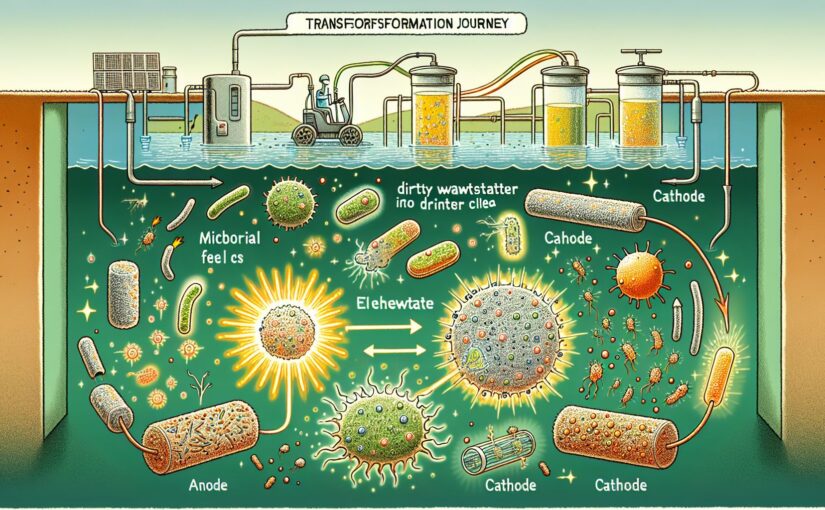
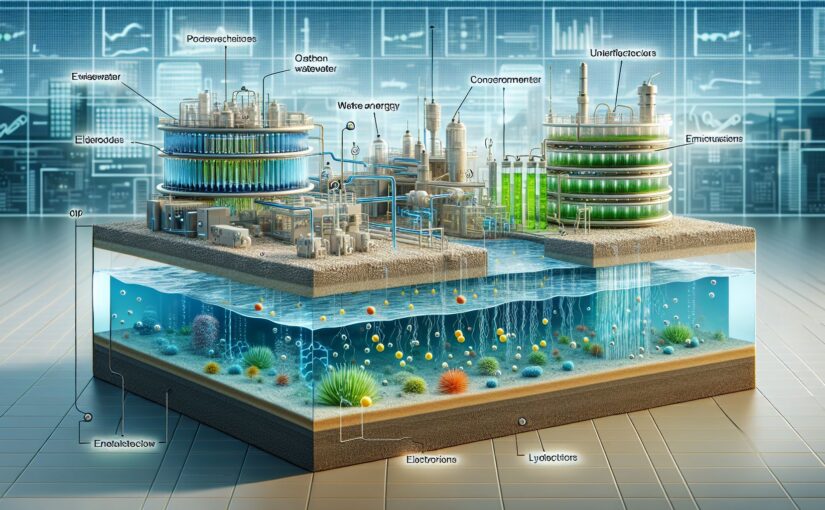
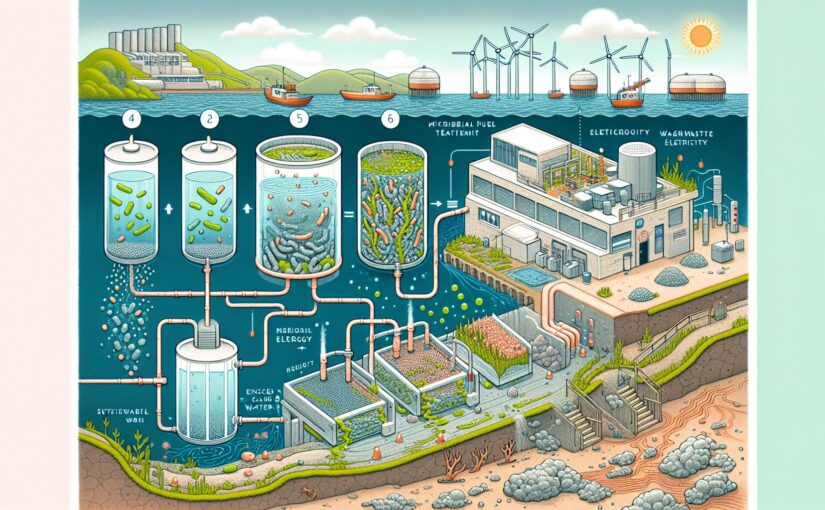
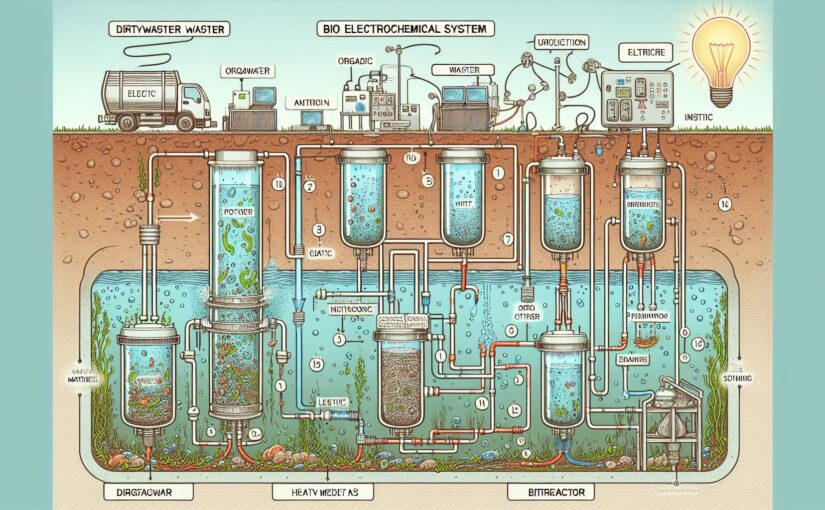
A typical BEWS comprises two compartments – the anode and cathode chambers – separated by a proton exchange membrane (PEM). In the anode chamber, electroactive bacteria form a biofilm on the anode surface. As these bacteria consume organic matter from the wastewater, they generate protons and electrons. The electrons travel through an external circuit to the cathode, generating electric current, while the protons move across the PEM to the cathode chamber. At the cathode, electrons, protons, and oxygen from air or water combine to form water, completing the electrical circuit.

The Role of Electroactive Bacteria

The operational efficiency of BEWS largely depends on the ability of electroactive bacteria to efficiently transfer electrons to the anode. These bacteria, also known as exoelectrogens or anode-respiring bacteria, employ various strategies for extracellular electron transfer, including direct contact with the electrode, use of natural conductive pili (nanowires), or secretion of conductive redox molecules.

Electron Transfer Mechanisms

The mechanism by which electrons are transferred to the anode is crucial for the performance of BEWS. This could involve direct contact, where bacteria physically interact with the electrode surface or indirect transfer through soluble redox mediators secreted by the bacteria. Mediator-less systems, which rely on direct transfer, are generally more sustainable as they do not involve additional chemicals.

Advantages of BEWS

Sustainable Wastewater Treatment

BEWS offer a green alternative to traditional wastewater treatment methods. They use less energy, reduce sludge production, and have a smaller carbon footprint. By harnessing the chemical energy present in wastewater, BEWS can operate with a net-positive energy balance, contributing to reduced reliance on fossil fuels.

Electricity Generation

One of the most remarkable features of BEWS is their ability to generate electricity. While the power output is relatively low compared to other renewable energy sources, ongoing research aims to improve the power density and overall efficiency of these systems. Their unique ability to serve dual purposes makes them a valuable component in the move towards renewable energy.

Resource Recovery

In addition to treating water and generating electricity, BEWS can facilitate the recovery of valuable resources such as phosphorus and nitrogen, which can be reused as fertilizers. The process’s versatility enhances its attractiveness as a component of circular economy strategies.

Challenges and Future Directions

While BEWS offer numerous benefits, there are still challenges to overcome, especially when scaling up for real-world applications.

Overcoming Technical Limitations

Key technical challenges include increasing the systems’ power density and coulombic efficiency, improving the robustness and endurance of the proton exchange membrane, and developing more efficient electrode materials. Research is ongoing to address these issues, with promising developments in carbon-based and catalyst-coated electrodes showing potential for boosting BEWS performance.

Scaling Up

To be considered a viable option for large-scale wastewater treatment, BEWS must demonstrate consistent operation at a higher scale. This involves not only dealing with larger volumes of wastewater but also ensuring that the bioelectrochemical processes remain efficient and stable over time. Studies on stacked and continuous flow MFCs are contributing valuable insights into how these systems might be effectively scaled up.

Integration and Adoption

The successful integration of BEWS into existing wastewater infrastructure poses both technical and economic challenges. Widespread adoption will require demonstrating that BEWS can operate reliably in diverse conditions and proving their cost-effectiveness compared to conventional treatment methods. Further research and pilot-scale demonstrations will play a crucial role in gaining wider acceptance.

Conclusion

Bioelectrochemical wastewater systems sit at the exciting crossroads of wastewater management and renewable energy. By leveraging the natural processes of electroactive bacteria, these systems offer a sustainable path forward for treating wastewater while contributing to energy generation. Despite the challenges that lie ahead, the continued evolution of BEWS technology holds promise for a more sustainable future.

References

  1. Logan, B. E. (2009). Exoelectrogenic bacteria that power microbial fuel cells. Nature Reviews Microbiology, 7(5), 375-381. DOI:10.1038/nrmicro2113

  2. Pant, D., Van Bogaert, G., Diels, L., & Vanbroekhoven, K. (2010). A review of the substrates used in microbial fuel cells (MFCs) for sustainable energy production. Bioresource Technology, 101(6), 1533-1543. DOI:10.1016/j.biortech.2009.10.017

  3. Lovley, D. R. (2012). Electromicrobiology. Annual Review of Microbiology, 66, 391-409. DOI:10.1146/annurev-micro-092611-150104

With the increasing attention from the scientific community and potential financial support for green technologies, BEWS continue to represent a noteworthy avenue for innovation in the fields of environmental engineering and renewable energy.
Renewable Energy from Wastewater: Harnessing the Power of Bioelectrochemical Systems

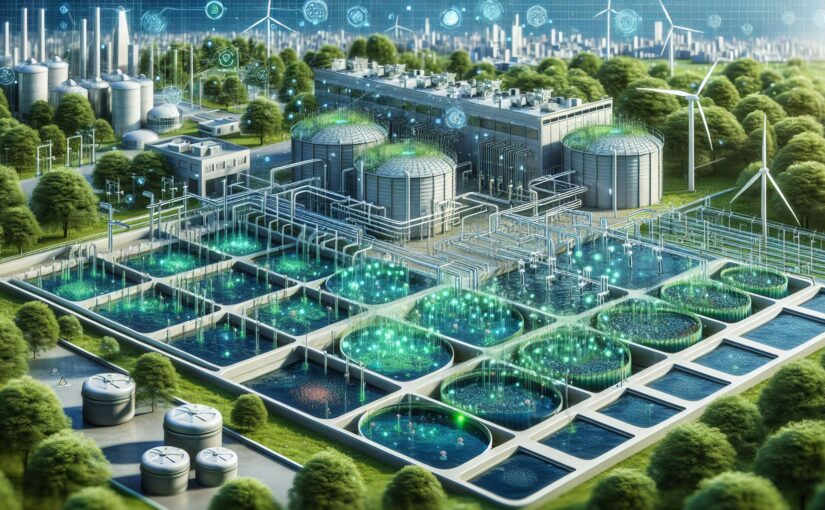
Wastewater is typically viewed as a byproduct of our everyday lives that needs to be treated and disposed of safely. However, an exciting paradigm shift is placing wastewater under a new lens—as a potential source of renewable energy. Innovative technologies, such as Bioelectrochemical Systems (BES), are being developed to harness this untapped resource. This article delves into the process of generating renewable energy from wastewater and explores the mechanisms, benefits, and challenges of this eco-friendly approach.

Introduction

Globally, the demand for renewable energy sources is escalating as the effects of climate change and the depletion of fossil fuels become increasingly pressing concerns. Alongside wind, solar, and hydro-power, an unconventional player is entering the renewable energy arena: wastewater. Treatment facilities manage vast quantities of wastewater daily, and if utilized correctly, this water can contribute significantly to our clean energy portfolio.

One such technology leading the charge is Bioelectrochemical Systems (BES), which include Microbial Fuel Cells (MFCs) and Microbial Electrolysis Cells (MECs). These systems enable the extraction of electric power from the organic matter present in wastewater through biological and electrochemical processes. This synergy of biology and engineering not only promises a greener path for wastewater treatment but also a new horizon for sustainable energy production.

The Science Behind Bioelectrochemical Systems

Understanding Bioelectrochemical Wastewater Systems

BES are devices that use bacteria to break down organic matter in wastewater. The process is twofold: the organic material serves as a nutrient for the bacteria, and the metabolic reactions within the bacteria generate electricity. Essentially, these systems use the energy content of wastewater to produce power, reducing the organic load of the water while generating electricity simultaneously.

Electroactive Wastewater Bacteria and Exoelectrogens

The cornerstone of BES is the electroactive bacteria, commonly known as exoelectrogens. These bacteria possess the ability to transfer electrons outside their cells to an electrode. When organic matter is metabolized, electrons are released as a byproduct. In nature, bacteria may transfer these electrons to minerals to complete their energy cycle. In BES, these electrons are diverted to an electrode, thereby generating an electric current.

Mediator-less and Mediator-based MFCs

MFCs are divided into two types based on the electron transfer mechanism: mediator-less and mediator-based. Mediator-less MFCs rely on direct contact between bacteria and the electrode, which requires electrochemically active bacteria capable of transferring electrons directly to the electrode surface. In contrast, mediator-based MFCs use chemical compounds that shuttle electrons from the bacteria to the electrode. While mediator-based MFCs have been effective, concerns over the cost and toxicity of mediators have escalated the interest in mediator-less MFCs.

Anode Respiring Wastewater Bacteria

Anodes are critical components in BES as they collect electrons from the bacteria. The ‘anode-respiring bacteria’ have specific metal-reducing abilities that allow them to “breathe” using anodes as their electron acceptors. These specialized bacteria form biofilms on the anode surface and facilitate a high rate of electron transfer, proving instrumental in maximizing energy generation.

The Role of Cathodes: Wastewater Bioanodes and Biocathodes

Similarly, cathodes play a vital role in completing the circuit by accepting the electrons from the anode. In BES, biocathodes can be used, which are cathodes that incorporate living organisms to catalyze the reduction reaction on the electrode. While oxygen is often the final electron acceptor in the cathode chamber of MFCs, biocathodes can also reduce other substances, like nitrates or sulfates, potentially providing additional wastewater treatment benefits.

The Benefits of Generating Renewable Energy from Wastewater

Treatment and Energy Generation

The ability to treat wastewater while simultaneously extracting energy is a game-changer. Conventional wastewater treatment is energy-intensive, but BES can help offset this demand by recovering part of that energy. This can diminish the carbon footprint of wastewater treatment facilities and possibly transform them from energy consumers into energy-neutral or even energy-positive entities.

Resource Recovery

Beyond energy, BES can aid in the recovery of valuable resources. For instance, MECs can produce hydrogen gas which can be used as a clean fuel. In addition, certain BES configurations can extract phosphorus from wastewater, a vital nutrient that is facing depletion on a geological scale.

Technical Challenges and Potential Solutions

Efficiency and Scalability

One of the primary challenges in utilizing BES is efficiency, particularly the conversion efficiency of organic matter to electricity, known as coulombic efficiency. Various factors such as electrode materials, system design, and operational conditions influence this efficiency. Additionally, scaling up from laboratory prototypes to full-scale systems is a significant hurdle, as much of the research is still at the bench scale or pilot stage.

Electrode Materials and Designs

Electrode material strongly impacts BES performance. Carbon-based electrodes are popular due to their conductivity and biocompatibility, but researchers are also exploring catalyst-coated electrodes to improve performance. Furthermore, developing cost-effective and sustainable electrode materials remains pivotal for commercial-scale applications.

Cost and Economic Viability

The economic viability of renewable energy from wastewater largely hinges on the cost of BES components and their longevity. Research is directed towards lowering capital costs and improving system durability to make this technology financially competitive with other forms of renewable energy generation.

Future Directions and Conclusion

Developments in Research and Application

As the research on BES advances, continuous flow systems, stacked configurations, and other innovations like plant-microbial fuel cells are emerging. These innovations aim to increase power densities and establish stable and efficient operations over long periods. Environmentally, the combined wastewater treatment and energy production approach is a win-win, offering a sustainable path for both water and energy sectors.

Transition to Practical Applications

For BES to become a mainstay in renewable energy and wastewater treatment, significant strides must be taken in addressing practical application challenges. These include optimizing system configurations, ensuring reliability, and navigating the regulatory landscape related to water quality and energy integration.

The Role of Policy and Investment

The final piece of the puzzle lies in policy and investment. Incentives from governments and interest from the private sector are crucial in fostering the development and deployment of BES. Strategic funding and supportive policies can accelerate the refinement of BES and bring them closer to widespread use.

Sources

  1. Logan, B. E., & Rabaey, K. (2012). “Conversion of wastes into bioelectricity and chemicals by using microbial electrochemical technologies.” Science, 337(6095), 686-690. doi: 10.1126/science.1217412

  2. Pant, D., Singh, A., Van Bogaert, G., Olsen, S. I., Nigam, P. S., Diels, L., & Vanbroekhoven, K. (2012). “Bioelectrochemical systems (BES) for sustainable energy production and product recovery from organic wastes and industrial wastewaters.” RSC Advances, 2(4), 1248-1263. doi:

Harnessing Renewable Energy from Wastewater: An Insight into Microbial Fuel Cells for Wastewater Treatment

The intersection of renewable energy and wastewater treatment represents a field laden with potential for sustainable practices. Among the various technologies under investigation, Microbial Fuel Cells (MFCs) are emerging as a revolutionary approach not only for treating wastewater but also for generating bioelectricity. This article takes a deep dive into the principles and advancements of Microbial Fuel Cells for wastewater treatment, their ability to produce renewable energy, and the potential for integrating this technology into existing infrastructure.

What are Microbial Fuel Cells (MFCs)?

Microbial Fuel Cells (MFCs) are bioelectrochemical systems that harness the power of electroactive bacteria to convert organic matter in wastewater into electrical energy. They are composed of two half-cells, an anode and a cathode, separated by a proton exchange membrane. At the anode, bacteria oxidize the organic substrate, releasing electrons and protons in the process. Electrons flow through an external circuit to the cathode, generating electric current, while protons move through the membrane to the cathode compartment to recombine with electrons and a final electron acceptor, usually oxygen, to form water.

Principles of MFC Operations

  • Anode Respiring Bacteria: At the heart of this process are anode-respiring bacteria, which are capable of transferring electrons to the anode. These bacteria utilize various electron transfer mechanisms to accomplish this, including direct transfer via cytochromes and indirect transfer using mediators.

  • Proton Exchange Membrane: A critical component of MFCs, the proton exchange membrane allows protons to migrate while preventing the mixing of reactants in the anode and cathode compartments, which preserves the efficiency of the fuel cell.

  • Electron Transfer Mechanisms: The mechanisms of electron transfer within MFCs can be complex and varied. Extracellular electron transfer, as one such mechanism, allows bacteria to pass electrons directly or indirectly to the anode, initiating the electrochemical process.

The Benefits of Using MFCs in Wastewater Treatment

Microbial fuel cells offer several advantages over conventional wastewater treatment methods:

  1. Energy Production: MFCs can, in principle, generate electricity while degrading organic pollutants, thereby transforming waste treatment plants from energy consumers into energy producers.

  2. Reduced Sludge Production: They typically produce less sludge compared to other biological treatment methods, which translate into lower disposal costs.

  3. Low Energy Input: MFCs operate at ambient temperature and atmospheric pressure, reducing the energy requirement for aeration and mixing.

  4. Bioremediation: They can be used to remove a wide range of pollutants including nitrogen and phosphorus, heavy metals, and emerging contaminants.

Renewable Energy from Wastewater: The Potential of MFCs

The concept of generating electricity while treating wastewater opens doors to a new paradigm in sustainable energy and waste management:

  • Bioelectricity Generation from Wastewater: By harvesting the chemical energy in wastewater, MFCs can produce renewable energy in the form of bioelectricity. This could potentially be used on-site to power monitoring equipment or, if produced in sufficient quantities, could contribute to the energy grid.

  • Scaling Up MFCs: While MFCs have proven effective at laboratory scales, scaling up poses significant challenges. Current research focuses on optimizing design, materials, and operational conditions to make them financially and technically viable for larger-scale applications.

Design Specifications and Innovations in MFCs

A variety of designs and configurations can affect the output and efficiency of MFCs:

  • Electrode Materials: The performance of MFCs significantly depends on the materials used for the electrodes. While carbon-based electrodes are popular for their conductivity and biocompatibility, research into catalyst-coated electrodes aims at enhancing the power output.

  • Stacked MFCs: Stacking multiple MFC units increases the surface area for biofilm formation and electron transfer, potentially amplifying the power output. Stacked configurations, however, require careful management to balance the resistance and other operational parameters.

  • Continuous Flow MFCs: A continuous flow design ensures a steady supply of nutrients to the microorganisms and the removal of byproducts, key factors in increasing efficiency and the practicality for real-world applications.

Challenges and Future Research Directions

While the potential of MFCs is considerable, the technology still faces several challenges:

  • Power Density and Coulombic Efficiency: Power density and Coulombic efficiency are critical measures of an MFC’s performance. Advances in biotechnology and materials science are needed to boost these metrics to feasible levels.

  • Sustainable Membrane Alternatives: Proton exchange membranes are costly and tend to be chemical-specific. Developing affordable and versatile membrane materials is a priority for making the technology more accessible.

  • Real-World Implementation: Integrating MFCs into existing wastewater infrastructure requires not just technological advancements but also regulatory acceptance and economic incentives.

Conclusion

Microbial Fuel Cells stand at the cutting edge of a wastewater treatment revolution, promising a future where our treatment facilities contribute to energy independence and sustainability. Combining the biological process of waste degradation with the generation of renewable energy, MFCs embody a multidisciplinary achievement with far-reaching impacts on both environmental stewardship and energy policy.

As we look towards a cleaner and more sustainable future, technologies like MFCs that straddle the line between waste management and renewable energy production will play a pivotal role. As research progresses, we can expect to see MFCs evolve to become a critical component of our energy and waste treatment infrastructures.

Sources:

  1. Logan, B. E. (2008). Microbial Fuel Cells. John Wiley & Sons.
  2. Rabaey, K., & Rozendal, R. A. (2010). Microbial electrosynthesis — revisiting the electrical route for microbial production. Nature Reviews Microbiology, 8(10), 706-716.
  3. The U.S. Department of Energy’s Office of Energy Efficiency and Renewable Energy (EERE) – Energy Basics. [https://www.energy.gov/eere/energybasics/energy-basics]

Renewable Energy from Wastewater: Harnessing Bioelectricity Through Microbial Fuel Cells

The need for sustainable energy and water preservation has led to the exploration of innovative technologies that can offer viable solutions to the global demand for clean water and renewable energy sources. Among these technologies, Microbial Fuel Cells (MFCs) have garnered attention due to their dual ability to treat wastewater and generate energy simultaneously. This article delves into how the science of MFCs enables the transformation of wastewater into a source of renewable energy while effectively reducing the environmental impact caused by traditional wastewater treatment methods.

Understanding Wastewater and the Need for Treatment

Wastewater is water that has been adversely affected in quality by anthropogenic influences and contains various organic and inorganic compounds. Common sources of wastewater include domestic sewage, industrial effluents, stormwater runoff, and agricultural drainage. Traditional wastewater treatment is energy-intensive and requires complex processes to eliminate pollutants before the water can be reintroduced into the environment or reused.

Microbial Fuel Cells: A Bioelectrochemical Approach

Microbial Fuel Cells (MFCs) are bioelectrochemical systems that exploit the metabolic processes of electroactive bacteria to clean wastewater and produce electricity. In essence, these bacteria can oxidize organic substrates found in wastewater, transferring electrons to an anode, thereby generating an electric current that flows to a cathode.

The Basic Components of an MFC

  • Anode Chamber: This is where the wastewater is introduced, and electroactive bacteria, often referred to as exoelectrogens, decompose organic matter.
  • Cathode Chamber: Here, electrons flow from the anode via an external circuit to combine with protons and an electron acceptor (frequently oxygen) to form water.
  • Proton Exchange Membrane (PEM): This semi-permeable membrane separates the anode from the cathode chamber while allowing protons to move between them, completing the circuit.

The Process: From Wastewater to Electricity

  1. The organic compounds in the wastewater serve as fuel, and electroactive bacteria in the anode degrade these substances.
  2. During degradation, electrons are released as part of the bacteria’s metabolic process.
  3. These electrons are transferred to the anode surface, producing a flow of electric current when the external circuit connects the anode to the cathode.
  4. Protons also generated during degradation pass through the PEM from the anode to the cathode chamber.
  5. At the cathode, electrons, protons, and an electron acceptor (usually oxygen) combine to form water.

The whole process is known as extracellular electron transfer (EET), and it is central to the functioning of an MFC.

Extracellular Electron Transfer (EET)

Electroactive bacteria have evolved various strategies for EET, including direct contact with electrodes, use of conductive pili known as nanowires, and the secretion of soluble redox mediators. Efficient EET is crucial for the overall performance of an MFC.

The Environmental Benefits of MFCs in Wastewater Treatment

Reduced Energy Consumption

Conventional wastewater treatment plants typically consume a significant amount of energy. MFCs, in contrast, utilize the biochemical energy available in organic waste and convert it into electricity, leading to energy-neutral or even energy-positive wastewater treatment.

Lower Carbon Footprint

As MFCs can operate at ambient temperatures and pressures, they have a lower carbon footprint compared to energy-intensive, conventional treatment methods that require aeration and pumping.

Potential for Valuable Byproducts

Beyond electricity generation, MFCs have the potential to recover valuable byproducts, like biohydrogen, and to facilitate water desalination in integrated systems such as microbial desalination cells.

The Realities of Electricity Generation from Wastewater

While the concept is promising, there are practical challenges to harnessing substantial amounts of renewable energy from wastewater using MFCs.

Power Density and Coulombic Efficiency

Power density and coulombic efficiency are two critical parameters that determine the energy output of an MFC. They depend on several factors, including the microorganisms present, the organic load of the wastewater, and the design of the MFC.

Choice of Electrodes

The selection of electrode materials greatly affects the efficiency of an MFC. Carbon-based electrodes are commonly used due to their high surface area and conductivity. More innovative materials, like catalyst-coated electrodes, are also under investigation to improve performance.

Scaling Up Challenges

While laboratory-scale MFCs have demonstrated the feasibility of the technology, scaling up to a commercial level poses significant engineering and economic challenges. Issues such as maintaining consistent performance, building cost-effective modular systems, and integrating with existing infrastructure need to be addressed.

Research and Development

Ongoing research aims to improve the efficiency, cost-effectiveness, and scalability of MFCs. Advances in bioengineering, materials science, and system design are expected to enhance the viability of this technology for real-world applications.

The Future of Wastewater Treatment and Energy Recovery

Leveraging innovative technologies like MFCs represents a step forward in addressing the dual challenges of wastewater treatment and sustainable energy production. As research progresses, the capability to reclaim clean water and generate renewable energy from wastewater could play a pivotal role in sustainable development and resource management around the world.

Suggested Further Reading and Sources

  • Logan, Bruce E. “Microbial Fuel Cells.” John Wiley & Sons, Inc., March 2008.
  • Rabaey, Korneel, and René A. Rozendal. “Microbial electrosynthesis — revisiting the electrical route for microbial production.” Nature Reviews Microbiology 8, no. 10 (2010): 706-716.
  • Li, Wen-Wei, Guo-Ping Sheng, and Han-Qing Yu. “Electroactive bacteria in microbial fuel cells.” International Journal of Hydrogen Energy 35.19 (2010): 8707-8717.

The potential of MFCs to reform wastewater treatment is vast, but practical implementations will require continued innovation and collaboration between researchers, engineers, and policymakers. By fully harnessing the power of microorganisms to treat our water while generating clean energy, we can move towards a future that is not only more sustainable but also more in harmony with the natural biological processes that sustain life on Earth.

Renewable Energy from Wastewater: An Insight into Microbial Fuel Cells

In the quest for sustainable development, the integration of waste management and renewable energy generation has gained significant attention. Among the various technologies, Microbial Fuel Cells (MFCs) have emerged as a promising solution, offering a dual benefit of wastewater treatment along with the production of bioelectricity. Utilizing the vast potential of electroactive bacteria, these systems are paving the way for a greener and more energy-efficient future.

Understanding the Basics of MFCs

MFCs are bio-electrochemical systems that harness the power of microorganisms to convert organic compounds in wastewater into electrical energy. This process is achieved through the metabolic activities of bacteria, which break down organic matter and release electrons as a byproduct.

The MFC technology functions on the principles of redox reactions, where an electron flow is generated from the oxidation of substrates. An MFC typically comprises two chambers, the anode and cathode, separated by a proton exchange membrane. Electroactive bacteria are often found in the anode chamber, where they oxidize the organic substances, releasing protons and electrons. The electrons travel through an external circuit towards the cathode, generating electrical current, while the protons pass through the membrane to combine with the electrons and a final electron acceptor (often oxygen) at the cathode to form water or other byproducts.

Potential of Renewable Energy from Wastewater

Wastewater, unfortunately, is often associated with negative connotations, regarded as a problem needing disposal. However, with the advent of MFC technology, wastewater is now being recognized as a valuable resource for renewable energy production.

The concept of generating electricity while treating wastewater offers multiple benefits:

  • Energy Efficiency: Traditional wastewater treatment processes consume a significant amount of energy. MFCs, in contrast, operate at ambient temperature and pressure, thus reducing energy consumption.

  • Reduction in Greenhouse Gas Emissions: By producing bioelectricity, MFCs can offset the use of fossil fuels and subsequently decrease CO2 emissions.

  • Sustainable Waste Management: MFCs provide an eco-friendly approach to treat organic pollutants in wastewater, ensuring environmental protection and water conservation.

  • Resource Recovery: Besides electricity, MFCs enable the recovery of valuable byproducts, such as metals or biogas, thus adding to their economic viability.

The Role of Electroactive Bacteria

The heart of an MFC lies in the activity of electroactive bacteria, also known as exoelectrogens. These specialized microbes have the unique ability to transfer electrons outside of their cell membranes to an external electron acceptor (the anode in the case of MFCs). Electroactive bacteria such as Shewanella or Geobacter species are commonly identified in MFCs.

The mechanism of electron transfer can be direct, through cell membrane-associated proteins and conductive pili known as nanowires, or indirect, involving soluble electron shuttles called mediators. Direct electron transfer is more desirable as it facilitates higher efficiency and avoids the need for adding synthetic mediators, which can be costly and toxic.

Limits and Opportunities for MFCs

Despite their promising potential, several challenges exist in the path towards the broad application of MFCs:

  • Low Power Output: Currently, the power density achieved by MFCs is relatively low when compared to conventional energy sources. This requires further research into optimizing design and operational parameters.

  • Scaling Up: Operational challenges such as substrate complexity and electrode clogging pose hindrances when transitioning from laboratory-scale to full-scale systems.

  • Cost of Materials: The proton exchange membrane and electrode materials can be expensive, although efforts are being made to identify cost-effective alternatives.

  • Public Perception: Acceptance of technology is crucial. Public and institutional awareness must be raised regarding the benefits and practicality of MFCs.

Advances in MFC Development

Research in the realm of MFCs is dynamic, with several noteworthy advancements aimed at improving performance and scalability:

  • Electrode Materials: The exploration of carbon-based and catalyst-coated electrodes has increased the conductivity and surface area for microbial attachment, enhancing electricity generation.

  • Stacked MFCs: Connecting multiple MFC units in series or parallel configurations can amplify voltage and current, respectively, making the technology more applicable for real-world use.

  • Continuous Flow MFCs: The development of systems that allow for a continuous flow of wastewater through the MFC has improved the practicality of the technology for continuous power generation and uninterrupted wastewater treatment.

  • Microbial Electrolysis Cells (MECs): An evolution of MFCs, MECs can produce hydrogen gas as a byproduct, opening doors to another form of clean energy.

Conclusion: The Road Ahead for MFCs and Sustainable Development

Microbial Fuel Cells present a compelling solution for sustainable wastewater management and the generation of renewable energy. The technology stands as a testimony to human ingenuity in harnessing the power of nature to create cleaner and more sustainable systems.

While challenges persist, ongoing research and development are propelling MFCs closer to wide-scale adoption. Partnerships among academic institutions, industry, and governments are critical for propelling MFC technology from the laboratory to the real world.

To bring this vision to fruition, it is crucial for stakeholders to support the continued research, development, and pilot testing of MFC systems. Public education and policy incentives can accelerate the adoption of this green technology, ultimately contributing to the global goals of sustainability and energy independence.

Renewable Energy from Wastewater: Harnessing the Untapped Potential

With the growing demand for sustainable energy and effective wastewater treatment methods, innovative solutions that can address both these challenges simultaneously are in high demand. One such promising technology is the use of microbial fuel cells (MFCs) to generate renewable energy from wastewater. MFCs utilize the metabolic processes of microorganisms to break down organic matter in wastewater and produce electricity in the process. This article delves into the possibilities and challenges of extracting renewable energy from wastewater using MFCs and explores how this technology could revolutionize the way we think about waste and energy.

Understanding Microbial Fuel Cells (MFCs)

A microbial fuel cell is an ingenious system that directly converts the chemical energy stored in the organic matter of wastewater into electrical energy through the action of bacteria. These bacteria, often referred to as electrogenic or electroactive, can transfer electrons to an electrode as part of their metabolic processes. MFCs generally consist of an anode, a cathode, and a proton exchange membrane or another type of ion-conducting separator between them.

Electroactive Wastewater Bacteria: Nature’s Tiny Power Plants

Electroactive bacteria are at the heart of MFC technology. These organisms can effectively discharge electrons taken from the degraded substrate outside their cells. Some well-known electrogenic bacteria include Shewanella oneidensis and Geobacter sulfurreducens. The biofilms they form on the anode are capable of transferring these electrons onto solid electrode surfaces, a phenomenon known as extracellular electron transfer (EET) (1, 2).

Electricity Generation: How Wastewater Becomes a Power Source

The process starts when the bacteria consume organic matter in the wastewater—this could be anything from human waste to industrial effluents—and produce electrons and protons. These electrons travel through the anode, across an external circuit (producing electricity), and eventually to the cathode. Here, they combine with protons (which have moved through the proton exchange membrane) and oxygen (often from the air) to form water. This continuous flow of electrons is what generates electric power, which can be harnessed for various applications.

The Potential of Wastewater as a Renewable Energy Source

Wastewater contains a large amount of organic material that is typically treated using energy-intensive methods. By integrating MFCs into wastewater treatment plants, it becomes possible to not only treat the water but also to recycle the embedded energy and reduce the overall energy demand of the treatment process.

Environmental Benefits: Clean Water and Green Energy

One of the most appealing aspects of using MFCs in wastewater treatment is the double-edged sword of environmental benefits: cleaning water while producing clean energy. The reduced reliance on chemical treatments and the potential to offset the operational energy costs of wastewater treatment plants make it a sustainable technology that can contribute to a greener planet.

Economic Advantages: Cutting Costs and Generating Revenue

Harnessing renewable energy from wastewater could lead to significant cost savings and create additional revenue streams for wastewater treatment facilities. By generating electricity, plants can reduce their energy bills. Moreover, with continuous improvements, the excess energy produced by MFCs could be sold back to the power grid, providing financial incentives to adopt this green technology.

Challenges to Overcome in MFC Technology

Despite the considerable benefits, there are still numerous hurdles to overcome before MFCs can be widely implemented.

Technological Limitations: Efficiency and Power Output

Presently, the power output and efficiency of MFCs are relatively low when compared to other renewable energy technologies like wind and solar power. Factors such as the types of bacteria, electrode materials, and the MFC design significantly affect the power density and coulombic efficiency of these systems.

Electrode Materials: Finding the Ideal Medium for Electricity Flow

The performance of MFCs is heavily reliant on the electrodes used. Carbon-based electrodes are commonly used due to their good conductivity and relatively low cost. However, there is ongoing research into catalyst-coated electrodes and novel materials that could enhance performance while also being cost-effective and durable (3).

Scaling Up: From Lab to Real-World Application

Scaling up MFCs from bench-scale models to full-scale operational systems capable of handling the vast amounts of wastewater produced daily by cities is a significant challenge. Issues related to maintaining microbial activity, system stability, and consistent performance at a larger scale need to be addressed.

Integrating MFCs with Existing Infrastructure

Another issue is integrating MFC technology with existing wastewater treatment infrastructure. This integration requires not only physical retrofitting but also adjustments to the operational protocols to harness the benefits of MFC systems effectively.

The Path Forward for Renewable Energy from Wastewater

Innovative Designs: Breaking Through the Power Ceiling

To address the limitations of MFCs, researchers are exploring innovative designs. Stacked and continuous flow MFCs are two examples where design modifications aim to boost power output and treatment efficiency. Additionally, novel configurations like sediment MFCs offer opportunities to extract energy from different types of wastewater environments.

Policy and Investment: Key Drivers for Advancement

To realize the full potential of MFC technology, supportive policies and investments are critical. Governments and private entities need to recognize the long-term benefits and provide the necessary funding for research and development, as well as incentives for adopting this technology.

Educating Stakeholders: Spreading the Word

Education and awareness are crucial in driving the adoption of renewable energy technologies from wastewater. Utility managers, policymakers, and the public must be informed about the benefits and potential of MFCs to foster a broader acceptance of this technology.

Conclusion

Renewable energy from wastewater represents an untapped resource with enormous potential. By leveraging microbial fuel cells, we can simultaneously address two critical sustainability issues: effective wastewater treatment and renewable energy generation. While challenges remain in terms of efficiency, scaling, and integration, the environmental, economic, and societal benefits warrant continued research and development. With the right combination of technology, policy, and investment, MFCs could play a prominent role in a sustainable future, where waste is not an end-product but a valuable resource for clean energy generation.

Renewable Energy from Wastewater: The Untapped Potential of Microbial Fuel Cells (MFCs)

Wastewater is often perceived as a problem to be dealt with—a byproduct of our modern lifestyle that poses environmental and logistical challenges. However, what if we could turn this problem into a potential solution; what if wastewater could become a source of renewable energy? This article delves into the fascinating world of microbial fuel cells (MFCs), a bioelectrochemical system that holds the promise of extracting renewable energy directly from wastewater.

Introduction

For decades, scientists and engineers have been exploring technologies that can both treat wastewater and produce energy. The microbial fuel cell (MFC) technology, a remarkable system capable of doing both, has emerged as a highly promising solution. With the ability to convert the organic substances present in wastewater into bioelectricity, MFCs can play a pivotal role in sustainable waste management and energy production.

What are Microbial Fuel Cells?

A Microbial Fuel Cell is an electrochemical system that drives a current by using bacteria as the catalysts to convert organic compounds into electrical energy. Essentially, MFCs exploit the metabolic processes of certain bacteria that can donate electrons to an external circuit, generating an electric current as a byproduct of the bacterial consumption of organic matter in wastewater.

The Principle of MFCs

The basic setup of an MFC includes an anode, a cathode, and an electrolyte solution, which most often is the wastewater itself. Organisms on the anode, known as ‘exoelectrogens’, oxidize the organic compounds in the wastewater, releasing electrons and protons in the process. Electrons travel through an external circuit to the cathode, while protons move across a proton exchange membrane to the cathode side. At the cathode, electrons and protons combine with oxygen from the air to form water, completing the circuit.

The Benefits of Using Wastewater as a Resource

Utilizing wastewater as a resource in MFCs has several advantages:

  • Sustainable Treatment: It allows for eco-friendly wastewater treatment by reducing the reliance on energy-intensive treatment processes.
  • Renewable Energy Production: It generates a clean, renewable form of energy that can be used for various applications.
  • Water Recovery: It offers the potential for water recovery following treatment, making water available for non-potable reuse.
  • Carbon Footprint Reduction: It reduces the greenhouse gas emissions associated with traditional wastewater treatment methods.

The Challenges of Harnessing Energy from Wastewater

There are several challenges and opportunities associated with generating renewable energy from wastewater through MFCs, which are currently being addressed through research and innovation.

Technical Challenges

Power Density and Efficiency: One of the significant challenges with MFC technology is improving its power density and coulombic efficiency to make it suitable for large-scale applications. Research into electrode materials and configurations, microbial communities, and system designs is ongoing to enhance these parameters.

Cost of Materials: The materials used for constructing electrodes and membranes can be costly. Research into cost-effective materials, such as carbon-based and catalyst-coated electrodes, is vital in making the technology more affordable.

Scaling Up: Scaling MFCs from laboratory to industrial-sized systems is challenging due to factors like maintaining optimal conditions for microbial communities and the overall complexity of large-scale operations.

Opportunities

Innovation in Microbial Communities: Isolating and genetically modifying more efficient strains of electroactive bacteria can improve the energy yields of MFCs.

Advancements in Electrode Materials: The development of new electrode materials that are more conductive, biocompatible, and affordable could significantly impact the efficiency of MFCs.

System Design Improvement: By designing more efficient MFC systems, such as continuous flow or stacked designs, it is possible to enhance the applicability and energy efficiency of the process.

Understanding the Electron Transfer Mechanisms: Investigating electron transfer mechanisms can lead to better designs and operational strategies that can increase the efficiency of electron capture, thereby boosting electricity generation.

The Future of MFCs and Renewable Energy Production

The field of MFCs is ever-evolving, with researchers and engineers coming up with innovative solutions to existing challenges. Here are some potential future directions:

  • Development of Bioreactors: MFCs have the potential to be developed into sophisticated bioreactors that not only handle wastewater treatment but also serve as renewable energy generators.
  • Hybrid Systems: Integrating MFCs with other renewable energy systems, such as solar or wind power, could create hybrid systems that enhance reliability and efficiency.
  • Resource Recovery: Utilizing MFCs for the recovery of valuable resources, such as phosphorus or metals from wastewater, could add an economic incentive to the technology.
  • Policy and Incentives: The creation of supportive policies and incentives can accelerate the adoption and development of MFC technologies by making them more financially viable.

Conclusion

Microbial fuel cells are a groundbreaking technology that has the potential to transform our waste management practices and energy landscapes. While challenges remain in scaling up and improving the efficiency of MFCs, the promising research and relentless innovation in this field provide hope for a future where we can harness renewable energy from wastewater, closing the loop in a truly sustainable manner.

Sources

  1. Logan, B. E. (2008). Microbial Fuel Cells. John Wiley & Sons.
  2. Pant, D., Van Bogaert, G., Diels, L., & Vanbroekhoven, K. (2010). A review of the substrates used in microbial fuel cells (MFCs) for sustainable energy production. Bioresource Technology, 101(6), 1533-1543.
  3. Rabaey, K., & Rozendal, R. A. (2010). Microbial electrosynthesis — revisiting the electrical route for microbial production. Nature Reviews Microbiology, 8(10), 706-716.

Using Markdown, this article incorporates headings, lists, and links to create an organized and visually appealing document, ready for publication on a blog or content management system.

Renewable Energy from Wastewater: A Deep Dive into the Sustainable Future

Wastewater is not typically the first thing that comes to mind when we think about renewable energy sources. However, the potential for harnessing energy from wastewater is significant and offers an innovative solution to both waste management and renewable energy generation. In this article, we will explore the concept of generating renewable energy from wastewater, focusing on the processes, technologies, and benefits that are associated with this sustainable approach.

Introduction to Wastewater as a Renewable Energy Source

Wastewater contains a substantial amount of organic matter, which can be broken down by bacteria to release energy. The process of treating wastewater, while traditionally energy-intensive, has undergone significant advancements with the emergence of technologies that can recover energy from waste. Among the most notable are microbial fuel cells (MFCs), which can convert the chemical energy stored in organic waste into electricity through biological processes.

The Potential of Microbial Fuel Cells (MFCs)

Microbial fuel cells are bioelectrochemical systems that directly convert the energy of organic matter into electricity through the metabolic activities of microorganisms. These devices have two electrodes: an anode and a cathode, separated by a proton exchange membrane.

At the anode, electroactive bacteria break down organic substrates, releasing electrons and protons. The electrons are transferred to the anode, travel through an external circuit to the cathode, generating an electrical current. The protons move through the proton exchange membrane to the cathode, where they combine with the electrons and an electron acceptor (often oxygen from the air) to form water.

Benefits of Generating Renewable Energy from Wastewater

There are several benefits to using wastewater as a source of renewable energy:

  1. Waste Reduction: By extracting energy from wastewater, we decrease the volume of waste that needs to be processed or disposed of.

  2. Energy-Efficient Treatment: Traditional wastewater treatment facilities are energy-intensive; MFCs offer a way to treat waste while simultaneously generating energy.

  3. Reducing Greenhouse Gas Emissions: MFCs can help mitigate climate change by reducing reliance on fossil fuels for electricity generation and wastewater treatment processes.

  4. Water Reclamation: The treated water can often be recycled for other purposes, creating a more sustainable water management system.

  5. Economic Advantage: MFCs can reduce the operational costs of wastewater treatment plants due to their energy production capabilities.

Electroactive Wastewater Bacteria: Nature’s Powerhouses

The key to the success of MFCs lies in the electroactive bacteria that drive the bioelectrochemical processes. These microorganisms are capable of oxidizing the organic compounds found in wastewater and transferring the resulting electrons to the MFC’s anode, a process known as extracellular electron transfer (EET).

Exploring the Diversity of Electroactive Bacteria

Electroactive bacteria come from various genera, including Shewanella, Geobacter, and many more. These bacteria have adapted diverse mechanisms for EET, including conductive pili called nanowires, redox proteins embedded in their membranes, and soluble electron shuttles, that help in efficient electron transfer from the cell to the electrode surface.

Exoelectrogens in Wastewater: A Detailed Look

Exoelectrogens, a subset of electroactive bacteria, are particularly adept at transferring electrons outside of their cells. They play a pivotal role in the anodic reactions of MFCs, oxidizing the organic substrates and releasing electrons to the electrode. The performance of MFCs largely depends on the activity and viability of these bacteria.

Electron Transfer Mechanisms in Wastewater

To understand how renewable energy is harvested from wastewater, it’s essential to delve into the electron transfer mechanisms at play. Electrons are carried from the bacteria to the anode through several pathways:

  1. Direct Electron Transfer (DET): Some bacteria can directly contact the electrode surface, forming biofilms, and transmit electrons through membrane-bound proteins or nanowires.

  2. Indirect Electron Transfer (IET): Other bacteria secrete redox-active intermediates or use externally added compounds called mediators to facilitate electron transfer to the electrode.

  3. Mediator-Less MFCs (ML-MFCs): Advances in MFC technology have enabled the creation of systems where no artificial mediators are needed, thus simplifying the process and reducing costs.

Harvesting Bioelectricity from Wastewater: The Operational Principles

MFC technology captures the power of bacteria to oxidize wastewater and generate a flow of electrons. But how does this translate into usable electricity?

The Role of the Proton Exchange Membrane

The proton exchange membrane (PEM) is a critical component of MFCs. It allows protons generated at the anode to pass through to the cathode compartment while preventing the passage of electrons directly. This maintains the separation necessary for an electrical potential to be established, effectively generating current.

Understanding the Power Density and Coulombic Efficiency of MFCs

Two key performance indicators for MFCs are the power density and coulombic efficiency:

  • Power Density: Measured in watts per square meter (W/m2), refers to the amount of electrical power generated per unit area of the electrode. It provides a metric for the MFC’s electrical performance.

  • Coulombic Efficiency: This is the ratio of the total charge extracted in the form of electricity to the total charge theoretically available from the organic substrate. It measures the effectiveness of the bacteria in converting organic matter into electricity.

The Technology Behind Wastewater MFCs: Components and Materials

To optimize the performance of MFCs, significant attention is given to the development of electrode materials and the design of MFCs.

Electrode Materials: From Carbon to Catalysts

The choice of electrode material is crucial for the efficiency of MFCs. Carbon-based electrodes are widely used due to their good conductivity and biocompatibility. However, there’s been a push towards developing catalyst-coated electrodes to enhance performance and lower overpotential.

Innovative Designs: Stacked and Continuous Flow MFCs

There are varied designs for MFCs, including stacked configurations which consist of multiple MFC units connected to increase voltage output. Continuous flow systems allow for the constant input of fresh wastewater and output of treated water, making the process more appropriate for real-world wastewater treatment applications.

Scaling Up: The Journey to Commercial Viability

One of the current challenges is scaling up MFCs for industrial or municipal use. This requires overcoming technical difficulties related to size, maintaining microbial communities, and achieving cost-effective operations.

Advancements in Scaling Up MFCs

Progress in materials science, biotechnology, and engineering has led to innovations like improved electroactive biofilms, and scaled-up systems designed for continuous operation in wastewater treatment facilities.

The Challenge of Economics and Infrastructure

The transition to using MFCs on a large scale necessitates investment in new infrastructure and a demonstration of the long-term economic benefits over traditional wastewater treatment methods.

Environmental and Social Implications: A Bright Future Ahead

The implementation of MFCs for wastewater treatment and energy generation has significant environmental and societal implications. Reduced environmental impact, lower costs, and an increase in sustainable energy practices could be

Renewable Energy from Wastewater: Unlocking the Power of Bioelectrochemical Systems

In a time where environmental sustainability is more crucial than ever, the quest for renewable energy sources continues to be a priority for researchers and industry professionals alike. One particularly fascinating area of study is the potential for converting wastewater into a valuable resource — not only cleaning it but also extracting bioelectricity in the process. This article will delve into the burgeoning field of bioelectrochemical systems, focusing specifically on the topic of generating renewable energy from wastewater.

What is Wastewater and Why Does it Matter?

Wastewater is the spent or used water from homes, businesses, and industries that has been contaminated with soluble and insoluble materials. Traditionally, the goal of wastewater treatment has been to remove harmful components and release the treated water back into the environment. However, wastewater also contains organic matter that, with the right technology, can be converted into energy.

The Power Potential of Wastewater

The intrinsic energy in wastewater comes from the biochemical potential of the organic compounds it contains. Through a process called bioelectrochemical wastewater treatment, these compounds can be broken down by microorganisms, and the resulting chemical energy can be converted into electrical power.

Understanding Bioelectrochemical Systems (BES)

Bioelectrochemical Systems (BES) are a type of technology that utilize the metabolic processes of microorganisms to generate an electrical current. They are made up of two main components:

  • Anode: Where the bacteria oxidize the organic matter, releasing electrons.
  • Cathode: Where electrons are transferred to an electron acceptor, often oxygen, reducing it to water.

This transfer of electrons generates an electric current that can then be harnessed as a form of renewable energy.

Microbial Fuel Cells (MFCs) for Wastewater Treatment

One of the most promising applications of BES is in the form of Microbial Fuel Cells (MFCs). MFCs use bacteria to convert the chemical energy in organic compounds of wastewater directly into electricity. This happens through the interaction of the bacteria with a specially designed anode in an anaerobic (oxygen-free) environment.

Components of MFCs:

  • Anode Chamber: Here, electrogenic bacteria break down the organic matter in wastewater and release electrons.
  • Cathode Chamber: The electrons flow to this chamber, where they combine with oxygen and protons to form water.
  • Proton Exchange Membrane: This divides the two chambers, allowing protons to pass through but not the bacteria or organic matter.
  • Electrodes: These are often made of carbon-based materials and are essential for the transfer of electrons.

The result is a system that not only treats wastewater but also produces electrical energy, reducing the treatment process’s overall energy consumption.

The Role of Electroactive Wastewater Bacteria

Electroactive bacteria are the heart of MFCs. These are special types of bacteria capable of transferring electrons to external surfaces. Typical bacteria involved in MFCs are from the genera Shewanella and Geobacter. The efficiency of electron transfer is a key factor determining the amount of electricity generated.

From Bench Scale to Real World: The Challenge of Scaling Up

While laboratory-scale MFCs have demonstrated the potential of this technology, scaling up to a level suitable for municipal or industrial wastewater treatment presents several challenges, including:

  • Maintaining Efficient Microbial Communities: As systems scale, controlling the health and productivity of the bacteria becomes more complex.
  • Cost-Effective Materials: Creating anodes, cathodes, and proton exchange membranes that are both efficient and affordable is essential for practical applications.
  • System Design: Large-scale systems must be carefully designed to handle high flow rates, diverse contaminant loads, and variations in temperature and pH.
  • Regulatory and Economic Considerations: For wide adoption, the technology must be both compliant with existing regulations and economically competitive with traditional wastewater treatment processes.

Looking Forward: The Future of Wastewater as a Renewable Resource

The potential benefits of using MFCs for wastewater treatment are significant. Not only do they offer a path to renewable energy generation, but they also promise to reduce the carbon footprint and energy use of a critical yet energy-intensive public service. However, much work remains to be done in terms of optimization and practical implementation.

As the technology matures, we can envision a future where wastewater treatment plants become power generation facilities, and the extensive energy used in the treatment process becomes a thing of the past.

Sources:

  • Logan, B. E. (2009). Exoelectrogenic bacteria that power microbial fuel cells. Nature Reviews Microbiology, 7(5), 375–381. https://doi.org/10.1038/nrmicro2113

  • Rabaey, K., & Rozendal, R. A. (2010). Microbial electrosynthesis — revisiting the electrical route for microbial production. Nature Reviews Microbiology, 8(10), 706–716. https://doi.org/10.1038/nrmicro2422

  • He, Z., & Mansfeld, F. (2009). Exploring the use of electrochemical impedance spectroscopy (EIS) in microbial fuel cell studies. Energy & Environmental Science, 2(2), 215. https://doi.org/10.1039/b816647g

As a burgeoning field, the integration of renewable energy practices within wastewater treatment contends not only with technological and biological hurdles but also with the necessity of wide-scale societal and industrial adaptation. The innovative marriage of environmental cleanup with renewable energy production through bioelectrochemical systems like MFCs presents a promising horizon in our continual pursuit of sustainability. However, it is incumbent upon researchers, policymakers, and industry innovators to collaboratively advance this technology from the bench to the broad landscapes of practical and economical use, where wastewater becomes not a costly byproduct of civilization but a golden wellspring of energy for tomorrow’s world.

Renewable Energy from Wastewater: Unleashing the Potential of Microbial Fuel Cells

The quest for sustainable and renewable energy sources has been at the forefront of global research and policy agendas due to the increasing demand for energy, looming climate change threats, and the depletion of fossil fuels. Interestingly, our search for clean energy coincides with another persistent challenge: the effective treatment of wastewater. In this context, microbial fuel cells (MFCs) emerge as a fascinating technology that not only helps in the treatment of wastewater but also in the generation of electricity, thereby turning waste into a valuable resource. Here, we will delve deep into the concept of renewable energy generation from wastewater through microbial fuel cells, exploring its principles, benefits, challenges, and future prospects.

What are Microbial Fuel Cells (MFCs)?

Microbial fuel cells are bio-electrochemical systems that harness the power of bacteria to convert organic matter in wastewater into electrical energy. By utilizing the natural processes of bioelectrochemical systems, MFCs offer a double-edged sword against waste management and energy scarcity.

The Mechanism of Energy Generation in MFCs

MFCs typically consist of two compartments or chambers: the anode and the cathode, separated by a proton exchange membrane. The anode chamber is where the wastewater is introduced, containing organic matter that serves as fuel. Electroactive bacteria in the anode chamber break down the organic matter through a process known as anaerobic respiration.

During this process, electrons are released as the bacteria metabolize the organic substances. These electrons cannot be directly used by the bacteria to produce energy, so they are transferred to the anode. From there, the electrons flow through an external circuit to the cathode, generating an electric current. Back in the MFC, protons also produced during metabolism pass through the proton exchange membrane to the cathode chamber, where they recombine with electrons and oxygen (from air or added oxidants) to form water—completing the electrical circuit.

The Role of Electroactive Wastewater Bacteria

Electroactive bacteria are the key players in MFCs as they are able to transfer electrons outside of their cells to the anode. These bacteria, sometimes referred to as exoelectrogens, have unique metabolic pathways that support extracellular electron transfer. Remarkable species involved in this process include Shewanella oneidensis and Geobacter sulfurreducens.

The Environmental and Economic Benefits of Using MFCs for Wastewater Treatment

MFCs afford numerous advantages as a renewable energy technology:

  • Energy Efficiency: MFCs can directly convert chemical energy from organic waste into electricity without the need for energy-intensive aeration, which is required in traditional wastewater treatment processes.

  • Pollutant Reduction: As organic matter is degraded to generate electricity, the overall load of pollutants in the wastewater is significantly reduced.

  • Oxygen Demand: MFCs operate in mostly anaerobic conditions, which means they reduce the biochemical oxygen demand (BOD) in wastewater, a common measure of the amount of organic pollution present.

  • Carbon Footprint: Utilizing waste as a resource, MFCs contribute to a lower carbon footprint compared to fossil fuels and conventional wastewater treatment methods that consume lots of energy.

Overcoming the Challenges Faced by MFCs in Renewable Energy Generation

Despite the remarkable benefits, several challenges inhibit the widespread adoption of microbial fuel cells for energy generation from wastewater:

  1. Low Power Output: The power densities are currently lower than what is necessary for commercial viability. Research is ongoing into ways to boost the power output of MFCs.

  2. Scale-up Issues: Scaling up MFCs from laboratory settings to real-world wastewater treatment plants is not straightforward and requires substantial investment.

  3. Cost of Materials: The materials currently used, particularly the proton exchange membranes and electrodes, are expensive, making large-scale applications financially challenging.

  4. Long-term Stability: Maintaining long-term performance and stability of MFCs in practical applications needs to be ensured.

Future Prospects and Innovations in MFC Technology

The future of renewable energy from wastewater looks promising with continuous innovation in MFC technology. Some of the key areas of research include:

  • Nano-engineered Electrodes: Developing electrode materials at the nanoscale to increase the surface area for bacterial attachment and electron transfer, thereby improving the overall performance of MFCs.

  • Genetically Engineered Microorganisms: Tailoring bacteria through genetic engineering to boost their electron transfer rates and enhance the overall efficiency of the system.

  • Integration with Other Renewable Technologies: Pairing MFCs with other renewable energy systems, such as solar or wind, could create a hybrid system that augments energy production.

  • Novel Designs: New MFC designs that optimize flow and reduce resistance could significantly enhance the efficiency of the systems.

  • Cost-effective Materials: Finding affordable substitutes for expensive components, such as using bio-derived materials for membranes and electrodes.

Conclusions

Wastewater is an underutilized resource that holds immense potential for sustainable energy production. Through microbial fuel cells, we are unlocking the energy embedded in wastewater, contributing to a future where waste treatment and renewable energy generation go hand in hand. While challenges remain, ongoing research and technological advancements promise to enhance the viability and implementation of MFCs. By refining this technology, we can better position ourselves to transition to a more sustainable relationship with both energy and the environment.

Sources

  1. Logan, B. E., & Rabaey, K. (2012). Conversion of wastes into bioelectricity and chemicals by using microbial electrochemical technologies. Science, 337(6095), 686-690. DOI: 10.1126/science.1217412
  2. Pant, D., Van Bogaert, G., Diels, L., & Vanbroekhoven, K. (2010). A review of the substrates used in microbial fuel cells (MFCs) for sustainable energy production. Bioresource Technology, 101(6), 1533-1543. DOI: 10.1016/j.biortech.2009.10.017
  3. He, Z., & Mansfeld, F. (2009). Exploring the use of electrochemical impedance spectroscopy (EIS) in microbial fuel cell studies. Energy & Environmental Science, 2(2), 215-219. DOI: 10.1039/B816647H