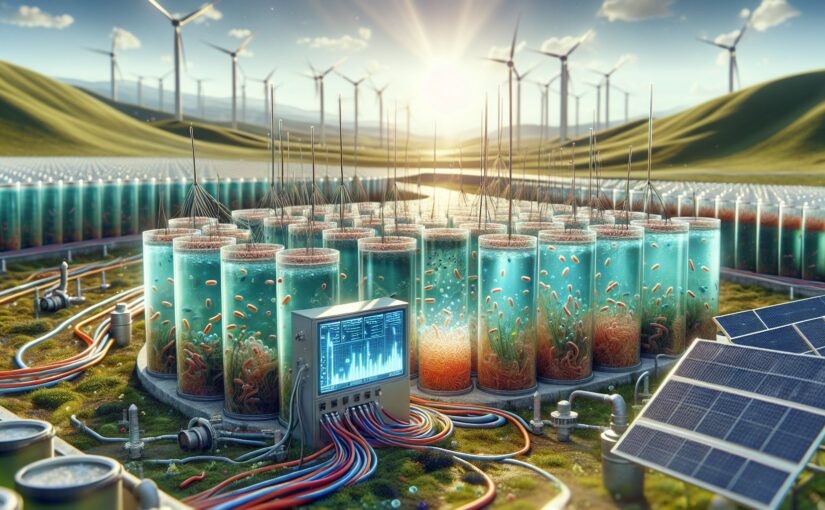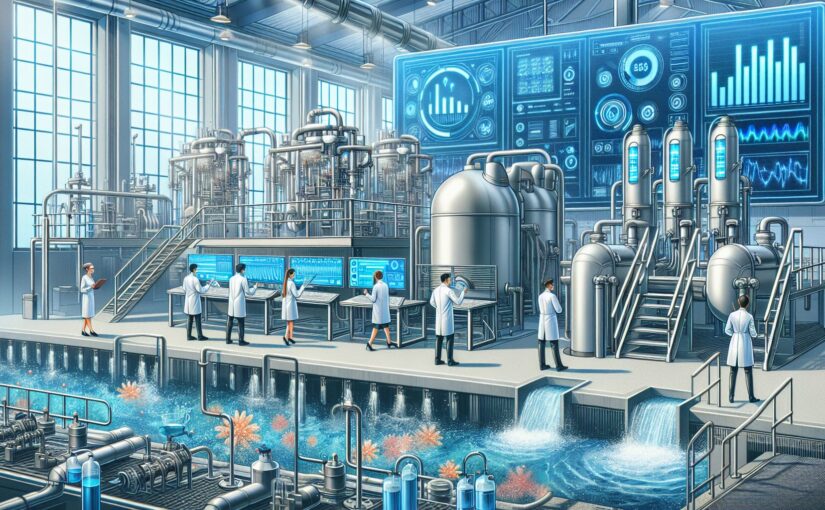
In our time, the growing concerns over energy sustainability and environmental conservation have propelled the scientific community towards innovative solutions to address both issues concurrently. Among the plethora of hopeful technological advances, Microbial Fuel Cells (MFCs) stand out as an exceptional bridge between waste treatment and renewable energy generation. This leap towards futuristic waste management is not just about environmental redemption but an eco-conscious strategy to extract value from wastewater by transforming it into bioelectricity. With this in mind, renewable energy from wastewater is a promising keyword that unfolds the story of energy scarcity turning into an avenue for innovation.
Introduction to Microbial Fuel Cells (MFCs)
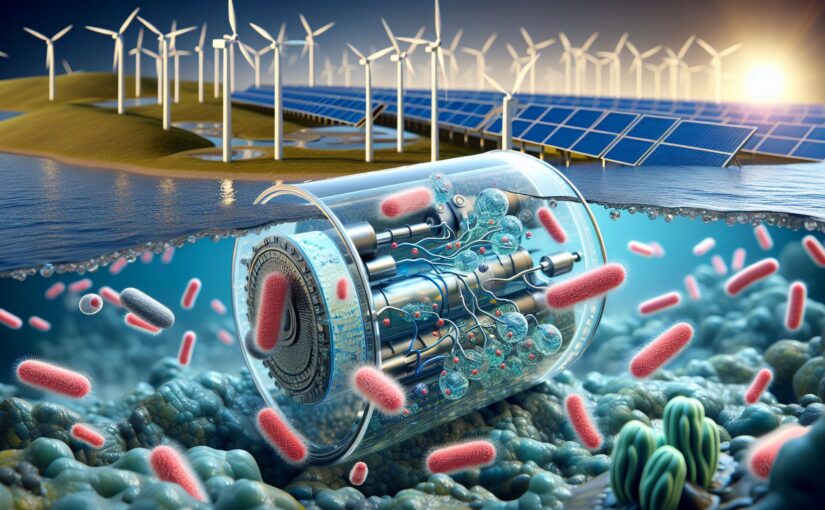
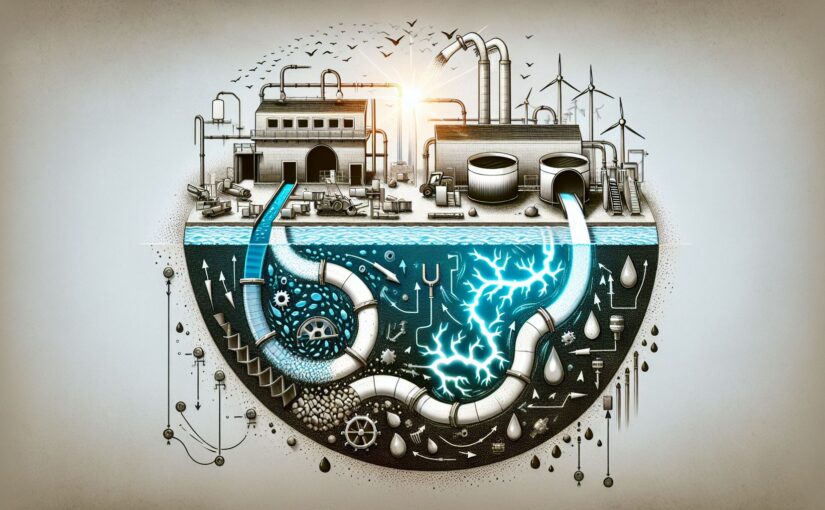
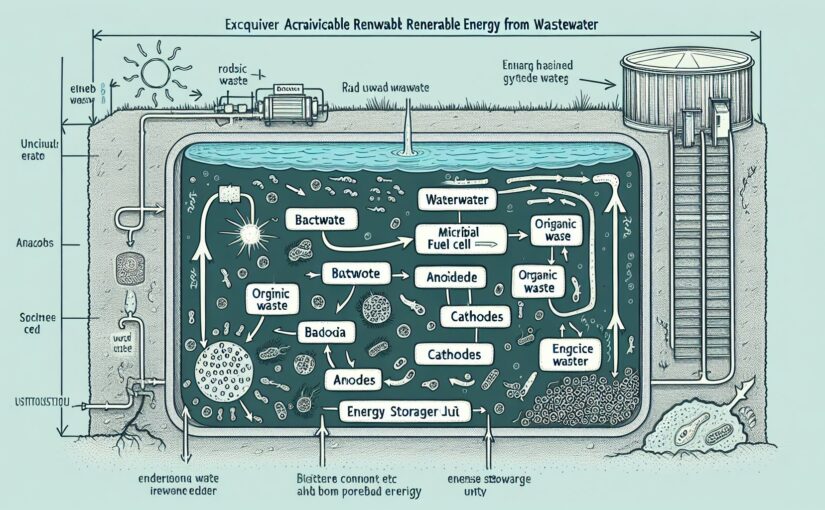
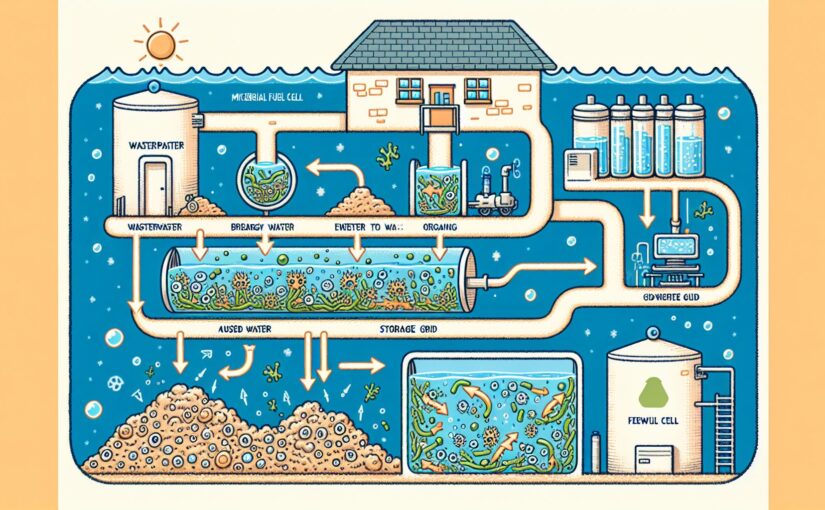
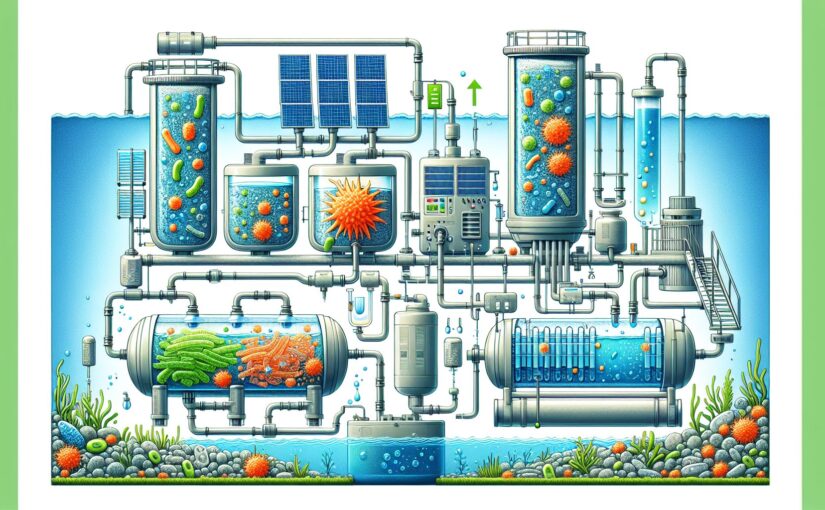
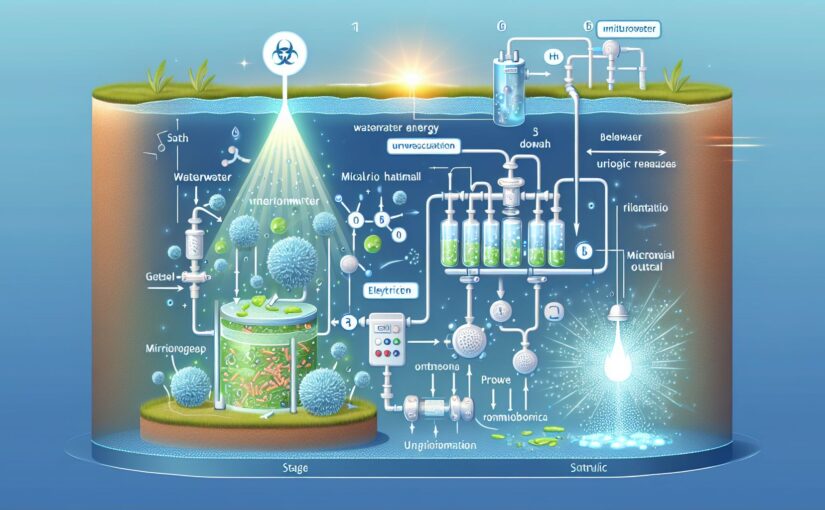
Microbial fuel cells, at their core, are bio-electrochemical systems that harness the power of electroactive bacteria to oxidize organic substances in wastewater, consequently generating electricity. The fundamental process at play involves bacteria adhering to the anode, breaking down organic matter, and transferring electrons to the anode surface. These electrons then travel through an external circuit to the cathode, producing an electric current along the way.
The potential of MFCs in renewable energy generation is vast, considering the amount of wastewater produced globally. By converting the organic materials in wastewater into electricity, MFCs not only provide a clean energy solution but also significantly reduce the environmental impact of waste disposal.
The Science Behind MFCs for Wastewater Treatment
Electroactive Wastewater Bacteria
The heart of an MFC lies in its biological catalysts – the electroactive bacteria. These microorganisms, often referred to as exoelectrogens, have the unique capability to transfer electrons outside their cells to an electrode. In the context of wastewater, these bacteria leverage the organic matter as a feedstock, breaking it down through metabolic processes that result in electron flow.
Exoelectrogens in Wastewater
Exoelectrogens are the star players in MFCs. These bacteria species, like Shewanella oneidensis or Geobacter sulfurreducens, are capable of transferring electrons directly to the anode or through conductive pili known as nanowires. Their efficiency in electron transfer is central to the overall performance of MFCs and a hot topic in current research.
Electron Transfer Mechanisms in Wastewater
The mechanics behind electron transfer in MFCs can be quite complex, involving multiple pathways. Direct electron transfer, as the name suggests, is when the bacteria form a physical connection with the electrode. Indirect transfer, on the other hand, may involve soluble mediators that shuttle electrons to the electrode. Understanding and enhancing these mechanisms is pivotal for improving the efficiency of microbial fuel cells.
Advantages of MFCs in Wastewater Treatment
Renewable Energy Generation
One of the most significant benefits of using MFCs for wastewater treatment is the generation of clean, renewable energy. Unlike conventional fossil fuels, the energy produced through MFCs does not involve burning or release of harmful emissions.
Wastewater Substrate Degradation
MFCs are particularly adept at degrading the organic substrates found in wastewater. This not only generates electricity but also cleans up the waste, potentially reducing the need for additional treatment processes.
Reduced Ecological Footprint
Wastewater treatment can be energy-intensive, often relying on methods that contribute to environmental pollution. MFCs, on the other hand, provide a green alternative with a significantly lower ecological footprint, contributing less to air and water pollution.
Challenges and Innovations in the Field of MFCs
Scaling Up Wastewater MFCs
Perhaps the most prominent challenge faced by the MFC industry is scalability. Laboratory-scale models work efficiently, but translating these results to a larger, community-scale operation has proven to be complex.
Electrode Materials for Wastewater MFCs
The search for optimal electrode materials is also an ongoing challenge. High surface area, conductivity, and biocompatibility are paramount for efficient electron transfer. Carbon-based electrodes, such as carbon cloth and carbon paper, are popular due to their properties and relatively low cost.
Power Density and Coulombic Efficiency in Wastewater MFCs
These are key performance indicators for MFCs. Power density refers to the electric power generated per unit volume of the reactor, while coulombic efficiency measures the percentage of electrons from the substrate that are captured as electricity. Ongoing research is focused on maximizing both these factors.
Case Studies and Real-World Applications
Plant-Microbial Fuel Cells in Wastewater
Combining plant science and MFCs, Plant-Microbial Fuel Cells explore synergies between plant root systems and bacteria to enhance electron production. The plants provide organic matter through root exudates, further supporting the bacteria at the anode.
Microbial Electrolysis Cells for Wastewater
Similar to MFCs, Microbial Electrolysis Cells (MECs) can produce hydrogen gas as a by-product, offering an additional renewable energy resource in conjunction with electricity generation.
Continuous Flow Wastewater MFCs
Continuous flow systems seek to improve upon the batch MFCs by constantly supplying fresh wastewater to the system, potentially leading to uninterrupted power generation and a more realistic industrial application.
Future Perspectives
The future of MFCs in wastewater treatment is filled with opportunity. The persistent push towards cleaner energy solutions and efficient waste management practices propels the technology forward. Developments in materials science, biotechnology, and engineering will be critical in surmounting the current limitations and making MFCs a standard in sustainable practices.
Innovation in Electrode Design
The development of new electrode materials or configurations is crucial. Catalyst-coated electrodes and three-dimensional structures offer a new horizon in electron transfer efficiency.
Implementation in Developing Regions
MFC technology could be particularly transformative for developing regions where traditional wastewater treatment infrastructure is lacking, offering a dual solution for waste management and energy scarcity.
Policy and Economic Considerations
For widespread adoption, supportive policy frameworks and economic incentives could play a major role. Encouraging investments in sustainable technologies and recognizing the long-term benefits of MFCs will be instrumental in their rollout.
Conclusion
The quest to harness renewable energy from wastewater through microbial fuel cells encapsulates not just an energy solution but a new environmental ethos. This frontier of scientific advancement delivers the prospect of a paradigm shift in how we manage waste and produce energy. With continued research and development, MFCs have the potential to be a key player in the future of sustainable energy and responsible waste management.
Sources
- Logan, B. E. (2008). Microbial Fuel Cells. John Wiley & Sons.
- Pant, D., Van Bogaert, G., Diels, L., & Vanbroekhoven, K. (2010). A review of the substrates used in microbial fuel cells (MFCs) for sustainable energy production. Bioresource Technology, 101(6), 1533–1543.
- He, Z., & Mansfeld, F. (2009). Exploring the use of electroactive bacteria for bioenergy: the influence of electrode material on electricity production in microbial fuel cells. Bioresource Technology, 100(11), 2918–2925.
While microbial