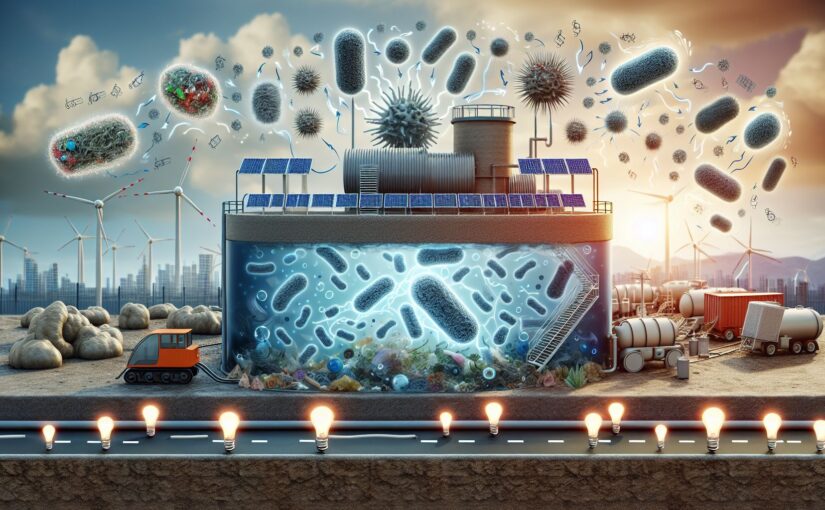
Wastewater treatment is a critical component of modern infrastructure, ensuring that water is cleaned and purified before being returned to the environment or reused. However, traditional wastewater treatment processes often require significant amounts of energy and can produce greenhouse gases. A novel approach to wastewater treatment that not only reduces these impacts but also recovers energy comes in the form of microbial fuel cells (MFCs). In this comprehensive article, we’ll delve into the promising technology of MFCs, focusing on how they work, their potential for energy recovery, and current challenges and advancements in the field.
What are Microbial Fuel Cells?
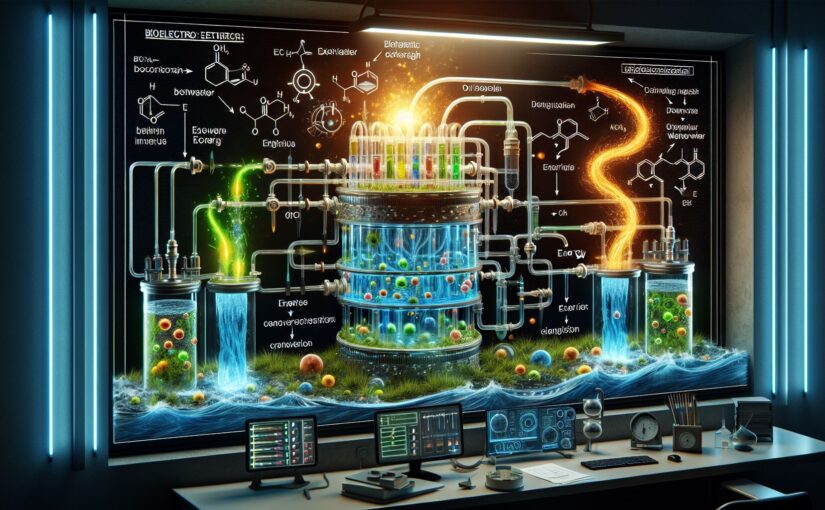
Microbial fuel cells (MFCs) are bio-electrochemical systems that harness the metabolic processes of microorganisms to convert organic matter in wastewater into electrical energy. By providing a direct pathway for electron transfer from the metabolic activities of electroactive bacteria, MFCs facilitate the generation of bioelectricity, transforming waste into watts.
Electroactive Wastewater Bacteria
At the heart of MFC technology are electroactive bacteria, also known as exoelectrogens. These microorganisms are capable of transferring electrons to an external solid acceptor, such as an electrode, during their normal respiration processes. Notable examples of these bacteria include Shewanella oneidensis and Geobacter sulfurreducens. They utilize the organic compounds in the wastewater as their energy source and, in the process, release electrons that can be harvested as electricity.
The Components of MFCs
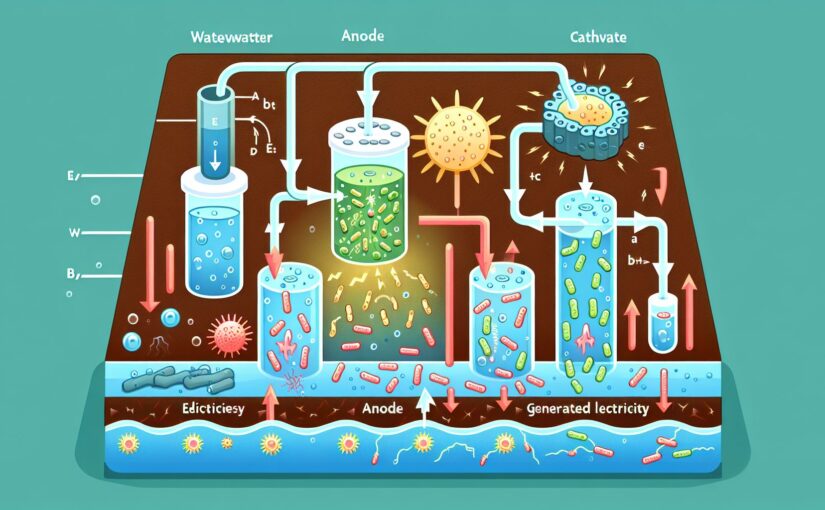
MFCs primarily consist of two compartments: the anode and the cathode, typically separated by a proton exchange membrane. The anode compartment houses the bacterial biofilm where organic matter is oxidized, releasing electrons and protons. These components are separated into:
-
Wastewater Bioanode: The bioanode is the heart of an MFC. Just as in other batteries, the anode in an MFC is where oxidation occurs. Electroactive bacteria congregate on the surface of the anode electrode, forming a biofilm. As these bacteria consume organic matter from the wastewater, they transfer electrons to the anode.
-
Proton Exchange Membrane (PEM): The PEM is a key component in many MFC designs. It allows protons generated at the anode to pass through to the cathode compartment while preventing the direct flow of electrons.
-
Wastewater Biocathode: At the cathode, protons and electrons combine with oxygen from the air to form water, completing the electrical circuit.
How MFCs Generate Electricity
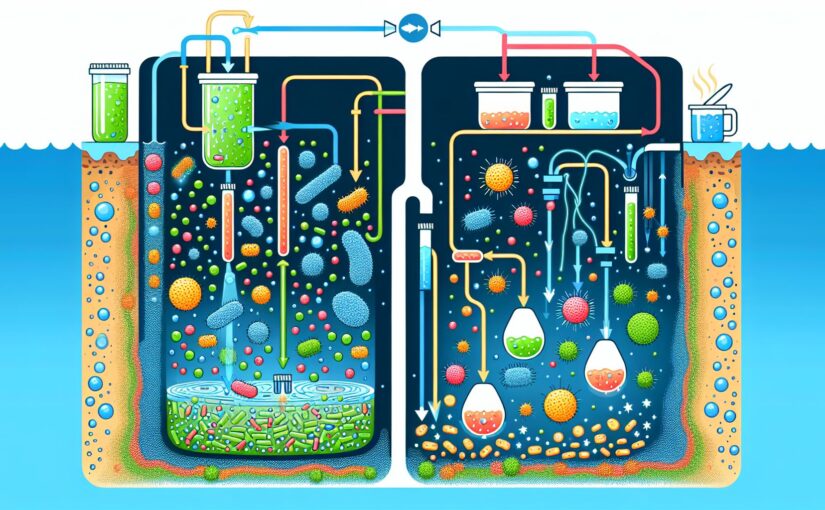
MFCs facilitate a form of extracellular electron transfer where electrons generated by the bacteria during metabolism are shuttled to the anode. This process can happen through direct contact with the electrode or via natural bacterial electron shuttles known as “mediators,” giving rise to two main types of MFCs:
-
Mediator-less MFCs: These rely on bacteria that can directly transfer electrons to the anode without requiring any mediators. The proximity of microorganisms to the electrode and the nature of the biofilm are crucial for efficient electron transfer in these systems.
-
Mediator-based MFCs: In these MFCs, mediators, which are often redox-active compounds, help ferry electrons from bacteria to the electrode. While mediator-based MFCs can utilize a broader range of microbial species, they can be less efficient and more complex due to the requirement of the mediator compound.
The Benefits of MFCs for Wastewater Treatment
The main advantages of MFCs in treating wastewater are:
-
Renewable Energy Recovery: MFCs can convert the chemical energy present in wastewater into electricity, turning a waste disposal challenge into a source of renewable energy.
-
Reduced Sludge Production: Conventional treatment processes often generate significant amounts of sludge requiring further processing. MFCs can potentially reduce the volume of sludge produced due to the direct conversion of organic matter to electricity.
-
Lower Greenhouse Gas Emissions: By avoiding the need for energy-intensive aeration and potentially decreasing methane production from anaerobic processes, MFCs can lead to a smaller carbon footprint for wastewater treatment operations.
Performance Metrics of MFCs
For practical applications, the performance of an MFC is often evaluated based on several key metrics:
-
Power Density: This measures the amount of electrical power generated per unit volume or area of the reactor and is a critical parameter for assessing the energy recovery potential of MFCs.
-
Coulombic Efficiency: The coulombic efficiency is the ratio of the total charge transferred to the anode to the theoretical maximum charge possible based on the amount of substrate oxidized. It indicates how effectively the MFCs convert available substrates into electrical energy.
-
Polarization Curve: The polarization curve of an MFC maps the relationship between the voltage across the cell and the current it produces. This curve helps in understanding the cell’s performance characteristics and identifying areas of loss within the system.
The Challenges Ahead
Scaling up MFC technology from laboratory prototypes to full-scale wastewater treatment systems poses several challenges:
-
Electrode Materials: Selecting and developing cost-effective and efficient electrode materials is crucial for the commercial viability of MFCs. Carbon-based and catalyst-coated electrodes are commonly researched for their favorable properties and performance.
-
System Design: For MFCs to be practically applied in wastewater treatment, their designs must ensure not only robust bioelectricity generation but also compatibility with existing infrastructure. Continuous flow systems, stacked configurations, and integration with sediment or plant-microbial fuel cells are areas of intensive study.
-
Economic Factors: The cost-effectiveness of MFCs, compared to traditional treatment methods, is still a barrier. Further advancements in MFC design and material science may help reduce costs to competitive levels.
Future Prospects
The integration of MFCs into wastewater treatment could redefine how we approach sanitation and power generation. Advancements in microbial electrolysis cells, microbial desalination cells, and biosensors offer a glimpse into a future where wastewater facilities are not only cleanup hubs but also energy production plants and innovation centers.
Conclusion
Microbial fuel cells offer a dual solution to the challenges of wastewater treatment and sustainable energy generation. By leveraging the natural processes of electroactive bacteria, MFCs can transform organic pollutants into clean electricity. Although hurdles remain in terms of scalability and cost, the continuous research and development in this dynamic field pave the way for MFCs to play a pivotal role in the future of clean technology.
Sources
- Logan, B. E. (2009). “Exoelectrogenic bacteria that power microbial fuel cells”. Nature Reviews Microbiology, 7(5), 375-381. https://doi.org/10.1038/nrmicro2113
- Rabaey, K., & Rozendal, R. A. (2010). “Microbial electrosynthesis — revisiting the electrical route for microbial production”. Nature Reviews Microbiology, 8(10), 706-716. [https://doi.org/10.1038