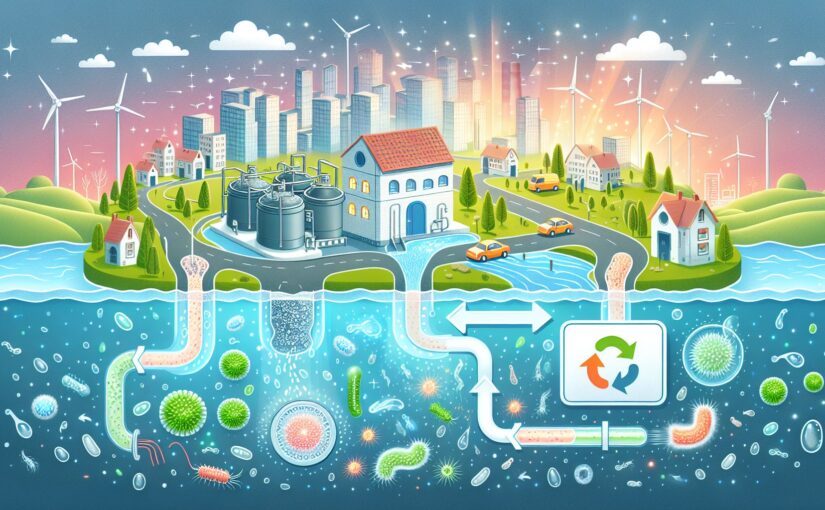
Renewable Energy from Wastewater: Unlocking the Potential

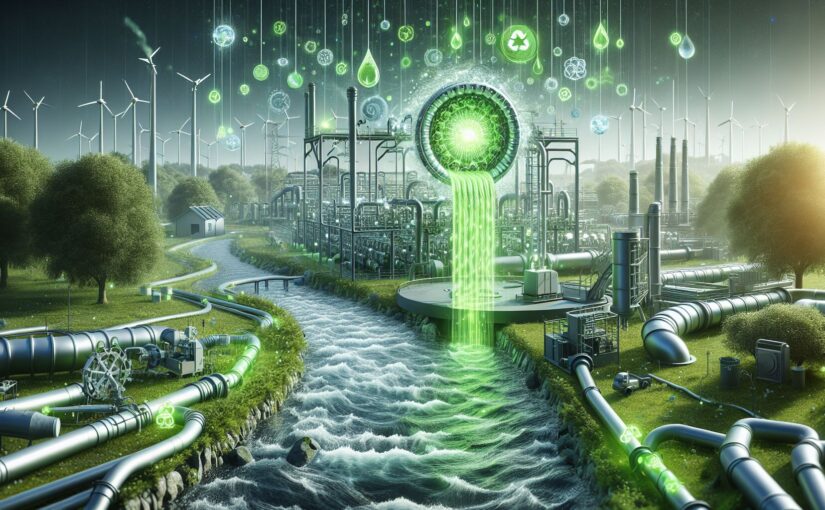
In the quest for sustainable and environmentally friendly energy sources, one resource is often overlooked—wastewater. The concept of harnessing energy from wastewater isn’t just a novel idea; it’s a practical solution to two pressing problems: the need for efficient wastewater treatment and the demand for renewable energy. In this in-depth article, we delve into the potential of renewable energy generation from wastewater, focusing on the principles, technologies, and challenges associated with this innovative approach.

What is Wastewater and Why is it Valuable?

Wastewater is water that has been “used” in some way, typically from households, industries, and agriculture. It contains a variety of substances such as human waste, food scraps, oils, soaps, and chemicals. In its raw form, it poses a threat to both human health and the environment. However, within this waste lies the untapped potential for energy recovery through the harnessing of the chemical energy stored in the organic matter.

Harnessing Energy from Wastewater

The idea of extracting energy from wastewater centers around the conversion of the organic matter into electricity, heat, or biogas. This is primarily done through biological processes in which microorganisms break down the organic pollutants and simultaneously produce energy. One of the most promising technologies for this purpose is the Microbial Fuel Cell (MFC).

Microbial Fuel Cells (MFCs)

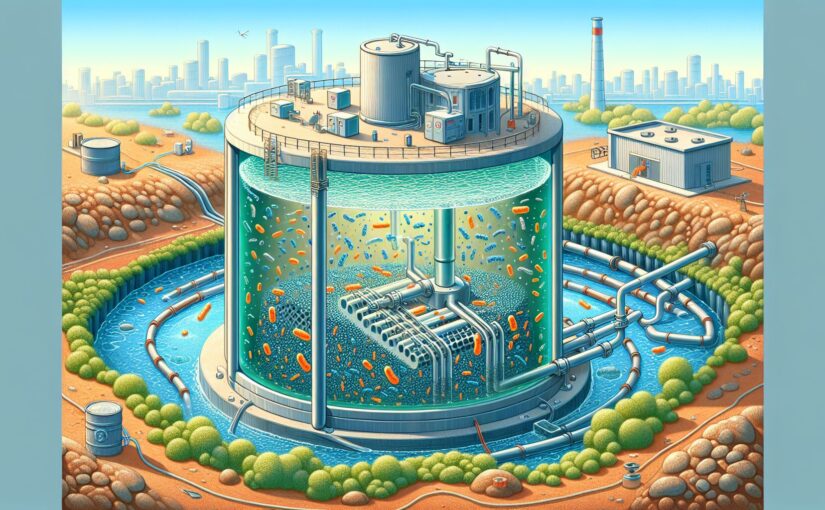
Microbial fuel cells are devices that use bacteria to convert organic matter into electrical energy. They consist of two chambers, the anode and the cathode, separated by a membrane. In the anode chamber, electroactive bacteria metabolize organic substances from the wastewater, releasing electrons and protons in the process. The electrons travel through an external circuit to the cathode, generating an electric current, while the protons pass through the proton exchange membrane to the cathode chamber.

Bioelectricity Generation

The electron flow from the anode to the cathode represents the generation of bioelectricity. By connecting the circuit to an electrical load, this electron flow can be harnessed to power devices or, on a larger scale, contribute to the electrical grid.

Renewable Aspect

The beauty of MFCs lies in their ability to generate electricity from a renewable source—wastewater. As long as there is wastewater, there is potential fuel for these cells, making it a perpetually renewable energy source.

Challenges and Considerations

Though MFC technology is promising, significant challenges remain before widespread adoption is feasible:

  • Power Density: The amount of power an MFC can produce per unit of volume or surface area is an essential factor in determining its practicality. Current MFCs have relatively low power densities, which hinders their ability to compete with other forms of renewable energy.

  • Scaling Up: Transitioning MFCs from laboratory settings to full-scale treatment facilities requires overcoming several technical, economic, and regulatory hurdles.

  • Cost: The materials and construction of MFCs can be costly, affecting the overall viability and cost-effectiveness of the technology.

  • Efficiency: The efficiency with which MFCs convert organic matter into electricity, known as Coulombic efficiency, needs to be improved to maximize energy recovery.

Technological Innovations

To address the challenges, researchers and engineers continue to innovate:

  • Electrode Materials: Carbon-based electrodes and catalyst-coated electrodes offer varying benefits in cost and efficiency. Experimentation with these and other materials is ongoing.

  • Stacked MFCs: Stacking multiple MFCs can increase power output and process efficiency, making the systems more suitable for larger-scale operations.

  • Continuous Flow MFCs: Integrating MFCs into existing wastewater treatment processes in a continuous flow system could enhance practical applicability.

The Road Ahead

The transformation of wastewater treatment into a source of renewable energy through MFCs can fundamentally change how we approach both waste management and energy production. However, it requires ongoing research, development, and societal acceptance.

The potential environmental and economic benefits are significant:

  • Reduced Emissions: By treating wastewater and generating renewable energy, MFCs can reduce methane emissions from wastewater and offset fossil fuel consumption.

  • Energy Recovery: The possibility to recover a portion of the energy used for wastewater treatment.

  • Water Quality: Improved water quality due to efficient degradation of organic contaminants.

  • Resource Recovery: The potential to recover other valuable resources from wastewater during the treatment process, such as nutrients for fertilizers.

Sources

To deepen your understanding of renewable energy generation from wastewater, consider exploring the following sources:

  1. Logan, B. E. (2008). Microbial Fuel Cells. John Wiley & Sons. https://www.wiley.com

  2. Rabaey, K., & Verstraete, W. (2005). Microbial fuel cells: novel biotechnology for energy generation. Trends in Biotechnology, 23(6), 291-298. https://pubmed.ncbi.nlm.nih.gov/15922018/

  3. Pant, D., Van Bogaert, G., Diels, L., & Vanbroekhoven, K. (2010). A review of the substrates used in microbial fuel cells (MFCs) for sustainable energy production. Bioresource Technology, 101(6), 1533-1543. https://www.sciencedirect.com/science/article/pii/S0960852409011851

In summary, by understanding, supporting, and investing in the development of technologies such as MFCs, we pave the way toward a greener and more sustainable future where energy recovery from wastewater becomes a cornerstone of both waste management and energy production systems.
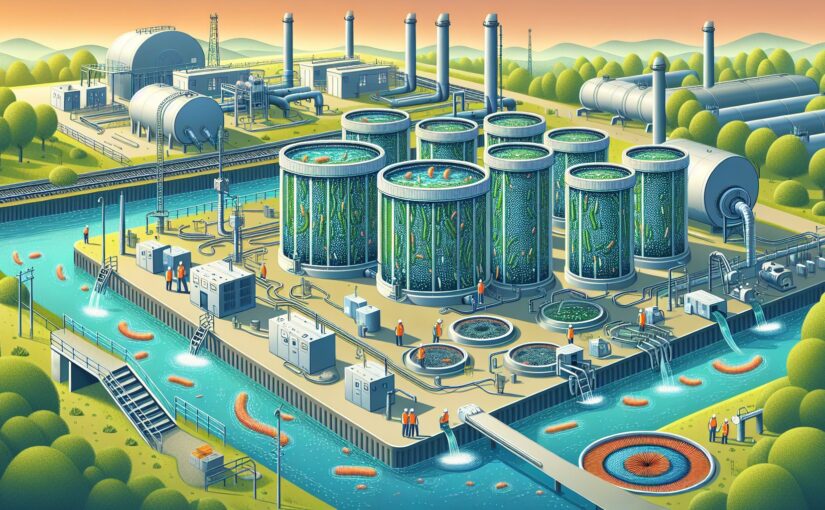
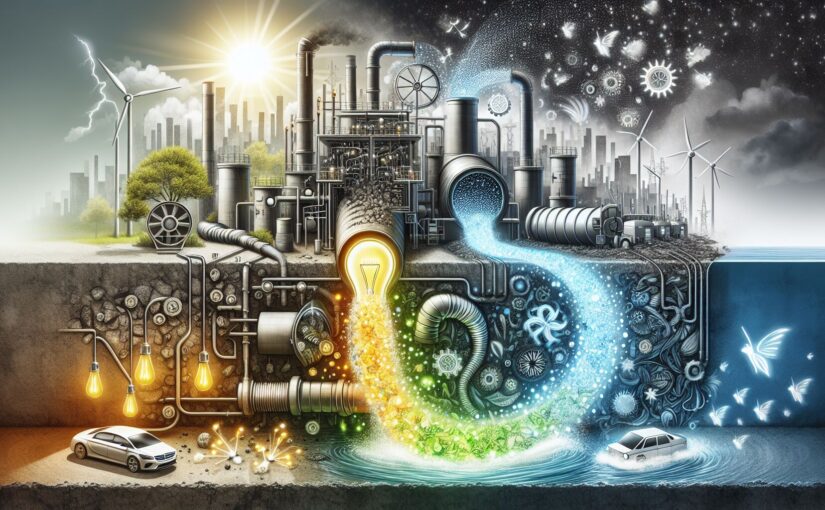
Microbial Fuel Cells for Wastewater Treatment: Renewable Energy and Beyond

The quest for sustainable wastewater treatment and renewable energy sources has led to the advent of various innovative technologies. One such promising technology that stands at the confluence of environmental sustainability and renewable energy generation is Microbial Fuel Cells (MFCs) for wastewater treatment. This article delves deep into the concepts and applications of MFCs, unpacking the potential they hold for revolutionizing the way we approach wastewater management and energy production.

Introduction to Microbial Fuel Cells

Microbial Fuel Cells (MFCs) are bio-electrochemical systems that harness the metabolic processes of microorganisms to convert organic substrates present in wastewater into electrical energy. The concept, though revolutionary, is not new. It dates back to the early 20th century when the first MFC was reported. However, it is only in recent decades that the potential of MFCs in wastewater treatment and energy generation has been rigorously explored.

How MFCs Work

At their core, MFCs consist of two compartments, the anode and the cathode, separated by a proton exchange membrane (PEM). Electroactive bacteria, often found in wastewater, colonize the anode chamber where they break down organic matter. During this process, they transfer electrons to the anode, effectively “exhaling” electricity. Electrons then travel through an external circuit to the cathode chamber, where they combine with protons (which have crossed the membrane from the anode side) and an electron acceptor such as oxygen to form water.

Benefits of MFC Technology

The benefits of MFCs are multi-layered:

  • Renewable Energy Production: The electricity produced is renewable as it harnesses energy from organic waste.
  • Wastewater Treatment: They can effectively reduce the organic load and pollutants in wastewater.
  • Low Energy Requirement: Traditional wastewater treatment is energy-intensive, whereas MFCs can potentially operate self-sufficiently.
  • By-product Reduction: Unlike conventional treatment methods, MFCs minimize the production of sludge, a by-product that requires further processing.

The Potential of Renewable Energy from Wastewater

Imagine a world where wastewater treatment plants do more than just clean our water – they generate electricity in the process. MFCs make this possible. They offer a unique way to tap into the energy that would otherwise be lost in the treatment process, thereby offsetting the energy footprint of the facility. According to studies, the wastewater industry could meet up to 12% of its energy demand through the implementation of MFC technology.

Bioelectricity Generation from Wastewater

The bioelectricity generated from MFCs, although not yet comparable to traditional power plants, is sufficient for low-power applications. This can include powering sensors and remote monitoring equipment in treatment facilities. With advancements in the technology and scale, the electric output can be ramped up, making the process even more economically viable.

Challenges in MFC Technology

Scalability and efficiency still pose significant challenges for MFCs. Power density, coulombic efficiency, electrode materials, and the configuration of MFC systems are among the factors that require optimization for the technology to become mainstream.

Power Density in Wastewater MFCs

The power density of an MFC determines its electrical output per unit volume or area. This is a critical factor when considering the application of MFCs for practical purposes. Current research focuses on improving power density by enhancing electrode materials and system design.

Coulombic Efficiency in Wastewater MFCs

Coulombic efficiency refers to the proportion of electrons harvested as electric current relative to the total electrons available from the substrate. Higher coulombic efficiency means more efficient electricity generation.

Electrode Materials for Wastewater MFCs

The selection of electrode materials greatly impacts the performance of MFCs. Materials need to be conductive, biocompatible, and durable. Advances in carbon-based and catalyst-coated electrodes are making significant strides in improving the effectiveness of MFCs.

Scaling Up MFC Technology

For MFCs to be considered for widespread use, they must transition from laboratory-scale models to industrial applications. Scaling up involves designing continuous flow systems, stacked configurations for increased surface area, and ensuring the stability and integrity of the system over time.

Continuous Flow Wastewater MFCs and Stacked Configurations

Continuous flow MFCs are designed to operate with a constant influx of wastewater, which is more realistic for real-world applications compared to the batch systems often used in research. Stacked configurations, where multiple MFC units are piled vertically or horizontally, increase the active surface area, leading to enhanced performance.

Future Perspectives and Applications

Beyond wastewater treatment, MFCs have potential applications in areas such as biosensors, where they can detect pollutants in water, and in bioremediation, where they can help to clean up contaminated water bodies. Research has extended to other variants such as microbial electrolysis cells for hydrogen production and microbial desalination cells for water desalination.

The Role of MFCs in Environmental Monitoring and Cleanup

Biosensors based on MFC technology offer a sustainable and continuous monitoring solution for various pollutants. Coupled with their ability to treat wastewater, they hold promise for protecting our water bodies from further contamination.

Advancements in MFC Variants

  • Microbial Electrolysis Cells: These cells are similar to MFCs but are used to produce hydrogen gas from organic substrates.
  • Microbial Desalination Cells: These novel systems aim to integrate wastewater treatment with the desalination process, providing a dual benefit.

Conclusion

Microbial Fuel Cells for wastewater treatment embody a symbiotic blend of environmental and energy sustainability. By understanding and harnessing the metabolic processes of microorganisms, we can turn wastewater treatment plants into renewable energy powerhouses. Despite the challenges that lay ahead, the progress in this field holds the keys to unlocking a future where clean water and clean energy go hand in hand.

Sources

  1. “Bioelectrochemical Systems (BES) for Sustainable Energy Production and Wastewater Treatment,” by Korneel Rabaey and Willy Verstraete, Water Research, 2005.
  2. “Electricity Generation from Wastewater Treatment using Microbial Fuel Cells,” by Bruce E. Logan and John M. Regan, Environmental Science & Technology, 2006.
  3. “Scaling up Microbial Fuel Cells and Other Bioelectrochemical Systems,” by Roland D. Cusick and Bruce E. Logan, Applied Microbiology and Biotechnology, 2010.

Implementing MFCs on a grander scale and integrating them into our current wastewater infrastructure poses a myriad of technical, economic, and policy challenges. However, as we shift towards enhancing sustainability in all sectors, the allure of clean water and electricity from an abundant and untapped resource—wastewater—is an exciting prospect that promises to contribute significantly to our sustainable future.

Renewable Energy from Wastewater: Towards a Sustainable Future

The connection between wastewater management and renewable energy may not be immediately apparent, but innovative technologies have started to bridge these two crucial sectors. One of the most promising developments in this field is the extraction of renewable energy from wastewater. This concept not only represents a significant leap towards sustainable energy but also offers a unique solution to the management of wastewater.

Introduction

In the face of global energy demands and environmental concerns, renewable energy has risen as a key player in the quest for sustainable sources. Wastewater – an inevitable byproduct of human activity, rich in organic substances – has been identified as a potential goldmine for renewable energy. How do we transform what has traditionally been a waste disposal challenge into a renewable energy resource? This article delves into the technology, processes, and potentials of generating renewable energy from wastewater.

The Potential of Wastewater as a Renewable Energy Source

Wastewater contains organic matter that can be broken down and converted into energy. While traditional methods of wastewater treatment focus on removing harmful substances to produce clean water, new approaches aim at harnessing the embedded energy during this process. The anaerobic digestion of sludge, for example, produces biogas, which can be used for heating, electricity generation, or as a vehicle fuel. Furthermore, advancements in microbial fuel cell technology now allow for the direct conversion of the chemical energy present in wastewater into electrical energy, with fewer intermediate steps.

Microbial Fuel Cells: A Core Technology

Microbial Fuel Cells (MFCs) represent a promising technology for directly harvesting electrical energy from wastewater. MFCs utilize electroactive bacteria to oxidize organic compounds, releasing electrons in the process. These electrons travel through a circuit, generating an electric current. The process is not only cleaner compared to combustion but also occurs at ambient temperatures, making it energy-efficient and environmentally-friendly.

Working Principle of MFCs

The basic components of an MFC include an anode, cathode, proton exchange membrane (PEM), and an external circuit. At the anode, electroactive bacteria – often termed exoelectrogens – break down the organic matter in wastewater. The electrons released from this process are transferred to the anode, travel through the external circuitry, and reach the cathode, where they participate in reactions that often combine these electrons with protons and oxygen to form water. The movement of electrons from anode to cathode generates electrical current, harnessing the chemical energy from the wastewater.

Benefits and Challenges of MFCs

MFCs offer the dual benefits of wastewater treatment and electricity generation, making them a significant step towards sustainable wastewater management. However, they are not without challenges. MFCs currently face technological limitations such as lower power densities compared to traditional power sources and difficulties in scaling up designs for practical, large-scale applications.

Advances in MFC Technology

Recent research is focused on improving the efficiency and scalability of MFCs. New materials for electrodes, such as carbon nanotubes and graphene, have shown to improve electricity conduction and durability. Developments in biocatalyst research have identified more efficient strains of electroactive bacteria. All these advances aim to optimize the electron transfer mechanisms and boost the overall energy output of MFCs.

Capturing Biogas from Anaerobic Digestion

Apart from MFCs, anaerobic digestion (AD) is another well-established process that contributes to renewable energy generation from wastewater. During AD, complex organic compounds in wastewater are converted into biogas by the action of a microbial consortium in the absence of oxygen. The biogas, primarily methane, can be captured and used to generate electricity or heat.

Efficiency and Sustainability of AD

The AD process is quite efficient in terms of energy recovery and has a smaller carbon footprint compared to traditional wastewater treatment methods. The sludge left over from the process is also rich in nutrients and can be used as a fertilizer, exemplifying a circular approach to waste and energy management.

Integration with Other Renewable Energy Systems

To further maximize energy recovery from wastewater, biogas and MFC technologies can be integrated with other renewable energy systems, such as wind and solar power. This synergy could lead to more robust and reliable energy generation systems that can provide clean energy even in off-grid circumstances or during fluctuations in other renewable sources.

Future Directions

The field of renewable energy from wastewater is rapidly evolving, and future research is likely to bring more breakthroughs. Areas such as genetic engineering of electroactive bacteria, advanced reactor designs for larger-scale operations, and improved MFC constructions offer potential pathways for enhancing the feasibility and efficiency of these systems.

Conclusion

Transforming wastewater into a source of renewable energy is an exciting and innovative approach to energy generation and waste management. Through technologies like MFCs and AD, we have the potential to tap into an abundant and untapped energy source, while simultaneously addressing the global need for clean water and sanitation. The pursuit of renewable energy from wastewater is an epitome of sustainability, elegantly turning an environmental challenge into a resource that can drive our economies in a green, circular direction.

Sources

  1. Logan, B. E., Hamelers, B., Rozendal, R., Schroder, U., Keller, J., Freguia, S., … & Rabaey, K. (2006). Microbial fuel cells: methodology and technology. Environmental Science & Technology, 40(17), 5181-5192. doi: 10.1021/es0605016.

  2. Rittmann, B. E., Lee, H. S., Zhang, H., Alder, J., Banaszak, J., & Lopez, R. (2008). Full-scale and pilot-scale anaerobic digestion of municipal sludge: comparison of performance, kinetics, and energy recovery. Water Environment Research, 80(4), 297-306. doi: 10.2175/106143007X221469.

  3. Sleutels, T. H. J. A., Ter Heijne, A., Buisman, C. J. N., & Hamelers, H. V. M. (2009). Bioelectrochemical systems: An outlook for practical applications. ChemSusChem, 2(6), 397-405. doi: 10.1002/cssc.200900036.

Renewable Energy from Wastewater: Harnessing Bioelectrochemical Systems

In the quest for sustainable and environment-friendly energy resources, scientists and engineers have turned their attention to one of the most unexpected places: wastewater. Wastewater is abundant and continuously produced by human activities, but rather than being just a waste product, it can be a valuable resource for renewable energy generation. In this context, renewable energy from wastewater has emerged as a promising frontier in clean technology.

Understanding Wastewater Bioelectrochemical Systems

Bioelectrochemical systems (BES) provide a remarkable process by which microorganisms can convert organic matter in wastewater into electricity. The heart of a BES is the microbial fuel cell (MFC), which leverages the metabolic processes of electroactive bacteria to directly generate electric current. These bacteria, also known as exoelectrogens, can transfer electrons outside their cell membranes during the breakdown of organic substrates. This electron transfer is harnessed in MFCs, essentially turning wastewater treatment plants into power generators.

Electroactive Wastewater Bacteria and Exoelectrogens in Wastewater

Understanding the role of electroactive wastewater bacteria is crucial in optimizing the efficiency of BES. These bacteria are a specialized group capable of “breathing” metal oxide surfaces of electrodes instead of oxygen or other soluble electron acceptors in their environment. Exoelectrogens in wastewater can adhere to an electrode (the anode) and donate electrons they obtain from the organic compounds in wastewater. By capturing these electrons, we are essentially intercepting a part of the bacterial respiration process to produce electricity.

Anode Respiring Wastewater Bacteria and the Wastewater Bioanode

The bioanode is the electrode where the anode respiring wastewater bacteria oxidize the organic matter and transfer the resulting electrons. The efficiency of the bioanode is paramount, as it directly affects the overall power output of the MFC. It depends on various parameters, including the surface area, material, and the interface between the bacteria and the electrode.

Electron Transfer Mechanisms in Wastewater

Electron transfer is at the core of energy production in BES. Electron transfer mechanisms in wastewater can occur via direct contact between bacteria and the electrode or through mediators that shuttle electrons from bacteria to the electrode. Mediator-based wastewater MFCs employ artificial mediators, while mediator-less wastewater MFCs rely on bacteria that can transfer electrons directly to the electrode or use natural mediators.

Wastewater Substrate Degradation and Microbial Fuel Cells for Wastewater Treatment

When discussing wastewater substrate degradation, it refers to the breakdown of organic compounds in wastewater by bacteria. As these substrates are degraded in microbial fuel cells, not only is electrical energy produced, but the wastewater itself is treated, leading to a cleaner effluent. Microbial fuel cells for wastewater treatment therefore offer a dual advantage of energy recovery and pollutant reduction.

Renewable Energy from Wastewater: A Dual Benefit System

The notion of renewable energy from wastewater encompasses both the generation of electric power and the treatment of wastewater. By using BES, the organic load of wastewater is reduced lessening the environmental impact while producing a stream of renewable energy.

Bioelectricity Generation from Wastewater

Bioelectricity generation from wastewater is a fascinating process that promises to revolutionize the way we approach energy production and wastewater treatment. The microbial breakdown of organic matter releases electrons that can be harnessed as a form of electric power, which is not only renewable but also helps mitigate the emission of greenhouse gases.

Power Density and Coulombic Efficiency in Wastewater MFCs

Power density in wastewater MFCs is a measure of the electric power that can be produced per unit volume of the reactor, while Coulombic efficiency in wastewater MFCs is the fraction of electrons from the substrate that ends up as electrical current. Both are critical parameters for evaluating the performance of MFCs and are influenced by factors such as electrode materials, reactor design, and operational conditions.

Electrode Materials for Wastewater MFCs

The choice of electrode materials for wastewater MFCs greatly affects their electricity-producing capabilities. Traditionally, carbon-based electrodes for wastewater MFCs have been popular due to their high conductivity and chemical stability. Recent advancements include the use of catalyst-coated electrodes for wastewater MFCs, which catalyze the reactions at electrodes, leading to increased efficiency.

Scaling up and Innovation in Wastewater MFCs

For the practical implementation of BES technology on a larger scale, specific challenges need to be addressed.

Scaling Up Wastewater MFCs

Scaling up wastewater MFCs involves developing reactors that can handle the large volumes of wastewater produced by municipalities and industries while maintaining efficiency. This requires the innovative design of electrodes, reactor configuration, and scaling strategies.

Stacked and Continuous Flow Wastewater MFCs

Newer reactor designs like stacked wastewater MFCs, where multiple cells are arranged in a series or a parallel configuration, increase the voltage and power output. Continuous flow wastewater MFCs allow for a seamless treatment of wastewater with increased energy recovery rates, making the technology more attractive for larger-scale operations.

Emerging Technologies in BES

Wastewater bioelectrochemical systems are not limited to producing electricity. They can be engineered to power new applications:

  • Microbial electrolysis cells for wastewater for hydrogen production
  • Microbial desalination cells for wastewater for desalination and power generation
  • Biosensors in wastewater for real-time monitoring of water quality
  • Bioremediation using wastewater MFCs to remove specific pollutants

Conclusion: The Future of Wastewater BES

By tapping into the untapped potential of renewable energy from wastewater, we stand on the brink of a breakthrough that could transform waste management and energy production. The field is ripe with opportunity, and it is up to researchers, policymakers, and industry to bring this vision to fruition.

Bioelectrochemical systems offer an innovative and eco-friendly approach to managing wastewater while generating renewable energy. The sustained effort and investment in research can potentially lead BES from the realm of scientific curiosity to mainstream application, fulfilling the promise of a sustainable and resource-efficient future.

Sources

  1. Logan, B. (2008). Microbial Fuel Cells. From https://onlinelibrary.wiley.com/doi/book/10.1002/9780470258590
  2. Rabaey, K., & Rozendal, R.A. (2010). Microbial electrosynthesis — revisiting the electrical route for microbial production. Nature Reviews Microbiology, 8(10):706-716.
  3. He, Z., & Mansfeld, F. (2009). Exploring the use of electroactive bacteria to improve anode and cathode functions in microbial fuel cells. Biotechnology Advances, 27(5), 686-694.

By harnessing the power of electroactive bacteria and optimizing bioelectrochemical systems, the renewable energy from wastewater is poised to become

Renewable Energy from Wastewater: Turning Waste into Watts

Global energy demands are consistently on the rise, and so is the eagerness to find sustainable and eco-friendly energy sources. One innovative solution lies in a resource that’s plentiful, yet often regarded as a nuisance: wastewater. Wastewater, which was once a symbol of consumption and waste, is now gaining attention as a potential source of renewable energy. Harnessing energy from wastewater involves a blend of cutting-edge technology and nature’s own processes – specifically through the use of Microbial Fuel Cells (MFCs). In this extensive article, we will dive into the world of wastewater as a renewable energy source, exploring the potentials, technologies, advantages, and challenges faced in this evolving sphere.

Understanding Wastewater as a Renewable Resource

Before delving into the technical aspects, it’s crucial to understand why wastewater is being touted as a renewable resource. Wastewater contains various organic materials and nutrients that microbes can break down. During this breakdown process, there is an energy release. However, until recent technological advances, this energy was not efficiently captured and utilized. Now, with the development of MFCs, it is possible to tap into this resource and convert the energy into electricity.

Microbial Fuel Cells (MFCs): A Brief Overview

An MFC is a device that converts chemical energy into electrical energy through the catalytic reaction of microbes. These cells are typically composed of an anode and cathode compartment, separated by a proton exchange membrane. Electroactive bacteria at the anode break down organic matter, releasing electrons and protons as by-products. The electrons travel through an external circuit to the cathode, while the protons pass through the membrane, generating an electrical current.

While there are various designs and types of MFCs, they all share the primary goal of extracting electrical energy from the chemical energy present in organic compounds, particularly those found in wastewater.

The Breakdown Process: Microorganisms At Work

The core of any MFC is the microorganisms that act as biocatalysts. These are typically bacteria that are capable of oxidizing organic matter electrochemically. They transfer the resulting electrons to the anode surface, a process known as extracellular electron transfer (EET). Different bacteria employ different mechanisms for EET, which include direct contact, electron shuttles, and nanowires.

Direct electron transfer

Some bacteria can directly transfer electrons to the anode through surface proteins known as cytochromes, which are present in the bacteria’s cell membrane.

Electron shuttles

Other bacteria release soluble redox molecules that can ferry electrons from the bacteria to the electrode.

Nanowires

In some cases, bacterial cells produce conductive hair-like appendages called nanowires, which bridge the gap between the cell and the anode, transferring the electrons.

Advantages of Generating Renewable Energy from Wastewater

There are several compelling reasons to harness renewable energy from wastewater:

  1. Sustainability: MFCs provide a way to produce energy sustainably while simultaneously treating wastewater, thus addressing two environmental challenges.
  2. Waste Reduction: They reduce the organic load of wastewater, converting waste into a useful resource.
  3. Energy Efficiency: MFCs can operate at room temperature and ambient pressure, making them energy efficient.
  4. Low Operating Costs: The use of microorganisms as biocatalysts implies low operating costs since they self-regenerate.
  5. Reduction of Greenhouse Gases: Traditional wastewater treatments can emit greenhouse gases such as methane, whereas MFCs can potentially operate with a lower carbon footprint.

Challenges in Harnessing Energy from Wastewater

While the benefits are numerous, there are also significant challenges:

  1. Scaling Up: Transitioning from laboratory-scale to full-scale operational systems is complex due to technical, economic, and environmental hurdles.
  2. Power Density: The power output from MFCs is still relatively low compared to other energy sources; enhancing this is an active area of research.
  3. Cost of Materials: The materials for MFC components, particularly the electrodes and proton exchange membranes, can be costly, thus impacting the overall feasibility.
  4. Maintenance: Long-term operation and maintenance of an MFC system can be tricky, given the build-up of biofilms and potential changes in microbial community dynamics.

Evolution of MFC Technology for Wastewater

Bioelectrochemical Systems

Bioelectrochemical Systems (BESs) are broader systems that include MFCs. These systems use microorganisms to catalyze redox reactions, transforming chemical energy into electrical energy. BESs are not limited to electricity production; they also include microbial electrolysis cells (MECs) for hydrogen production and microbial desalination cells for water purification.

Electrode Materials

The electrodes, especially the anode, play a pivotal role in the efficiency of MFCs. Carbon-based electrodes are common due to their conductivity and biocompatibility, but researchers are continuously seeking better materials that can enhance electron transfer and withstand corrosive environments.

Mediator-Based Versus Mediator-Less MFCs

In mediator-based MFCs, artificial compounds facilitate electron transfer from the bacteria to the electrode. While these can increase power output, they add to the cost and complexity. On the other hand, mediator-less MFCs rely on the bacteria’s natural ability to transfer electrons, making the process cleaner and simpler.

Scaling Up the MFCs

One of the greatest challenges in MFC technology is scaling it up to a level where it can handle the vast quantities of wastewater produced by cities and industries. While it is promising at a small scale, maintaining efficiency and economic viability at a larger scale is an ongoing research area.

Concluding Thoughts and Visions for the Future

Harnessing renewable energy from wastewater by utilizing MFCs holds great promise for a sustainable future. While the technology is in its infancy and faces significant challenges, ongoing advancements in microbial biotechnologies and materials science are steadily paving the way for practical applications. Wastewater treatment plants may one day become power plants that not only clean water but also provide renewable energy.

Research and development in this field are vital to overcoming the current limitations. With concerted effort and investment, MFCs could play a key role in the transition toward cleaner, more sustainable energy production and wastewater management systems.

Sources

For those interested in learning more about renewable energy from wastewater and Microbial Fuel Cells, here are a few sources:

  1. Logan, B. E., & Rabaey, K. (2006). Conversion of Wastes into Bioelectricity and Chemicals by Using Microbial Electrochemical Technologies. Science, 337(6095), 686-690. DOI: 10.1126/science.1217412
  2. Pant, D., Van Bogaert, G., Diels, L., & Vanbroekhoven, K. (2010). A review of the substrates used in microbial fuel cells (MFCs) for sustainable energy production. Bioresource Technology, 101(6), 1533-1543. [DOI: 10.1016/j.biortech.2009.10.017](https://doi

Renewable Energy from Wastewater: Transforming Waste into Watts

In the quest for sustainable energy sources, one particular candidate stands out not just for its ubiquity but for the sheer brilliance of its concept—generating renewable energy from wastewater. Around the world, wastewater treatment plants work diligently to make water safe for discharge or reuse. But what if these facilities could also serve as power plants, extracting valuable energy from the very waste they are designed to mitigate? In this article, we will explore the fascinating interplay between wastewater treatment and renewable energy generation, a synergy that could redefine our approach to both sanitation and energy sustainability.

The Untapped Potential of Wastewater

Every day, billions of liters of wastewater are produced from domestic, industrial, and agricultural activities. Most of this water contains organic matter that can be harnessed to produce energy. The concept is not just theoretically appealing; it has seen practical application through the development of technologies such as microbial fuel cells (MFCs) for wastewater treatment.

Microbial Fuel Cells: Harnessing Bioelectricity

Microbial fuel cells represent a bioelectrochemical system designed to convert the chemical energy of organic substances in wastewater directly into electrical energy through the catalytic activity of microorganisms. These devices have two electrodes—an anode and a cathode—that are typically submerged in the wastewater. Microorganisms, which adhere to the anode, break down the organic compounds, and in the process, transfer electrons to the anode, generating an electric current.

Electroactive Wastewater Bacteria

The secret players in this energy conversion are the electroactive bacteria, which are capable of extracellular electron transfer. In simple terms, they can ‘breathe’ metals or electrodes rather than oxygen or sulfate which are more commonly used as electron acceptors in microbial metabolism.

Electron Transfer Mechanisms in Wastewater

The process by which these bacteria transfer electrons to the anode is a matter of considerable importance. There are two primary pathways: direct electron transfer through physical contact, and indirect transfer where electrons are shuttled by extracellular substances known as mediators. The former is preferred in wastewater MFCs because it does not require adding potentially costly or toxic mediators to the system.

Mediator-less and Mediator-based Wastewater MFCs

Mediator-less MFCs are environmentally friendlier and avoid the necessity of continuous mediator addition. Yet, mediator-based MFCs have their place in scenarios where specific microbes might achieve higher efficiency with mediators, thus broadening the scope of substrates that can be degraded bioelectrochemically.

The Benefits of Renewable Energy from Wastewater

The production of renewable energy from wastewater is doubly advantageous. First, it offers a new means of energy recovery that could offset some of the energy demands of wastewater treatment processes. Second, it presents a form of waste management that aligns with principles of circularity and sustainability.

Environmental Impact

By generating electricity from what otherwise would be waste, MFC technology contributes to the reduction of greenhouse gases. This is because traditional wastewater treatment is energy-intensive and often relies on non-renewable sources.

Economic Viability

The cost-effectiveness of implementing renewable energy generation in wastewater treatment is a subject of ongoing research. Initial capital costs are high, but the potential for long-term energy savings and environmental credits could justify the investment.

Energy Efficiency

MFC technology is still in its nascent stages and typically yields less power compared to conventional sources. However, power densities in wastewater MFCs have been increasing with innovations in design, electrode materials, and system configurations.

Technology and Materials: Laying the Groundwork for Efficiency

The performance of MFCs is heavily dependent on the materials used for electrodes, the design of the cells, and the nature of the microbial populations.

Electrode Materials for Wastewater MFCs

Electrodes are the critical hardware in MFCs. While there is a wide variety of materials, carbon-based electrodes are popular due to their high electrical conductivity and biocompatibility. Catalyst-coated electrodes are also being explored to enhance the electron transfer efficiency and increase the overall power output of the cell.

Power Density and Coulombic Efficiency

Key performance metrics for any MFC include power density and coulombic efficiency. The former measures the rate at which power can be extracted from a unit volume of the system, and the latter the percentage of electrons from the oxidized substrate that translate into current.

Scaling Up Wastewater MFCs

Scaling up MFCs from laboratory prototypes to full-scale wastewater treatment facilities is challenging. Factors such as hydrodynamics, scalability of electrode materials, and system stability under continuous operation need to be addressed.

A Glimpse into the Future: Emerging Trends and Innovations

As the technology evolves, several cutting-edge concepts are raising interest and hopes for its prospects.

Stacked and Continuous Flow Wastewater MFCs

By stacking multiple MFC units, the power output can be increased. Additionally, continuous flow systems are being developed to replace batch processing, allowing for uninterrupted operation and better integration into existing wastewater treatment processes.

Biosensors and Bioelectrochemical Systems

MFCs are also paving the way for biosensors able to monitor water quality and thereby optimize wastewater treatment processes. This dual-purpose technology could be incredibly valuable for both controlling pollution levels and ensuring optimal energy recovery.

Bioremediation Using Wastewater MFCs

Bioremediation is another exciting application. MFCs can be designed to not only decontaminate water but also to recover energy in the process, adding another layer of value to wastewater treatment.

Conclusion

The world stands on the cusp of a sustainable revolution, with the potential to turn wastewater into a valuable resource. Continued research and development are required to overcome current challenges and render microbial fuel cell technology a staple in the generation of renewable energy from wastewater. Innovations that increase the efficiency, reliability, and scalability of MFCs have the potential to make renewable energy from wastewater an integral part of our sustainable future.

Sources for Further Reading

  1. Logan, B. E. (2008). Microbial Fuel Cells. John Wiley & Sons.
  2. Rabaey, K., & Rozendal, R. A. (2010). Microbial electrosynthesis — revisiting the electrical route for microbial production. Nature Reviews Microbiology, 8(10), 706–716.
  3. Li, W. W., Yu, H. Q., & He, Z. (2014). Towards sustainable wastewater treatment by using microbial fuel cells-centered technologies. Energy & Environmental Science, 7(3), 911-924.

This article has been written for educational and informational purposes only and does not constitute professional advice. The author and publisher are not liable for how this information is used or for the outcomes of actions taken based on this information.

Harnessing Bioenergy: The Potential of Microbial Fuel Cells for Wastewater Treatment

Wastewater treatment is an essential function in maintaining public health and environmental standards. However, the process can be costly and energy-intensive. Amid rising energy demands and environmental concerns, innovative solutions like Microbial Fuel Cells (MFCs) are being explored for their potential to treat wastewater while simultaneously generating electricity. In this article, we will delve into the world of MFCs, their operation, advantages, and the challenges faced in scaling them up for widespread use.

What Are Microbial Fuel Cells?

Microbial Fuel Cells (MFCs) are bio-electrochemical systems that utilize bacteria to convert organic materials found in wastewater into electrical energy. This technology harnesses the metabolic process of electroactive bacteria, which can transfer electrons to an electrode during the degradation of organic substances.

How Do MFCs Work?

MFCs typically consist of two compartments, an anode and a cathode chamber, separated by a proton exchange membrane (PEM). The anode chamber contains wastewater and electroactive bacteria, known as exoelectrogens. As these bacteria consume organic material in the wastewater, they produce electrons and protons as byproducts. The electrons are transferred to the anode and travel through an external circuit to the cathode, generating an electrical current. Meanwhile, the protons pass through the PEM to the cathode chamber, where they combine with electrons and an oxidizing agent (frequently oxygen) to form water.

Electroactive Wastewater Bacteria

Electroactive bacteria are vital to the MFC’s function. These bacteria are capable of extracellular electron transfer (EET), which means they can transfer electrons outside their cell membranes. Thanks to this capability, they can directly interact with electrodes, making them perfect for use in MFCs. Among these bacteria, certain types, such as Geobacter sulfurreducens and Shewanella oneidensis, are well-studied for their efficient electron transfer capabilities.

Proton Exchange Membrane

The PEM plays a critical role in maintaining the separation of charge within the MFC. It allows protons to move from the anode to the cathode while preventing the mixing of the reactants from each chamber. This separation is crucial for maintaining a potential difference between the electrodes and ensuring the continuous flow of electricity.

Electron Transfer Mechanisms

Electron transfer within MFCs can occur through multiple pathways:

  1. Direct Transfer: Bacteria form a biofilm on the anode and transfer electrons directly to the surface.
  2. Mediator-Based Transfer: Some bacteria require a mediator—a substance that can shuttle electrons from the bacteria to the electrode.
  3. Nanowire Transfer: Certain bacteria produce conductive appendages known as pili or ‘nanowires’ that enable electron transfer to the anode.

The Benefits of MFCs in Wastewater Treatment

The integration of MFCs into wastewater treatment offers numerous advantages, such as:

  • Renewable Energy Production: They can generate electricity from waste products, potentially offsetting a portion of the treatment plant’s energy needs.
  • Low Operational Costs: MFCs can operate at ambient temperatures and pressures, reducing energy requirements compared to conventional treatment methods.
  • Reduction in Sludge Production: They produce less waste biosolid byproduct, reducing disposal costs.
  • Pollutant Degradation: Some MFC configurations can enhance the breakdown of difficult-to-degrade compounds in wastewater.

Challenges and Future Outlook

While microbial fuel cells offer an enticing glimpse into a sustainable future for wastewater treatment, several challenges need to be overcome for them to become mainstream:

  • Scaling Up: Laboratory-scale success needs to be replicated on a larger scale, which presents engineering, financial, and practical challenges.
  • Power Density: Current MFCs have low power densities compared to traditional power sources, necessitating advances in design and materials to enhance efficiency.
  • Cost of Materials: High costs associated with electrode materials and PEMs are prohibitive, pushing researchers to find affordable and sustainable alternatives.
  • Commercial Viability: A sustainable business model is yet to be established for the broad application of MFC technology.

Electrode Materials for Future MFCs

Innovations in electrode materials are critical to improving the performance and cost-effectiveness of MFCs. Researchers are exploring carbon-based electrodes, catalyst-coated electrodes, and novel composites for enhanced conductivity and biocompatibility.

Carbon-Based Electrodes

Carbon materials, due to their conductivity, chemical stability, and bio-compatibility, are popular choices for electrodes. In particular, graphite and activated carbon are used, but researchers are also investigating carbon nanotubes and graphene due to their superior electrical properties.

Catalyst-Coated Electrodes

Catalysts can increase an MFC’s efficiency by accelerating the reactions at the electrodes. While platinum is a highly effective catalyst, its high cost motivates the search for more economically viable alternatives such as transition metal and biocatalysts.

Concluding Thoughts

Microbial fuel cells represent an exciting frontier in wastewater treatment, providing a sustainable path to turn waste into watts. Despite the challenges ahead, ongoing research and technological advances could pave the way for these bio-electrochemical systems to play a significant role in global water treatment strategies while contributing to renewable energy portfolios.

Sources:

  1. Logan, B.E., Hamelers, B., Rozendal, R., Schröder, U., Keller, J., Freguia, S., … Aelterman, P. (2006). Microbial fuel cells: Methodology and technology. Environmental Science & Technology, 40(17), 5181-5192.
  2. Pant, D., Van Bogaert, G., Diels, L., & Vanbroekhoven, K. (2010). A review of the substrates used in microbial fuel cells (MFCs) for sustainable energy production. Bioresource Technology, 101(6), 1533-1543.
  3. Rabaey, K., & Verstraete, W. (2005). Microbial fuel cells: novel biotechnology for energy generation. Trends in Biotechnology, 23(6), 291-298.

Renewable Energy from Wastewater: Harnessing Power through Innovation

The quest for sustainable energy sources has been at the forefront of scientific research for decades. Amidst this endeavor, an increasingly important focus is being placed on wastewater treatment processes, not just for their capacity to reduce pollution, but also for their potential to generate energy. This intertwining of waste management and energy production has led to the pioneering concept of obtaining renewable energy from wastewater, which could revolutionize how we approach both environmental protection and energy self-sufficiency. In this comprehensive article, we will delve into the mechanisms, benefits, and future prospects of harnessing renewable energy from wastewater.

The Inception of a Sustainable Solution

Wastewater is an abundant resource that is continually produced by residential, commercial, and industrial activities. Traditionally, wastewater treatment has been an energy-intensive process aimed merely at mitigating its environmental impacts. However, recent technological advances have exposed the energy-rich potential hidden within wastewater, specifically through the application of microbial fuel cells (MFCs).

Microbial Fuel Cells: The Heart of the Operation

Microbial fuel cells are bio-electrochemical systems that convert the chemical energy found in organic waste directly into electrical energy through the metabolic processes of microorganisms. These microbes, known as electroactive bacteria, serve as biocatalysts at the anode of the MFC, oxidizing organic matter and releasing electrons. The electrons then flow through an external circuit to the cathode, generating an electrical current.

Electroactive Wastewater Bacteria

Within the microbial consortium present in wastewater, a subset of bacteria exhibits electrogenic properties. These microorganisms, often referred to as exoelectrogens, have the unique ability to transfer electrons outside their cell membranes. Species such as Shewanella oneidensis and Geobacter sulfurreducens fall into this category and are key to the functioning of MFCs.

Exoelectrogenic Mechanism

The process of electron transfer from bacteria to the anode, known as extracellular electron transfer (EET), can occur through direct contact with the electrode surface or via mediators—either natural compounds produced by the bacteria or artificial ones added to the system.

Mediator-less and Mediator-based Wastewater MFCs

MFCs can be designed as mediator-less systems, wherein bacteria directly colonize the anode, forming a biofilm that facilitates direct electron transfer. Alternatively, mediator-based systems deploy chemicals to shuttle electrons from bacteria to the electrode.

The Benefits of Generating Renewable Energy from Wastewater

  1. Dual-purpose technology: It treats wastewater while simultaneously producing electricity, reducing the operational costs of wastewater treatment facilities.
  2. Reduction of greenhouse gases: By offsetting the use of fossil fuels for electricity generation, MFCs can help lower carbon emissions associated with wastewater treatment.
  3. Resource recovery: Alongside bioelectricity, MFCs can facilitate the recovery of useful byproducts such as hydrogen gas or clean water, depending on the system configuration.

Technological Advances and Optimization Strategies

Electrode Materials and Designs

Recent investigations into MFC technology have emphasized the importance of electrode materials and designs. High surface area electrodes made from carbon-based materials or coated with catalysts have proven to increase energy yields.

Catalytic Coatings and Their Role

The use of catalyst-coated electrodes, such as those enhanced with metal nanoparticles or conductive polymers, can significantly improve the efficiency of electron transfer, raising the power output of MFCs.

System Configurations: Scaling Up and Continuous Flow

Scaling up MFCs for practical applications is a complex challenge that requires the proper engineering of system configurations, including continuous flow MFCs, to handle the high volumes of wastewater generated by municipalities.

Continuous Flow MFCs

These MFCs are designed to allow wastewater to flow continually through the cell, which can lead to improved performance and ease of integration into existing treatment facilities.

Stacked MFCs

Stacking multiple MFC units can enhance power density and make the system more compact, which is crucial for large-scale applications.

Operational Parameters: Power Density and Coulombic Efficiency

To maximize the energy extracted from wastewater, it’s imperative to optimize the MFC’s power density and coulombic efficiency. Power density reflects the system’s capacity to generate electricity per unit volume or area, while coulombic efficiency indicates the proportion of electrons derived from substrate degradation that contribute to current generation.

Polarization Curves

Polarization curves are used to evaluate the performance of MFCs by plotting the voltage against current density, revealing vital information about power output and identifying ideal operating conditions.

The Future of Energy Generation from Wastewater

Pioneering research and technological advancements continue to unfold the potential of wastewater as a renewable energy source. As we understand the complexities of microbial interactions and electron transfer mechanisms more deeply, the efficiency and scalability of these systems will likely improve.

Emerging Concepts and Applications

  1. Microbial Electrolysis Cells (MECs): These cells are similar to MFCs but are designed primarily for hydrogen production from wastewater, offering another renewable energy source.
  2. Microbial Desalination Cells: These systems treat wastewater and desalinate saline water in a single process driven by bacterial metabolism, showcasing the multi-functional potential of bioelectrochemical systems.
  3. Biosensors for Monitoring: MFCs can be employed as biosensors within treatment facilities, using changes in electrical output to monitor wastewater composition and treatment efficiency.

The Roadmap to Widespread Application

The practical integration of renewable energy generation from wastewater requires not only technological innovation but also regulatory support, investment in infrastructure, and public-private partnerships.

Conclusion and Prospects

Generating renewable energy from wastewater presents a compelling opportunity to address two major global challenges: environmental sustainability and renewable energy supply. As research progresses and these systems become more refined and cost-effective, the possibility of creating a clean, self-sustaining wastewater treatment infrastructure becomes increasingly viable.

Sources

  1. Logan, B.E., & Regan, J.M. (2006). Electricity-producing bacterial communities in microbial fuel cells. Trends in Microbiology, 14(12), 512-518. DOI
  2. Rabaey, K., & Rozendal, R.A. (2010). Microbial electrosynthesis — revisiting the electrical route for microbial production. Nature Reviews Microbiology, 8(10), 706-716. DOI
  3. Pant, D., Van Bogaert, G., Diels, L., & Vanbroekhoven, K. (2010). A review of the substrates used in microbial fuel cells (MFCs) for sustainable energy production. Bioresource Technology, 101(6), 1533-1543. DOI

Note: This article is for informational purposes and does not necessarily reflect the most recent developments in the field of renewable energy from wastewater, as the knowledge cutoff date is March 2023.

Renewable Energy from Wastewater: A Sustainable Future

In recent years, the drive towards sustainable and renewable energy sources has become paramount. Amidst the plethora of alternatives to fossil fuels, an exciting and innovative approach stands out: renewable energy from wastewater. How can the wastewater that flows beneath our cities be a source of clean energy? This article dives deep into the technologies that enable this transformation and how they could revolutionize the way we think about waste, energy, and sustainability.

Table of Contents

Introduction

The concept of turning waste into energy is hardly new, but wastewater, often seen as a burden to be treated and disposed of, holds unexpected promise. Wastewater treatment plants are energy-intensive, but by harnessing the chemical energy contained within the waste through cutting-edge technology, they have the potential to not only self-sustain but also contribute energy to the grid.

Understanding Wastewater and Its Potential

Wastewater is laden with organic matter. When this matter degrades, it releases energy that can be harnessed. The traditional treatment processes, while effective for cleaning water, overlook the energy potential. Renewable energy from wastewater uses microbial fuel cells (MFCs) to tap into this reservoir of energy by using microorganisms that consume organic compounds and release electrons in the process.

Microbial Fuel Cells (MFCs) for Wastewater Treatment

MFC technology exploits the natural processes of certain bacteria to clean wastewater while simultaneously generating electricity. These systems involve a unique biological and chemical interface where the treatment of wastewater is combined with the production of energy.

Electroactive Bacteria in Wastewater

Electroactive bacteria are at the heart of MFCs. They are capable of transferring electrons outside their cell membranes during the metabolic breakdown of organic pollutants. These bacteria live on the anode surface of the MFC and constitute what is known as a biofilm.

The Role of Bioanodes and Biocathodes

In MFCs, the anode chamber holds the bioanode, where bacteria oxidize the organic matter and release electrons, while the biocathode, often in a separate chamber, is where electrons reduce oxygen to form water. Proton exchange membranes or other separators are typically used to ensure ionic connectivity and prevent oxygen from reaching the anode.

The Science Behind Generating Bioelectricity

To understand how electricity is generated, one needs to delve into the microbial and electrochemical processes occurring within MFCs. These processes are governed by intricate mechanisms of electron transfer.

Extracellular Electron Transfer

The extraction of electrons from organic matter is conducted through extracellular electron transfer (EET). Bacteria transfer these electrons to the anode, either via direct contact through conductive pili known as nanowires or through soluble mediators that shuttle electrons.

Mediator-based vs. Mediator-less MFCs

Mediators are sometimes added to MFCs to facilitate electron transfer. However, mediator-based systems can be cost-prohibitive and complex. On the other hand, mediator-less MFCs are more sustainable, relying on the natural abilities of bacteria to transfer electrons directly to the electrode.

Advancements and Challenges in MFC Technology

Research and development in MFC technology are paving the way for scalability and practical applications, from the materials used to the architecture of the cells themselves.

Electrode Materials and Design

Recent progress in electrode materials, such as carbon-based or catalyst-coated electrodes, has enhanced electron transfer rates and improved the efficiency of MFCs. Innovative configurations like stacked or continuous flow MFCs have also shown promise in increasing power output.

Scaling Up MFCs for Practical Use

One of the key challenges facing MFCs is scaling up from laboratory to industrial applications. Efforts to construct larger systems while maintaining high efficiencies are crucial for this technology to become mainstream for wastewater treatment and energy production.

Environmental and Economic Benefits

The implementation of MFC technology in wastewater treatment can significantly reduce the carbon footprint of wastewater plants and lead to energy-positive treatment processes. Furthermore, the low operational costs and production of clean energy present a compelling economic case.

Future Prospects and Research Directions

The potential for MFCs to contribute to sustainable energy solutions is vast. Ongoing research is focused on improving power densities, coulombic efficiencies, and furthering our understanding of electron transfer mechanisms. Technologies like microbial electrolysis and desalination cells offer additional avenues for energy recovery and resource extraction from wastewater.

Conclusion

Renewable energy from wastewater is an exciting frontier in sustainability. With further research and development, MFCs could transform our approach to both wastewater treatment and energy production, creating systems that not only protect the environment but actively regenerate it.

References

  1. Logan, B.E., & Regan, J.M. (2006). Electricity-producing bacterial communities in microbial fuel cells. Trends in Microbiology, 14(12),

Harnessing Renewable Energy from Wastewater: The Potential and Process of Microbial Fuel Cells for Wastewater Treatment

Wastewater treatment is a critical issue globally, as it involves the removal of harmful contaminants from water before it’s released back into the environment. Traditional wastewater treatment methods are energy-intensive and contribute significantly to greenhouse gas emissions. However, with increasing focus on sustainable solutions, there is a rising interest in alternative methods such as Microbial Fuel Cells (MFCs) for wastewater treatment. MFCs offer a promising approach to not only purify water but also generate renewable energy in the process. This article explores the potential of microbial fuel cells for wastewater treatment and how they can contribute to a more sustainable future.

What are Microbial Fuel Cells (MFCs)?

Microbial Fuel Cells are bio-electrochemical systems that leverage the natural process of bacterial metabolism to convert organic matter in wastewater directly into electrical energy. Through the activities of electroactive bacteria, these cells facilitate the transfer of electrons from the organic matter to an electrode, thereby generating electricity.

The Mechanism of MFCs in Wastewater Treatment

The process of wastewater treatment via MFCs hinges on the principle of extracellular electron transfer (EET). EET occurs when electroactive bacteria, also known as exoelectrogens, oxidize organic compounds and transfer the resulting electrons to the anode of the fuel cell. The electrons flow through an external circuit to the cathode, where they combine with protons and an electron acceptor (often oxygen) to form water. This electron flow constitutes an electrical current that can be harnessed for power.

The Role of Electroactive Wastewater Bacteria

Electroactive bacteria are the keystone species in MFCs that carry out EET. These bacteria are capable of using the anode as a terminal electron acceptor in the absence of oxygen, which is limited or absent in the anodic compartment of an MFC. The most well-studied genera of anode-respiring bacteria are Shewanella and Geobacter, both of which exhibit a remarkable ability to transfer electrons to solid surfaces outside of their cells.

Mediator-Less vs Mediator-Based Wastewater MFCs

MFC technology can be categorized into two types: mediator-less and mediator-based systems. Mediator-less MFCs rely on the direct contact of bacteria with the electrode or the use of bacterial nanowires for electron transfer. Mediator-based systems, on the other hand, use chemical compounds that shuttle electrons from bacteria to the electrode. While mediator-less systems are more sustainable and cost-effective due to the elimination of synthetic mediators, mediator-based systems can be useful in certain scenarios where direct bacterial contact is not feasible.

Key Components of an MFC

  1. Anode – The anode is the site of oxidation where bacteria transfer electrons. Materials for anodes must be biocompatible, conductive, and provide a large surface area for microbial attachment. Carbon-based electrodes, such as graphite and carbon cloth, are commonly used.

  2. Cathode – At the cathode, reduction reactions occur. Cathodes may be catalyst-coated to lower the activation energy required for the reduction of the electron acceptor.

  3. Proton Exchange Membrane (PEM) – The PEM separates the anode and cathode compartments, allowing protons to transfer from the anode to the cathode while preventing oxygen from reaching the anode.

  4. Electrolyte – A medium that facilitates ionic conductivity between the anode and cathode.

Performance Metrics of Wastewater MFCs

Several parameters are crucial in evaluating the performance of MFCs:

  • Power Density – The amount of power produced per unit volume of the reactor or per unit surface area of the electrode.
  • Coulombic Efficiency – The percentage of electrons from oxidized substrate that translates into current.
  • Polarization Curve – A plot used to analyze the performance of MFCs, indicating the relationship between the current density and cell voltage.

Critical Factors Influencing MFC Efficiency

The success of an MFC in wastewater treatment is dictated by various factors:

  1. The nature and concentration of the wastewater substrate
  2. The characteristics of the microbial community
  3. The materials and configuration of the electrodes
  4. The design of the MFC, such as the use of stacked or continuous flow systems
  5. The operating conditions, including pH, temperature, and hydraulic retention time

Scaling Up MFC Technology

While MFCs have been successful on a laboratory scale, scaling up to practical applications poses significant challenges. These include ensuring consistent performance, lowering the costs of electrode and PEM materials, and integrating MFCs with existing wastewater treatment infrastructure. However, continuous flow and stacked MFCs offer pathways to increase the scalability and energy recovery efficiency of the technology.

The Path Forward for Renewable Energy from Wastewater

MFCs not only hold the promise for sustainable wastewater treatment but could also contribute as a renewable energy source with minimal environmental impact. By harnessing bioelectricity from wastewater, MFCs can offset the energy required for wastewater processing and lead us towards a net-zero energy wastewater treatment paradigm.

Conclusion

Microbial Fuel Cells represent an exciting frontier in both wastewater treatment and renewable energy generation. With continued research and development, the barriers to large-scale implementation may be overcome, leading to significant environmental and economic benefits. MFCs exemplify the type of clean technology that could transform our approach to managing waste and energy resources in the future.

References

  1. Logan, B. E. (2009). Exoelectrogenic bacteria that power microbial fuel cells. Nature Reviews Microbiology, 7(5), 375-381. https://doi.org/10.1038/nrmicro2113

  2. Rabaey, K., & Verstraete, W. (2005). Microbial fuel cells: novel biotechnology for energy generation. Trends in Biotechnology, 23(6), 291-298. https://doi.org/10.1016/j.tibtech.2005.04.008

  3. He, Z., & Mansfeld, F. (2009). Exploring the use of electrochemical impedance spectroscopy (EIS) in microbial fuel cell studies. Energy & Environmental Science, 2(2), 215-219. https://doi.org/10.1039/B816647A