In the current era of depleting natural resources, the search for alternative and sustainable renewable energy sources is more important than ever. One unconventional source that is often overlooked is wastewater. Not many people realize it, but there is enormous potential for bioelectricity generation from wastewater.
As the conventional wastewater treatment processes are energy-intensive and environmentally detrimental, it only makes sense to exploit the potential energy content of wastewater and derive electricity directly from it. This not only provides a solution to energy scarcity but also addresses the environmental concerns related to traditional waste-management techniques.
Bioelectrochemical Systems: Turning Waste into Watts
The secret to converting wastewater into electricity lies in the biological engineering domain, using Bioelectrochemical Systems (BESs). BESs exploit the ability of certain bacteria to transfer electrons to an external electrode. These exoelectrogenic microorganisms, which thrive in the aerated wastewater environment, can transform organic waste material into an electric current. The release of electrons during this process can be harvested and utilized to generate electricity.
Microbial Fuel Cells – The Powerhouse
One particular type of BES that has garnered significant attention is Microbial Fuel Cells (MFCs). MFCs are capable of transforming chemical energy available in the wastewater directly into electricity through microbial metabolism. These devices, in effect, serve as tiny bio-batteries that generate a stable current from the organic content of the waste.
MFCs, thus, offer a renewable and sustainable energy source, reducing the overall demand on conventional power grids, and introducing a mechanism for efficient waste management.
Challenges and Future Direction
While there’s significant potential in deriving bioelectricity from wastewater, several challenges such as low power output and high production cost prevent the widespread adoption of these technologies.
However, recent research efforts are focused on enhancing the efficiency of these systems. Strategies to modify the electrodes, improve metabolic pathways of exoelectrogenic bacteria, or synthesize alternative membrane materials are showing promising results.
Many optimists believe that with continued research and advancements, bioelectricity deriving from wastewater may well become a significant contributor in mankind’s energy mix, providing a much-needed break to our planet.
Sources:
Logan, B. E. (2008). Microbial Fuel Cells. John Wiley & Sons, Inc.
Kim, Bh., & Gadd, GM. (2008). Challenges in microbial fuel cell development and operation. Applied Microbiology and Biotechnology.
Rabaey, K., Rodriguez, J., Blackall, LL., Keller, J., Gross, P., Batstone, D., Verstraete, W., & Nealson, KH. (2007). Microbial ecology meets electrochemistry: electricity-driven and driving communities.ISME Journal.
Today, as our planet is in the throes of an imminent energy crisis, it is essential to explore innovative techniques for procuring energy. One such novel endeavor is wastewater treatment, which, surprisingly to many, can produce a significant amount of energy. This process is not only making strides in energy production but also contributes positively to environmental sustainability. By leveraging these systems, societies can profoundly curtail their environmental footprint and concurrently attain exponential amounts of renewable energy.
The sustainable technique of harnessing energy from wastewater revolves around the usage of Microbial Fuel Cells (MFCs). Essentially, MFCs are bio-electrochemical systems that drive a current by using bacteria and mimicking bacterial interactions found in nature. The power is obtained by mediating the transfer of electrons from the bacteria to the anode and subsequently to the cathode [^1^].
The process relies on the varying metabolic pathways adopted by diverse bacteria to convert the organic matter found in wastewater into electrons. This secretion of electrons then transfers to the anode of a microbial fuel cell, causing electricity to flow through the circuit to the cathode [^2^].
This process has opened a door to endless possibilities. For instance, scientists can use this method to generate electricity in remote areas where conventional modes of electricity production aren’t feasible or available. Moreover, this approach also signifies a tremendous step towards a circular economy, where waste is adequately utilized.
Likewise, these systems may also be used to power wastewater treatment plants themselves, creating a self-sustaining system and leading to massive energy and cost savings.
Simultaneously, the processed and purified water resulting from this treatment can be reused in industries and for irrigation, indicating a significant stride towards sustainable water management.
However, to fully leverage the potential of this technology, we need to address the challenges hindering its widespread implementation. It is an immediate priority to optimize and industrialize these systems to implant them into mainstream society successfully.
The advantages we can reap from rendering usable energy from wastewater are abundant. Not only will it hand us the key to a more sustainable future, but it can also significantly contribute to our enduring fight against energy shortages and environmental degradation.
Today, mankind stands at the crossroad of global climate crisis. We are altogether seeking innovative strategies toward green technologies and sustainable sources of energy. One such revolutionary idea is to retrieve energy from wastewater. Yes, you heard it right: Renewable energy from wastewater!
The Breakthrough
The innovation lies in the heart of microbial fuel cells (MFCs), which rely on bio-electrochemical processes happening in wastewater. These bacterial populations work on the organic materials present in the wastewater, at the same time producing electrical energy.
How it’s Working?
The working principle is quite simple yet intriguing. In an MFC, certain strains of bacteria treat the organic material in wastewater as food. As a by-product of this consumption, protons and electrons are generated. These particles are then used to generate electrical power.
It isn’t just electricity that we get as a result; the wastewater is simultaneously detoxified (treated) as well, solving two problems at the same time. Yet another advantage of this system is that unlike other energy resources, this one is continuous.
Where are we Now?
Several waste-treatment plants around the globe have started using MFCs toward pilot-scale demonstration. In the long run, this unique method contributes to a reduction in the energy consumption of these plants, eventually turning them into energy-neutral or even energy-producing facilities.
The Challenges Ahead
One barrier to the large-scale implementation of this technology is the cost and lifetime associated with the electrodes used in MFCs. However, progress is being made toward developing cost-effective and long-lasting electrode materials.
The efficiency and reliability of power extraction from these wastewater MFCs are constantly being investigated and improved. Still, at present, renewable energy from wastewater remains a promising strategy as we step into the era of a sustenance-based existence.
In the coming future, wastewater might not be seen as waste at all; it might become an asset, a true treasure.
Summary
From wastewater to power, the journey reflects human intelligence and creativity in using natural microbes to their advantage. However, we’ll need to make continuous efforts and research to further improve the efficiency, economic sensibility, and scalability of this method as a sustainable source of energy.
In this modern era of technology and rapidly depleting fossil reserves, we are constantly seeking newer sustainable sources to generate energy. One such innovative approach is harnessing the potential of wastewater, a resource produced in overwhelming volume every day. This article unearths how renewable energy can be produced from wastewater, showcasing a potential solution to two global crises—waste management and energy scarcity.
Power Potential of Wastewater
Wastewater is any water affected by human use, heavily laden with organic matter, and considered unfit for direct use without treatment. The common perspective towards wastewater is that it’s a waste product requiring disposal, often neglecting its potential as an energy source.
Every day, quoting from an article in Nature, around 330 billion liters of wastewater are treated in Europe alone—an amount brimming with organic matter that could theoretically generate up to 600-700 GWh of electricity.[^1^]. This enormous quantity of energy could power hundreds of thousands of homes, envisioning wastewater’s potential in reshaping the energy landscape.
Microbial Fuel Cells: Path to Bioenergy
The key to harnessing wastewater’s power potential lies in so-called microbial fuel cells (MFCs). As per a report in the Journal of Cleaner Production, MFCs convert chemical energy to electrical energy via microbial activity, wherein microorganisms oxidize organic matter in the wastewater under anaerobic conditions[^2^].
The process not only garners electricity but also aids in treating wastewater—a dual benefit that seems like a boon in addressing both energy crunch and waste management.
Overcoming the Hurdles
Despite the promising potential, the practical implementation of using renewable energy from wastewater is still in infancy, primarily due to system inefficiencies, low power densities, limitations in scaling up, and high costs.
However, various advancements are being made to overcome these challenges. One instance, as reported by Global Water Intelligence, is the development of mixed-metal oxide coated titanium anodes to enhance system efficiency and scale-up possibilities[^3^].
In Conclusion
Leveraging wastewater for energy production offers a promising avenue to harness an existing waste product while generating renewable energy. Achieving this prospect requires concerted efforts in advancing supportive technologies, streamlined regulatory frameworks, and collaborative initiatives among researchers, industries, and policymakers.
Renewable energy from wastewater could be a potential game-changer in the sustainable energy mix, bestowing a promising path for a cleaner and greener environment.
Sources:
[^1^]: “Power to the microbes: electrodialysis opens up options for bioprocess engineering in wastewater treatment“. Nature Reviews. https://www.nature.com/articles/s41579-018-0114-2
[^2^]: “Review on the application of modified iron oxides as heterogeneous catalysts in Fenton reactions“. Journal of Cleaner Production. https://www.sciencedirect.com/science/article/abs/pii/S0959652619332141
[^3^]: “Winning Wastewater Projects – February 2019“. Global Water Intelligence. https://www.globalwaterintel.com/global-water-intelligence-magazine/20/2/general/winning-wastewater-projects-february-2019
The exploration of efficient and eco-friendly energy sources is an ongoing endeavor in the world of science. One area that has seen a significant amount of development and interest is the field of bioelectricity generation from wastewater. Let’s delve into the concepts surrounding this intriguing field and explore how it’s set to revolutionize waste management and energy production.
Bioelectricity: An Overview
Bioelectricity is essentially electricity generated from biological sources. This type of electricity production is a form of renewable energy harnessing the power and complex mechanisms of microorganisms to yield electrical current. The most common sources of bioelectricity include various types of organic waste, including wastewater from domestic, agricultural, and industrial origins [^1^].
Wastewater Treatment and Bioelectricity Generation
Traditional methods of wastewater treatment are often energy-intensive and cost-inefficient. However, recent developments in bioelectrochemical systems (BESs) present promising alternatives. BESs have the potential not only to effectively treat and purify wastewater but also to generate bioelectricity as a by-product.
In these systems, specific bacteria- often referred to as Electroactive Bacteria (EAB) – are used to break down the organic matter found in wastewater. When these bacteria digest organic matter, they release electrons. By promoting conditions that facilitate these bacteria to transfer their metabolically-generated electrons towards an anode, a flow of electrical current can be established.
Thus, bioelectricity generation from wastewater is recognized as a promising avenue for sustainable energy production and wastewater remediation [^2^].
The Potential Impact of Bioelectricity Generation
The implications of harnessing bioelectricity from wastewater are profound. Facilities that manage large quantities of wastewater – like municipal water treatment plants or industrial factories – can utilize the chemical energy stored in the waste they are processing to generate bioelectricity. This practice could potentially offset a significant portion of these facilities’ current energy costs.
Furthermore, developing regions, where centralized wastewater treatment infrastructure is lacking, could establish localized BESs to handle their waste treatment needs and simultaneously provide a source of energy.
Finally, bioelectricity generation from wastewater could contribute to broader efforts to decarbonize energy systems and achieve global sustainability goals [^3^].
Conclusion
While challenges remain in scaling up and optimizing these technologies for widespread adoption, the future of bioelectricity generation from wastewater is promising. This innovation bridges a gap between waste management and sustainable energy production, presenting a convincing argument against the proverbial concept of waste. Truly, under the promising light of present research, wastewater does not seem such ‘a waste’ after all.
[^1^]: Logan, B.E. and Rabaey, K., 2012. Conversion of wastes into bioelectricity and chemicals by using microbial electrochemical technologies. Science, 337(6095), pp.686-690. link
[^2^]: Wei, J., Liang, P., and Huang, X., 2011. Recent progress in electrodes for microbial fuel cells. Bioresource technology, 102(20), 9335-9344. link
[^3^]: Pant, D., Van Bogaert, G., Diels, L., & Vanbroekhoven, K., 2010. A review of the substrates used in microbial fuel cells (MFCs) for sustainable energy production. Bioresource Technology, 101(6), 1533-1543. link
According to the United Nations, more than 80% of wastewater generated by mankind flows back into the ecosystem without being treated or reused [^1^]. However, in a world aiming towards sustainable futures and clean energy, wastewater – typically seen as a problem – can be an important resource.
Renewable energy from wastewater, an innovative and environment-friendly solution, promises not only clean water but also an alternative energy source. Let’s delve deeper into this green concept.
The Concept
The process of extracting renewable energy from wastewater works on the principle of microbial fuel cells (MFCs). These systems utilize specific types of bacteria, known as exoelectrogens, which have a unique capability of transferring electrons generated during metabolic processes to an external electrode. This interaction results in the generation of electricity.
The Benefits
One of the main benefits of renewable energy from wastewater is high-energy efficiency. Typically, wastewater treatment consumes a great deal of energy, but when biological waste is harvested for energy production, we not only recover the energy used for treatment but also generate a surplus.
Alongside this, while traditional wastewater treatment often comes with a range of byproducts, many harmful to the environment, the MFC method dramatically reduces such harmful byproducts, presenting an eco-friendly solution.
Additionally, using wastewater for renewable energy curtails the pressure on natural resources conventionally used in energy production. This was reaffirmed by the International Energy Agency, which stresses that bioenergy is crucial for a global clean energy transition [^2^].
Looking Ahead
However, while the technology offers numerous benefits, developing it into a large-scale solution poses several challenges. For instance, researchers must improve the efficiency of MFCs to ensure they can function effectively at high volumes.
Despite these obstacles, considerable research is underway to augment the production of renewable energy from wastewater. Through these efforts, wastewater, once a problem, might evolve into a crucial component of our future energy portfolio.
As users and consumers of energy, our role is to keep pace with this technological transition. Renewable energy from wastewater unlocks the potential for a sustainable energy future. As we transition to green energy, welcoming and understanding these technological innovations is a collective responsibility we share for our sustainable future.
Bioelectrochemical wastewater systems have emerged as an influential and promising tool in the fight against water contamination worldwide. Incorporating both biochemical and electrochemical reactions, this method offers a sustainable, affordable, and efficient solution to wastewater treatment by turning pollutants into energy sources.
The Basics of Bioelectrochemical Systems
A bioelectrochemical system (BES) is a biological process that converts chemical energy into electrical energy, or vice versa, by using bacteria or other electro-active organisms as catalysts. When applied to wastewater treatment, these systems can simultaneously purify the water and generate sustainable energy[1^].
The primary component of these systems is the microbial fuel cell (MFC), where bacteria break down organic matter in the wastewater and produce electricity. The ability to generate electricity is what sets BES apart—it not only reduces the wastewater’s pollutant load but also converts it into an energy source.
Benefits and Applications
Bioelectrochemical wastewater systems’ main advantages are their small carbon footprint, low sludge production, and excellent pollutant removal capability. They are also highly adaptable and can be applied to a range of wastewater types—industrial, agricultural, residential—efficiently removing a wide array of pollutants[2^].
Moreover, BES have significant potential in energy production. Waste treatment with these systems contributes to the pressing global need for renewable energy, making BES a potential cornerstone in both waste and energy management sectors.
Challenges
Despite their advantages, the large-scale implementation of BES still faces challenges mainly related to its categorized relatively low power density and the need for highly sophisticated technical skills for maintenance and operation[3^].
However, ongoing research is addressing these barriers. Innovative methods to improve the power density and the system’s overall effectiveness, such as designing new configurations and discovering novel electrogenic organisms, are being evaluated.
In conclusion, bioelectrochemical wastewater systems represent an important breakthrough in environmental biotechnology, with huge potential for sustainable wastewater treatment and renewable energy production.
References
[1] Logan, B. (2008). Microbial Fuel Cells. New Jersey: John Wiley & Sons.
[2] Rinaldi, A., Mecheri, B., Garavaglia, V., Licoccia, S., Di Nardo, P., & Traversa, E. (2008). Engineering materials and biology to boost performance of microbial fuel cells: a critical review. Energy & Environmental Science.
[3] Pant, D., Singh, A., Van Bogaert, G., Olsen, S. I., Nigam, P. S., Diels, L., & Vanbroekhoven, K. (2012). Bioelectrochemical systems (BES) for sustainable energy production and product recovery from organic wastes and industrial wastewaters. RSC advances, 2(4), 1248-1263.
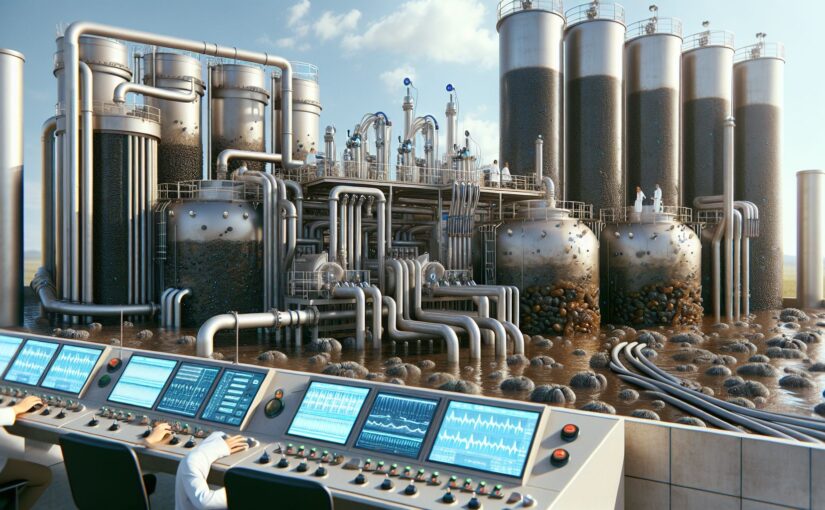
Wastewater treatment is a critical process that ensures water is cleaned and purified before being released back into the environment or reused. Instrumentation and monitoring systems are essential for this process, providing real-time data that helps in efficient plant operation and compliance with environmental regulations. According to water and wastewater blog, as the demand for clean water continues to grow, so does the importance of advanced wastewater treatment technologies that can effectively remove contaminants and monitor treatment progress.
Choosing the right instrumentation equipment is key to achieving precise and reliable monitoring. Instruments such as sensors, meters, and controllers play a pivotal role in conducting various measurements—from flow rate to chemical composition. These tools help plant operators manage the complex biological, chemical, and mechanical processes that are part of any wastewater treatment facility. Accurate monitoring ensures that treatment plants operate within their designed capacities and that treated water complies with governmental standards for quality.
Key Takeaways
Effective wastewater monitoring is crucial for environmental protection and water reuse.
Selection of proper instrumentation equipment is essential for accurate wastewater treatment processes.
Reliable monitoring and control are vital for plant compliance and operational efficiency.
Fundamentals of Wastewater Monitoring
Effective wastewater monitoring is pivotal for protecting both public health and the environment. It ensures that wastewater treatment processes adhere to stringent regulations and that the water cycle is not adversely affected by pollution.
Importance of Wastewater Monitoring
Wastewater monitoring is crucial because it directly influences the integrity of water bodies and the broader environment. By keeping a diligent eye on wastewater, treatment facilities can prevent the release of contaminants into ecosystems. The Environmental Protection Agency (EPA) enforces regulations that these facilities must comply with to avoid significant environmental and health risks. Regular monitoring also allows for early detection of system issues, ensuring consistent treatment efficiency and safeguarding against public health concerns.
Key Wastewater Parameters
To maintain high water quality, several key parameters are measured in wastewater:
pH: It is critical to monitor the acidity or alkalinity of influent and effluent to ensure compliance with standards and to optimize treatment processes.
Biological Oxygen Demand (BOD): It provides insight into the organic matter present in wastewater, which can deplete oxygen levels, harming aquatic life.
Total Suspended Solids (TSS): Measuring solids suspended in wastewater is necessary to evaluate the effectiveness of a treatment plant’s removal processes.
A thorough monitoring of these and other parameters helps in detecting and preventing pollution, maintaining environmental balance, and ensuring that water released from facilities does not harm the water cycle.
Wastewater Instrumentation Equipment
Wastewater treatment facilities rely heavily on advanced instrumentation equipment to ensure the efficacy and efficiency of the purification processes. The implementation of sensor technologies, coupled with automated control systems, provides precise monitoring and management of treatment operations.
Sensor Technologies
Various sensor technologies are integral to modern wastewater treatment processes. They allow for close monitoring of wastewater quality parameters and plant equipment performance. For instance, YSI IQ SensorNet systems offer a comprehensive solution for monitoring critical parameters. Core sensors include:
Ammonium sensors: essential for nitrogen cycle management and ensuring the effectiveness of biological treatment stages.
pH sensors: vital for maintaining the correct balance in wastewater to prevent corrosion, optimize biological processes, and ensure disinfection.
Dissolved oxygen sensors: used for aeration control, providing feedback to adjust oxygen supply for optimal microbial activity.
These real-time monitoring tools are instrumental in phosphorus removal and overall process control to comply with environmental regulations.
Automation and Control Systems
Automation and control systems, such as those provided by Hach, enhance treatment processes through real-time control and data acquisition. The key aspects of these systems include:
Aeration control: leveraging sensor data, these systems optimize air supply to treatment tanks, reducing energy consumption without compromising treatment quality.
Feedback control: dynamically adjusts process variables to meet desired setpoints based on real-time sensor data.
Real time control (RTC): abilities enable immediate adjustments to treatment processes, facilitating consistent compliance with effluent standards.
These automation solutions are critical for maintaining continuous and efficient wastewater treatment and for adapting to varying influent conditions.
Monitoring and Control Processes
Effective wastewater management hinges on precise monitoring and control processes that ensure operational efficiency, compliance with regulations, and protection of the environment. These systems are integral in maintaining the balance of microbial activity and chemical levels throughout the treatment phases.
Aeration and Oxygen Control
In the aeration phase of wastewater treatment, maintaining the correct level of dissolved oxygen is crucial for the survival of aerobic bacteria. These bacteria play a vital role in breaking down organic contaminants. Process control instrumentation, like ultrasonic level monitoring, ensures that aeration systems operate optimally by adjusting the air flows to diffusers. This precise oxygen control allows for efficient degradation of organic matter while minimizing energy consumption.
Key Parameters Monitored:
Dissolved Oxygen Levels
Sludge levels or Return Activated Sludge (RAS) flow
Aeration Patterns and Air Flows
Nitrification and Denitrification Processes
The nitrification and denitrification stages are essential for the conversion and removal of nitrogenous compounds such as ammonia and nitrates. Proper process monitoring in these stages is facilitated by control systems that regulate the balance between aerobic and anoxic conditions. During nitrification, ammonia is converted to nitrite and then to nitrate through aerobic processes. Subsequently, in the denitrification phase, nitrate is converted to nitrogen gas under anoxic conditions, which is then safely released into the atmosphere.
Key Processes Managed:
Monitoring ammonia levels for effective nitrification
Adjusting internal recycles and aeration for optimized denitrification
Ensuring the proper mix of microbial populations for treatment efficacy
Through advanced instrumentation, such as that provided by YSI, these processes are continuously monitored and adjusted, optimizing the treatment performance and meeting the necessary environmental standards.
Operational Strategies for Treatment Plants
Operational strategies for wastewater treatment plants are crucial for maximizing performance and efficiency while reducing operating costs. They encompass a range of practices from optimizing the overall plant performance to streamlining process efficiency and planning for future capacity needs.
Optimizing Plant Performance
Systems that embrace intelligent data-driven operations can significantly enhance the prediction of variable treatment conditions, leading to improved system reliability and water quality. Sophisticated analytics tools have been identified as key in supporting the design and optimization of plant performance by accurately aligning operations with changing demand and conditions. For instance, ongoing predictive maintenance and troubleshooting efforts ensure continuous improvement and stakeholder engagement, which are vital for sustainable circularity in wastewater management.
Key Objectives:
Reduce operation costs
Increase system reliability
Optimize plant performance
One approach is to harness advanced instrumentation, effectively utilizing control and automation (ICA) to ensure efficient plant operation. The implementation of ICA systems adapts to the fluctuating environments of municipal wastewater treatment, striving to meet strict effluent criteria while curtailing the operational and capital expenditures.
Process Efficiency and Capacity Planning
The ability to monitor and control a wastewater treatment plant’s various processes plays a significant role in guaranteeing optimal efficiency and planning for capacity expansion. This includes managing activated sludge extraction rates, recirculation flow, and oxygen supply. By improving these variables, treatment plants can move towards energy self-sufficiency and maintain a fine balance between treatment capacity and demand. Here, both the current load and future projections should be weighed to maintain the balance between process efficiency and plant capacity.
Capacity Planning:
Forecast future treatment demands
Assess plant’s adaptability to load changes
Moreover, considering the uncertainties of wastewater treatment operations, such as varying influent quality and quantity, plants need to employ effective monitoring and control technologies. These technologies enable plants to remain agile and responsive to the operational challenges they face daily. Emphasizing this aspect leads to more resilient infrastructure that is able to adjust dynamically to changing input and regulatory requirements.
Compliance and Environmental Impact
Wastewater treatment plants are critical installations tasked with ensuring that the effluent released into the environment meets stringent water quality standards to protect ecosystems and human health. Compliance with regulations and the continual enhancement of water quality are paramount in managing the environmental impact of pollutants.
Regulations and Standards
Wastewater treatment facilities must adhere to various federal and state regulations designed to safeguard the environment. The Environmental Protection Agency (EPA) sets forth National Pollutant Discharge Elimination System (NPDES) permits, which stipulate the allowable levels of pollutants in wastewater discharges. Compliance monitoring is an essential aspect of these regulatory frameworks. Facilities use sophisticated instrumentation to measure effluent levels of regulated substances like total phosphorus and orthophosphate, ensuring they do not exceed the established thresholds.
The effective removal of pollutants is critical to enhancing water quality and minimizing the impact on the environment. Wastewater treatment processes target substances that can be detrimental to aquatic life and human health. Technologies and processes within a treatment plant are designed to reduce levels of total phosphorus and orthophosphate, which can contribute to eutrophication in water bodies.
Enhancing water quality involves:
Continuous monitoring of effluent quality.
Utilizing progressive treatment methods to remove pollutants.
Adapting to changing regulations to maintain compliance.
Commitment to eco-friendly practices and technological advancements.
By strictly complying with established regulations and employing advanced monitoring techniques, wastewater treatment plants play a vital role in reducing the environmental impact, promoting public health, and enhancing the quality of water bodies.
Advanced Topics in Instrumentation
Instrumentation in wastewater treatment is rapidly advancing, integrating sophisticated technologies for better accuracy and efficiency. This section explores emerging tools and software enhancements that are transforming how wastewater plants operate and manage data.
Emerging Technologies and Innovations
In the realm of wastewater treatment, innovative sensor technologies are shaping the future of environmental monitoring. Level sensors and flow meters are now often equipped with wireless connectivity and IoT capabilities, enabling them to deliver advanced and accurate results. This real-time data collection supports feedback mechanisms for automated systems, significantly improving operational efficiency. A notable example includes the use of ultrasonic level monitoring technology which provides precise control of wastewater processes by ensuring energy-intensive pumping systems operate optimally.
The integration of adaptive control and gain scheduling allows for real-time control adjustments to meet varying demands and conditions within a treatment facility. Moreover, calibration techniques have become more refined, enhancing sensor accuracy and instrument longevity. The use of such technologies enables facilities to keep energy and maintenance costs low while adhering to stringent regulatory compliance standards.
Data Management and Software Solutions
Moving beyond hardware, software solutions for managing wastewater treatment data have seen significant innovations. Supervisory Control and Data Acquisition (SCADA) systems, a critical component of modern water management, have evolved with new features that support extensive data collection, visualization, and control. These systems can now handle vast amounts of information, presenting them to operators in a way that facilitates quick and informed decision-making.
Software platforms now can perform predictive analysis, leading to proactive rather than reactive management strategies. Furthermore, automation within software systems permits enhanced control strategies, such as inferential control, which predicts system behavior and adjusts controls accordingly. This level of automation ensures that the operational performance is optimized continuously, even when unanticipated changes occur. The integration of virtual instrumentation provides a layer of abstraction that can improve the delivery of information to operators, thus enabling more accurate results and real-time adaptations to the processes within wastewater treatment facilities.
Maintenance and Calibration of Instruments
Ensuring accurate and reliable readings from wastewater treatment instrumentation requires regular maintenance and calibration. This section covers the essential procedures and best practices for keeping instruments in optimal working condition.
Routine Maintenance Procedures
Routine maintenance is indispensable to prolong the life and performance of wastewater instrumentation. Equipment such as gauges and sensors need frequent checks to ensure they operate correctly.
Inspect and clean all equipment surfaces to prevent biofilm accumulation.
Verify the functionality of each gauge to detect early signs of malfunction.
Replace worn-out parts according to the manufacturer’s recommended intervals.
Detailed guidelines on glassware cleaning can be found in the NPDES Compliance Inspection Manual which emphasizes the importance of following written procedures for the daily operation of laboratory instruments.
Calibration Techniques and Best Practices
Calibration is the process of adjusting instrument readings to match a known standard. Best practices ensure accurate and reproducible data is acquired from wastewater instrumentation.
Implement a calibration schedule following the manufacturer’s guidelines or regulatory requirements.
Utilize certified reference materials for traceability and accuracy.
Document all calibration activities, noting any deviations or corrective actions taken.
By rigorously following these routines and techniques, maintenance personnel can ensure that vital wastewater treatment equipment like gauges remains accurate and reliable, contributing to energy-efficient operations highlighted in Process Controls for Wastewater – Siemens.
Applications and Case Studies
Instrumentation and monitoring are pivotal for the efficient, cost-effective, and environmentally responsible operation of water and wastewater treatment systems. These technologies are essential in optimization processes and in meeting stringent regulatory requirements.
Industry Applications of Wastewater Monitoring
In the water industry, particularly within wastewater treatment plants, precise monitoring is critical. It includes tracking Total Suspended Solids (TSS) levels, flow rates, and the effectiveness of biological wastewater treatment processes. Sequencing batch reactors, automated and monitored effectively, bring forth optimization in wastewater treatment, reducing operational costs and improving energy efficiency. The application of process measurement and control, robust and adaptable to the plant operations, ensures that the full potential of new wastewater treatment process technologies is realized.
For instance, maintaining the balance within biological wastewater treatment systems requires careful monitoring of oxygen levels, nutrient dosing, and waste sludge volumes to prevent system upsets and ensure compliance with discharge regulations.
Case Studies and Success Stories
A number of case studies highlight the importance of advanced monitoring in wastewater treatment applications. A recent study showcases the use of statistical monitoring for an efficient operation audit at a wastewater treatment plant. The data collected provided valuable insights into process operating conditions and product quality, proving the indispensability of such detailed analysis methods in the industry.
Another successful application was documented where the online THM-100 analyzer was utilized to track and control the formation of trihalomethanes (THMs) in water. With the flexibility to adjust sampling frequency, plants could address specific treatment needs, further exemplifying the tailored application of monitoring instruments in ensuring water safety and quality.
In both scenarios, the deployment of strategic monitoring tools and the intelligent interpretation of collected data have led to improved wastewater treatment methods and environmental protection, demonstrating the clear benefits of such applications in the field.
Frequently Asked Questions
Wastewater monitoring and instrumentation involve a variety of technologies to ensure water quality and compliance with environmental regulations. The following questions address specific aspects of this complex field.
What are common types of sensors used in wastewater monitoring?
In wastewater monitoring, common sensors include pH sensors, dissolved oxygen (DO) sensors, conductivity sensors, and turbidity sensors. These sensors are vital for assessing the water’s primary characteristics.
How is wastewater quality typically monitored?
Wastewater quality is typically monitored through continuous sampling and analysis using various on-site sensors and periodic laboratory testing to gauge parameters that may require more sophisticated equipment.
Which parameters are crucial to measure for effective wastewater treatment?
Crucial parameters to measure include biochemical oxygen demand (BOD), chemical oxygen demand (COD), total suspended solids (TSS), nitrate levels, and phosphorus content. Monitoring these parameters is essential for gauging the effectiveness of the wastewater treatment process.
What instrumentation is involved in industrial wastewater treatment processes?
Industrial wastewater treatment processes often incorporate flow meters, pressure and level sensors, gas detectors, and automated control systems like SIMATIC PCS 7 process control system to manage and optimize the treatment operations.
How does real-time monitoring improve wastewater management?
Real-time monitoring improves wastewater management by allowing for immediate adjustments to process conditions, leading to more efficient treatment, better compliance with regulations, and reduced costs associated with operation and potential violations.
What are the challenges in deploying water treatment plant monitoring systems?
Challenges in deploying water treatment plant monitoring systems include integrating new technologies with existing infrastructure, ensuring data accuracy and reliability, dealing with harsh environmental conditions, and managing the costs associated with upgrades and maintenance.