Harnessing Renewable Energy from Wastewater Using Microbial Fuel Cells

In the realm of renewable energy and sustainable wastewater treatment, the concept of using microbial fuel cells (MFCs) to both purify water and produce electricity is a frontier that combines biotechnology and environmental engineering. This groundbreaking initiative not only offers an innovative approach to managing wastewater but also holds the potential to contribute to the world’s renewable energy matrix in a meaningful way.

What Are Microbial Fuel Cells (MFCs)?

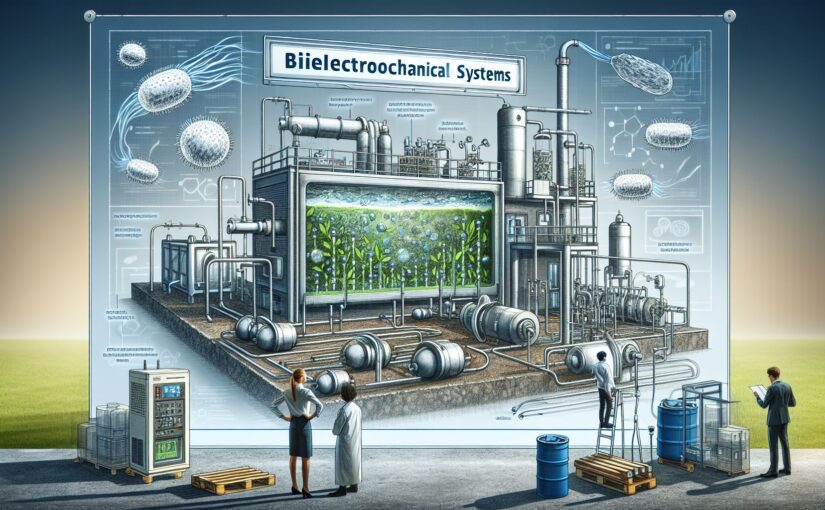
Microbial fuel cells are bio-electrochemical systems that exploit the metabolic processes of microorganisms to convert organic substrates directly into electrical energy. Through the actions of electroactive bacteria—often referred to as exoelectrogens or anode-respiring bacteria—MFCs can treat wastewater while simultaneously generating bioelectricity.

The promise of renewable energy from wastewater is not merely a theoretical one; it’s an achievable goal that has been the focus of extensive research and development. Let us delve into how this innovative technology works, explore its applications, and consider the challenges and future prospects of scaling up MFCs for widespread use.

The Mechanisms Behind MFCs

Electron Transfer Mechanisms in Wastewater

To understand how MFCs operate, it’s essential to comprehend the electron transfer mechanisms that occur in wastewater. In simple terms, electron transfer is the movement of electrons from a donor to an acceptor. In the context of MFCs, electroactive bacteria use organic matter in wastewater as the electron donor, while the anode surface acts as the electron acceptor.

Extracellular Electron Transfer (EET)

The process of extracellular electron transfer is central to the functioning of MFCs. Bacteria capable of EET can transfer electrons to an external electrode, bypassing the need for a soluble electron acceptor. These electrons then flow through an external circuit, generating an electrical current before completing the circuit at the cathode, often in the presence of a final electron acceptor such as oxygen.

Mediator-based vs. Mediator-less MFCs

In mediator-based MFCs, chemicals known as mediators are used to facilitate electron transfer from bacteria to the electrode. However, these mediators can be toxic and expensive, driving research towards mediator-less MFCs where bacteria transfer electrons directly to an electrode without chemical assistance.

Components of an MFC

Wastewater Bioanode

The anode compartment of an MFC is where the wastewater is introduced and where the electroactive bacteria reside. Here, the bacteria break down organic matter and release electrons, starting the flow of electrical current. The efficiency of this process depends largely on the anode material, the bacterial community, and the operating conditions.

Wastewater Biocathode

In the cathode compartment, the electrons combine with protons and an electron acceptor (often oxygen) to form water or other less harmful substances. The design and constituents of the biocathode are critical for reducing overpotentials and improving the overall efficiency of the system.

Proton Exchange Membrane (PEM)

A PEM separates the anode and cathode compartments, allowing protons to pass through while preventing the mixing of substrates and maintaining electrical neutrality. Selecting an appropriate PEM can optimize the MFC’s performance by minimizing resistance and supporting selective ion exchange.

Applications and Benefits

Wastewater Treatment with Energy Recovery

MFCs provide a dual benefit: they clean the water by reducing the organic load and generate electricity in the process. This approach to wastewater treatment could significantly reduce the energy footprint of conventional treatments that typically consume vast amounts of energy.

Bioremediation Using Wastewater MFCs

Beyond removing organic substances, MFCs can also break down complex and potentially hazardous pollutants, offering a method for bioremediation of wastewater streams that contain such compounds.

Biosensors in Wastewater

Incorporating MFC technology into biosensors enables real-time monitoring of wastewater quality and pollutant levels, facilitating more responsive and effective management of water treatment processes.

The Challenge of Scaling Up MFCs

From Lab to Real-world Application

Scaling up MFCs for practical application poses several challenges, including the need for larger and more cost-effective electrode materials, adapting systems to handle fluctuating wastewater streams, and ensuring stable and robust performance over long periods.

Electrode Materials for Wastewater MFCs

Cost and performance drive the choice of electrode materials in MFCs. While carbon-based electrodes are popular due to their high surface area and conductivity, new materials and coatings are being explored to enhance the efficiency and durability of the system.

Continuous Flow Systems and Stacked Designs

To increase the practicality of MFCs for wastewater treatment, continuous flow designs that can handle consistent wastewater streams are essential. Additionally, stacking multiple MFCs can amplify the energy output, making it more feasible for larger-scale operations.

The Future of Renewable Energy from Wastewater

Innovations in MFC Design and Materials

Ongoing research aims to improve MFC designs, exploring novel configurations and materials, such as nanostructured electrodes and catalyst-coated surfaces, that could drastically enhance performance and make MFCs more sustainable and cost-effective.

Integration with Other Renewable Energy Systems

MFCs can complement other renewable energy technologies, creating hybrid systems that maximize energy recovery from various waste streams while providing reliable and sustainable treatment solutions.

Policy and Economic Considerations

For MFCs to reach mainstream adoption, both policy support and economic incentives will play a crucial role. Investments, subsidies, and regulations that favor renewable energy and sustainable water treatment could drive the integration of MFC technology into existing infrastructure.

The Drive Towards a Greener Future

As the push for renewable energy sources grows stronger, the potential of harnessing power from wastewater using MFCs presents a compelling opportunity. Not only does it align with global environmental goals, but it also promises to revolutionize how we approach wastewater management by turning treatment facilities into energy producers rather than energy consumers.

Conclusion

The use of microbial fuel cells for wastewater treatment and renewable energy generation is an exciting intersection of environmental engineering and biotechnology. By tapping into the chemical energy of wastewater and converting it into electrical energy, MFCs present a sustainable and innovative solution to two pressing global issues: clean water scarcity and the need for renewable energy sources.

The journey from the laboratory to widespread implementation is complex and requires collaborative efforts from scientists, engineers, policymakers, and industry stakeholders. With continued research and development, and the scaling up of practical MFC applications, a future where clean water and renewable energy flow from the same source is within reach.

Sources

  1. Logan, B. E., & Regan, J. M. (2006). Electricity-producing bacterial communities in microbial fuel cells. Trends in Microbiology, 14(12), 512-518.
  2. Pant, D., Van Bogaert, G., Diels, L., & Vanbroekhoven, K. (2010). A review of the substrates used in microbial fuel cells (MFCs) for sustainable energy production. Bioresource Technology, 101(6), 1533-1543.
  3. Rabaey, K.,

Harnessing the Power of Microbes: Renewable Energy from Wastewater

In the face of global challenges such as climate change and energy scarcity, sustainable and eco-friendly technologies are being sought after more than ever. One such innovative approach is the generation of renewable energy from wastewater through the use of microbial fuel cells (MFCs). Notably, these cells have the unique ability to convert the chemical energy present in organic matter, such as that found in wastewater, directly into electrical energy by the action of microorganisms.

Understanding Wastewater Treatment and Energy Crisis

Wastewater treatment is a critical process that allows for the reuse and safe disposal of water that has been affected by human use. Traditional methods of wastewater treatment are energy-intensive, relying on mechanical and chemical processes to remove harmful pollutants. The need for a more sustainable approach is apparent when considering the energy consumption of wastewater treatment plants and the growing energy demands globally.

Moreover, the extraction and use of fossil fuels, which are the primary sources of energy today, result in significant environmental degradation, including air and water pollution as well as the release of greenhouse gases that contribute to global warming. Thus, a shift towards renewable energy sources is crucial.

The Promise of Microbial Fuel Cells (MFCs) for Wastewater Treatment

Microbial fuel cells (MFCs) present an opportunity to tackle both wastewater treatment and energy generation simultaneously. These bioelectrochemical systems employ electroactive bacteria to break down organic matter and produce electricity. The magic of MFCs lies in their ability to utilize the biochemical energy that microbes derive from the metabolism of organic substrates within wastewater.

How Microbial Fuel Cells Work

A typical microbial fuel cell consists of two chambers, an anode and a cathode, separated by a proton exchange membrane (PEM). When wastewater is introduced into the system, electroactive bacteria at the anode oxidize organic matter, releasing electrons and protons. The electrons flow through an external circuit to the cathode, generating an electric current. Meanwhile, the protons pass through the PEM to the cathode where they recombine with electrons and an electron acceptor (often oxygen) to form water.

Electroactive Bacteria: A Natural Power Source

The electroactive bacteria in MFCs are unique in that they can transfer electrons outside of their cells directly to the anode material. These exoelectrogens, such as certain species of Shewanella and Geobacter, are naturally occurring and can be enriched in the anodic chamber. They essentially respire onto the electrode surface, hence the term “anode respiring bacteria.”

Renewable Energy Generation

The byproduct of microbial metabolism in MFCs is not just treated water but also bioelectricity. The amount of electricity generated is dependent on various factors, including the bacterial species employed, the type of wastewater, and the design of the fuel cell. The direct conversion of organic matter to electricity bypasses the need for combustion and is thus a clean and renewable form of energy generation.

Technical Challenges and Innovations

Despite the promising aspects of MFC technology, several technical challenges need to be addressed before its widespread adoption.

Electrode Materials and Their Impact

The selection of electrode materials has a profound influence on the performance of MFCs. Carbon-based electrodes are popular due to their conductivity, biocompatibility, and relatively low cost. Developments in nanostructured materials and composites have opened the door to more efficient electron transfer and higher power densities.

Mediator-based vs. Mediator-less MFCs

Mediator chemicals that facilitate electron transfer from bacteria to the electrode can be used to enhance MFC performance. However, such mediator-based systems can be expensive and potentially toxic. Mediator-less MFCs, where bacteria transfer electrons directly to the anode material, are more sustainable and are the focus of current research.

Scaling Up Challenges

Scaling up MFCs to a level suitable for municipal wastewater treatment plants presents numerous obstacles. Engineering aspects such as reactor design, material scalability, and process stability must be carefully considered. Moreover, the system must remain economically viable in comparison to conventional wastewater treatment methods.

Continuous Flow and Stacked MFCs

Continuous flow MFCs allow for the constant feeding of wastewater, simulating real-world conditions more accurately than batch operations. Additionally, stacking MFCs in series or parallel can enhance energy output, making systems more compact and efficient.

Coulombic Efficiency and Power Density

The performance of MFCs is often measured in terms of coulombic efficiency and power density. Coulombic efficiency reflects the percentage of electrons harvested from the substrate, while power density indicates the amount of power generated per unit volume or area of the reactor. Optimizing these parameters is essential for the practical application of MFC technology.

Future Prospects: Towards a Sustainable Wastewater Solution

While MFC technology for wastewater treatment still faces hurdles, ongoing advancements and research are paving the way for its future utility. The quest for new materials, better understanding of microbial-electrode interactions, and innovative system designs promises to improve MFC performance.

The integration of MFCs with other renewable energy technologies and further understanding of microbial ecology and electron transfer mechanisms will undoubtedly contribute to the success of this green technology. MFCs could eventually provide a dual solution – treating wastewater efficiently while also generating clean energy, aiding in the transition towards a more sustainable and energy-secure future.

Incorporating MFCs with Other Renewable Energy Systems

Harnessing the full potential of MFCs may involve integrating them with other renewable energy systems such as solar, wind, or hydroelectric power generation. MFCs can serve as a complementary technology, providing a base level of energy supply while contributing to overall system resilience and sustainability.

The Role of Microbial Electrolysis and Desalination Cells

Microbial electrolysis cells (MECs), which are similar to MFCs, can produce hydrogen gas, another form of renewable energy, from wastewater. Furthermore, microbial desalination cells (MDCs) have emerged as a technology capable of desalinating water while treating wastewater and producing electricity, representing an integrated solution to water treatment challenges.

The Emergence of Biosensors and Bioremediation Approaches

MFC technology is not limited to energy generation; it also holds potential for detecting pollutants through biosensors. Additionally, MFCs can aid in bioremediation efforts, breaking down complex organic pollutants that are otherwise challenging to remove.

Conclusion

Renewable energy generation from wastewater using microbial fuel cells offers an exciting opportunity to address both environmental and energy issues concurrently. The electricity that can be harvested from wastewater processing is a step towards sustainability and cleaner energy measures.

As our understanding of bioelectrochemical systems deepens and technological barriers are surmounted, it is not unreasonable to expect that in the near future, wastewater treatment plants could double as renewable energy powerhouses. This paradigm shift would not only result in healthier ecosystems but also foster economic growth and energy security.

Sources

  1. Logan, B.E., & Regan, J.M. (2006). Electricity-producing bacterial communities in microbial fuel cells. Trends in Microbiology, 14(12), 512–518.
  2. Rabaey, K. & Rozendal, R.A. (2010). Microbial electrosynthesis — revisiting the electrical route for

Renewable Energy from Wastewater: Harnessing the Untapped Potential

In the quest to secure a sustainable and eco-friendly future, scientists and engineers have turned their attention to some of the most ubiquitous and overlooked resources—wastewater. Every day, countless gallons of wastewater are produced globally, carrying with them the potential to generate clean energy. This potential lies dormant in the numerous biological and chemical processes that can be harnessed within wastewater treatment systems. One promising technology that has emerged for this purpose is the generation of renewable energy from wastewater.

Understanding the Basics of Wastewater

Before delving into the process of renewable energy generation, it’s crucial to comprehend what wastewater entails. Wastewater is water that has been affected by human use, containing a variety of substances such as human waste, food scraps, oils, soaps, and chemicals. It comes from a variety of sources, including homes, businesses, industries, and stormwater runoff. The composition of wastewater can vary significantly, but it commonly contains nutrients such as nitrogen and phosphorus, pathogens, heavy metals, and organic matter.

The Promise of Microbial Fuel Cells (MFCs)

One of the most innovative ways to extract energy from wastewater is through the use of Microbial Fuel Cells (MFCs). An MFC is a device that uses bacteria to convert organic matter in wastewater into electricity. These bacteria are known as electroactive or exoelectrogens and are capable of transferring electrons to an external circuit during their metabolic processes.

Working Principle of MFCs

In a typical MFC, wastewater is fed into an anaerobic (oxygen-free) chamber, known as the anode chamber. The electroactive bacteria in the wastewater attach themselves to the anode electrode and, as they break down the organic compounds in the wastewater, they release electrons and protons. The electrons are captured by the electrode and pass through an external circuit to the cathode chamber, creating an electrical current. Meanwhile, the protons cross via a Proton Exchange Membrane (PEM) to the cathode chamber, where they combine with the electrons and oxygen from the air to form water.

Benefits of Using MFCs in Wastewater Treatment

MFC technology not only provides a method of generating electricity from a waste product but also achieves several other benefits, including:

  • Reduced Energy Consumption: Since traditional wastewater treatment plants are energy-intensive, using MFCs can significantly reduce the overall energy footprint.
  • Lower Greenhouse Gas Emissions: By generating electricity, MFCs can reduce the dependency on fossil fuels, consequently lowering the emissions associated with wastewater management.
  • Waste Reduction: MFCs help in the breakdown of organic matter, which can reduce the volume of biosolids that need to be managed post-treatment.
  • Nutrient Recovery: Certain designs of MFCs can also allow for the recovery of nutrients such as phosphorus and nitrogen, which are valuable for agricultural purposes.

Research and Implementation Challenges

Despite the myriad benefits, the widespread deployment of MFCs for wastewater treatment faces several challenges:

  • Scaling Up: Much of the research on MFCs has been conducted on a small scale, and transitioning to full-scale operational systems can present design, engineering, and economic hurdles.

  • Power Density: The power density (power produced per unit volume) of MFCs needs to be improved to make the technology competitive with traditional energy sources.

  • Material Costs: The cost of materials, such as catalysts for the cathode and PEMs, can be high. Research into cheaper, more sustainable materials is ongoing.

  • Long-Term Stability: Ensuring the long-term stability and performance of these bio-electric systems in a real-world wastewater treatment context remains an area of active research.

Future Prospects for Renewable Energy from Wastewater

Despite these challenges, the future for generating renewable energy from wastewater using MFCs is promising. Innovations in electrode materials, reactor design, and process optimization are continually being developed. Biotechnology advancements can also contribute to improving the efficiency and output of MFCs.

Innovative Materials and Designs

Scientists are experimenting with various electrode materials to enhance the performance of MFCs. Carbon-based electrodes, catalyst-coated electrodes, and various nanomaterials have shown to increase the efficiency of electron transfer and reduce costs. Additionally, stacking MFCs or integrating them into continuous flow systems could enhance the scalability and practicality of the technology.

Integration with Other Renewable Technologies

Integrating MFCs with other renewable energy technologies, such as solar or wind power, could provide even more sustainable solutions for wastewater treatment. The complementary nature of these technologies could lead to hybrid systems that maximize energy output and redundancy.

The Global Impact of Renewable Energy from Wastewater

By tapping into the potential of wastewater as a source of renewable energy, communities around the world could mitigate many environmental and public health challenges. Developing countries, in particular, stand to gain from such sustainable practices, where wastewater treatment infrastructure may be lacking, and access to electricity is limited.

Moreover, environmental policies and incentives could further promote the adoption of these technologies. For instance, renewable energy credits and carbon credit schemes can financially support projects that use MFCs to generate clean energy from wastewater.

Conclusion

Renewable energy from wastewater represents a twofold opportunity: to treat and manage wastewater effectively and to harness an untapped source of clean energy. While challenges remain in bringing this technology to scale, the efforts of researchers and environmental engineers are paving the way for a future in which wastewater treatment plants become bioenergy hubs. The potential for positive environmental, economic, and social impacts is significant, and continued investment in the research and development of MFCs and associated technologies will be critical in realizing this vision.

Sources

  1. Logan, B. E., & Rabaey, K. (2012). Conversion of wastes into bioelectricity and chemicals by using microbial electrochemical technologies. Science, 337(6095), 686-690.

  2. Li, W. W., Yu, H. Q., & He, Z. (2014). Towards sustainable wastewater treatment by using microbial fuel cells-centered technologies. Energy & Environmental Science, 7(3), 911-924.

  3. Wang, H., & Ren, Z. J. (2013). A comprehensive review of microbial electrochemical systems as a platform technology. Biotechnology Advances, 31(2), 179-192.

Harnessing Renewable Energy from Wastewater: The Potential of Microbial Fuel Cells

Wastewater treatment is a critical component of modern sanitation infrastructure, protecting human health and preventing environmental contamination. Conventional treatment processes, however, are typically energy-intensive and can contribute significantly to greenhouse gas emissions. As the world faces the twin challenges of energy sustainability and water pollution, innovative technologies that can tackle both issues simultaneously are highly valued. Among these innovations, microbial fuel cells (MFCs) for wastewater treatment stand out as a promising solution, offering the possibility to extract renewable energy from wastewater – an ostensibly unlikely energy source.

Understanding Microbial Fuel Cells (MFCs)

Microbial fuel cells are bioelectrochemical systems that harness the natural processes of bacteria to convert organic matter into electricity. In the context of wastewater treatment, MFCs not only clean the water but also generate bioelectricity in the process. This dual benefit makes MFCs an attractive technology for sustainable wastewater management.

The Working Principle

The fundamental operation of MFCs is based on the metabolic activities of electroactive bacteria, often referred to as exoelectrogens. These microorganisms have the unique ability to transfer electrons to an external electrode during the breakdown of organic matter. A typical MFC consists of an anode and a cathode compartment separated by a proton exchange membrane. Bacteria in the anode compartment oxidize the organic compounds in wastewater, generating electrons and protons. Electrons flow through an external circuit to the cathode, while protons migrate across the membrane. At the cathode, electrons, protons, and oxygen (from air) combine to form water, completing the circuit.

Benefits of MFCs in Wastewater Treatment

  • Renewable energy production: MFCs can convert the chemical energy present in wastewater to electrical energy, providing a renewable energy source.
  • Reduced energy consumption: Conventional wastewater treatment plants are highly energy-demanding. MFCs offer a more energy-efficient alternative.
  • Low operational costs: MFCs operate at ambient temperatures and pressures, reducing the operational costs compared to conventional treatment technologies.
  • Sustainability: By reclaiming energy from waste, MFCs contribute to a more sustainable and circular approach to waste management.

Current Challenges and Research Directions

Despite the potential, MFC technology faces several hurdles that need to be overcome before widespread adoption can be realized.

Electrode Materials and Design

One of the primary challenges in scaling up MFCs is the development of cost-effective and efficient electrode materials. Carbon-based electrodes, for instance, are popular due to their high electrical conductivity and large surface area for microbial colonization. However, advancements in catalyst-coated electrodes are being explored to enhance the electron transfer process and improve overall MFC performance. Researchers are constantly testing different materials and coatings to increase the power density and coulombic efficiency of these systems.

Electron Transfer Mechanisms

Understanding and optimizing electron transfer mechanisms is crucial for the improvement of MFCs. Electrons can be transferred from the bacteria to the electrode directly or via mediators – compounds that can shuttle electrons. While mediator-based MFCs have shown promise in lab-scale studies, the development of mediator-less MFCs, which are more cost-effective and environmentally friendly, is a significant area of research.

Scaling Up MFCs

Lab-scale MFCs have successfully demonstrated the concept of wastewater treatment with simultaneous electricity generation. However, scaling up presents numerous technical and economic challenges, such as maintaining efficient electron transfer over larger electrode surfaces and integrating MFCs into existing wastewater treatment infrastructure. Continuous flow MFCs and stacked configurations are being investigated to address these issues.

Renewable Energy Integration

The integration of MFC-generated electricity into the energy grid is another challenge. The intermittent nature of bioelectricity generation and the relatively low power output currently achievable require solutions for energy storage and management to ensure a steady and reliable supply.

The Future of Wastewater Treatment with MFCs

Looking ahead, microbial fuel cells have the potential to revolutionize the way we approach wastewater treatment. Continuous research and development may lead to MFCs that are not only a cornerstone of sustainable wastewater management but also a significant contributor to global renewable energy portfolios.

Innovations in MFC Configurations

Innovative designs, such as sediment MFCs, plant-microbial fuel cells, and microbial electrolysis and desalination cells, are pushing the boundaries of bioenergy production and water purification. These systems leverage the natural environments and biological processes in new ways, offering enhancements in efficiency and application scope.

Bioremediation and Biosensors

MFCs are being explored as tools for bioremediation, using their capability to break down pollutants while generating energy. Additionally, their sensitivity to the metabolic activities of bacteria holds promise for the development of biosensors, which could monitor water quality in real time and provide rapid indicators of system performance or contamination incidents.

Conclusion

The promise of microbial fuel cells for wastewater treatment lies in their ability to serve a dual role as sanitation infrastructure and renewable energy generators. While challenges persist, the progress in this field is continuous, with each breakthrough bringing us closer to an era where treating wastewater contributes to the energy needs of our societies, rather than detracting from them.

References

  1. Logan, B. E., & Regan, J. M. (2006). Electricity-producing bacterial communities in microbial fuel cells. Trends in Microbiology, 14(12), 512-518. doi:10.1016/j.tim.2006.10.003

  2. Pant, D., Van Bogaert, G., Diels, L., & Vanbroekhoven, K. (2010). A review of the substrates used in microbial fuel cells (MFCs) for sustainable energy production. Bioresource Technology, 101(6), 1533-1543. doi:10.1016/j.biortech.2009.10.017

  3. He, Z., & Mansfeld, F. (2009). Exploring the use of electrochemical impedance spectroscopy (EIS) in microbial fuel cell studies. Energy & Environmental Science, 2(2), 215-219. doi:10.1039/B813393A

Harnessing the potential of microbial fuel cells for wastewater treatment not only aligns with global sustainability goals but also opens the door to innovative energy solutions, ensuring cleaner water and a greener future.

Renewable Energy from Wastewater: Harnessing Energetic Potential through Advanced Treatment Technologies

Energy consumption and wastewater management are two critical challenges for the sustainable development of modern societies. As the demand for energy surges and environmental concerns escalate, scientists and engineers have begun exploring innovative avenues to couple these issues beneficially. Among the intriguing options is the possibility of generating renewable energy from wastewater. This article delves into the cutting-edge realm of transforming wastewater into a valuable resource for renewable energy production, emphasizing the role of Microbial Fuel Cells (MFCs).

Introduction

In recent years, the wastewater treatment landscape has been undergoing a remarkable transformation. Traditional methods primarily aim to reduce the pollutant load to meet regulatory standards. However, this typically energy-intensive process overlooks the inherent energetic potential wastewater holds. Scientific advances have spurred the development of technologies that not only treat wastewater but also recover resources, such as energy, in the form of bioelectricity.

Microbial Fuel Cells – A Core Technology

Microbial Fuel Cells (MFCs) are bioelectrochemical systems that exploit the metabolic activities of microorganisms to break down organic compounds in wastewater while concurrently producing electricity. They operate on the principle that certain bacteria, referred to as electrogenic or exoelectrogenic, are capable of transferring electrons to an external electrode during the oxidation of organic substrates.

How MFCs Work

MFC technology utilizes a simple yet elegant configuration comprising an anode, a cathode, and an electrolyte, often separated by a proton exchange membrane (PEM). Wastewater, rich in organic matter, enters the anode chamber where electroactive bacteria adhere to the anode surface. As these bacteria metabolize the organic substrate, they transfer electrons to the anode. The electrons flow through an external circuit to the cathode, producing an electrical current. Meanwhile, protons generated at the anode chamber migrate through the PEM to the cathode, where they combine with electrons and oxygen (from the air or added oxidizing agents) to form water – completing the circuit.

The Dual Benefit

The dual benefit of employing MFCs is clear: wastewater treatment and simultaneous bioelectricity generation. This synergy can significantly offset the energy footprint of wastewater management and contribute to the valorization of wastewater as an alternative energy source.

Energy Recovery – Understanding the Potential

To quantify the potential of renewable energy production from wastewater, it’s vital to examine key performance metrics, such as power density and coulombic efficiency, in MFC setups. These indicators reflect the electrical power generated per unit volume or area of the reactor (power density) and the proportion of electrons recovered as electricity from the available substrate (coulombic efficiency), respectively.

Case Studies and Research Findings

Numerous studies have demonstrated that MFCs can render wastewater treatment energy-neutral or even energy-positive under optimal conditions. For instance, research led by the Pennsylvania State University showcases how MFCs can extract enough energy from organic matter to power the treatment process and produce excess electricity. Such findings underscore the viability and promise of MFCs in renewable energy production.

Challenges and Solutions

Scaling Up MFCs

Transitioning from bench-scale models to full-scale applications presents key challenges, including maintaining the efficiency achieved in laboratory settings and managing the complex microbial communities involved. Answering these challenges requires interdisciplinary research and concerted efforts in reactor design optimizations, cost-effective electrode materials, and process control strategies.

Advances in Electrode Materials

The quest for efficient electrode materials is central to improving MFC performance. Carbon-based electrodes, with their high electrical conductivity and chemical stability, have shown considerable success. Recent progress also involves exploring catalyst-coated electrodes to amplify the electron transfer rate and, hence, the electricity generation potential.

Proton Exchange Membranes

PEMs are pivotal in minimizing internal resistance and ensuring selective proton transport. Innovations in membrane technology focus on reducing costs and enhancing conductivity and durability to bolster the economic and operational feasibility of scaling up MFCs.

Environmental and Socioeconomic Implications

Renewable energy from wastewater through MFCs aligns with wider environmental and socioeconomic objectives. It fosters circular economy principles, reducing the dependence on non-renewable energy sources and diminishing greenhouse gas emissions. Moreover, it offers the dual advantage of tackling water pollution and enhancing energy security.

Policy Frameworks and Public Engagement

For such transformative technologies to gain mainstream traction, supportive policy frameworks and public engagement are instrumental. Governments and utility operators must acknowledge the long-term economic, environmental, and social dividends of investing in advanced wastewater treatment paradigms like MFCs.

The Road Ahead

With ongoing research, real-world demonstrations, and evolving technologies, the prospect of extracting renewable energy from wastewater is rapidly morphing from concept to reality. Collaborative efforts among scientific communities, industry stakeholders, and policymakers will be key in overcoming the current technical and economic hurdles.

As we look to a sustainable future, MFCs and related technologies present a golden opportunity to reconceptualize wastewater not as a waste by-product but as a renewable resource that can power our cities and drive environmental conservation.

Sources

  1. Logan, B. E. (2008). Microbial Fuel Cells. John Wiley & Sons.
  2. Dubey, A., & Santoro, C. (2017). Renewables from Wastewater: Microbial Fuel Cells from Lab to Real Environments. Renewable and Sustainable Energy Reviews, 78, 1748-1757.
  3. Liu, H., Ramnarayanan, R., Logan, B. E. (2017). Production of Electricity during Wastewater Treatment Using a Single Chamber Microbial Fuel Cell. Environmental Science & Technology, 39(13), 5172-5180.

This article has provided an in-depth exploration of harnessing renewable energy from wastewater, mainly through the lens of Microbial Fuel Cells (MFCs). It has offered insights into the principles of operation, potential, challenges, and the broader environmental and socioeconomic context. The development of MFC technology stands as a testament to the innovative spirit driving sustainable solutions in energy and water management domains.

Renewable Energy from Wastewater: Powering the Future with Bioelectrochemical Systems

As societies across the globe grapple with the twin challenges of water scarcity and the urgent need to switch to renewable energy sources, scientists and engineers are turning to innovative solutions to tackle both problems simultaneously. One such solution that has been gaining traction is the generation of renewable energy from wastewater using bioelectrochemical systems (BES).

In this comprehensive article, we will delve deep into how wastewater can become a source of renewable energy, the principles behind this technology, the potential benefits, and the challenges we still need to overcome. So, let’s wade into the depths of this fascinating subject and discover how what once was waste can now be a wellspring of energy.

What are Bioelectrochemical Systems?

A bioelectrochemical system (BES) is a technology that harnesses the natural processes of electroactive bacteria (or microorganisms) to convert organic material in wastewater into electricity. There are several types of BES, but the most well-known and researched are microbial fuel cells (MFCs) and microbial electrolysis cells (MECs). At their core, BES combine elements of biology, chemistry, and electrochemistry to transform waste into watts.

Fundamentals of BES

The heart of any BES is the interaction between bacteria and electrodes. In essence, such systems utilize the biochemical energy created by bacteria during the breakdown of organic matter. As bacteria digest this material, they transfer electrons to an electrode. This transfer creates an electrical current which can then be harvested and used.

Electroactive Wastewater Bacteria

The bacteria that play a starring role in BES are known as electroactive bacteria (EAB). These microorganisms are unique in their ability to export electrons to external materials. Examples of EAB include Shewanella oneidensis and Geobacter sulfurreducens. They’re capable of performing a process called extracellular electron transfer (EET), where electrons flow from the inside of a bacterium to an external electrode.

The Key Components of a BES

  • Anode – This is the electrode where bacteria are commonly found to attach themselves. It’s typically placed in the compartment where wastewater is fed.
  • Cathode – Opposite to the anode, the cathode is where electrons are used to reduce oxygen to water or other compounds in MFCs or hydrogen in MECs.
  • Proton exchange membrane (PEM) – This membrane separates the two chambers of the cell in some configurations, allowing for protons to pass through while preventing the mixing of the solutions.
  • Electrolyte – It’s a conductive solution which helps in the transport of ions between electrodes.

Generating Renewable Energy from Wastewater

Wastewater, often seen as a nuisance to be treated and disposed of, is actually a potential goldmine of energy. It’s full of organic substances that can be digested by EAB to produce electricity.

The Process

  1. Bacterial Metabolism: In the anode chamber, EAB metabolize wastewater’s organic content, producing protons and electrons.
  2. Electron Transfer: Electrons generated by the bacteria travel from the anode, through a circuit, and towards the cathode.
  3. Proton Migration: Simultaneously, protons pass through the PEM to the cathode chamber.
  4. Electricity Generation: The flow of electrons from anode to cathode creates an electrical current which can be harnessed and utilized.

The Benefits of Using Wastewater for Energy

  • Sustainability: The process doesn’t rely on fossil fuels, making it an eco-friendly option.
  • Dual-purpose: It treats wastewater while generating electricity, reducing the overall energy footprint of wastewater management.
  • Abundance: Wastewater is continuously generated by households, industries, and agriculture, providing a steady energy source.

Harnessing the Power: Real-world Applications

  • Power Generation: Although the current power output is modest, BES can power small devices or lights, and when scaled up, possibly contribute to the grid.
  • Remote Monitoring: BES can power sensors for remote environmental monitoring, operating independently of the power grid.
  • Hydrogen Production: MECs can produce hydrogen as a clean fuel while treating wastewater.

Challenges and Future Prospects

While the potential of BES for renewable energy is immense, there are several challenges that need to be addressed.

Technical Challenges

  • Scaling Up: A key issue is translating the technology from the lab to full scale. Increased power output and process efficiency are needed for large-scale applications.
  • Cost of Materials: Some components, like PEMs or catalysts, are expensive, which can make BES economically unfeasible.
  • Electrode Efficiency: The development of better materials for electrodes that facilitate the electron transfer process.

Research and Innovation

Developments are constantly being made in the field, like:

  • Catalyst-Coated Electrodes: Experimentation with different materials and coatings could reduce costs and improve performance.
  • Carbon-Based Electrodes: Carbon materials are promising due to their conductivity and relative affordability.
  • Stacked and Continuous Flow MFCs: Configurations that might allow for better scalability and integration into existing wastewater treatment processes.

Conclusion: Beyond Wastewater Treatment to Energy Recovery

Wastewater isn’t just waste—it’s a resource. Through bioelectrochemical systems, we can tap into its latent energy potential and work towards a future that’s less reliant on non-renewable sources. While there are hurdles to overcome, the future for BES looks bright, with continuous advancements pointing towards an energy-efficient and sustainable horizon.

Sources

  1. Logan, B. E. (2009). Exoelectrogenic bacteria that power microbial fuel cells. Nature Reviews Microbiology, 7(5), 375-381.
  2. Rabaey, K. & Verstraete, W. (2005). Microbial fuel cells: novel biotechnology for energy generation. Trends in Biotechnology, 23(6), 291-298.
  3. Rozendal, R. A., Hamelers, H. V., Rabaey, K., Keller, J., & Buisman, C. J. (2008). Towards practical implementation of bioelectrochemical wastewater treatment. Trends in Biotechnology, 26(8), 450-459.

Renewable Energy from Wastewater: An Exploration into the Future of Bioelectricity Generation

The quest for renewable energy sources has never been more pressing than in today’s world, where the consequences of climate change and the depletion of fossil fuels loom over us. One innovative solution that has emerged over the past few years is the generation of bioelectricity from wastewater using Microbial Fuel Cells (MFCs). This technology not only holds promise for sustainable energy production but also for effective wastewater treatment.

Introduction

Every day, millions of gallons of wastewater are produced globally, requiring robust and efficient treatment methods to prevent environmental contamination. Meanwhile, our insatiable demand for energy continues to grow, creating an impetus for alternative energy solutions. Renewable energy from wastewater encompasses several processes whereby wastewater treatment is coupled with bioelectricity generation. In this article, we will explore the potential of this joint prospect that not only addresses the issue of pollution but also contributes to the world’s energy matrix.

The Science behind Bioelectricity Generation from Wastewater

Wastewater is rich in organic matter, which can be exploited as a substrate by a group of bacteria known as exoelectrogens or electroactive bacteria (Lovley, 2006). These bacteria are capable of transferring electrons to an external solid acceptor, turning the organic compounds in wastewater into a source of electrical energy. The technology used to harness this energy is known as a Microbial Fuel Cell (MFC). In its most basic form, an MFC consists of two compartments, the anode and cathode, separated by a proton exchange membrane (Logan et al., 2006).

Wastewater Bioanode

In the anode compartment, electroactive bacteria adhere to the anode electrode’s surface and begin breaking down the organic matter, leading to the release of protons (H+), electrons (e-), and carbon dioxide (CO2). The key here is the electron flow, which is channeled through the electrode and external circuit to reach the cathode.

Wastewater Biocathode

The cathode compartment houses the biocathode where electrons are used to reduce oxygen, often with the help of various catalysts, to form water – completing the electric circuit.

The Mechanisms Involved in Electron Transfer

The transfer of electrons from bacteria to the electrode is a crucial step in MFC operations and has been the subject of extensive research. It involves intricate electron transfer mechanisms that can be either direct or indirect.

Extracellular Electron Transfer in Wastewater

Extracellular Electron Transfer (EET) refers to the process through which bacteria deliver electrons beyond their cell membranes. There are three known mechanisms of EET, and these are:

  1. Direct Contact: Where the bacteria come in direct contact with the electrode.
  2. Nanowires: Bacteria like Shewanella and Geobacter species can produce conductive appendages known as pili or ‘nanowires’ that shuttle electrons to the electrode.
  3. Soluble Mediators: Some bacteria release redox-active compounds into the environment that can accept electrons from the bacteria and transfer them to the electrode.

Mediator-less vs. Mediator-based Wastewater MFCs

There is a distinction to be made between mediator-less and mediator-based MFCs. Mediator-less MFCs exploit the organisms’ innate ability to transfer electrons directly to the electrode, whereas mediator-based systems add artificial compounds to facilitate this transfer. Mediator-less MFCs are more sustainable as they do not rely on expensive and potentially toxic mediators.

Renewable Energy Production and Wastewater Treatment Efficiency

The dual benefit of using MFCs for wastewater treatment is their ability to produce clean energy. As the organic matter is oxidized, electrons are harvested in the form of electricity. The efficiency of this energy production is often assessed using the terms ‘power density’ and ‘coulombic efficiency.’

Power Density in Wastewater MFCs

Power density is a measure of the power output per unit volume of the reactor and is typically expressed in watts per cubic meter (W/m³). It is a crucial factor in evaluating the performance of MFCs.

Coulombic Efficiency in Wastewater MFCs

Coulombic efficiency, on the other hand, indicates the percentage of electrons captured as electricity concerning the total amount of electrons potentially available from the substrate degradation.

Recent Advances and Challenges

While the concept of MFCs is exciting, there are challenges to overcome when translating this technology from the laboratory scale to real-world applications. Some of the issues include:

  • Electrode Materials: Finding cost-effective and durable materials that facilitate efficient electron transfer. Carbon-based materials and catalyst-coated electrodes have shown promise.
  • Proton Exchange Membranes: Their function is critical but these membranes can be expensive. Research into alternative materials is ongoing.
  • Scaling Up: The challenge of effectively and economically scaling up this technology to handle real wastewater treatment plant volumes while maintaining efficiency.
  • Stacked and Continuous Flow MFCs: Stacking MFC units and designing systems for continuous flow can intensify output but require intricate engineering.

Practical Applications and Future Prospects

Scaling Up Wastewater MFCs

Scaling MFC technology to industrial levels is a priority. To enable broader use, the systems need to maintain high performance while handling increased volumes of wastewater, a task that is challenging but imperative for the technology to be viable.

Plant-Microbial Fuel Cells

Another novel development is the combination of MFCs with plant systems, known as Plant-Microbial Fuel Cells (Plant-MFCs). These systems use the byproducts of photosynthesis as substrates for the MFCs, adding another layer of sustainability and efficiency to the process.

Continuous Flow Wastewater MFCs

Designing MFCs for continuous flow rather than batch processing can help integrate MFC technology into existing wastewater treatment infrastructure. This requires innovative bioanode and biocathode configurations to maintain the flow of electrons and substrates.

Conclusion

The generation of renewable energy from wastewater using MFC technology is an attractive proposition that tackles two significant issues: the need for clean energy and effective wastewater treatment. Although challenges remain in terms of scalability, materials, and continuous operation, the future looks promising as research continues to break new ground in this interdisciplinary field. With continued advancements, MFCs may become an integral part of the solution to our energy and environmental challenges.

References

  1. Lovley, D. R. (2006). Bug Juice: Harvesting Electricity with Microorganisms. Nature Reviews Microbiology, 4, 497-508.
  2. Logan, B. E., Hamelers, B., Rozendal, R., Schröder, U., Keller, J., Freguia, S., Aelterman, P., Verstraete, W., & Rabaey, K. (2006). Microbial Fuel Cells: Methodology and Technology. Environmental Science & Technology, 40(17), 5181-5192.

Renewable Energy from Wastewater: Harnessing Bioelectricity through Innovations in Treatment Technologies

Wastewater isn’t typically the first thing that comes to mind when we think about renewable energy. Long regarded as a costly byproduct of domestic and industrial processes, wastewater is laden with organic materials that require significant energy and resources to treat. However, a paradigm shift has been quietly occurring in the field of waste management, thanks to the development of technologies capable of converting the chemical energy stored in wastewater into bioelectricity. This process offers the potential to transform wastewater treatment plants from energy consumers into energy producers.

Understanding the Scope of Wastewater as an Energy Source

Wastewater contains high levels of organic matter such as carbohydrates, fats, and proteins, all of which have stored chemical energy. The key to unleashing this energy lies in the field of bioelectrochemical systems, which use the metabolic processes of microorganisms to break down organic molecules and generate an electric current.

The Role of Microbial Fuel Cells (MFCs)

One of the most promising bioelectrochemical technologies is the Microbial Fuel Cell (MFC). MFCs are devices that use bacteria to convert organic waste material into electrical energy. These bacteria are particularly special due to their ability to transfer electrons outside of their cells. They act as biocatalysts, promoting the oxidation of substrates and transferring the resulting electrons to the anode.

By harnessing the natural processes of these electroactive bacteria, MFCs offer a double win: wastewater treatment and simultaneous electricity generation, thus providing a neat solution to managing wastewater and contributing to renewable energy production.

The Innovative Process of Bioelectricity Generation

Let’s delve into how these MFCs work. An MFC typically consists of two chambers (anode and cathode) separated by a proton exchange membrane. Electroactive bacteria in the anode chamber break down the organic matter in the wastewater. During this process, electrons are released as a byproduct of metabolism.

The released electrons are transferred to the anode, and from there, they flow through an external circuit to the cathode, creating an electrical current. In the cathode chamber, electrons, protons, and oxygen typically combine to form water. The flow of electrons from the anode to the cathode is harnessed as bioelectricity, which can be distributed for external use.

Innovations and Advancements in Bioelectricity Generation

The potential of renewable energy hidden in wastewater is enormous, but the technology to exploit it efficiently is still in its early stages. Research and innovation are essential for optimizing the various components and mechanisms involved in MFCs to increase their efficiency and feasibility for larger-scale applications.

Advancements in Electrode Materials

Electrode materials play a crucial role in the effectiveness of MFCs. Optimizing the surface area and conductivity of electrodes can enhance the attachment of bacteria and electron transfer, thereby improving the power output. Breakthroughs with carbon-based and catalyst-coated electrodes have shown promise in increasing the efficiency of this energy-conversion process.

Scaling up MFCs for Practical Use

While laboratory-scale experiments have been successful, scaling up MFC technology for municipal or industrial use presents challenges. The scaling-up process involves ensuring that the system can handle vast amounts of wastewater and still operate efficiently. Designs such as stacked or continuous flow MFCs are being explored and developed to achieve this goal.

Integration with Existing Renewable Energy Systems

For the full potential of wastewater-based renewable energy to be realized, it must be effectively integrated with existing renewable energy systems. This could involve the use of surplus bioelectricity to power other parts of wastewater treatment plants or combining it with solar or wind energy to create a more robust and reliable energy supply.

The Implications for Sustainability and Energy Policy

Reducing Carbon Footprint

By providing a method to treat wastewater while simultaneously generating electricity, MFCs can significantly reduce the carbon footprint of wastewater management. As technologies improve, the goal would be for treatment plants to become self-sustaining or even net energy producers, contributing to broader carbon reduction targets.

Economic Viability

The economic aspects of renewable energy from wastewater are also significant. If energy production can offset the costs of wastewater treatment, the long-term savings for utilities and municipalities could be substantial.

Energy Policy and Regulation

Policymakers have an opportunity to incentivize research and development in this field, incorporating renewable wastewater energy into broader sustainable energy strategies. This may involve grants for new research, subsidies for technology adoption, or policy mandates to upgrade existing wastewater treatment systems with new technologies.

Future Perspectives

The intersection of wastewater management and bioelectricity generation is ripe with opportunities for technological, ecological, and economic advancements. By continuing to innovate and optimize the process of generating bioelectricity from wastewater, we can move towards a future where renewable energy sources are diverse, sustainable, and integrated into the very infrastructure of our communities.

Conclusion

Harnessing bioelectricity from wastewater is not a far-fetched dream but a burgeoning reality. By pushing the boundaries of microbial fuel cell technologies and supporting these advancements through investment and policy, a new horizon of sustainable energy beckons. The once-linear process of wastewater treatment could become cyclical, producing clean water and renewable energy and contributing to the circular economy.

References

  1. Logan, B. E., & Rabaey, K. (2012). Conversion of wastes into bioelectricity and chemicals by using microbial electrochemical technologies. Science, 337(6095), 686-690. DOI:10.1126/science.1217412

  2. Pant, D., Van Bogaert, G., Diels, L., & Vanbroekhoven, K. (2010). A review of the substrates used in microbial fuel cells (MFCs) for sustainable energy production. Bioresource Technology, 101(6), 1533-1543. DOI:10.1016/j.biortech.2009.10.017

  3. He, Z., & Mansfeld, F. (2009). Exploring the use of electroactive bacteria, microbial fuel cells, and electrochemistry to solve environmental problems: Rethinking environmental technology. Environmental Science & Technology, 43(17), 6386-6389. DOI:10.1021/es9007555

Harnessing Power from Pollutants: Renewable Energy from Wastewater

The quest for renewable energy sources has never been more pressing, as our global society faces the dual challenges of energy security and environmental sustainability. One innovative solution that is gaining traction is the generation of renewable energy from an unexpected source: wastewater. In this comprehensive look, we’ll explore how the pollutants that wastewater contains can be turned into a valuable resource, providing both energy and improved water quality.

Introduction

Wastewater is an unavoidable byproduct of human activity and industrial processes. Traditionally, treatment of this waste has been energy-intensive, focusing solely on reducing its environmental impact. However, advances in bioelectrochemical systems, specifically Microbial Fuel Cells (MFCs), have paved the way for a paradigm shift. Now, we can extract bioelectricity from the very compounds that render wastewater a pollutant.

Microbial Fuel Cells: An Overview

Microbial Fuel Cells (MFCs) are bio-electrochemical systems that use bacteria to convert organic matter in wastewater into electricity. These systems function on the principle of bacteria-mediated redox reactions. The bacteria ingest organic substrates from wastewater and, through metabolic processes, transfer electrons to an electrode—the anode. The electrons flow through an external circuit to the cathode, completing the circuit and generating current.

Wastewater as a Resource

Inside wastewater lies a mix of organic substances that serve as food for electroactive bacteria in MFCs. Commonly found compounds include carbohydrates, proteins, and fats, all of which are potential substrates for electricity generation.

The Role of Electroactive Bacteria

Electroactive bacteria are the powerhouse of MFCs. These microorganisms, also known as exoelectrogens, have the unique ability to transfer electrons outside their cell membranes to an external electrode. When these bacteria consume organic matter, they generate electrons which are then shuttled to electrodes within the MFC system, thereby generating electric current.

Renewable Energy Generation Process

The process of generating energy from wastewater via MFCs can be broken down into several key steps:

  1. Substrate Introduction: Wastewater is introduced into the MFC, where it serves as the substrate for the bacteria.

  2. Electron Generation: Bacteria metabolize the organic substances in the wastewater, which results in the release of electrons.

  3. Electron Transfer: The electrons generated by the bacteria are transferred to the anode. Depending on the system, this can occur through direct contact (direct transfer) or via mediators (indirect transfer) that shuttle electrons to the anode.

  4. Electricity Collection: The electrons travel through an external circuit from the anode to the cathode, producing an electric current.

  5. Proton Exchange and Water Formation: Concurrent with electron flow, protons generated in the anode chamber move through a proton exchange membrane to the cathode chamber and combine with electrons and oxygen to form water.

Key Components of MFCs

The Anode

The anode is where bacteria interact with the waste substrate. It is usually made up of materials conducive to bacterial growth and electron transfer. Typically, carbon-based materials are used due to their conductivity and biocompatibility.

The Cathode

The cathode’s role is to receive electrons from the anode and combine them with protons and oxygen to form water. It is often made of similar materials to the anode but is sometimes coated with catalysts to facilitate the reduction reactions.

Proton Exchange Membrane (PEM)

The PEM is a crucial component of MFCs as it allows protons (H+) to move from the anode chamber to the cathode chamber while preventing other ions and substrates from mixing. This separation is essential for maintaining the efficiency of the redox reactions.

External Circuit

The external circuit connects the anode and cathode, allowing for electron flow. This circuit can also integrate a resistance to control the flow of electrons and an electrical meter to measure the current and voltage generated.

Challenges and Innovations in MFC Technology

Despite its promise, MFC technology faces several challenges that need addressing to elevate its feasibility for widespread wastewater treatment and energy recovery:

  • Scalability: Scaling up MFCs to treat large volumes of wastewater remains one of the biggest hurdles. It requires balancing the increased demand for materials and the changes in reactor dynamics.

  • Electricity Output Improvement: The power density of current MFC systems is relatively low compared to traditional power sources, necessitating continued research into optimizing the design, materials, and operation of MFCs for higher efficiency.

  • Cost Reduction: The materials and design of MFCs can be expensive. Innovations in electrode materials and system design are needed to make MFCs cost-competitive with traditional wastewater treatment processes.

The Future of MFCs and Wastewater Treatment

Despite these challenges, the future for MFCs in wastewater treatment is promising. Continued research and technological advancements can lead to:

  • Sustainable Wastewater Treatment: MFCs offer the possibility of a closed-loop system where wastewater treatment is coupled with electricity generation, reducing the carbon footprint of wastewater management.

  • Renewable Energy Production: The energy produced by MFCs adds to the portfolio of renewable energy sources, helping to reduce reliance on fossil fuels.

  • Resource Recovery: Beyond energy, MFCs can help in recovering valuable nutrients and other products from wastewater, adding a new dimension to the resource recovery landscape.

Conclusion

The intersection of wastewater management and renewable energy production through the use of MFCs is a thrilling development in both the fields of energy and environmental engineering. By tapping into the hidden potential of wastewater, we can not only improve water quality but also contribute to the sustainable generation of electricity. With further research and innovation, this technology promises to be an integral part of our renewable energy future.

Sources

  • Logan, B. E., Hamelers, B., Rozendal, R., Schröder, U., Keller, J., Freguia, S., … & Lovley, D. (2006). Microbial fuel cells: Methodology and technology. Environmental Science & Technology, 40(17), 5181-5192. https://pubs.acs.org/doi/abs/10.1021/es0605016

  • Rabaey, K., & Verstraete, W. (2005). Microbial fuel cells: novel biotechnology for energy generation. Trends in Biotechnology, 23(6), 291-298. https://www.sciencedirect.com/science/article/abs/pii/S0167779905001348

  • Pant, D., Van Bogaert, G., Diels, L., & Vanbroekhoven, K. (2010). A review of the substrates used in microbial fuel cells (MFCs) for sustainable energy production. Bioresource Technology, 101(6), 1533-1543. [https://www.sciencedirect.com/science/article/

Harnessing the Power of Microbes: Microbial Fuel Cells for Wastewater Treatment

With the rapid industrialization and growth of the global population, wastewater management has become an increasingly critical issue. Traditional wastewater treatment systems are often energy-intensive and can contribute to environmental pollution. However, a promising technology has emerged that not only treats wastewater but also generates energy in the process: Microbial Fuel Cells (MFCs). This innovative approach has the potential to revolutionize the way we handle wastewater, making it a valuable resource rather than a costly byproduct. In this article, we will delve into the world of microbial fuel cells for wastewater treatment, exploring their mechanism, benefits, and the challenges they face in practical applications.

Understanding Microbial Fuel Cells (MFCs)

Before we discuss how MFCs can benefit wastewater treatment, let’s understand what a microbial fuel cell is. An MFC is a bio-electrochemical system that utilizes bacteria to convert organic matter into electrical energy. These bacteria, known as electroactive bacteria, are capable of transferring electrons to an external surface—an electrode—during the decomposition of organic compounds. This unique ability allows for the direct generation of electricity from biomass, including the organic contaminants present in wastewater.

How Do Microbial Fuel Cells Work?

A typical MFC consists of two compartments: an anode and a cathode, separated by an ion exchange membrane. The heart of the MFC is the anode chamber, where electroactive bacteria metabolize organic matter in the wastewater, releasing electrons and protons as byproducts. The released electrons are captured by the anode and travel through an external circuit to the cathode, creating an electrical current. Meanwhile, the protons pass through the ion exchange membrane to the cathode chamber where they combine with electrons and oxygen from the air to form water. This process not only purifies water by breaking down pollutants but also generates electricity.

The Role of Electroactive Bacterial in MFCs

Microbial fuel cells rely heavily on the presence of electroactive bacteria. These microorganisms are unique in their ability to transfer electrons to an external electrode. Some of the most well-known electroactive bacteria include species of Shewanella and Geobacter. Researchers are constantly exploring the diverse world of these bacteria to understand the underlying electron transfer mechanisms that enable power generation in MFCs.

Environmental and Energy Benefits of MFCs in Wastewater Treatment

One of the most enticing aspects of using MFCs for wastewater treatment is their potential environmental and energy benefits. Traditional wastewater treatment systems require significant energy inputs, often from non-renewable sources, contributing to greenhouse gas emissions. In contrast, MFCs use the chemical energy available in the organic matter of wastewater, reducing the dependency on external energy sources.

Renewable Energy from Wastewater

As MFCs treat wastewater, they simultaneously generate bioelectricity, offering an attractive way to harvest renewable energy from waste. This energy can potentially be used to power the wastewater treatment plants themselves, reducing the overall carbon footprint of the process.

Reduction in Sludge Production

MFCs have also been observed to produce less sludge compared to conventional treatment methods. Sludge disposal is a major environmental concern and reducing its quantity can lead to significant cost savings and reduced environmental impact.

Lowering Greenhouse Gas Emissions

Another benefit of MFCs is their potential to lower greenhouse gas emissions associated with wastewater treatment. By harnessing the chemical energy in wastewater organics more efficiently, the carbon dioxide emissions from fossil fuels can be minimized.

Current Challenges in Scaling up Microbial Fuel Cells

Although the concept of MFCs is promising, several challenges must be addressed before they can be implemented on a larger scale:

  • Power Density and Coulombic Efficiency: Current MFCs have relatively low power densities and Coulombic efficiencies, which limit their practical applications. Enhancements in materials, design, and bacterial strains are necessary to improve these parameters.

  • Cost of Materials: The materials used for electrodes and ion exchange membranes are often expensive. Developing cost-effective alternatives is crucial for the commercial viability of MFCs.

  • Scaling Up: Most studies on MFCs have been conducted at laboratory scales. Scaling up to treat large volumes of wastewater poses engineering challenges that require innovative solutions.

  • Long-term Stability: Maintaining the performance of MFCs over extended periods has proven challenging. Ensuring the stability and resiliency of these systems is necessary for real-world applications.

Potential Solutions and Innovations

To address these challenges, researchers are exploring various avenues:

  • Alternative Electrode Materials: Carbon-based electrodes and catalyst-coated electrodes are among the alternatives being studied to decrease costs and increase efficiency.

  • Stacked and Continuous Flow MFCs: By stacking multiple cells or streamlining the flow of wastewater through MFCs, the power output and treatment efficiency can be increased.

  • Genetic Engineering: The modification of electroactive bacteria to enhance their electron transfer capabilities is another promising area of research.

  • Hybrid Systems: Integrating MFCs with other renewable energy technologies or existing treatment processes could provide synergistic benefits.

Future Prospects of MFCs in Wastewater Treatment

As research and development continue, the feasibility of utilizing MFCs in real-world wastewater treatment is becoming more tangible. The dual benefit of energy generation and pollutant degradation makes MFCs an attractive avenue for sustainable wastewater management.

Conclusion

Microbial fuel cells present an exciting opportunity to change how we approach wastewater treatment. By harnessing the natural processes of electroactive bacteria, we can treat wastewater and generate electricity in an environmentally friendly manner. With further research and development, MFCs could play a significant role in achieving a sustainable future in wastewater management.

Sources

  1. Logan, B. E., & Regan, J. M. (2006). Electricity-producing bacterial communities in microbial fuel cells. Trends in Microbiology, 14(12), 512-518. doi:10.1016/j.tim.2006.10.003

  2. Rabaey, K., & Verstraete, W. (2005). Microbial fuel cells: novel biotechnology for energy generation. Trends in Biotechnology, 23(6), 291-298. doi:10.1016/j.tibtech.2005.04.008

  3. Pant, D., Van Bogaert, G., Diels, L., & Vanbroekhoven, K. (2010). A review of the substrates used in microbial fuel cells (MFCs) for sustainable energy production. Bioresource Technology, 101(6), 1533-1543. doi:10.1016/j.biortech.2009.10.017

By delving into the intricate world of microbial fuel cells, we can kickstart an era of eco-friendly wastewater treatment that not only addresses pollution but also offers energy solutions. The journey towards this promising future continues, with ongoing research and innovation paving the way