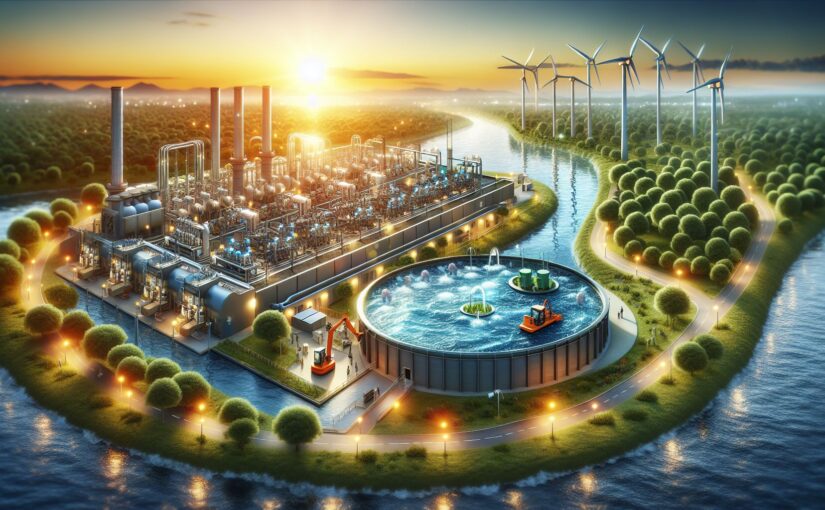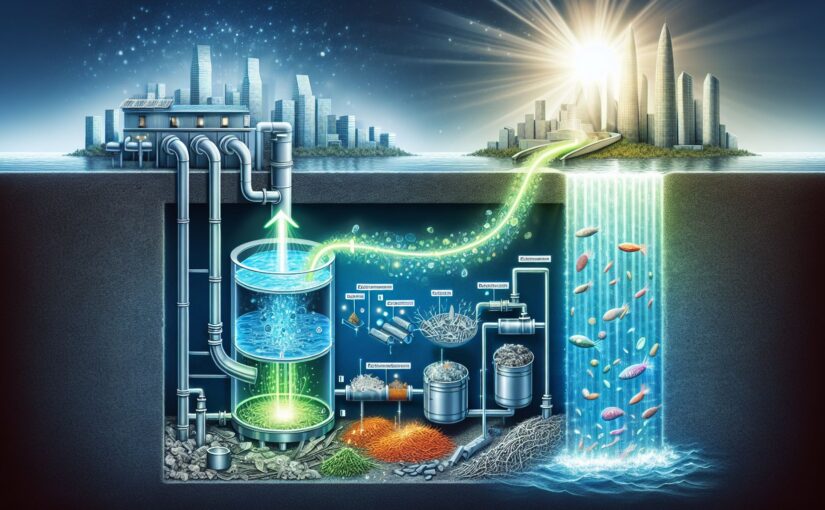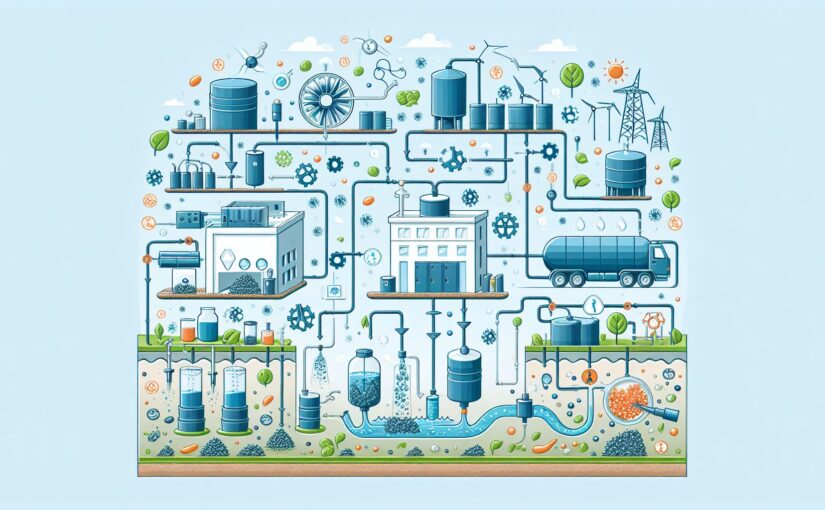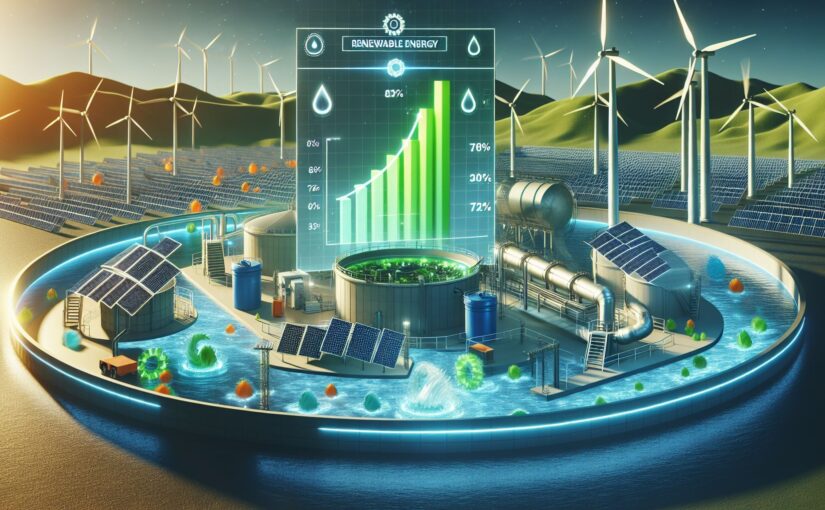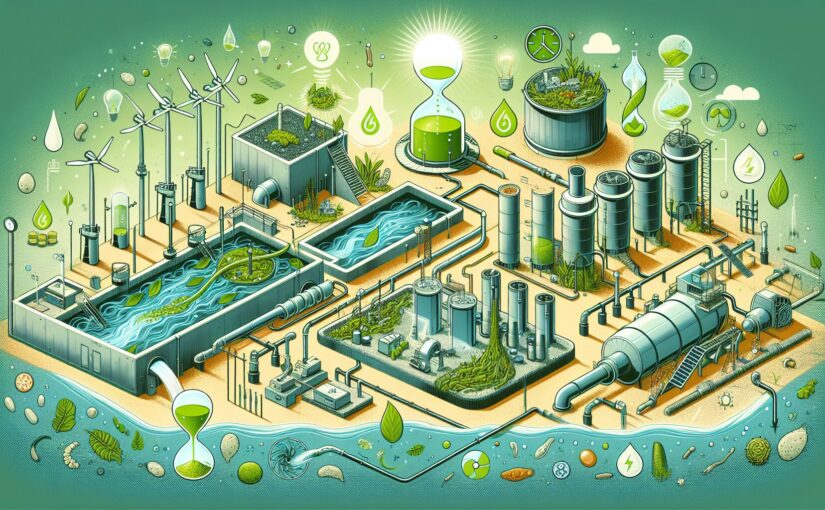
In the quest for sustainability and energy recovery from various processes, wastewater treatment stands at the forefront of scientific research dedicated to environmental preservation and energy generation. Remarkably, a fascinating area within this domain is the production of renewable energy from wastewater. This article delves into how wastewater treatment can be revolutionized by harnessing renewable energy through microbial fuel cells (MFCs), a technology that underlines the nexus between water sanitation and clean energy.
Introduction
Water is an indispensable resource, paramount to life and all industries. Yet, the treatment of wastewater often encompasses energy-intensive processes that are not sustainable. It’s crucial to investigate technologies that can treat water while generating energy, decreasing reliance on external power sources, and moving towards a greener future. Microbial fuel cells for wastewater treatment transform organic matter into electrical energy, drawing considerable attention due to their dual benefit of water decontamination and clean energy production.
Microbial Fuel Cells for Wastewater Treatment
Microbial fuel cells (MFCs) are bio-electrochemical systems exploiting the metabolic processes of microorganisms to break down organic compounds in wastewater, generating electricity as a byproduct. This technology represents a promising alternative to the conventional, energy-consuming water purification methods.
The Basic Principle of MFCs
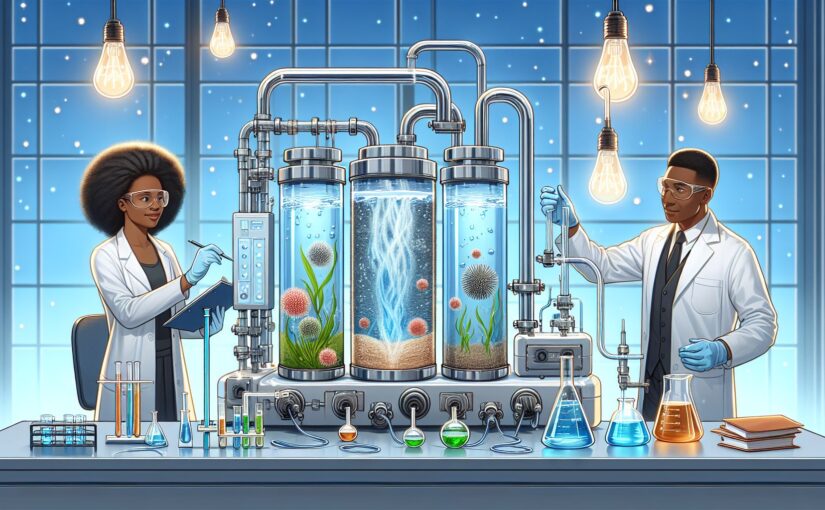
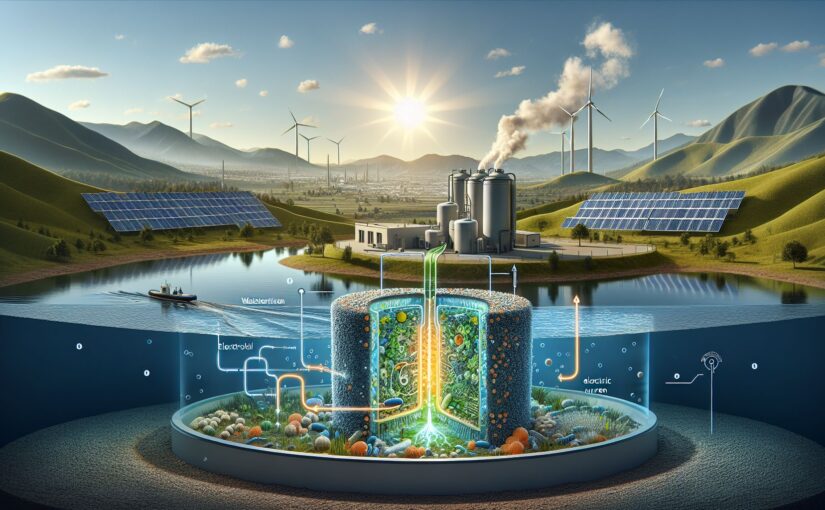
An MFC consists primarily of two compartments: an anaerobic anode and an aerobic cathode, partitioned by a proton exchange membrane. Electroactive bacteria reside in the anode compartment, where they metabolize the organic matter, releasing electrons and protons in the process (Logan et al., 2006). Electrons travel through an external circuit to the cathode, whereas protons diffuse through the membrane, helping to complete the circuit. At the cathode, electrons and protons combine with oxygen to form water, thus concluding the electricity generation cycle.
Advantages of Using MFCs in Wastewater Treatment
- Sustainable Energy Production: MFCs transform the chemical energy in wastewater directly into electrical energy, contributing to the generation of renewable energy.
- Lower Energy Input: Traditional wastewater treatment is energy-demanding, while MFCs can potentially self-sustain or even produce excess electricity.
- Reduction of Sludge: The bacterial metabolism in MFCs reduces the volume of biosolids produced, lowering disposal costs and environmental impact.
- Simultaneous Treatment and Power Generation: MFCs enable wastewater treatment to be coupled with the production of bioelectricity, making the traditionally cost-laden process an energy source.
- Carbon Footprint Reduction: Energy generation via MFCs has a smaller carbon footprint compared to fossil fuels.
Renewable Energy Recovery from Wastewater
Bioelectricity Generation Mechanism
The heart of bioelectricity generation in MFCs lies in the activities of electrogenic, or electroactive, bacteria. These microorganisms are capable of extracellular electron transfer, meaning they can release electrons to an external solid acceptor, such as the anode in MFCs. Among these bacteria, certain species known as exoelectrogens (like Shewanella oneidensis and Geobacter sulfurreducens) play a critical role due to their high electron transfer rates (Kim et al., 2007).
Nutrient Recovery and Water Purification
While generating electricity, MFCs treat wastewater by converting organic pollutants into harmless or less harmful substances. The process can also facilitate the recovery of valuable nutrients, such as nitrogen and phosphorus, which can be reused in agriculture, thus closing the loop in a circular economy.
Technology Optimization
Power Density and Coulombic Efficiency
Power density and coulombic efficiency are key performance metrics for MFCs. They represent the electric power generated per volume and the fraction of electrons used for electricity production from the total available electrons, respectively. Advances in electrode materials, design, and understanding of the microbial communities enhance MFC performance to become a more viable option for wastewater treatment.
Electrode Materials for MFCs
The choice of electrode materials is pivotal, affecting the efficiency and cost-effectiveness of MFCs. Carbon-based electrodes, especially those modified with catalytic materials, present high electrical conductivity and biocompatibility for bacterial adherence and electron transfer.
Scaling Up and Continuous Flow MFCs
To be practical for industrial wastewater treatment, MFCs must operate in continuous flow and on a larger scale. Continuous flow MFCs can handle fluctuating wastewater volumes and, when scaled, address the large quantities of wastewater produced by urban centers or industries (He et al., 2005).
Challenges and the Path Forward
While MFCs offer innovative solutions, transitioning from lab-scale to industrial applications requires overcoming certain challenges, such as cost-effective electrode materials, system scalability, and maintaining microbial health and diversity. Research and development are directed toward addressing these challenges, with the aim of establishing MFCs as a standard for eco-friendly wastewater treatment.
Conclusion
As we progress towards a sustainable future, the integration of wastewater treatment and renewable energy generation through MFCs becomes increasingly relevant. By converting waste into wattage, MFCs foster a circular economy, reduce environmental footprints, and pave the way for viable water resource management. The continued exploration and development of this technology promise a new era of sustainability, where every drop of water can potentially contribute to the energy needs of our society.
Microbial fuel cells offer more than just a glimpse into the future of wastewater treatment; they represent a bridge to cleaner water and energy sources. As science advances, this technology’s potential could well extend beyond wastewater, tapping into a myriad of biodegradable organic resources. It embodies the synergy of environmental stewardship and innovative energy solutions, a synergy that our planet will benefit from for generations to come.