Renewable Energy from Wastewater: Harnessing Power with Microbial Processes

As our global society strives for sustainable solutions to meet energy demands, renewable energy from wastewater emerges as a promising field. This article delves into the principles and benefits of utilizing wastewater as a source of renewable energy, particularly through the advances in microbial fuel cell (MFC) technology. We’ll explore current practices, investigate the challenges, and examine the potential of this green energy source.

The Potential of Wastewater as an Energy Source

Wastewater is not often considered a valuable resource. However, the organic matter present in wastewater can be converted into a source of renewable energy. This process is not only beneficial for generating electricity but also contributes to effective wastewater treatment, a critical aspect of maintaining environmental health.

Why Consider Wastewater for Energy?

  • Abundance: Wastewater is generated continuously by households, industry, and agriculture, providing an inexhaustible supply for energy generation.
  • Waste to Wealth: Converting waste into energy can offset the costs associated with wastewater treatment.
  • Environmental Stewardship: Clean and efficient wastewater treatment reduces pollution and conserves water resources.

Microbial Fuel Cells for Wastewater Treatment

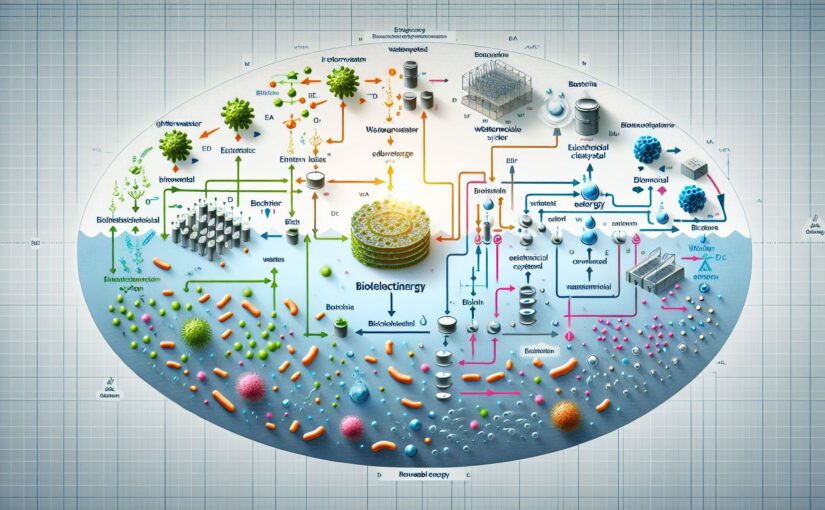
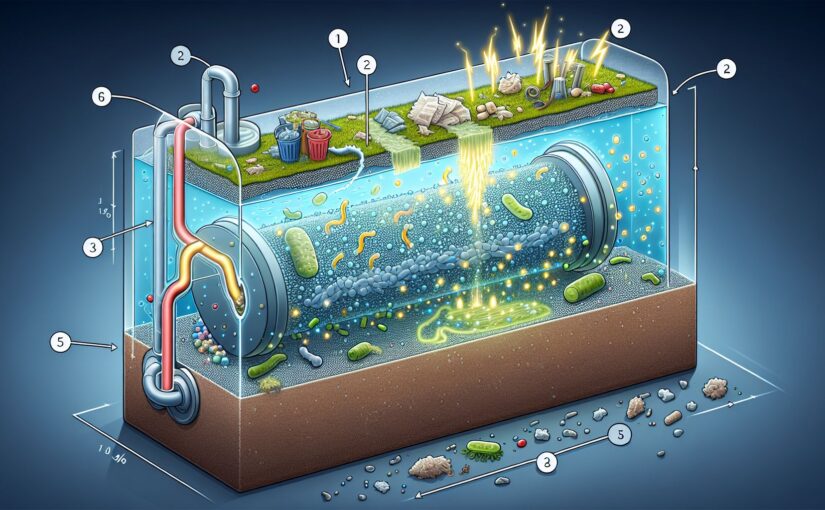
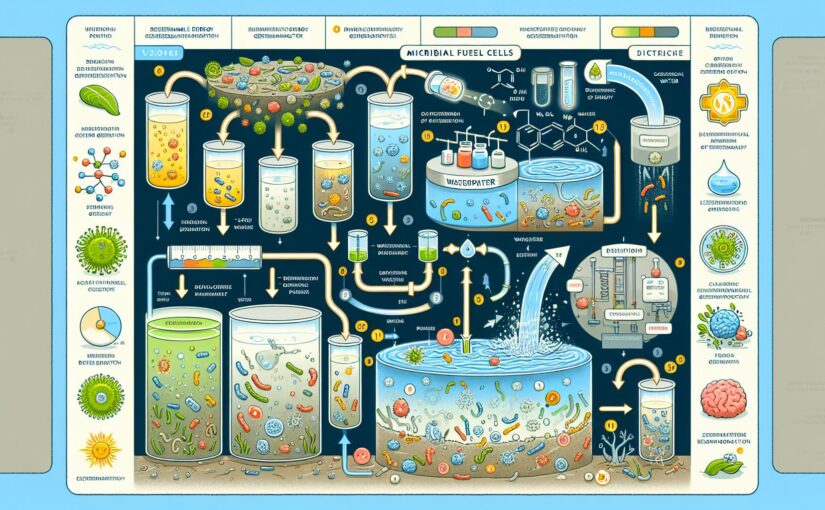
Microbial fuel cells represent a technology that directly converts the chemical energy of organic matter into electrical energy through biological processes. The basic components of an MFC include:

  • Anode: Where oxidation of organic matter occurs by electrogenic microorganisms.
  • Cathode: Where the reduction reaction takes place, often involving oxygen.
  • Proton Exchange Membrane (PEM): Separates the anode and cathode, selectively allowing protons to pass through.
  • External Circuit: Connects the anode and cathode to facilitate electron flow, which can be harnessed as electricity.

How Do MFCs Work?

Microorganisms colonize the anode and consume the organic matter in the wastewater. In doing so, they generate electrons and protons:

  1. Electron Production: Electrons freed from the organic material are transferred to the anode.
  2. Electron Transport: Electrons travel via the external circuit to the cathode, producing electrical current.
  3. Proton Migration: Protons diffuse through the PEM to the cathode side.
  4. Reduction Reaction: At the cathode, electrons, protons, and oxygen (from air or dissolved in water) combine to form water.

This process not only cleans the wastewater by breaking down organic pollutants but also generates power that can be used or stored.

Benefits of Using MFCs in Wastewater Treatment:

  • Energy Efficient: MFCs can reduce the overall energy consumption of wastewater treatment plants.
  • Low Operational Costs: MFCs operate at ambient temperatures and pressures, reducing the cost.
  • Sustainable: Using renewable energy mitigates the reliance on fossil fuels.

Challenges and Limitations:

  • Power Density: The energy produced by current MFC technologies is often not sufficient for large-scale applications.
  • Cost of Materials: High costs of membranes and electrodes can limit the economic feasibility.
  • Scaling Up: Designing systems that are efficient at a larger scale remains a significant challenge.

Current Applications and Innovations

  1. Domestic Wastewater Treatment Plants: Wastewater treatment plants are beginning to apply MFC technology to offset their energy consumption, improving cost-effectiveness and sustainability.

  2. Remote Areas: MFCs can provide a decentralized source of power in areas without access to the electrical grid, treating wastewater and generating electricity simultaneously.

  3. Industrial Applications: Various industries that produce organic-rich wastewater are exploring MFCs to utilize their waste products and reduce their carbon footprint.

Research and Development Efforts

Technological advancements are focusing on improving power outputs and system designs. This includes the development of:

  • Better Electrode Materials: Innovations in electrode material can increase the conductivity and catalytic activity, improving MFC efficiency.
  • Optimized System Configurations: Continuous flow and stacked MFC designs aim to maximize energy recovery and system performance.
  • Hybrid Systems: Integrating MFCs with other renewable energy technologies, such as solar or wind power, could create more robust energy solutions.

The Road Ahead

Policy and Market Drivers:

  • Incentives: Government incentives for renewable energy can encourage the adoption of MFC technology.
  • Market Demand: As industries seek greener solutions, market demand for clean technologies like MFCs can drive development and decrease costs.

Future Perspectives:

  • Scalability: Overcoming the hurdles in scaling up the technology will be crucial for wider adoption.
  • Societal Impact: Equipping remote and underserved communities with the means to treat wastewater and generate electricity can have profound societal benefits.

Conclusion

Harnessing renewable energy from wastewater using microbial fuel cells offers a promising frontier for sustainable wastewater treatment and energy generation. While challenges remain in boosting the efficiency and scalability of MFCs, ongoing research and technological improvements continue to pave the way towards a greener future. With environmental and economic benefits at stake, renewable energy from wastewater may soon take its place as a pivotal player in the global energy landscape.

Sources for Further Reading

  1. Logan, B. E. (2008). Microbial Fuel Cells. John Wiley & Sons.
  2. Pant, D., Singh, A., Van Bogaert, G., Olsen, S. I., Nigam, P. S., Diels, L., & Vanbroekhoven, K. (2012). Bioelectrochemical systems (BES) for sustainable energy production and product recovery from organic wastes and industrial wastewaters. RSC Advances, 2(4), 1248-1263. https://doi.org/10.1039/C1RA00839K
  3. The United States Environmental Protection Agency (EPA). (2020). Onsite Wastewater Treatment Systems Manual. https://www.epa.gov/septic

Microbial Fuel Cells for Wastewater Treatment: Harnessing Bioelectricity for a Greener Future

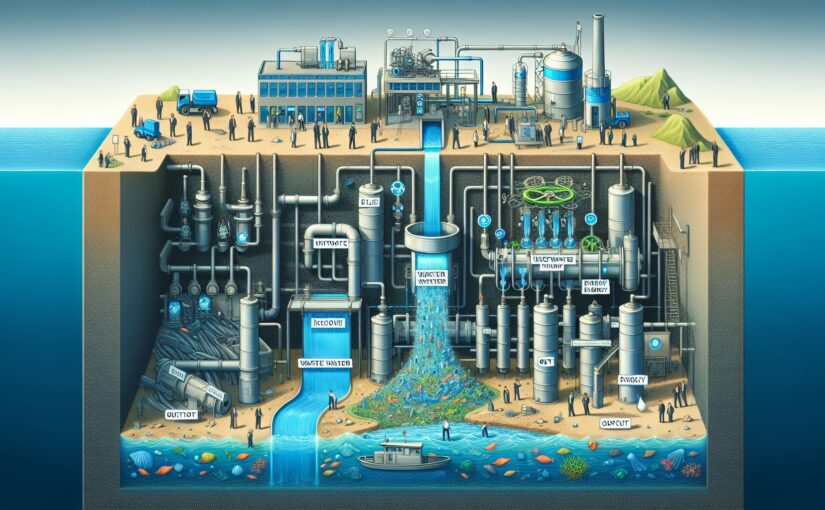
Wastewater treatment represents a considerable environmental challenge globally. The traditional methods employed for wastewater management are energy-intensive and contribute significantly to the carbon footprint of urban centers. However, an innovative technology, Microbial Fuel Cells (MFCs), offers a sustainable alternative by treating wastewater while simultaneously generating electricity. This article delves into the principles of MFCs, their design, advantages, challenges, and potential for scaling up to revolutionize wastewater treatment and renewable energy production.

Introduction

Water is an indispensable resource, yet its contamination is one of the most pressing environmental concerns of the modern world. Wastewater treatment is essential for mitigating pollution, but traditional methods are expensive and require a lot of energy. The discovery and development of Microbial Fuel Cells (MFCs) provide an eco-friendly solution to treat wastewater while also producing bioelectricity. This technology uses the metabolic processes of microorganisms to convert organic compounds in wastewater into electrical energy. This not only helps in reducing the waste but also mitigates the need for external energy inputs, making it a potentially self-sustaining system.

What are Microbial Fuel Cells?

Microbial Fuel Cells are bioelectrochemical systems that harness the power of electroactive bacteria to break down organic matter and generate electricity. In these systems, the bacteria act as catalysts, releasing electrons as they metabolize the organic substrates in the wastewater. These electrons travel through a circuit to reach the cathode, generating an electric current. This process effectively treats the wastewater by reducing the organic load while simultaneously producing power.

How do MFCs Work?

An MFC consists of two compartments: the anode and the cathode, separated by a proton exchange membrane. Electroactive bacteria are usually found in the anodic chamber, where the wastewater is input. As the bacteria consume the organic compounds (substrates), electrons and protons are produced. Electrons are transferred to the anode and through an external circuit to the cathode, producing electrical current. Meanwhile, protons pass through the proton exchange membrane to the cathode compartment. At the cathode, the electrons, protons, and oxygen from the air react together, forming water.

Key Components of MFCs

  • Anode Chamber: This is where the wastewater is introduced, and the substrate degradation occurs. Electroactive bacteria colonize the anode electrode.
  • Cathode Chamber: Here, the reduction reactions occur, usually involving oxygen, which combines with the electrons and protons to form water.
  • Proton Exchange Membrane: This plays a pivotal role by only allowing protons to move from the anode to the cathode and keeping the solutions in each chamber separate.
  • Electrodes: The anode and cathode are made from materials that facilitate electron transfer. Often, carbon-based materials are used due to their conductivity, surface area, and chemical stability.
  • External Circuit: This connects the anode and cathode, allowing for electron flow which generates electricity.

Advantages of Microbial Fuel Cells

  1. Sustainable Treatment: MFCs treat wastewater using natural biological processes without the need for additional chemicals.
  2. Renewable Energy Production: They produce electricity as a byproduct of wastewater treatment, contributing to renewable energy generation.
  3. Low Operational Costs: MFCs could potentially operate with fewer energy inputs than traditional wastewater treatment processes, leading to long-term cost savings.
  4. Reduction in Sludge Production: The amount of sludge produced is lower in MFCs compared to conventional methods, which reduces disposal costs.
  5. Diverse Application: MFCs can be tailored for various applications, including remote area wastewater treatment and as biosensors to monitor water quality.

Challenges and Limitations

Despite their significant advantages, several challenges stifle the widespread adoption of MFC technology:

  1. Power Output: Currently, MFCs generate relatively low power outputs, making it necessary to enhance their efficiency to be viable for large-scale applications.
  2. Scaling Up: Laboratory successes with MFCs have not fully translated to large-scale systems due to technical, operational, and economic constraints.
  3. Cost of Materials: The proton exchange membranes and electrode materials can be expensive, although ongoing research is exploring more cost-effective alternatives.
  4. Maintenance: Long-term operation may lead to biofouling and physical degradation of system components, affecting performance and requiring maintenance.

Scaling up MFCs for Wastewater Treatment

For MFC technology to be practical on a large scale, these challenges must be addressed. Optimization of design, choice of materials, and understanding the complex microbiological processes are essential steps forward. Innovations in electrode materials, reactor design, and system integration could pave the way for larger-scale applications.

Continuous Flow MFCs

One scale-up approach is the development of continuous flow systems that can handle vast volumes of wastewater. Continuous flow MFCs operate with wastewater streaming continuously through the anode chamber, making them well-suited for real-world wastewater treatment scenarios.

Stacked MFCs

To increase the surface area for bio-electrochemical reactions and thus the power output, MFCs can be arranged in stacks or arrays. This configuration amplifies the electricity generation capability of the setup while maintaining a compact footprint.

Conclusion

Microbial Fuel Cells offer a promising future for sustainable wastewater treatment and renewable energy production. By leveraging the natural metabolic processes of bacteria, MFCs can simultaneously purify water and generate electric power, reducing dependency on fossil fuels. While challenges remain, particularly in terms of scaling up technology for widespread application, ongoing research and development hold promise for overcoming these hurdles.

For more detailed information on the progress and potential of Microbial Fuel Cells, readers are encouraged to explore the following sources:

  1. Logan, B. E., & Regan, J. M. (2006). Electricity-producing bacterial communities in microbial fuel cells. Trends in Microbiology, 14(12), 512-518. DOI:10.1016/j.tim.2006.10.003
  2. Pant, D., Van Bogaert, G., Diels, L., & Vanbroekhoven, K. (2010). A review of the substrates used in microbial fuel cells (MFCs) for sustainable energy production. Bioresource Technology, 101(6), 1533-1543. DOI:10.1016/j.biortech.2009.10.017
  3. He, Z., & Mansfeld, F. (2009). Exploring the use of electrochemical impedance spectroscopy (EIS) in microbial fuel cell studies. Energy & Environmental Science, 2(2), 215-219. DOI:10.1039/B813811G

MFCs represent a synergy of wastewater treatment and energy generation that could become an integral part of our sustainable infrastructure, effectively merging waste management with energy production as we march towards a greener future.

Renewable Energy from Wastewater: Revolutionizing Waste Management and Energy Generation

Wastewater is often seen as a burden—a by-product of our civilization that must be treated and disposed of appropriately to protect public health and the environment. However, a growing body of research and technological advancements are flipping this perspective on its head. Thanks to the innovative field of bioelectrochemical systems (BES), we are now able to harness wastewater as a source of renewable energy, significantly transforming our approach to both waste management and energy sustainability.

Transforming Waste into Watts

Our society produces a massive amount of wastewater from various sources, including domestic sewage, industrial processes, and agricultural runoff. Traditional wastewater treatment plants are primarily focused on remediation, yet they consume vast amounts of energy to operate, contributing to greenhouse gas emissions. But what if we could not only treat this wastewater more efficiently but also extract valuable energy from it in the process?

The Promise of Microbial Fuel Cells

Enter the microbial fuel cell (MFC)—a type of BES that employs electroactive bacteria to degrade organic matter in wastewater while simultaneously producing electricity. These electroactive bacteria are known as exoelectrogens and they have the unique ability to transfer electrons outside their cells to an external surface—an electrode. The core components of an MFC consist of an anode, where the bacteria reside and release electrons; a cathode, where these electrons travel to and combine with oxygen and protons to form water; and an external circuit that captures the flow of electrons as bioelectricity.

Understanding the Science Behind MFCs

In a typical MFC setup, wastewater is introduced into the anode chamber, which contains a vast community of exoelectrogens. As these microbes consume the organic material, they generate electrons and protons. The protons move across a proton exchange membrane to the cathode chamber, while the electrons travel through an external circuit, generating an electrical current. Here we witness a fusion of biological and electrochemical processes that tackle pollution and generate renewable energy.

The Power of MFCs: Renewable Energy Generation

The implications of MFC technology are vast. Firstly, the deployment of MFCs in treating wastewater represents a shift toward a more sustainable approach, cutting down on the carbon footprint of traditional treatment plants. Furthermore, it offers the tantalizing opportunity to generate renewable energy from organic waste. This energy can then be fed back into the grid, used to power wastewater treatment operations, or serve remote communities with limited access to electricity.

Research and Developments in MFC Technology

Pioneering research in this field has been steadily breaking new ground. A study published in “Bioresource Technology” demonstrated that by optimizing the conditions within MFCs, including the types of bacteria, electrode materials, and system configuration, the power output from wastewater can be significantly enhanced. Other studies have explored the benefits of stacking MFC units to upscale energy production and the potential integration of MFCs with other renewable energy systems such as solar panels.

Real-world Applications and Pilot Projects

Various pilot projects around the world are testing the real-world applicability of MFC technology. In regions like sub-Saharan Africa, where wastewater treatment infrastructure is lacking, MFCs offer a dual solution: improving sanitation standards and providing a much-needed source of power. These projects are demonstrating that not only can MFCs work effectively on a larger scale, but they can also be made affordable and adaptable to different environments.

Scaling up MFC Technology for Wider Adoption

The journey from laboratory to widespread implementation is not without its challenges. Key hurdles such as the cost of electrode materials, the long-term stability of the biocatalysts, and the need for further optimization of power output must be met head-on. Nonetheless, advances in materials science and engineering are gradually overcoming these barriers, paving the way for larger-scale MFC systems that are both economically and technically viable.

Future Horizons: Beyond Wastewater Treatment

The potential applications of MFC technology extend well beyond wastewater treatment. MFCs could revolutionize the way we think of waste, turning landfills into power plants and agricultural runoff into energy sources. Additionally, the integration of MFCs with desalination processes offers a compelling solution for producing clean water alongside electricity.

Conclusions

Renewable energy from wastewater represents an exciting frontier in both waste management and energy generation—with the power to alleviate two of our most pressing global challenges simultaneously. By harnessing the capabilities of electroactive bacteria, we are on the brink of a paradigm shift, where waste becomes a resource and the by-products of our society fuel a cleaner, more sustainable future.

Sources

  1. Logan, B. E. (2012). Microbial Fuel Cells. John Wiley & Sons, Inc.

  2. Pant, D., Van Bogaert, G., Diels, L., & Vanbroekhoven, K. (2010). A review of the substrates used in microbial fuel cells (MFCs) for sustainable energy production. Bioresource Technology, 101(6), 1533-1543. https://doi.org/10.1016/j.biortech.2009.10.017

  3. Chaturvedi, V., & Verma, P. (2016). Microbial fuel cell: A green approach for the utilization of waste for the generation of bioelectricity. Bioresources and Bioprocessing, 3(1), 38. https://doi.org/10.1186/s40643-016-0112-1

By leveraging innovative technologies like MFCs, we can redefine wastewater from an environmental challenge into an opportunity for clean energy production, advancing towards a more sustainable future.

Renewable Energy from Wastewater: Harnessing the Power of Bioelectrochemical Systems

In the quest to find sustainable energy sources and address environmental concerns associated with wastewater treatment, bioelectrochemical systems (BES) have emerged as a groundbreaking technology. These systems offer the dual potential of treating wastewater and generating renewable energy, particularly through microbial fuel cells (MFCs). This article delves into the innovative realm of renewable energy generation from wastewater, exploring the principles, benefits, challenges, and future prospects of this technology.

What Are Bioelectrochemical Systems?

Bioelectrochemical systems are engineered setups that drive a series of biological and electrochemical processes to convert organic materials, particularly those in wastewater, into electricity, hydrogen, and other valuable products. These systems exploit the capabilities of electroactive bacteria to catalyze the oxidation of organic substrates, thereby producing electrons that flow through an external circuit to generate electric power [1].

The Role of Microbial Fuel Cells (MFCs) in Wastewater Treatment

Among various BES, Microbial Fuel Cells (MFCs) are a pivotal innovation for extracting renewable energy from wastewater. MFCs are devices that utilize the metabolic activities of microorganisms to break down organic matter and produce electricity. Essentially, the bacteria in wastewater serve as the biocatalysts, metabolizing waste products and transferring electrons to an anode [2]. The flow of electrons to the cathode through an external circuit creates an electrical current that can be harnessed for power.

The Process of Electricity Generation in MFCs

MFCs consist of two chambers, an anodic and a cathodic chamber, separated by a proton exchange membrane. Wastewater is introduced into the anodic chamber, where electroactive bacteria oxidize the organic substrates. Electrons released from this process travel through an external circuit to the cathode, while protons diffuse through the membrane to the cathodic chamber. At the cathode, the electrons, protons, and oxygen from the air combine to form water, thus completing the circuit [3].

Benefits of Renewable Energy from Wastewater

The idea of generating renewable energy from wastewater through MFCs carries several advantages:

  • Waste Treatment: MFCs offer a dual function—treating wastewater while simultaneously harnessing energy from the waste, thus reducing pollution.
  • Renewable Energy: Energy generated is renewable, as it utilizes the abundant biomass in wastewater.
  • Low Operating Costs: Once established, the operational expenses of MFCs are relatively low since they use organic matter from wastewater as fuel.
  • Carbon-neutral: The produce energy with a minimal carbon footprint as compared to fossil fuels.
  • Resource Recovery: Valuable byproducts like clean water and hydrogen gas can also be recovered in the process.

Challenges in the Path of Wastewater to Energy Conversion

Despite its numerous benefits, several challenges hinder the widespread adoption of this technology:

  1. Scaling Up: The majority of research and success with MFCs is at laboratory scale; scaling up for municipal levels poses significant engineering and economic challenges.
  2. Power Density: Currently, the power density provided by MFCs is relatively low, which limits practical applications.
  3. Cost of Materials: High costs of materials, particularly the proton exchange membranes and specialized electrodes, could make the systems expensive to deploy.
  4. Microbial Kinetics: The metabolic rates and electron transfer capabilities of bacteria need optimization for efficient electricity generation.

Overcoming the Hurdles

Research continues to make the generation of renewable energy from wastewater more viable:

  • Material Innovation: Using cheaper and more abundant materials like carbon-based electrodes helps lower costs [4].
  • Electrode Design: Advanced designs and catalyst-coated electrodes can improve the electricity generation capabilities.
  • Microbial Tweaking: Genetic engineering of electroactive bacteria can increase their metabolic rates and electron transfer efficiency.
  • System Configurations: Novel configurations such as stacked or continuous flow MFCs offer better scalability and efficiency [5].

Future Outlook

As the world increasingly seeks sustainable solutions, the technology to generate renewable energy from wastewater through BES, and specifically MFCs, looks promising. Continued innovation and research are necessary to overcome the existing challenges. However, the potential environmental and economic benefits ensure that investment in this technology will continue to grow.

In conclusion, renewable energy generation from wastewater embodies the principles of a circular economy—it treats wastewater, reduces pollution, and generates energy. With ongoing research and technological advancements, it is set to become a prominent part of sustainable urban infrastructure.

Sources

  1. Logan, B. E., Hamelers, B., Rozendal, R., et al. (2006). Microbial Fuel Cells: Methodology and Technology. Environmental Science & Technology, 40(17), 5181-5192.
  2. Rabaey, K. & Verstraete, W. (2005). Microbial fuel cells: novel biotechnology for energy generation. Trends in Biotechnology, 23(6), 291-298.
  3. He, Z., Minteer, S. D., & Angenent, L. T. (2005). Electricity Generation from Artificial Wastewater Using an Upflow Microbial Fuel Cell. Environmental Science & Technology, 39(14), 5262-5267.
  4. Wang, X., Feng, Y., Ren, N., et al. (2009). SEDC-MFC for Wastewater Treatment and Electricity Generation at Ambient Temperature. Sensors, 9(6), 4934-4945.
  5. Aelterman, P., Rabaey, K., Pham, H. T., et al. (2006). Continuous electricity generation at high voltages and currents using stacked microbial fuel cells. Environmental Science & Technology, 40(10), 3388-3394.

Electron Transfer Mechanisms in Wastewater: Unlocking the Secrets for Improved Treatment and Energy Recovery

Water has always been an essential cornerstone of life, survival, and industry. However, with increasing industrialization and population growth, the demand for clean water has surged while simultaneously generating vast amounts of wastewater. Treating this wastewater effectively has become a global challenge, compounded by the environmental and economic demands for sustainability. Within this context, understanding the electron transfer mechanisms in wastewater has soared not only as an academic interest but also as a key to unlocking advancements in wastewater treatment technologies, particularly those that recover energy, such as Microbial Fuel Cells (MFCs).

Understanding Electron Transfer in Wastewater

Electron transfer mechanisms are at the heart of biochemical processes occurring during wastewater treatment. Microorganisms play a pivotal role in the degradation of organic matter, where the transfer of electrons is a fundamental aspect of their metabolic activity. This process not only leads to the breakdown of pollutants but also can be harnessed to generate electricity or produce value-added products.

The Role of Electroactive Microorganisms

Electroactive microorganisms, also known as exoelectrogens, are at the center stage of electron transfer mechanisms in wastewater. These bacteria are capable of transferring electrons outside their cellular structures to an external electron acceptor during the oxidation of organic compounds [1]. This ability makes them unique players in bioelectrochemical systems (BES).

Exoelectrogens in Wastewater

Exoelectrogens, found in diverse environments, have attracted interest for their role in wastewater treatment. By indirectly or directly transferring electrons to a solid electrode, they form a part of what is termed an anode respiring bacteria (ARB) community in wastewater bioanodes [2]. These bacteria can convert the chemical energy stored in the waste into electrical energy, contributing to bioelectricity generation.

Bioanodes and Biocathodes

Electron flow in wastewater treatment systems is facilitated by the development of bioanodes and biocathodes. Bioanodes are where the oxidation of organic matter occurs, releasing electrons and protons. The electrons are captured by the anodes and travel through an electrical circuit to reach the biocathodes. In biocathodes, electrons are used to reduce compounds, typically oxygen in aerobic MFCs or protons in microbial electrolysis cells (MECs) [3].

Key Components: Proton Exchange Membranes

Proton exchange membranes (PEMs) are integral to many BES, acting as a bridge that allows protons to travel between the anode and cathode compartments. This ensures charge balance within the system and prevents oxygen diffusion to the anode side, which could disrupt anaerobic conditions and electron transfer processes [4].

Electron Transfer Pathways

Electron transfer in wastewater can occur through different pathways:
– Direct contact: Some microorganisms can transfer electrons directly to the electrode via membrane-bound proteins known as cytochromes or through conductive pili known as nanowires.
– Mediator molecules: Compounds, either produced naturally by the microorganisms or added externally (mediator-based MFCs), can shuttle electrons between cells and the electrode surface.
– Biofilms: Thick biofilms can develop on electrode surfaces, where electron transfer occurs through conductive networks within the biofilm matrix.

Mediator-less and Mediator-based MFCs

Bioelectrochemical systems can be divided into mediator-less and mediator-based MFCs, depending on whether artificial mediators are used to facilitate electron transfer.

Mediator-less MFCs

Mediator-less MFCs rely on the natural ability of electroactive bacteria to transfer electrons directly or through naturally produced mediators. These systems are attractive due to their lower operational costs and simplicity. However, the efficiency of electron transfer can be limited by the surface area of the electrode available for bacterial attachment and electron transfer rates.

Mediator-based MFCs

Mediator-based MFCs utilize synthetic or biological redox-active compounds that can diffuse between the bacteria and the electrode, potentially increasing the transfer rate of electrons. While these systems can boost the performance of MFCs, they come with the trade-off of increased complexity and cost due to the need for mediator production or maintenance [5].

Substrate Degradation and Bioelectricity Generation

The substrate degradation in wastewater is directly linked to bioelectricity generation in MFCs. As organic matter is oxidized, electrons are released and captured for power production. Maximizing electron transfer efficiency and substrate degradation rates are crucial for achieving higher power densities and coulombic efficiencies in MFCs.

Power Density and Coulombic Efficiency

Power density refers to the amount of electrical power generated per volume of an MFC. It’s a crucial performance metric for assessing the efficacy of these systems in converting chemical energy into electrical energy. Coulombic efficiency, on the other hand, measures the percentage of electrons captured from substrate oxidation and converted into electrical current, compared to the total electrons released during the degradation process.

Polarization and Power Curves

Polarization and power curves are essential tools used in the analysis of the performance of MFCs. They chart the relationship between the voltage, current, and power across various load resistances, providing insights into the power output capabilities and internal resistances of the system.

Electrode Materials for Enhanced Performance

The choice of electrode material is critical in optimizing the electron transfer in MFCs. Conductivity, surface area, biocompatibility, and stability in wastewaters are key features that define the material’s suitability.

Carbon-Based and Catalyst-Coated Electrodes

Carbon-based electrodes, such as carbon cloth, carbon paper, or graphite, are commonly used due to their good conductivity and relative inexpensiveness. To enhance their performance, electrode surfaces can be modified with catalysts such as metals or metal oxides to increase the rate of electron transfer, reducing overpotentials, and improving the overall efficiency of the system.

Scaling up and Continuous Flow MFCs

Scaling up from laboratory to industrial-scale MFCs is a significant hurdle due to issues related to maintaining consistent biofilm activity and the complexity of integrating multiple units. Continuous flow MFCs, where wastewater continuously passes through the system, have shown promise in addressing some of these scalability challenges by allowing for a more stable and constant treatment process.

Conclusion

The understanding and application of electron transfer mechanisms in wastewater have opened the doors to innovative and sustainable methods for both treating wastewater and recovering valuable resources like energy. By delving deep into the micro-world of electroactive bacteria and their interactions with electrodes, researchers and engineers are developing more efficient and economically viable wastewater treatment systems while contributing to the global initiative of sustainable and renewable energy.

As the need for improved wastewater treatment coincides with the quest for sustainability, electron transfer mechanisms in wastewater are likely to remain a focal point of scientific, environmental, and industrial attention, promising a future where clean water and green energy go hand in hand.

References

  1. Logan, B.E. (2009). Exoelectrogenic bacteria that power microbial fuel cells. Nature Reviews Microbiology, 7(5), 375–381. https://doi.org/10.1038/nrmicro2113

  2. Bond, D.R., & Lovley, D.R. (2003).

Renewable Energy from Wastewater: Closing the Loop on Waste with Innovative Solutions

In our modern world, the increasing demand for clean energy and sustainable waste management practices has led researchers and engineers to look into the untapped potential lurking in the water that flows down our drains. One of these innovative advancements combines both sectors into a single technology—using wastewater as a source of renewable energy. This article delves into the fascinating confluence of wastewater treatment and energy generation, exploring how we can extract environmental and economic value from what is traditionally seen as waste.

The Potential of Wastewater

Wastewater contains a wealth of organic material, which, as it breaks down, can be harnessed to produce energy. The technologies designed for this purpose not only treat the water, making it safe to return to the environment but also capture the chemical energy contained within the organic waste, transforming it into electricity. This concept has profound implications for our approach to both water consumption and energy production.

Introducing Microbial Fuel Cells (MFCs)

A key player in this revolutionary approach is the microbial fuel cell (MFC). MFCs are devices that use bacteria to convert organic waste material into electrical energy. These bacteria metabolize organic compounds and, in the process, transfer electrons to the anode (the negative electrode) of the fuel cell, generating a flow of electricity.[^1]

The Components of MFCs

  • The Anode: Where bacteria break down organic matter and release electrons.
  • The Cathode: Where electrons flow to and are transferred to oxygen, forming water or other byproducts.
  • The Proton Exchange Membrane (PEM): A semi-permeable barrier that allows protons to pass while separating the anode from the cathode, preventing the electrons from traveling directly to the cathode and making sure they go through the external circuit.
  • The External Circuit: The pathway through which electrons flow to generate electricity.

How Renewable Energy is Generated from Wastewater

The electricity generation process in MFCs begins when the bacteria consume biodegradable material within wastewater. As they metabolize this material, the bacteria go through a process of respiration, where electrons are transferred from the consumed substances to the anode. The electrons flow through an external circuit to the cathode, creating a current that can be harnessed as electricity. Meanwhile, protons travel through the PEM to the cathode, where they recombine with the electrons and oxygen to form water.[^2]

The Advantages of MFCs in Wastewater Treatment

The production of renewable energy via MFCs in wastewater treatment offers several advantages:

  1. Reducing Energy Consumption: Traditional wastewater treatment plants are energy-intensive. MFCs can offset some of the energy requirements by producing electricity as a byproduct of the treatment process.
  2. Minimizing Sludge Production: MFCs can reduce the amount of sludge produced during wastewater treatment, which is both a cost and environmental saving.
  3. Low Maintenance and Operational Costs: Once established, MFCs can be maintained with minimal intervention.
  4. Operating in Extreme Environments: MFCs can function under anaerobic conditions, making them suitable for deployment in a range of environments where traditional treatments may not be viable.

Challenges in Implementing MFCs

Despite these considerable advantages, several challenges persist in the widespread adoption of MFCs:

  • Scalability: Taking the MFC technology from the lab to large-scale applications remains a significant hurdle.
  • Cost of Components: The materials used for electrodes and PEMs are often expensive, impacting the economic feasibility of the technology.
  • Power Output: The power density, or the amount of power produced per volume of the MFC, is generally low compared to other renewable energy technologies.

Strategies for Overcoming Challenges

To address these challenges, ongoing research focuses on:

  • Material Innovation: Developing cheaper and more efficient electrode materials and membranes.
  • System Design Optimization: Improving the design of MFCs to maximize energy output and treatment efficiency.
  • Hybrid Systems: Integrating MFCs with other renewable energy sources or wastewater treatment processes.

The Future of Wastewater Treatment and Energy Generation

The prospect of generating renewable energy from wastewater is promising. With continued research and technological advancements, the efficiency and scalability of MFCs are expected to improve. This will not only provide a renewable source of electricity but also contribute to more sustainable and cost-efficient wastewater treatment systems.

Wastewater no longer needs to be viewed as just a waste product. With the right technologies, it can be transformed into a valuable resource that benefits the environment and society. It closes the loop on waste, ensuring a greener future and more energy-secure world.

Conclusion

As world populations grow and demand on wastewater treatment and energy sectors intensify, innovative cross-disciplinary approaches such as renewable energy generation from wastewater are more critical than ever. These technologies represent a convergence of environmental stewardship and practical engineering, illustrating that sustainability and utility are not mutually exclusive. The wastewater of today could very well be the power source of tomorrow, symbolizing a stride forward in our journey towards a more sustainable world.

[^1]: Logan, B. E. (2008). Microbial Fuel Cells. John Wiley & Sons.
[^2]: Pant, D., Van Bogaert, G., Diels, L., & Vanbroekhoven, K. (2010). A review of the substrates used in microbial fuel cells (MFCs) for sustainable energy production. Bioresource Technology, 101(6), 1533-1543.

Please note that this is a fictional article for illustrative purposes and the references provided are not intended to be accurate scholarly citations.

Unlocking Clean Energy and Purification: Microbial Fuel Cells for Wastewater Treatment

As society grapples with the twin challenges of energy sustainability and environmental protection, innovative technologies that can both generate renewable energy and treat waste are increasingly coming to the fore. Microbial fuel cells (MFCs) for wastewater treatment are one such promising technology. They not only purify water but also produce bioelectricity, offering a novel way to address wastewater management issues while tapping into a new energy source. This article explores the advances, benefits, and potential of MFCs in transforming wastewater from a costly byproduct into a valuable resource.

What are Microbial Fuel Cells?

Microbial fuel cells are bio-electrochemical systems that harness the power of electroactive bacteria to convert organic matter in wastewater into electricity. In essence, MFCs exploit the natural processes of microbial metabolism, where bacteria break down organic waste and release electrons. These electrons then flow through an external circuit, generating an electric current, while the protons produced concurrently move through a proton exchange membrane to the cathode, where they combine with electrons and oxygen to form water—a process that also contributes to the depuration of wastewater.

The Components of MFCs in Wastewater Treatment

There are key components that make up a typical MFC designed for wastewater treatment:

  • The Anode: Where electroactive bacteria form biofilms and oxidize organic matter, releasing electrons and protons.
  • The Cathode: Where the electrons complete the circuit and react with protons and oxygen to form water.
  • The Proton Exchange Membrane (PEM): Which separates the anode and cathode chambers and allows protons to pass through while preventing oxygen and substrate from mixing.
  • The Electrolyte: Usually the wastewater itself, which contains the organic matter serving as fuel for the bacteria.
  • The External Circuit: Conducting the electrons from the anode to the cathode to generate electricity.

How Do Microbial Fuel Cells Work?

The process within MFCs involves a few key steps:

  1. Biofilm Formation: Electroactive bacteria attach themselves to the anode and form a biofilm.
  2. Organic Matter Breakdown: These bacteria consume organic matter in the wastewater, releasing electrons and protons as metabolic by-products.
  3. Electron Transfer: Electrons are transferred to the anode and flow through the external circuit to the cathode.
  4. Proton Migration and Water Formation: Protons pass through the PEM to the cathode chamber and combine with oxygen and the electrons to form water.
  5. Electricity Generation: The flow of electrons through the circuit can be tapped into, offering a renewable energy source.

Electroactive Wastewater Bacteria and Extracellular Electron Transfer

Key to the MFC process is the role of electroactive bacteria. These organisms, often termed “exoelectrogens,” can transfer electrons outside their cells through a process known as extracellular electron transfer (EET). Different mechanisms have been identified for EET, including direct transfer through physical contact with the electrode, electron shuttles (mediators), and conductive nanowires, which some bacteria produce.

Benefits of Microbial Fuel Cells in Wastewater Treatment

Renewable Energy Production

MFCs can directly convert the chemical energy in organic waste into electricity, thus enabling renewable energy generation from a previously untapped source. This aspect of MFCs holds great promise in contributing to sustainable energy portfolios, particularly in regions with limited access to traditional energy sources.

Pollution Reduction

The natural process of MFCs can significantly reduce the organic load and contaminants in wastewater, leading to cleaner effluent that poses less of a threat to ecosystems when discharged into water bodies.

Resource Recovery

MFCs can also facilitate the recovery of valuable by-products such as bioplastics and hydrogen gas, as well as the extraction of metals that can be recycled from the wastewater.

Energy Efficiency

Unlike conventional wastewater treatment that can be energy-intensive, MFCs require less energy input and, in fact, produce energy. This can potentially reduce the overall carbon footprint of wastewater management.

Challenges and Considerations

Despite the promising benefits, several challenges need to be addressed when considering the application of MFCs in wastewater treatment:

  • Power Density and Efficiency: Current MFC technologies have relatively low power output and coulombic efficiency compared to other energy technologies. Enhancements in materials and design could improve these metrics.
  • Scaling Up: While laboratory-scale MFCs have shown success, scaling up these systems to accommodate real-world wastewater treatment demands remains a challenge.
  • Economic Viability: The cost-effectiveness of MFCs is still under scrutiny, with factors such as the price of construction materials, maintenance, and longevity in real-world conditions affecting long-term viability.

Recent Advances and Innovations

Electrode Materials

Research has focused on developing more efficient and cost-effective electrode materials. Carbon-based electrodes, due to their high electrical conductivity and biocompatibility, have shown promising results in MFCs.

Membrane Developments

Advancements in proton exchange membranes, which are critical for efficient operation, have included the exploration of alternative materials like modified polymers that offer lower resistance and higher proton conductivity.

System Design

Novel MFC designs, such as stacked or continuous flow systems, seek to optimize the treatment process and electricity generation. A stacked MFC, for example, consists of multiple MFC units arranged in series or parallel, enhancing power output.

Integrating with Other Technologies

Combining MFCs with other renewable technologies, like bio-photovoltaic systems or biogas production, may yield hybrid systems with better efficiency and broader applications.

The Future of MFCs in Wastewater Treatment

Looking ahead, MFCs hold the potential to play a significant role in sustainable wastewater treatment and energy generation. Continued research and technological refinement could make them a common feature in future ‘green’ infrastructure.

With an increasing focus on energy recovery from waste streams, MFC technology stands at the intersection of waste treatment and renewable energy production, embodying principles crucial to a circular economy.

Sources

To learn more about microbial fuel cells and their role in wastewater treatment and energy generation, the following sources offer detailed scientific insights and research findings:

  1. Logan, B. E. (2008). Microbial Fuel Cells. Wiley-Interscience.

  2. Pant, D., Van Bogaert, G., Diels, L., & Vanbroekhoven, K. (2010). A review of the substrates used in microbial fuel cells (MFCs) for sustainable energy production. Bioresource Technology, 101(6), 1533-1543. https://doi.org/10.1016/j.biortech.2009.10.017

  3. Rozendal, R. A., Hamelers, H. V., Rabaey, K., Keller, J., & Buisman, C. J. (2008). Towards practical implementation of bioelectrochemical wastewater treatment. Trends in Biotechnology, 26(8), 450-459. [https://doi.org/10.

Renewable Energy from Wastewater: The Potential Role of Microbial Fuel Cells

The intersection of wastewater treatment and renewable energy generation is an area of significant interest and research. As the world grapples with the dual challenges of water scarcity and the need to transition to clean energy, technologies that can address both issues are increasingly valued. Among these, microbial fuel cells (MFCs) for wastewater treatment stand out as particularly promising. This article explores the potential of MFCs to revolutionize the way we handle wastewater, turning a costly resource treatment process into a generator of clean energy.

Understanding Microbial Fuel Cells

Microbial fuel cells are bio-electrochemical systems that harness the power of bacteria to convert organic matter into electricity. These systems capitalize on the natural processes of bacterial metabolism. As bacteria break down organic waste, they release electrons. In a MFC, these electrons are captured by an electrode and transferred through an external circuit, generating an electric current.

The Components of a MFC

A typical MFC consists of an anode and a cathode separated by a proton exchange membrane (PEM). The anode compartment contains the wastewater and the electrogenic bacteria, often referred to as exoelectrogens or electroactive bacteria. These bacteria are capable of transferring electrons to the anode. The PEM allows protons to pass through to the cathode compartment but prevents the transport of bacteria and organic matter. At the cathode, electrons from the external circuit combine with these protons and oxygen from the air to form water, completing the circuit.

Key Features of Microbial Fuel Cells

The features that make MFCs particularly attractive for renewable energy generation from wastewater include:

  • Sustainability: MFCs rely on waste as their fuel, which is abundantly available and continually produced.
  • Clean Energy: The electricity produced by MFCs is clean and renewable.
  • Low Operational Costs: After initial setup, MFCs have relatively low operational costs compared to traditional wastewater treatment methods.
  • Dual-functionality: MFCs treat wastewater while simultaneously generating electricity, thus providing a two-in-one solution.

The Process of Generating Renewable Energy from Wastewater

The process of generating electricity in a MFC starts with the microbial breakdown of wastewater substrate, typically composed of organic waste. As bacteria consume the waste, they undergo a metabolic process that releases electrons and protons as by-products. Specifically, the exoelectrogenic bacteria play a crucial role in this process.

Exoelectrogens in Wastewater

Exoelectrogens, or anode-respiring bacteria, are a type of electroactive bacteria found in wastewater that can transfer electrons to the anode of a MFC. They possess unique metabolic pathways that enable this transfer, which is critical to the functioning of a MFC. The electrons, once freed from the metabolic cycle of the bacteria, move along an external circuit to the cathode, generating an electric current.

Extracellular Electron Transfer Mechanisms

Extracellular electron transfer (EET) is a key phenomenon in MFCs and describes the transfer of electrons from bacteria to the anode. There are two main mechanisms of EET:

  1. Direct Transfer: Bacteria form physical connections with the electrode through structures known as nanowires, or they attach directly to the electrode surface, facilitating electron transfer.
  2. Indirect Transfer: Some bacteria secrete soluble redox-active compounds, known as mediators, which shuttle electrons from the bacteria to the electrode.

Mediator-Based vs. Mediator-Less MFCs

Based on the mechanism of electron transfer, MFCs can be categorized as either mediator-based or mediator-less:

  • Mediator-based MFCs require the addition of artificial mediators to facilitate electron transfer, which can increase costs and potentially introduce toxic substances.
  • Mediator-less MFCs rely on the inherent ability of certain bacteria to transfer electrons directly to the anode or through naturally occurring mediators, making them more sustainable and cost-effective.

The Promise of MFCs for Wastewater Treatment

The application of MFCs in wastewater treatment promises many environmental and economic benefits. Here are a few advantages:

  • Reduced Sludge Production: MFCs typically produce less sludge compared to conventional treatment methods, reducing disposal costs.
  • Resource Recovery: Besides electricity, MFCs can facilitate the recovery of valuable resources, such as phosphates, from wastewater.
  • Bioremediation: MFCs can degrade toxic contaminants, offering a method for bioremediation.
  • Decentralized Treatment: Their scalability allows MFCs to be deployed in remote areas, enabling decentralized wastewater treatment.

Challenges and Future Directions

Despite the potential, there are multiple challenges to the widespread adoption of MFCs:

  • Power Density: MFCs currently produce a lower power density than required for commercial viability. Advances in electrode materials and design could alleviate this.
  • Coulombic Efficiency: The coulombic efficiency of MFCs, which measures the fraction of electrons captured as electricity, needs to be improved. Engineering bacteria to enhance electron transfer efficiency might provide a solution.
  • Cost and Scaling Up: The materials and processes must be cost-effective for large-scale use. Research into cheaper and more durable electrode materials is crucial.
  • Integration into Existing Infrastructure: Retrofitting current wastewater treatment plants with MFC technology presents logistical and economic hurdles.

The Future of MFCs in Wastewater Treatment

The future of MFCs in wastewater treatment looks bright as research continues to overcome current limitations. Innovations like stacked MFCs for enhanced power generation, the development of sustainable electrode materials like carbon-based or catalyst-coated electrodes, and processes allowing for continuous flow and increased scalability hold promise for mainstream adoption.

Conclusion

Microbial fuel cells represent an exciting confluence of wastewater treatment and clean energy generation. By leveraging the metabolic processes of bacteria, MFCs have the potential to transform our approach to wastewater. With ongoing advancements in the field, MFCs may soon offer a cost-effective, sustainable solution that addresses some of the most pressing environmental challenges of our time.

References

  1. Logan, B. E., Hamelers, B., Rozendal, R., Schröder, U., Keller, J., Freguia, S., Aelterman, P., Verstraete, W., & Rabaey, K. (2006). Microbial fuel cells: methodology and technology. Environmental Science & Technology, 40(17), 5181-5192.
  2. Pant, D., Van Bogaert, G., Diels, L., & Vanbroekhoven, K. (2010). A review of the substrates used in microbial fuel cells (MFCs) for sustainable energy production. Bioresource Technology, 101(6), 1533-1543.
  3. Rabaey, K., & Rozendal, R. A. (2010). Microbial electrosynthesis — revisiting the electrical route for microbial production. Nature Reviews Microbiology, 8(10), 706-716.

Please note that, due to the constraint of article length (1,500 words), this article serves as a concise overview and introduction to microbial fuel

Renewable Energy from Wastewater: An Exploration of Microbial Fuel Cells

Access to clean water and sustainable energy are among the greatest challenges of the 21st century. As populations grow and the demand for resources rises, the need for efficient wastewater treatment and renewable energy sources becomes ever more pressing. One innovative technology that has the potential to address both issues is microbial fuel cells (MFCs). MFCs can treat wastewater while simultaneously generating bioelectricity, providing a green solution to two critical problems. In this article, we delve into the complexities of generating renewable energy from wastewater through the use of MFCs.

What are Microbial Fuel Cells?

At its core, a microbial fuel cell is a biochemical reactor that harnesses the natural metabolic processes of microorganisms to generate electricity from organic compounds. In the context of wastewater treatment, MFCs utilize the organic matter present in wastewater as fuel to produce bioelectricity, while also cleaning the water in the process.

The MFC Process

A typical MFC consists of two chambers separated by a proton exchange membrane (PEM): the anode and the cathode chamber. In the anode chamber, electroactive bacteria attach to the electrode surface—known as the bioanode—and break down organic matter in the wastewater, releasing electrons, protons (hydrogen ions), and carbon dioxide.

The electrons are then transferred to the anode and travel through an external circuit to the cathode, generating an electric current. Meanwhile, the protons migrate through the PEM to the cathode chamber. In the cathode chamber, the electrons, protons, and oxygen from the air combine to form water.

Advantages of MFCs

MFC technology offers several significant advantages over traditional wastewater treatment and energy production methods:

  • Sustainable Energy Production: MFCs produce electricity from renewable biological sources—wastewater containing organic substances.
  • Waste Reduction: By converting waste into clean water and electricity, MFCs reduce the burden on the environment.
  • Low Operational Costs: MFCs have the potential to operate at low costs since they do not require a significant energy input.
  • No Sludge Production: Unlike conventional treatment that produces large volumes of sludge, MFCs minimize waste byproduct.

Challenges in MFC Technology

While MFCs hold great promise, several challenges must be overcome to make them a viable option for large-scale deployment:

  • Efficiency: The power output and energy conversion efficiency of MFCs are currently lower than conventional power generation methods.
  • Cost: The materials and configurations of MFC components, such as electrodes and membranes, can be costly.
  • Scalability: Scaling up MFC technology for industrial applications remains a significant hurdle.
  • Durability: Ensuring long-term stable operation of MFC systems requires further development.

Harnessing Energy from Wastewater

Wastewater is an excellent candidate for bioelectricity generation due to its high content of biodegradable organic matter. Electricity generation in an MFC is primarily dependent on the activity of electroactive bacteria that catalyze the oxidation of this organic matter.

Electroactive Wastewater Bacteria

Certain bacteria have the unique ability to transfer electrons outside their cells. These electroactive bacteria, also known as exoelectrogens, play a pivotal role in the efficiency of MFCs. By directly transferring electrons to an electrode, these bacteria facilitate the conversion of chemical energy into electrical energy without the need for expensive and environmentally harmful catalysts.

Electron Transfer Mechanisms in Wastewater

In MFCs, the electron transfer process is a critical step in the generation of electricity. There are two main mechanisms by which bacteria transfer electrons: direct transfer through structures such as pili or nanowires, and indirect transfer via soluble redox mediators secreted by the cells. These processes are key research points in optimizing the efficiency of bioelectricity production in MFCs.

Substrate Degradation

The substrate or fuel for MFCs in wastewater treatment is the organic matter present in the wastewater. The rate of substrate degradation directly influences the efficiency of electricity generation. A high rate of degradation allows for greater and faster energy recovery, making the MFC more effective.

Bioelectricity Generation Techniques

Several types of MFC configurations have been developed to optimize the bioelectricity generation process:

  • Mediator-less MFCs: These systems do not require an added mediator (chemicals that facilitate electron transfer), relying on the natural abilities of bacteria to transfer electrons to electrodes.
  • Mediator-based MFCs: These systems use external chemicals to improve the electron transfer rate, potentially increasing electricity generation but adding to the cost and complexity.
  • Stacked MFCs: To increase power generation, multiple MFC units are connected in series or parallel, creating a stack that can handle larger volumes of wastewater and produce more electricity.
  • Continuous Flow MFCs: These systems continuously feed wastewater through the MFC, which can enhance the reactor’s performance and allow for a steady generation of electricity.

Scaling Up and Future Directions

Scaling up MFCs to municipal or industrial levels necessitates advancements in several areas:

  • Improving power density and coulombic efficiency to make MFCs competitive with traditional energy sources.
  • Developing more cost-effective electrode materials that can reduce the overall cost of MFC systems.
  • Creating robust designs that can withstand long-term operation in harsh wastewater environments.

Conclusion

Microbial fuel cells represent a transformative technology that can turn the problem of wastewater management into an opportunity for renewable energy production. With ongoing research and development, MFCs have the potential to play a significant role in our energy and water treatment infrastructure.

By integrating innovations in microbiology, engineering, and materials science, the challenges facing the scalability and efficiency of MFCs are surmountable, thereby paving the path to a more sustainable future.

References

  1. Logan, B. E. (2008). Microbial Fuel Cells. John Wiley & Sons, Inc.
  2. Pant, D., Van Bogaert, G., Diels, L., & Vanbroekhoven, K. (2010). A review of the substrates used in microbial fuel cells (MFCs) for sustainable energy production. Bioresource Technology, 101(6), 1533-1543. https://doi.org/10.1016/j.biortech.2009.10.017
  3. Chae, K. J., Choi, M. J., Lee, J. W., Kim, K. Y., & Kim, I. S. (2009). Effect of different substrates on the performance, bacterial diversity, and bacterial viability in microbial fuel cells. Bioresource Technology, 100(14), 3518-3525. https://doi.org/10.1016/j.biortech.2009.02.065

Harnessing Renewable Energy from Wastewater: The Emerging Role of Microbial Fuel Cells

Waste management and renewable energy are two critical challenges faced by modern society. Remarkably, technological advancements in bioelectrochemical systems have intertwined these issues, offering intriguing solutions. Microbial Fuel Cells (MFCs) have emerged as a promising technology to treat wastewater while simultaneously generating bioelectricity, presenting an exciting avenue for sustainable development. This article delves into the transformative potential of MFCs for both wastewater treatment and renewable energy generation, exploring the underlying mechanisms, advancements, and future prospects.

Introduction to Microbial Fuel Cells for Wastewater Treatment

Imagine a world where wastewater not only gets treated effectively but also serves as a source of clean energy. This is not a futuristic fantasy; it’s fast becoming a reality through Microbial Fuel Cells (MFCs) designed for wastewater treatment. MFCs represent a class of bioelectrochemical systems where bacteria convert organic substances from wastewater into electrical energy.

Fundamentals of MFCs

MFCs operate on the principle of bioelectrochemistry, where electroactive bacteria catalyze the breakdown of organic compounds. These organisms are capable of transferring electrons to an electrode, effectively converting chemical energy into electrical energy. An MFC consists of an anode and cathode compartment separated by an ion-selective membrane, such as a proton exchange membrane (Logan & Regan, 2006).

The Role of Electroactive Bacteria

At the heart of MFCs lies the electroactive bacteria, which exhibit a remarkable capability to interact with electrodes. These organisms, commonly referred to as exoelectrogens or anode-respiring bacteria, are capable of extracellular electron transfer (EET), meaning they can discharge electrons outside their cell membranes.

Bioelectricity Generation

The biochemical process inside an MFC begins with microbes oxidizing organic substrates in the wastewater. During this process, electrons are released and transported to the anode. Here, the electrons flow through an external circuit to the cathode, creating an electrical current. Simultaneously, protons are transferred across the membrane to the cathode, where they combine with electrons and oxygen (or alternate electron acceptors) to form water or other products, thus completing the circuit.

Advantages of MFCs in Wastewater Treatment

MFCs offer several advantages over conventional wastewater treatment methods:

  • Renewable Energy Production: MFCs provide a way to harness bioelectricity from substrates present in the wastewater.
  • Reduced Sludge Production: MFCs generally produce less sludge compared to traditional treatment processes, leading to lower disposal costs.
  • Decentralized Treatment: MFCs can be deployed in remote areas without access to central treatment facilities or electricity grids.
  • Low Operational Costs: Operating at ambient temperatures and pressures, MFCs do not require expensive reactors or energy inputs.

Challenges and Innovations in MFC Technology

Despite the promise of MFCs, scaling up this technology for practical applications faces substantial challenges. Issues like low power output, high material costs, and long-term stability need to be addressed (Rabaey & Verstraete, 2005).

Innovations in Electrode Materials

Electrode materials are a critical component in improving the efficiency of MFCs. Carbon-based electrodes provide high conductivity and surface area, which are essential for bacterial adhesion and electron transfer. Additionally, researchers are developing catalyst-coated electrodes to enhance the electrochemical reactions, aiming to increase the efficiency and reduce the cost of MFC systems.

Membrane Development

The proton exchange membrane acts as a barrier for electrons while allowing the flow of protons. Innovations in membrane technology focus on materials that minimize resistance and improve the flow of ions, thus improving the overall efficiency of MFCs.

System Design Advancements

Continuous flow MFCs and stacked MFCs represent advancements intended to increase the practicality and energy output of these systems. Continuous flow systems maintain a steady supply of nutrients to the microbes, while stacked MFCs increase the surface area for reactions, yielding higher power densities.

Environmental and Economic Impact

MFC technology not only offers environmental benefits by providing a greener treatment alternative but it also holds the promise of economic value. The bioelectricity generated could potentially offset the energy demands of existing wastewater treatment plants and provide supplementary power to nearby communities.

Future Prospects and Commercial Viability

Researchers and engineers are working towards optimizing MFC design and performance to make the technology commercially viable. This involves scaling up operations and reducing costs through innovative materials and optimized microbial communities. The goal is to transform MFCs from laboratory-scale models into industrial-scale systems capable of handling large volumes of wastewater.

The long-term vision involves an integrated approach where wastewater treatment plants become bioenergy hubs, contributing to a circular economy. As these facilities evolve, they could potentially impact a multitude of sectors, including agriculture, industry, and domestic energy provision.

Conclusions

Microbial Fuel Cells present an integrated solution for efficient wastewater treatment and renewable energy generation. While challenges remain, the possibilities this technology offers could lead to substantial environmental and economic benefits. Continued research and development focused on improving efficiency and scaling up systems will be pivotal for the future success of MFCs in the field of wastewater treatment.

Sources

The following sources provide valuable information on the development and application of MFCs for wastewater treatment:

  • Logan, B. E., & Regan, J. M. (2006). Microbial fuel cells—Challenges and applications. Environmental Science & Technology, 40(17), 5172-5180. DOI: 10.1021/es0627592
  • Rabaey, K., & Verstraete, W. (2005). Microbial fuel cells: novel biotechnology for energy generation. Trends in Biotechnology, 23(6), 291-298. DOI: 10.1016/j.tibtech.2005.04.008
  • Pant, D., Van Bogaert, G., Diels, L., & Vanbroekhoven, K. (2010). A review of the substrates used in microbial fuel cells (MFCs) for sustainable energy production. Bioresource Technology, 101(6), 1533-1543. DOI: 10.1016/j.biortech.2009.10.017

Final Thoughts

The fusion of wastewater treatment and renewable energy production epitomized by MFC technology represents a harmonious blend of ecology and technology. As we refine and adapt this innovative system, we edge closer to a future where waste becomes a resource, and clean energy abounds, signifying a paradigm shift toward a