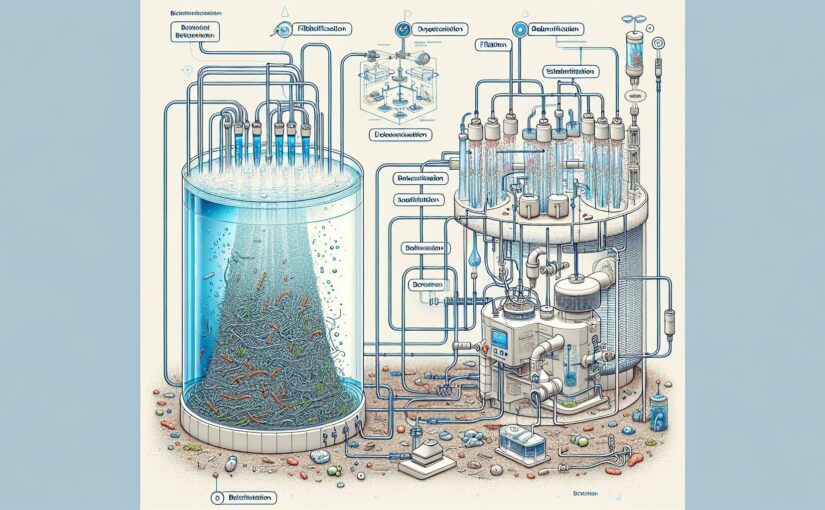
When it comes to modern waste management, both innovation and sustainable practices are necessary to keep our ecosystem in balance. Bioelectrochemical wastewater systems embody both these principles, providing an efficient and eco-friendly solution for processing waste while generating energy.
What are Bioelectrochemical Wastewater Systems?
Bioelectrochemical systems (BES) is a technological innovation that converts the chemical energy in organic waste into electrical energy through biological processes. In wastewater treatment applications, an array of microbes generates energy by breaking down organic matter. Consequently, the system takes advantage of a natural process to transform waste into a valuable resource — energy.
Benefits of Bioelectrochemical Wastewater Systems
These systems offer potential benefits in both cleaning up the environment and creating renewable energy sources. Here are three major ways these systems contribute to a more sustainable future:
-
Waste Reduction: Bioelectrochemical wastewater systems effectively break down organic waste, reducing the amount released back into the environment.
-
Energy Generation: While cleaning the wastewater, these systems also produce electricity, contributing to a greener grid and providing a source of renewable energy.
-
Nutrient Recovery: Bioelectrochemical systems can recover valuable nutrients from wastewater, which can then be reused for various purposes such as soil fertilization.
Challenges and Future Directions
Despite their potential benefits, bioelectrochemical wastewater systems currently face a few hurdles before becoming a mainstream solution for wastewater treatment. These mainly include cost and efficiency challenges.
The cost of developing and implementing these systems can be high, and the energy generated by current systems may not justify these costs. However, ongoing research in improving BES’s power output and economic viability fosters optimism for its future incorporation into mainstream wastewater management strategies.
Bioelectrochemical systems represent an exciting convergence of waste management and renewable energy production. While there are challenges to implement these systems on a large scale, the potential benefits they offer for our environment make them a promising field for further study and development.