In the quest to secure a sustainable and eco-friendly future, scientists and engineers have turned their attention to some of the most ubiquitous and overlooked resources—wastewater. Every day, countless gallons of wastewater are produced globally, carrying with them the potential to generate clean energy. This potential lies dormant in the numerous biological and chemical processes that can be harnessed within wastewater treatment systems. One promising technology that has emerged for this purpose is the generation of renewable energy from wastewater.
Understanding the Basics of Wastewater
Before delving into the process of renewable energy generation, it’s crucial to comprehend what wastewater entails. Wastewater is water that has been affected by human use, containing a variety of substances such as human waste, food scraps, oils, soaps, and chemicals. It comes from a variety of sources, including homes, businesses, industries, and stormwater runoff. The composition of wastewater can vary significantly, but it commonly contains nutrients such as nitrogen and phosphorus, pathogens, heavy metals, and organic matter.
The Promise of Microbial Fuel Cells (MFCs)
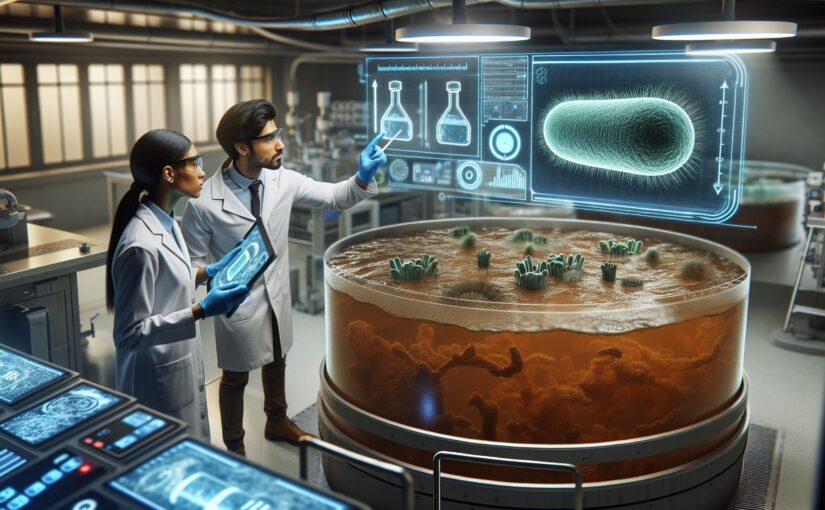
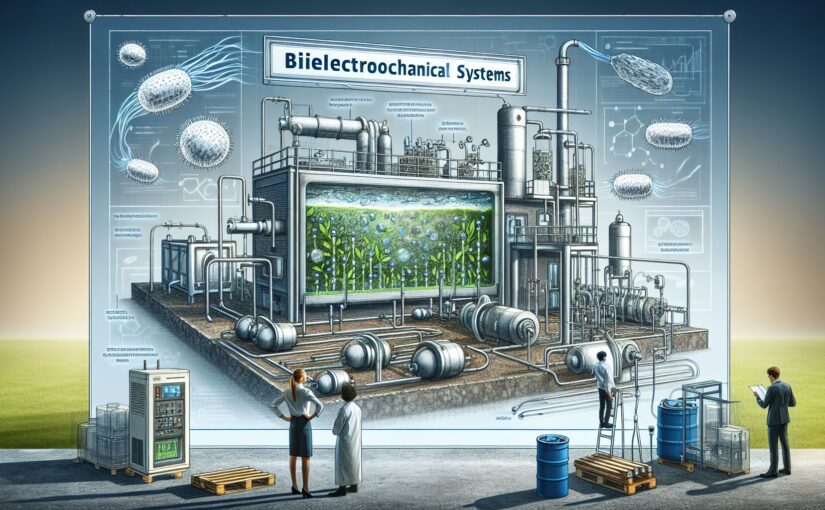
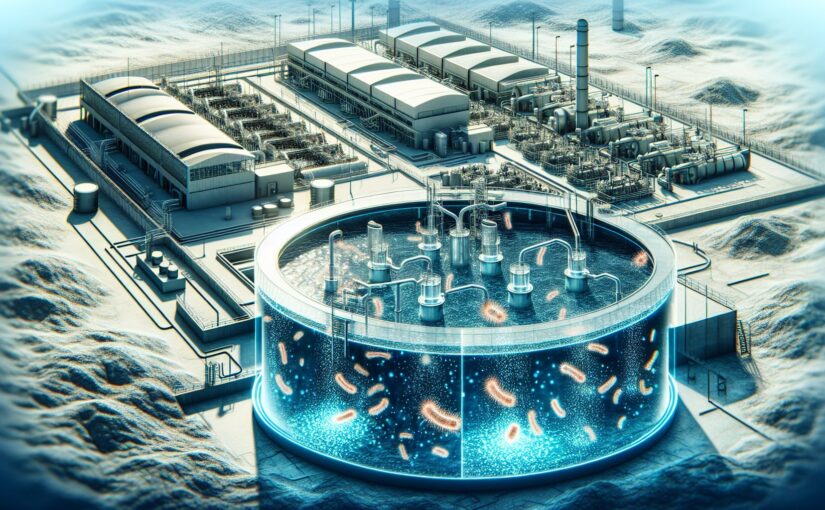
One of the most innovative ways to extract energy from wastewater is through the use of Microbial Fuel Cells (MFCs). An MFC is a device that uses bacteria to convert organic matter in wastewater into electricity. These bacteria are known as electroactive or exoelectrogens and are capable of transferring electrons to an external circuit during their metabolic processes.
Working Principle of MFCs
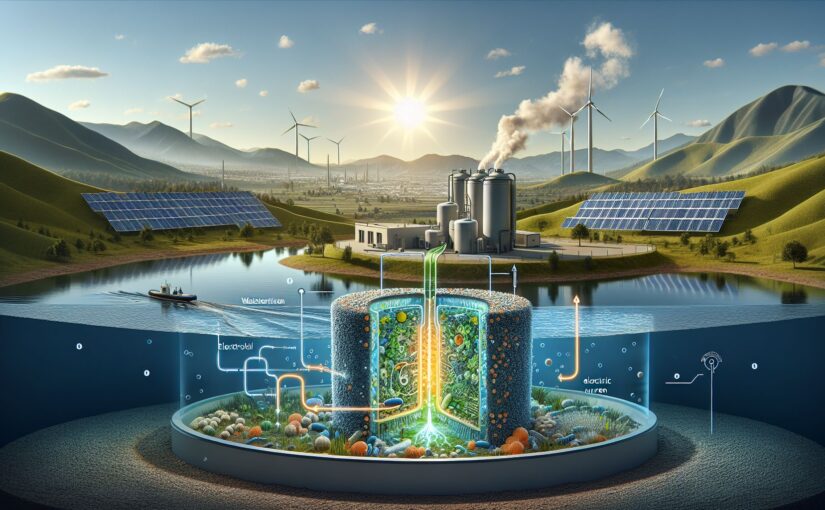
In a typical MFC, wastewater is fed into an anaerobic (oxygen-free) chamber, known as the anode chamber. The electroactive bacteria in the wastewater attach themselves to the anode electrode and, as they break down the organic compounds in the wastewater, they release electrons and protons. The electrons are captured by the electrode and pass through an external circuit to the cathode chamber, creating an electrical current. Meanwhile, the protons cross via a Proton Exchange Membrane (PEM) to the cathode chamber, where they combine with the electrons and oxygen from the air to form water.
Benefits of Using MFCs in Wastewater Treatment
MFC technology not only provides a method of generating electricity from a waste product but also achieves several other benefits, including:
- Reduced Energy Consumption: Since traditional wastewater treatment plants are energy-intensive, using MFCs can significantly reduce the overall energy footprint.
- Lower Greenhouse Gas Emissions: By generating electricity, MFCs can reduce the dependency on fossil fuels, consequently lowering the emissions associated with wastewater management.
- Waste Reduction: MFCs help in the breakdown of organic matter, which can reduce the volume of biosolids that need to be managed post-treatment.
- Nutrient Recovery: Certain designs of MFCs can also allow for the recovery of nutrients such as phosphorus and nitrogen, which are valuable for agricultural purposes.
Research and Implementation Challenges
Despite the myriad benefits, the widespread deployment of MFCs for wastewater treatment faces several challenges:
-
Scaling Up: Much of the research on MFCs has been conducted on a small scale, and transitioning to full-scale operational systems can present design, engineering, and economic hurdles.
-
Power Density: The power density (power produced per unit volume) of MFCs needs to be improved to make the technology competitive with traditional energy sources.
-
Material Costs: The cost of materials, such as catalysts for the cathode and PEMs, can be high. Research into cheaper, more sustainable materials is ongoing.
-
Long-Term Stability: Ensuring the long-term stability and performance of these bio-electric systems in a real-world wastewater treatment context remains an area of active research.
Future Prospects for Renewable Energy from Wastewater
Despite these challenges, the future for generating renewable energy from wastewater using MFCs is promising. Innovations in electrode materials, reactor design, and process optimization are continually being developed. Biotechnology advancements can also contribute to improving the efficiency and output of MFCs.
Innovative Materials and Designs
Scientists are experimenting with various electrode materials to enhance the performance of MFCs. Carbon-based electrodes, catalyst-coated electrodes, and various nanomaterials have shown to increase the efficiency of electron transfer and reduce costs. Additionally, stacking MFCs or integrating them into continuous flow systems could enhance the scalability and practicality of the technology.
Integration with Other Renewable Technologies
Integrating MFCs with other renewable energy technologies, such as solar or wind power, could provide even more sustainable solutions for wastewater treatment. The complementary nature of these technologies could lead to hybrid systems that maximize energy output and redundancy.
The Global Impact of Renewable Energy from Wastewater
By tapping into the potential of wastewater as a source of renewable energy, communities around the world could mitigate many environmental and public health challenges. Developing countries, in particular, stand to gain from such sustainable practices, where wastewater treatment infrastructure may be lacking, and access to electricity is limited.
Moreover, environmental policies and incentives could further promote the adoption of these technologies. For instance, renewable energy credits and carbon credit schemes can financially support projects that use MFCs to generate clean energy from wastewater.
Conclusion
Renewable energy from wastewater represents a twofold opportunity: to treat and manage wastewater effectively and to harness an untapped source of clean energy. While challenges remain in bringing this technology to scale, the efforts of researchers and environmental engineers are paving the way for a future in which wastewater treatment plants become bioenergy hubs. The potential for positive environmental, economic, and social impacts is significant, and continued investment in the research and development of MFCs and associated technologies will be critical in realizing this vision.
Sources
-
Logan, B. E., & Rabaey, K. (2012). Conversion of wastes into bioelectricity and chemicals by using microbial electrochemical technologies. Science, 337(6095), 686-690.
-
Li, W. W., Yu, H. Q., & He, Z. (2014). Towards sustainable wastewater treatment by using microbial fuel cells-centered technologies. Energy & Environmental Science, 7(3), 911-924.
-
Wang, H., & Ren, Z. J. (2013). A comprehensive review of microbial electrochemical systems as a platform technology. Biotechnology Advances, 31(2), 179-192.