Renewable Energy from Wastewater: An Untapped Resource

Introduction

The concept of generating renewable energy from wastewater is an innovative approach that has caught the attention of researchers and environmentalists worldwide. As global energy demand continues to rise and the impact of fossil fuels on the environment becomes increasingly detrimental, finding sustainable and eco-friendly energy sources is imperative. This article delves into the realm of renewable energy, focusing specifically on harnessing power from wastewater – a seemingly unlikely source that could offer a plethora of benefits.

What is Wastewater?

Before we dive into the mechanics of generating energy from wastewater, let’s first understand what wastewater encompasses. Wastewater is the byproduct of domestic, industrial, commercial, and agricultural activities. It consists of a complex mixture of substances, including organic and inorganic materials, nutrients, pathogens, and in some instances, hazardous chemicals.

The Potential of Wastewater as an Energy Source

Traditionally, wastewater treatment plants (WWTPs) have been designed to mitigate environmental pollution by treating water to a standard suitable for discharge or reuse. Yet, these processes require substantial energy inputs, making WWTPs significant energy consumers.

However, wastewater also contains organic matter that can be viewed as a potential source of energy. Through biochemical processes, this organic matter can be transformed into a form of sustainable energy.

The Role of Microbial Fuel Cells (MFCs)

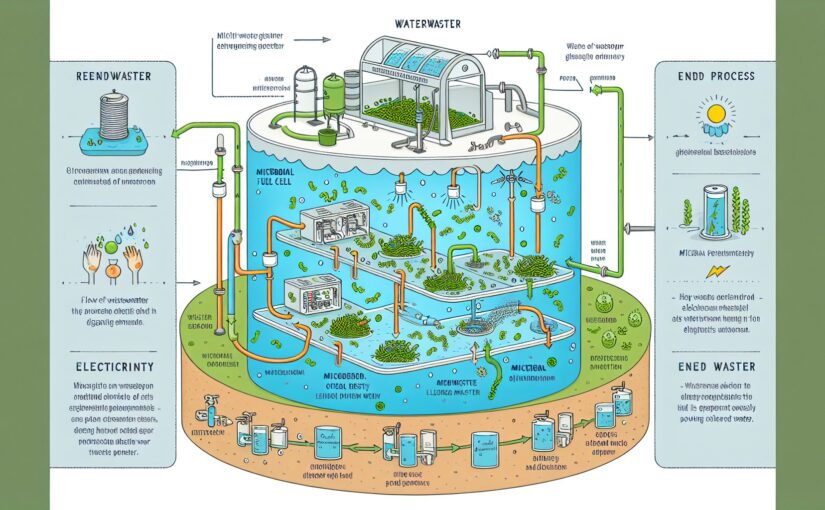
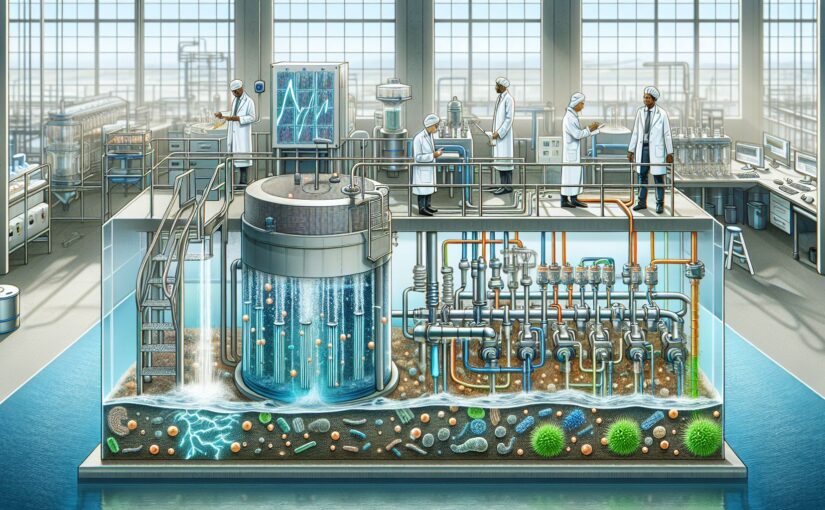
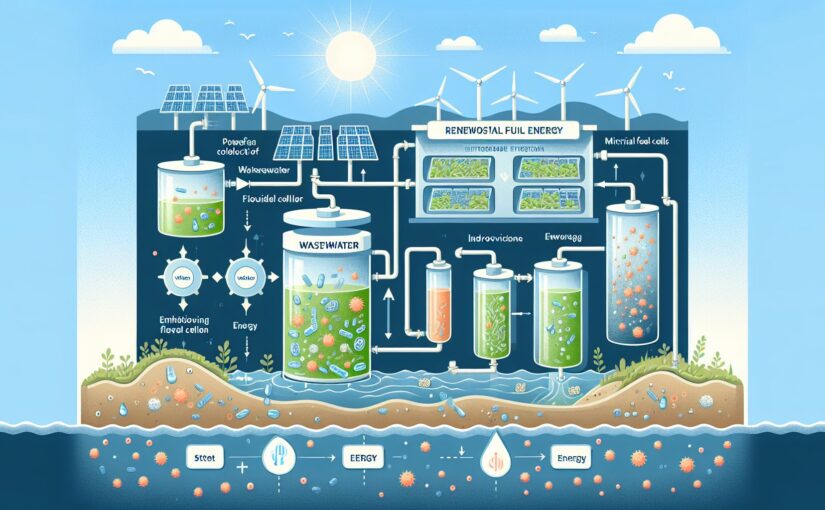
One of the most promising technologies for extracting energy from wastewater is the use of Microbial Fuel Cells (MFCs). MFCs utilize microorganisms to convert the chemical energy stored in organic waste directly into electrical energy. This bio-electrochemical system offers the dual benefits of treating wastewater and generating electricity.

How do MFCs Work?

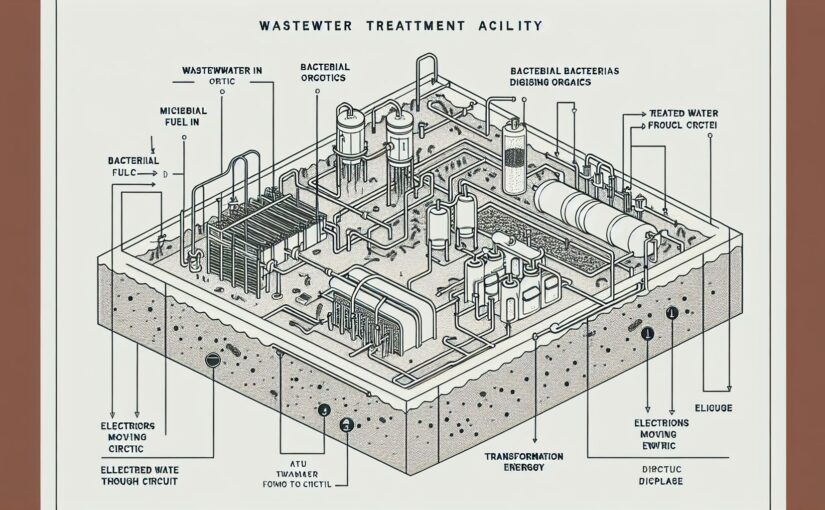
Microbial fuel cells generally consist of two compartments: an anode and a cathode, separated by a proton exchange membrane. Microorganisms at the anode oxidize the organic matter, releasing electrons and protons. Electrons flow through an external circuit to the cathode, generating electric current, while protons pass through the membrane to the cathode chamber.

Electroactive Wastewater Bacteria

The efficiency of MFCs largely depends on the types of bacteria present. Electroactive bacteria, such as those belonging to the genera Geobacter and Shewanella, can transfer electrons directly to the anode. These exoelectrogens play a crucial role in the efficient functioning of MFCs, enhancing the bioelectricity generation process.

Benefits of Generating Renewable Energy from Wastewater

Environmental Benefits

MFCs offer numerous environmental benefits. They provide a green alternative for wastewater treatment by significantly reducing the amount of sludge produced. Furthermore, they contribute to the reduction of greenhouse gas emissions as they can offset the energy requirements of WWTPs.

Energy Benefits

Generating renewable energy from wastewater reduces dependence on non-renewable energy sources. MFCs can produce enough electricity to power small devices, and ongoing research aims to scale up the technology for broader applications.

Economic Benefits

While upfront costs for setting up MFCs may be higher compared to conventional treatment systems, the long-term return on investment could be substantial. Energy production can potentially lead to lower operational costs, making the process economically viable.

Challenges to Overcome

Scaling Up

To make renewable energy from wastewater widely applicable, researchers need to address the challenge of scaling up MFCs without compromising efficiency. Large-scale operational models need to be developed and optimized.

Cost-Effective Materials

The production cost of MFC components, especially the proton exchange membranes and electrodes, is a hurdle. Research is focused on developing cost-effective materials that can perform with high efficiency.

Microbial Community Management

Optimizing the microbial consortia for enhanced electron transfer and sustained performance remains an area of intense research. Selecting and maintaining robust microbial communities is critical for reliable and efficient MFC operation.

The Future of Energy Generation from Wastewater

The future of generating renewable energy from wastewater looks promising. Innovations in MFC technology, including the use of alternative materials and designs to increase power outputs, are paving the way towards commercial feasibility. Research is also exploring novel applications of MFCs, such as in biosensors and bioremediation.

Conclusion

Harnessing renewable energy from wastewater is an exciting frontier in sustainable energy research. As technology evolves, the possibility of integrating MFCs into existing infrastructure presents a compelling vision for the future of wastewater treatment and energy sustainability.

Sources

  1. Logan, B. E., & Regan, J. M. (2006). Electricity-producing bacterial communities in microbial fuel cells. Trends in Microbiology, 14(12), 512-518. https://doi.org/10.1016/j.tim.2006.10.003

  2. Rabaey, K., & Rozendal, R. A. (2010). Microbial electrosynthesis — revisiting the electrical route for microbial production. Nature Reviews Microbiology, 8(10), 706-716. https://doi.org/10.1038/nrmicro2422

  3. Pant, D., Van Bogaert, G., Diels, L., & Vanbroekhoven, K. (2010). A review of the substrates used in microbial fuel cells (MFCs) for sustainable energy production. Bioresource Technology, 101(6), 1533-1543. https://doi.org/10.1016/j.biortech.2009.10.017

Leveraging the power of microorganisms and refining the technology behind MFCs pushes us closer to a future where generating renewable energy from wastewater is not just a concept but a practical reality. As our understanding of these systems grows, such advancements may prove instrumental in balancing the scales of energy demand and environmental sustainability.
Renewable Energy from Wastewater: An Underexplored Resource

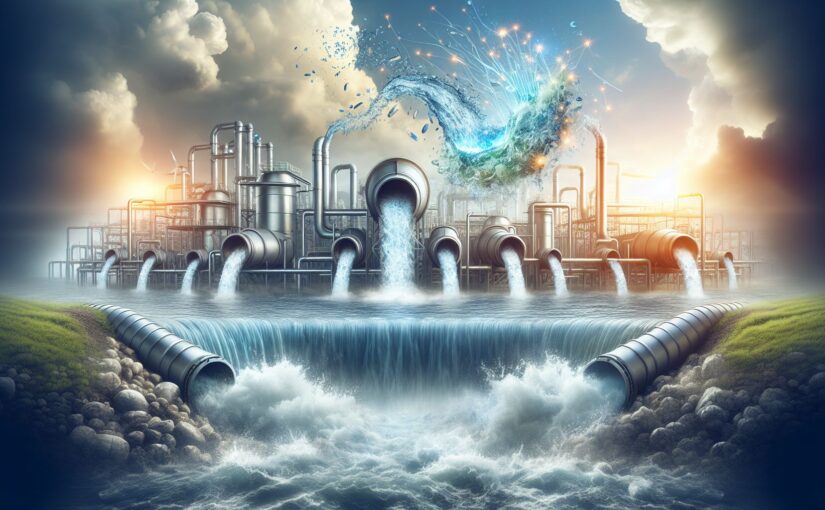
Wastewater treatment is a vital process for protecting public health and the environment from contaminated water resulting from industrial, agricultural, and domestic activities. However, traditional wastewater treatments are energy-intensive and contribute significantly to global greenhouse gas emissions. With the increasing emphasis on sustainability and renewable energy sources, a transformative approach to wastewater treatment has emerged, which not only cleans water but also generates energy: Renewable energy from wastewater. This article delves into the potential of harvesting energy from wastewater, the technologies involved, challenges faced, and future prospects.

Understanding Wastewater Energy Potential

Wastewater contains organic matter that, when decomposed, can release a substantial amount of energy. The key is to harness this energy effectively. Traditional wastewater treatment plants (WWTPs) employ aerobic processes, which consume energy to aerate the wastewater so that aerobic bacteria can break down the organic matter. On the contrary, anaerobic processes can be harnessed to generate energy in the form of biogas—a mixture of methane (CH4) and carbon dioxide (CO2)—which can be used to produce electricity and heat.

Harnessing Biogas from Wastewater

Anaerobic digestion is the most widely used technology to harness biogas. It involves the breakdown of organic matter in an oxygen-free environment, leading to the production of methane-rich biogas. This gas can fuel combined heat and power (CHP) systems, turning waste into a valuable energy source.

The Process of Anaerobic Digestion:

  1. Hydrolysis: Large organic polymers are broken down into smaller molecules such as sugars and amino acids.
  2. Acidogenesis: These smaller molecules are further converted into volatile fatty acids, hydrogen, and carbon dioxide.
  3. Acetogenesis: Volatile fatty acids are converted into acetic acid, hydrogen, and carbon dioxide.
  4. Methanogenesis: Methanogenic archaea convert acetic acid and hydrogen into methane and carbon dioxide.

Anaerobic digestion technology has been successfully implemented in several WWTPs worldwide, demonstrating its capability to generate renewable energy while treating wastewater. For example, the East Bay Municipal Utility District in Oakland, California, generates more than 90% of the electricity it needs through biogas produced by anaerobic digestion (Source: East Bay Municipal Utility District).

Microbial Fuel Cells (MFCs) for Wastewater

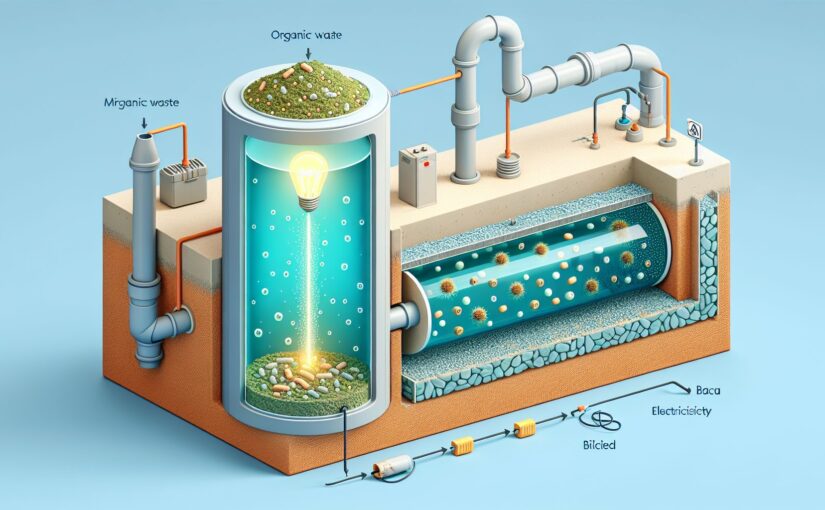
A more direct method of extracting electrical energy from wastewater is through microbial fuel cells. MFCs are bio-electrochemical systems where bacteria on the anode oxidize organic matter, releasing electrons and protons. The electrons travel via an external circuit to the cathode, producing a flow of electricity.

Components of an MFC:

  • Anode: Where oxidation of the substrate occurs.
  • Cathode: Where reduction reactions occur, often involving oxygen reduction to water.
  • Proton Exchange Membrane (PEM): Separates the anode and cathode, allowing protons to pass but keeping the electrolytes separated.

Advantages of MFCs:

  • Direct generation of electricity.
  • Low energy input required compared to traditional aerobic treatment processes.
  • Potential for simultaneous wastewater treatment and recovery of valuable byproducts.

Research indicates that MFCs can be a sustainable technology for wastewater treatment and electricity production. For instance, a study published in the journal Bioresource Technology reported that MFCs can achieve satisfactory levels of organic matter removal while generating electricity (Source: Bioresource Technology).

Challenges in Harnessing Renewable Energy from Wastewater

While the prospect of generating renewable energy from wastewater is promising, several challenges remain:

  1. Technological Limitations: Scaling up technologies such as MFCs for widespread application poses engineering and economic challenges.
  2. Economic Viability: The initial investment cost for setting up advanced systems like anaerobic digesters or MFCs can be high, making them less competitive compared to traditional treatment methods.
  3. Efficiency: Although MFCs offer the advantage of direct electricity production, their power output is still relatively low for practical applications.
  4. Policy and Regulation: Inconsistent regulations and lack of incentives can hamper the deployment of renewable energy technologies in the wastewater sector.

Future Prospects and Developments

Despite the aforementioned challenges, the future of renewable energy from wastewater looks promising thanks to ongoing research and technological advancements:

  • Innovation in MFC Technology: Researchers are working on enhancing the design and materials used in MFCs to increase their efficiency and reduce costs.
  • Hybrid Systems: Combining MFCs with other renewable energy technologies such as solar or wind can increase overall energy output and stability.
  • Integration with Existing Infrastructure: Retrofitting existing wastewater treatment plants with new technologies can leverage the full potential of renewable energy generation.
  • Sustainable Policies: Governments and regulatory bodies are increasingly recognizing the value of renewable energy from wastewater with policies that support investment and innovation in this sector.

Conclusion

As the world pivots towards sustainable and renewable energy resources, the role of wastewater as an energy source is receiving increasing attention. The technologies to extract this energy are still being refined, but the potential benefits are clear: mitigating climate change, reducing energy costs, and providing a sustainable way to treat wastewater. With continued research and development, advancements in policy, and the implementation of innovative technologies, renewable energy from wastewater could well become a cornerstone of sustainable urban infrastructure.

References:

  1. East Bay Municipal Utility District. “https://www.ebmud.com/about-us/sustainability/energy/“.
  2. Logan, B. E. “Microbial Fuel Cells: Methodology and Technology.” Environmental Science & Technology, vol. 40, no. 17, 2006, pp. 5181-5192. DOI: 10.1021/es0605016.
  3. Pant, D., et al. “A review of the substrates used in microbial fuel cells (MFCs) for sustainable energy production.” Bioresource Technology, vol. 101, no. 6, 2010, pp. 1533-1543. DOI: 10.1016/j.biortech.2009.10.017.

Harnessing Energy from Waste: The Potential of Microbial Fuel Cells for Wastewater Treatment

In the quest for sustainable and eco-friendly technologies, the treatment of wastewater has remained an area that presents both challenges and opportunities. One such opportunity lies in the utilization of Microbial Fuel Cells (MFCs) to treat wastewater while simultaneously generating renewable energy. This approach not only promises a reduction in the environmental impact of wastewater management but also adds a new dimension to the realm of renewable energy sources.

What Are Microbial Fuel Cells (MFCs)?

Microbial Fuel Cells (MFCs) are bio-electrochemical systems that harness the power of electroactive bacteria to convert organic substrates directly into electricity. In the context of wastewater, these devices leverage the metabolic processes of microorganisms that degrade organic pollutants and in doing so, produce electrons. These electrons are then transferred to an electrode where they can be harvested as bioelectricity – a process that may revolutionize the way we approach both wastewater treatment and energy generation.

The Mechanisms of Bioelectricity Generation

Electroactive Wastewater Bacteria: Nature’s Tiny Electricians

The core component of an MFC is the electroactive bacteria – microscopic organisms that have the ability to transfer electrons outside of their cell membranes during the metabolization of organic matter. Common electroactive bacteria found in wastewater include Shewanella and Geobacter species. These exoelectrogens, as they are known, utilize extracellular electron transfer (EET) mechanisms to convey electrons to solid electron acceptors or electrodes.

Exoelectrogens in Wastewater: The Power Producers

Exoelectrogens present in wastewater are primarily involved in the anodic reaction of MFCs. They oxidize the organic substrates present in the wastewater, releasing electrons and protons. The anode respiring bacteria attach themselves to the anode and form biofilms, optimizing the interaction between the microbial cells and the electrode surface, which is crucial for efficient electron transfer.

Electron Transfer Mechanisms in Wastewater: Pathways to Power

The electron transfer mechanisms are vital for the functioning of MFCs. In wastewater, these transfers occur via direct electron transfer through physical contact or by mediated electron transfer using soluble redox mediators. In mediator-less MFCs, for example, the bioanode relies solely on the direct transfer of electrons. This makes the process more sustainable and cost-effective by eliminating the need for synthetic mediators.

Constructing a Microbial Fuel Cell

The Components of an MFC

A typical MFC consists of an anode and cathode compartment separated by a proton exchange membrane (PEM). The wastewater bioanode is where the microbial oxidation of the organic matter occurs. In contrast, the wastewater biocathode is usually where a reduction reaction occurs, often involving the reduction of oxygen to water.

Proton Exchange Membrane in Wastewater: Bridging the Charge

The PEM is an integral part of an MFC as it allows protons generated at the anode to migrate to the cathode, maintaining electrical neutrality while preventing the mixture of reactants and products. The efficiency of an MFC is in part determined by the ion conductivity and permeability of the PEM.

Choosing the Right Electrode Materials

Electrode materials are critical in MFCs, impacting the overall efficiency and durability. Carbon-based electrodes, being highly conductive and relatively cheap, are commonly used. On the other hand, catalyst-coated electrodes infused with materials like platinum enhance the electrochemical reactions, although they often come at a higher cost.

Wastewater MFCs: Treatment and Energy Production

The Dual Purpose of Wastewater MFCs

The beauty of using MFCs in wastewater treatment is twofold. Firstly, they can significantly reduce the organic load, effectively treating the water. Secondly, they generate bioelectricity – a form of renewable energy. This transformation of waste into wealth offers a sustainable solution to an otherwise resource-intensive process.

Performance Indicators in MFCs

The power density and Coulombic efficiency are important metrics in the assessment of MFCs. Power density reflects how much power per unit area the MFC can produce, while Coulombic efficiency measures the percentage of electrons from the substrates that are used for current generation. The polarization curve, a graphical representation of the voltage variation with current, provides insight into the electrochemical performance and limitations of the MFC.

Renewable Energy from Wastewater: An Untapped Resource

The concept of renewable energy from wastewater is compelling because it represents a paradigm shift in how we view waste – not as an unwanted byproduct but as a source of energy. Through the use of MFCs, we can harness bioelectricity from wastewater, potentially lighting up homes, powering small devices, or further treating the water.

Challenges and Advances in Scale-up of MFC Technology

Scaling up Wastewater MFCs: Overcoming Obstacles

Despite the promising potential of MFCs, their practical application on an industrial scale is still in its infancy. Challenges such as scaling up wastewater MFCs, achieving consistent performance, and ensuring cost-effectiveness must be addressed. Developments in stacked and continuous flow wastewater MFCs aim to meet these challenges by increasing system capacity and operational efficiency.

Innovations in Design: Stacked and Sediment MFCs

Stacked wastewater MFCs are an innovation where multiple MFC units are linked together, often in a series, to amplify the power output. Alternatively, sediment MFCs in wastewater utilize the natural sediments as an anode, which can be particularly useful in the treatment of waste in natural water bodies.

The Future of MFCs: Microbial Electrolysis and Desalination

Beyond traditional MFCs, emerging technologies such as microbial electrolysis cells offer the prospect of hydrogen production from wastewater, while microbial desalination cells provide a method for desalinating water using bioelectricity generated from wastewater as the energy source.

Implications for Environmental Monitoring: Biosensors

MFCs can also be used as biosensors in wastewater, detecting and quantifying the presence of particular pollutants or the overall biochemical demand. This versatility in application underscores the transformative potential of this technology.

Environmental Benefits: Bioremediation Using MFCs

Another promising application of MFCs is bioremediation using wastewater MFCs. The use of these bioelectrochemical systems can facilitate the breakdown of otherwise persistent contaminants in wastewater, allowing for more environmentally friendly waste management practices.

Conclusion

As the world grapples with the dual challenges of wastewater management and the need for sustainable energy sources, Microbial Fuel Cells offer a beacon of hope. By leveraging the biological process of electroactive bacteria, these systems can treat wastewater and generate renewable bioelectricity simultaneously. While technical and economic challenges remain, the continued research and advancement in this field have the potential to make a significant impact on our energy and environmental landscape.

References

  1. Logan, B. E. (2008). Microbial Fuel Cells. John

Renewable Energy from Wastewater: The Potential of Microbial Fuel Cells

In the quest for sustainable energy sources, one innovative technology merges renewable energy production with wastewater treatment—Microbial Fuel Cells (MFCs). This article unpacks the potential of microbial fuel cells for tapping the energy within wastewater, exploring the science behind this promising technology, and considering its place in the future of renewable energy and waste management.

Introduction

Across the world, energy consumption has been steadily increasing. With the growing population and industrialization, we are constantly searching for new, sustainable ways to meet our energy demands. Concurrently, wastewater management represents a significant environmental challenge. What if we could tackle both these issues in one fell swoop?

Enter Microbial Fuel Cells (MFCs), a technology that offers a glimmer of hope. By harnessing the biochemical energy from organic waste found in wastewater, MFCs produce electricity—a process that simultaneously treats wastewater. This green technology represents a transformative approach to energy production and waste treatment. Let’s delve into the mechanics of MFCs, their benefits, challenges, and the future prospects in the field of renewable energy.

The Basics of Microbial Fuel Cells

A microbial fuel cell is a bio-electrochemical system that drives a current by mimicking bacterial interactions found in nature. In the context of wastewater treatment, microorganisms metabolize organic matter in the water, and in the process, transfer electrons to an anode. The electrons then travel through an external circuit to a cathode, producing electricity.

Structure of MFCs

Typically, an MFC consists of an anode and a cathode compartment separated by a proton exchange membrane. The anode compartment contains electroactive bacteria that consume organic compounds from wastewater.

Electroactive Wastewater Bacteria

The real stars of MFCs are the electrogenic, or electroactive, bacteria. These specialized bacteria are capable of transferring electrons outside of their cell membranes as part of their metabolic process. Species like Shewanella and Geobacter have proven to be particularly effective in MFCs.

Electron Transfer Mechanisms

Electron transfer in MFCs can occur through several mechanisms:

  1. Direct Transfer: Bacteria directly interface with the anode to transfer electrons.
  2. Mediator-based Transfer: Bacteria require soluble redox mediators to shuttle electrons to the anode.
  3. Nanowire Transfer: Some species transmit electrons via conductive hair-like appendages known as nanowires.

Benefits of Using MFCs for Wastewater Treatment

Energy Recovery

The most attractive feature of MFCs is their ability to generate electricity while degrading organic pollutants. Although the current power output of individual MFCs is modest, the technology holds great promise for improvement and scale.

Reduction of Sludge

Treating wastewater often produces large quantities of sludge, which is expensive and environmentally taxing to dispose of. Since MFCs can enhance the breakdown of organic matter, they can consequently reduce the amount of generated sludge.

Low Energy Requirement

Unlike conventional wastewater treatment processes that are energy-intensive—especially for aeration—MFCs require substantially less energy to operate, potentially even achieving energy-neutral wastewater treatment.

Challenges in MFC Technology

Scale-Up

While MFCs have been effective on a laboratory scale, upscaling them for industrial use presents challenges in maintaining efficiency and system stability.

Power Density and Efficiency

Power density, which refers to the amount of power generated per unit volume of an MFC, has limitations in MFCs, often due to slow electron transfer and high internal resistance. Improving power density and coulombic efficiency, the measure of how efficiently electrons are transferred from the substrate to electricity, are key areas of development.

Electrode and Membrane Materials

The choice of electrode and membrane materials greatly affects the efficiency and cost of MFCs. High-quality materials that facilitate electron transfer are often expensive, making commercial viability a challenge.

The Future of Renewable Energy from Wastewater

Research and Development

Current research is focusing on optimizing MFC design and operation to improve performance indicators. Innovations in electrode materials, like carbon-based or catalyst-coated electrodes, are paving the way for enhancements in power density and treatment efficiencies.

Environmental Impact

The environmental benefits of MFCs extend beyond treating wastewater and generating energy. They offer a reduction in greenhouse gases, owing to less energy consumption and a smaller carbon footprint compared to conventional wastewater treatment methods.

Economic Considerations

For widespread adoption, MFC technology must be economically competitive. Advances in low-cost, high-efficiency materials and system design are needed to make MFCs a viable alternative to traditional power sources.

Conclusion

MFC technology offers a compelling solution to two of society’s pressing challenges: sustainable energy generation and effective wastewater treatment. By embracing the potential of renewable energy from wastewater, we can move towards a more sustainable, efficient future for both energy and our water resources.

Sources

  1. Logan, B. E., & Rabaey, K. (2012). Conversion of wastes into bioelectricity and chemicals by using microbial electrochemical technologies. Science, 337(6095), 686-690. doi: 10.1126/science.1217412
  2. Heidrich, E. S., Edwards, S. R., Dolfing, J., Cotterill, S. E., & Curtis, T. P. (2018). Performance of a pilot scale microbial fuel cell fed on domestic wastewater at ambient temperatures for a 12-month period. Bioresource Technology, 250, 606-614. doi: 10.1016/j.biortech.2017.11.080
  3. Pant, D., Van Bogaert, G., Diels, L., & Vanbroekhoven, K. (2010). A review of the substrates used in microbial fuel cells (MFCs) for sustainable energy production. Bioresource Technology, 101(6), 1533-1543. doi: 10.1016/j.biortech.2009.10.017

Harnessing the power within wastewater could well be the next frontier in sustainable energy and waste management. As researchers and engineers continue to optimize MFC technology, we edge closer to integrating this remarkable system into our everyday lives, fulfilling our energy needs while preserving the planet’s most valuable resources.

Renewable Energy from Wastewater: Harnessing Power with Microbial Fuel Cells

The quest for renewable energy sources has unearthed a variety of alternatives, some quite unexpected. One fascinating and emergent field is that of generating electricity from wastewater. The organic compounds found in wastewater are not only a source of pollution but also a potential reservoir of energy. Through the use of Microbial Fuel Cells (MFCs), we are now on the brink of transforming the way we treat wastewater, making the process energy-neutral or even energy-positive. In this comprehensive article, we will explore the potential of MFCs for renewable energy generation from wastewater.

What are Microbial Fuel Cells?

Microbial Fuel Cells are bio-electrochemical systems that utilize the metabolic processes of microorganisms to generate electrical power from organic substrates. In essence, MFCs convert chemical energy into electrical energy using bacteria as the catalyst. They consist of an anode and a cathode compartment, separated by a proton exchange membrane.

The Functioning of MFCs

The anode compartment is where the electroactive wastewater bacteria, often termed as exoelectrogens, oxidize the organic matter. During this process, electrons are released and transported to the anode surface. These electrons travel through an external circuit, generating an electric current, and reach the cathode. Here, they combine with protons (that have crossed the proton exchange membrane) and an electron acceptor (often oxygen) to form water or other compounds.

Benefits of Microbial Fuel Cells

  • Sustainable Wastewater Treatment: MFCs present a method of treating wastewater without the need for external energy input. Conventional wastewater treatment is energy-intensive, whereas MFCs can transform the process to become less reliant on external power sources.
  • Renewable Energy Generation: By harnessing the power in wastewater, MFCs provide a renewable source of energy. This can complement other renewable energy technologies like wind and solar power.
  • Pollution Reduction: MFCs decrease the amount of organic matter released into the environment, thereby reducing pollution.
  • Resource Recovery: Besides energy, MFCs can facilitate the recovery of valuable by-products such as hydrogen gas and clean water.

Mechanism of Electron Transfer in MFCs

At the heart of the MFC’s functioning is the process of electron transfer. There are two main mechanisms in which microbes can transfer electrons:

  1. Extracellular Electron Transfer (EET): Some microbes known as exoelectrogens have the capability to transfer electrons outside their cell membrane. This can occur via direct contact with the anode or through the use of conductive pili known as nanowires.
  2. Mediator Molecules: For bacteria that aren’t capable of direct electron transfer, redox mediators can shuttle electrons from the bacteria to the electrode. Mediator-based MFCs use these compounds, while mediator-less MFCs rely entirely on microbes capable of direct electron transfer.

Electron Transfer Mechanisms in Wastewater

Wastewater contains a complex mix of microorganisms and organic compounds, creating a dynamic environment for MFCs. The electron transfer mechanisms taking place in wastewater MFCs determine their efficiency and the quality of water treatment.

Direct Contact

Microbes forming biofilms on the anode surface can transfer electrons directly to the electrode. This process is facilitated by proteins that can conduct electricity within the biofilm matrix.

Nanowires

Certain bacteria like Shewanella and Geobacter species produce nanowires that extend from the cell surface and directly make contact with the electrode, allowing for efficient electron transfer.

Mediator Compounds

Wastewater can sometimes contain natural redox mediators, but in many cases, artificial mediators are added to improve the electron transfer rates. These compounds act as electron shuttles between the bacteria and the electrode.

The Role of the Proton Exchange Membrane

The proton exchange membrane (PEM) is pivotal in MFC operation. It allows protons produced at the anode to migrate towards the cathode but prevents oxygen and other molecules from moving in the opposite direction. This maintains the essential charge balance within the MFC.

Challenges and Innovations

While PEMs have been successful in laboratory settings, they can represent a significant cost in scaled-up MFC systems. Research is ongoing in developing cost-effective alternatives that maintain efficient proton exchange and system integrity.

Advancements in MFC Technology

Recent decades have seen breakthroughs in MFC technology, greatly enhancing their feasibility for practical applications:

Improved Electrode Materials

Researchers have been exploring various electrode materials to improve MFC performance. Carbon-based electrodes are popular due to their conductivity and surface area that facilitate microbial attachment and electron transfer.

Catalyst-Coated Electrodes

Applying catalysts to electrode surfaces has been shown to improve the rates of electron transfer. Catalyst-coated electrodes can significantly enhance the power output of MFCs, making them more competitive with other renewable energy technologies.

Scaling Up MFCs

Scaling up MFCs from laboratory prototypes to actual wastewater treatment plants is a major challenge. Issues of cost, system design, and long-term stability are being addressed through continuous research and pilot projects.

Stacked and Continuous Flow MFCs

To increase the power output and treat larger volumes of wastewater, MFCs can be stacked or arranged in series. Continuous flow MFCs, where wastewater is constantly fed into the system, are better suited for real-world wastewater treatment applications.

Applications Beyond Energy Generation

MFCs have potential applications beyond just energy generation:

  • Microbial Desalination Cells: MFCs can be combined with desalination processes to remove salt from seawater or brackish water while generating electricity.
  • Biosensors for Wastewater: MFCs can be used as biosensors to detect pollutants or bioactive compounds within the wastewater, providing real-time monitoring of treatment processes.

Environmental Impacts and Sustainability Considerations

The positive environmental impact of employing MFC technology for wastewater treatment is notable. An energy-positive treatment process would significantly reduce the carbon footprint and reliance on non-renewable energy sources. However, sustainability considerations must also account for the materials and processes used in MFC construction and the life cycle analysis of the technology.

Future Prospects and Challenges

The field of MFCs is ripe for innovation and has immense potential, but several hurdles remain before widespread adoption:

  • Economic Viability: Even with advancements, the economic aspects of MFCs need to be competitive. Further cost reductions in PEMs and electrode materials are crucial.
  • System Reliability: Ensuring long-term operation without loss of efficiency requires improved system designs and a deeper understanding of microbial communities.
  • Integration with Existing Infrastructure: Adapting current wastewater treatment facilities to incorporate MFC technology will be a complex and costly endeavor.

Concluding Thoughts

Renewable energy from wastewater using Microbial Fuel Cells represents a fusion of environmental sustainability and technological ingenuity. As research progresses, we can anticipate advancements that will make MFCs a significant player in both wastewater treatment and renewable energy sectors. This crossroad of microbiology, chemistry, and engineering not only addresses energy and pollution challenges but also opens a new chapter in the sustainable management of one of our most critical resources: water.

Sources

  1. Logan, B.

Renewable Energy from Wastewater: Harnessing the Power of Microbial Fuel Cells

The concept of wastewater treatment typically conjures images of large, industrial facilities where biological processes break down the organic matter in used water. Yet, what if these very processes could do more than just clean the water? What if wastewater could serve as a resource for generating clean energy? Recent advances in microbial fuel cell (MFC) technology are turning this question into a promising reality. In this article, we will delve into the world of renewable energy from wastewater, exploring how the process works and its potential impacts.

Understanding Microbial Fuel Cells (MFCs)

Microbial fuel cells are bio-electrochemical systems that harness the natural processes of bacteria to convert organic matter into electricity. These bacterial cells consume organic compounds and produce electrons as a waste product, which are then transferred to an electrode, generating an electrical current. MFCs provide a unique combination of wastewater treatment and energy production, transforming waste into a resource.

The Anatomy of Microbial Fuel Cells

A typical MFC consists of two chambers: the anode and the cathode chamber, separated by a proton exchange membrane (PEM). The anode chamber contains the wastewater and electroactive bacteria. As the bacteria break down the organic matter, they release electrons and protons. The electrons travel through an external circuit to the cathode, generating electricity, while the protons move through the PEM to the cathode chamber.

At the cathode, the electrons and protons combine with oxygen to form water, completing the circuit. This magical conversion of organic material into electric power has enormous implications for energy and environmental sustainability.

The Quest for Renewable Energy from Wastewater

The pursuit of renewable energy sources is becoming increasingly important as the world seeks to reduce its dependency on fossil fuels and mitigate the harmful effects of climate change. Wastewater treatment plants are typically energy-intensive operations, but the use of MFCs could offset some of the energy usage by producing renewable energy on-site.

Bioelectricity Generation from Wastewater

Bioelectricity is the electricity generated through biological processes like those in MFCs. Wastewater’s high organic content offers an excellent opportunity for bioelectricity generation since it’s essentially a measure of the fuel that microorganisms can use to produce energy. However, harnessing this energy efficiently presents technical challenges that researchers and engineers are striving to overcome.

The Role of Electroactive Wastewater Bacteria

A critical component of MFCs is the presence of electroactive bacteria. These specialized bacteria, such as Shewanella putrefaciens or Geobacter sulfurreducens, have the ability to transfer electrons to external surfaces, including electrodes. By optimizing the conditions for these bacteria in the anode chamber, MFCs can maximize electricity generation.

Challenges and Advancements in Microbial Fuel Cell Technology

Several obstacles have limited the widespread adoption of MFCs for renewable energy production. These include low power densities, the need for durable and cost-effective materials, and the scaling up of MFC systems for industrial application.

Power Density and Coulombic Efficiency in Wastewater MFCs

Power density, or the amount of electrical power generated per unit volume of an MFC, is a key performance metric. Improving power density involves refining the design of MFCs to reduce internal resistance and optimizing the conditions for bacterial growth and electron transfer. Similarly, coulombic efficiency, which measures the fraction of electrons harnessed from the substrate, must be maximized to get the most electrical energy out of the wastewater.

Electrode Materials for Wastewater MFCs

The selection of electrode materials is paramount in the efficiency of MFCs. Carbon-based electrodes are popular due to their conductivity and surface area, which promote bacterial adhesion and electron transfer. Researchers continue to explore other materials, including catalyst-coated electrodes that can enhance the reaction kinetics at the electrode surfaces while remaining cost-effective.

Scaling Up and Innovations

Progress in MFC research has led to the development of various configurations aimed at addressing practical application challenges. These include continuous flow MFCs, which can handle a continuous influx of wastewater, and stacked MFCs, which increase the system’s surface area and power output. Scaling up MFCs for use in actual wastewater treatment plants is the next significant hurdle, requiring both technological advancements and economic considerations.

Environmental Impacts and Future Perspectives

The integration of MFC technology into wastewater treatment presents significant environmental benefits, such as the reduction in greenhouse gas emissions from traditional treatment processes and the generation of renewable energy. MFCs can also aid in bioremediation, where contaminants in wastewater are biologically neutralized or transformed.

Looking to the future, the full implementation of MFCs for energy generation from wastewater could become a cornerstone of sustainable urban infrastructure. As we develop more cost-effective and scalable systems, this technology stands poised to contribute to the global shift towards renewable energy sources and a closed-loop approach to water and waste management.

Sources

  1. Logan, B. E., & Regan, J. M. (2006). Microbial fuel cells—challenges and applications. Environmental Science & Technology, 40(17), 5172-5180.
  2. Pant, D., Van Bogaert, G., Diels, L., & Vanbroekhoven, K. (2010). A review of the substrates used in microbial fuel cells (MFCs) for sustainable energy production. Bioresource Technology, 101(6), 1533-1543.
  3. Clauwaert, P., & Verstraete, W. (2009). Wastewater treatment with microbial fuel cells: opportunities for developing countries. Current Opinion in Environmental Sustainability, 1(3), 305-310.

Harnessing the potential of renewable energy from wastewater has become more tangible than ever with advancements in microbial fuel cell technology. By converting organic waste into electricity, MFCs embody a novel, sustainable approach to both wastewater treatment and energy production. As research continues to break new ground, the prospect of self-sustaining wastewater treatment facilities—generating clean water and electricity simultaneously—offers a glimpse of a greener future.

Harnessing the Power of Microbes: Microbial Fuel Cells for Wastewater Treatment

In the quest for renewable energy sources and sustainable environmental practices, an innovative technology has been gaining attention for its dual ability to treat wastewater and simultaneously produce electricity: Microbial Fuel Cells (MFCs). This technology presents an eco-friendly solution to two growing global concerns – energy sustainability and water pollution. Here, we delve into the fascinating world of microbial fuel cells for wastewater treatment, exploring how they work, their benefits, and the challenges in their application.

What are Microbial Fuel Cells?

Microbial fuel cells (MFCs) are bio-electrochemical systems that leverage the metabolisms of microorganisms to convert organic compounds in wastewater into electrical energy. MFCs consist of two compartments, an anode and a cathode, separated by a proton exchange membrane. Microorganisms in the anode compartment break down organic matter, releasing electrons and protons in the process. Electrons travel through an external circuit to the cathode compartment, generating an electric current, while protons pass through the membrane to the cathode compartment where they combine with electrons and oxygen to produce water.

The Anode: Home of Electroactive Wastewater Bacteria

The anode compartment is the heart of the MFC where the electro-active wastewater bacteria known as exoelectrogens reside. These bacteria are capable of an anaerobic respiration process known as extracellular electron transfer, whereby they transfer electrons outside their cell membrane to the anode. This electron transfer is crucial for the bacteria’s energy metabolism and the functioning of the MFC as a whole.

The Cathode: Completing the Circuit

At the cathode, the electrons from the anode are accepted usually by an oxidizing agent, like oxygen in aerobic conditions. The cathode reactions occur at a different redox potential and can involve reduction reactions, like the reduction of oxygen to water in the presence of protons. This process completes the circuit and allows the MFC to harness the energy from the wastewater.

Electron Transfer Mechanisms

The efficiency of electron transfer within MFCs is one of the determining factors in their performance. Electron transfer occurs through several mechanisms:

  • Direct Electron Transfer (DET): This involves physical contact between the bacteria and the anode whereby the bacteria directly transfer electrons to the anode.
  • Indirect Electron Transfer (IET): In IET, electrons are transferred through mediators; these can be naturally produced by the bacteria or artificially added to the system.
  • Mediator-less MFCs are those where the system does not require additional compounds for electron transfer. These are desirable for their simplicity and cost efficiency.
  • Mediator-based MFCs, on the other hand, utilize compounds that can shuttle electrons from the bacteria to the anode.

Benefits of Microbial Fuel Cells for Wastewater Treatment

Using MFCs for wastewater treatment offers various advantages:

  • Renewable Energy Production: MFCs can convert the chemical energy available in wastewater directly into electrical energy, serving as a novel source of renewable energy.
  • Pollution Reduction: As MFCs treat wastewater, they reduce the levels of organic pollutants and pathogens, leading to cleaner effluents.
  • Energy Efficiency: By generating electricity, MFCs can offset some of the energy costs associated with conventional wastewater treatment processes.
  • Low Sludge Production: MFCs produce less waste sludge compared to traditional treatment methods, which reduces disposal problems and costs.

Challenges and Considerations for Scaling Up MFCs

Despite their potential, several challenges need to be overcome for the widespread adoption of MFCs:
Cost of Materials: High costs of electrode materials and proton exchange membranes can make MFCs expensive to build and operate.
Power Density: Currently, MFCs have relatively low power densities compared to other energy technologies. Increasing this is key for practical applications.
Scaling Up: Demonstrating that MFCs can operate effectively on a large scale is necessary for industrial and municipal wastewater treatment applications.
Long-term Stability: Ensuring the long-term stability and performance of MFCs is crucial for their practicality.

Future Directions and Potential Impact

Innovations in electrode materials, particularly carbon-based electrodes, catalyst-coated electrodes, and the design of new proton exchange membranes, may lead to improvements in performance and cost reduction. Scaling up MFCs through continuous flow systems and stacked MFCs can pave the way for their integration into existing wastewater treatment plants.

Conclusion

Microbial fuel cells for wastewater treatment stand at the intersection of energy sustainability and environmental protection. While challenges remain, ongoing research and technological advances show promise for a future where we can tap into the seemingly unlikely power source of wastewater for clean energy and a cleaner environment.

References

  1. Logan, B. E., & Regan, J. M. (2006). Electricity-producing bacterial communities in microbial fuel cells. Trends in Microbiology, 14(12), 512-518.
  2. Rabaey, K., & Rozendal, R. A. (2010). Microbial electrosynthesis — revisiting the electrical route for microbial production. Nature Reviews Microbiology, 8(10), 706-716.
  3. Pant, D., Singh, A., Van Bogaert, G., Olsen, S. I., Nigam, P. S., Diels, L., & Vanbroekhoven, K. (2012). Bioelectrochemical systems (BES) for sustainable energy production and product recovery from organic wastes and industrial wastewaters. RSC Advances, 2(4), 1248-1263.

Harnessing the Power of Microbes: Renewable Energy from Wastewater

In an age where sustainable energy solutions are more crucial than ever, an intriguing concept is making waves: leveraging wastewater as a source of renewable energy. This may sound like science fiction, but thanks to the advancements in microbial fuel cells (MFCs), this is becoming an increasingly viable and exciting reality. In this article, we take a deep dive into how microbial fuel cells can be an integral part of wastewater treatment processes and how they simultaneously contribute to generating bioelectricity—turning waste into watts.

Introduction to Microbial Fuel Cells for Wastewater Treatment

Before we delve into the specifics, let’s consider what exactly a Microbial Fuel Cell (MFC) is. An MFC is a bio-electrochemical system that drives a current by mimicking bacterial interactions found in nature. Essentially, these fuel cells use bacteria to break down organic matter in wastewater, and in the process, they generate electricity.

The concept of MFCs is not new; it was first ideated in the early 20th century. However, it’s in the last few decades that the technology has seen significant advancements. One of the key areas of focus has been its application in wastewater treatment.

The Mechanism Behind MFCs

MFCs consist of two chambers—the anode and the cathode—separated by a proton exchange membrane. Microbes in the anode chamber break down the organic matter in wastewater, a process known as substrate degradation. Through this metabolic process, electrons are released. These electrons cannot cross the proton exchange membrane, so instead, they travel via an external circuit to the cathode, thereby creating a flow of electricity.

In the cathode chamber, these electrons are transferred to a terminal electron acceptor, typically oxygen, completing the electrical circuit. The heart of an MFC lies in its ability to mediate electron transfer mechanisms efficiently — either through the use of mediator molecules or via direct transfer by electroactive bacteria.

Renewable Energy from Wastewater

One of the most compelling aspects of using MFCs for wastewater treatment is the simultaneous production of bioelectricity. As bacteria convert organic material into energy, the electricity generated can be harnessed and utilized. This presents a win-win situation where the waste is treated and energy is produced as a byproduct.

The Promise of Bioelectricity

The prospect of generating electricity from wastewater presents several enticing benefits:

  • Renewability: The organic matter contained in wastewater is a continuous and abundant resource.

  • Sustainability: The process reduces the environmental footprint of wastewater treatment by offsetting energy requirements.

  • Economy: It provides an opportunity to reduce energy costs associated with conventional wastewater treatment processes.

  • Circularity: It aligns with principles of a circular economy, where waste is utilized as a resource.

Electroactive Wastewater Bacteria

key players in MFCs are the electroactive bacteria. These microorganisms are capable of transferring electrons outside of their cell membranes. Examples include genera like Shewanella and Geobacter. Their metabolic activities enable the breakdown of organic compounds in wastewater, facilitating the flow of electrons towards the anode electrode.

Mediator-Based vs. Mediator-Less MFCs

Initial MFC designs often relied on mediators—chemicals that would shuttle electrons from bacteria to the electrode. However, these mediator-based systems pose drawbacks, such as toxicity, cost, and complexity.

Conversely, mediator-less MFCs depend on direct contact between bacteria and the electrode or on the bacteria’s ability to transfer electrons through nanowires or conductive pili, termed bacterial nanowires. Eliminating mediators simplifies the process and avoids the disadvantages associated with chemical mediators.

Scaling Up: The Viability of MFCs in Wastewater Treatment

While the technology is promising, scaling up MFCs to handle wastewater treatment on a municipal or industrial scale comes with challenges. Issues related to cost-effectiveness, system optimization, and the materials used for electrodes and membranes need to be addressed.

Electrode Materials for MFCs

The choice of electrode materials is crucial in determining the efficiency of MFCs. While carbon-based electrodes are common due to their conductivity and chemical stability, researchers are also exploring catalyst-coated electrodes to boost the electrogenic capabilities of bacteria.

Power Density and Coulombic Efficiency

Power density and coulombic efficiency are two critical parameters for assessing the performance of an MFC. Power density refers to the amount of electrical power generated per unit volume of the reactor, while coulombic efficiency represents the proportion of electrons harvested from the substrate compared to the total electrons theoretically available.

Continuous Flow and Stacked MFCs

In order to meet the demands of actual wastewater treatment applications, continuous flow MFCs have been developed, which allow for a constant supply of nutrients to the bacteria and the removal of treated effluent. Stacking multiple MFC units is another strategy to amplify the energy output, making the system better suited for large-scale applications.

The Future of Renewable Energy from Wastewater

The integration of microbial fuel cells into the wastewater treatment infrastructure is a promising avenue for sustainable and energy-efficient operations. Continuous research and development are aiming to tackle the hurdles that come with scaling up this technology.

Advances and Innovations

Innovations in MFC technology are continuously emerging. For instance, sediment MFCs harness the organic matter present in sediments of water bodies, whereas plant-microbial fuel cells take advantage of photosynthesis, adding another layer of efficiency to the wastewater treatment process.

Applications Beyond Energy Generation

The potential applications of MFCs go beyond energy generation. They can be used as biosensors to detect pollutants in wastewater or be integrated into microbial electrolysis cells for producing hydrogen or microbial desalination cells for removing salts from saline water.

Environmental Impacts

The implementation of MFCs in treating wastewater not only aids in resource recovery but also reduces the environmental impact of conventional treatment methods. By lowering the carbon footprint and potentially recovering valuable byproducts, such as clean water and bioplastics, MFCs contribute to a greener future.

Conclusion

The quest for sustainable energy solutions is leading us to explore extraordinary ideas. Microbial fuel cells for wastewater treatment present an innovative intersection of biotechnology and engineering. They offer a means of addressing energy sustainability while also countering the challenges of water pollution.

As the integration of this technology improves, we may soon see wastewater treatment facilities not only purifying water but also serving as bio-power plants—small but significant steps toward a more sustainable world.

Sources for Further Reading

  • Logan, B. E., & Regan, J. M. (2006). Microbial fuel cells—challenges and applications. Environmental Science & Technology, 40(17), 5172-5180. https://doi.org/10.1021/es0627592

  • Pant, D., Van Bogaert, G., Diels, L., & Vanbroekhoven, K. (2010). A review of the substrates used in microbial fuel cells (MFCs) for sustainable energy production. Bioresource Technology, 101(6), 1533-1543. https://doi.org/10.1016/j.biortech.

Renewable Energy from Wastewater: An In-Depth Exploration


In recent times, the drive for sustainable and renewable energy sources has significantly accelerated. One source that has garnered increasing interest is the use of wastewater as a medium for generating renewable energy. With the world facing both a water crisis and an energy crisis, solutions that could address both are precious. Renewable energy from wastewater represents an innovative and environmentally sound approach to dealing with two of humanity’s most pressing challenges. In this in-depth exploration, we will delve into the concept of renewable energy from wastewater, its benefits, processes involved, challenges, and future potential.

What is Renewable Energy from Wastewater?

Before diving into the intricacies of this technology, it is essential to understand what wastewater encompasses. Wastewater is water that has been used and is no longer suitable for direct reuse without treatment. It comes from a variety of sources including domestic, industrial, commercial, and agricultural activities. The organic matter and nutrients within wastewater make it a potential source for energy generation.

Renewable energy from wastewater refers to the conversion of the organic compounds in wastewater into electricity or other forms of energy through biological or chemical processes. The process not only generates energy but also treats the water, making this a multifunctional solution.

Biological Processes: Microbial Fuel Cells (MFCs)

One of the pivotal technologies for the generation of bioelectricity from wastewater is the use of Microbial Fuel Cells (MFCs). MFCs are devices that use bacteria as the catalysts to oxidize organic and inorganic matter and generate electricity. Here’s a broad description of the operation:

Structure and Operation of MFCs

  • Anode Chamber: This is where the wastewater is introduced, containing various organic materials. Electrogenic bacteria adhere to the anode and metabolize the organic compounds, releasing electrons and protons in the process.
  • Cathode Chamber: Electrons travel to the cathode through an external circuit, generating current. Protons pass through a proton exchange membrane to the cathode chamber, where they combine with electrons and oxygen to form water.
  • External Circuit: The flow of electrons from the anode to the cathode via an external circuit creates an electrical current that can be harnessed for power.

Types of MFCs Relevant to Wastewater Treatment

  • Mediator-less MFCs: These systems use electroactive bacteria that can directly transfer electrons to the electrode.
  • Mediator-based MFCs: A mediator or shuttle molecule transfers electrons from bacteria to the electrode.
  • Sediment MFCs: Installed in natural sediments, these MFCs treat organic matter in situ.
  • Plant-Microbial Fuel Cells: These systems harness the ability of plants to transport oxygen to the rhizosphere, enhancing the MFC process in wastewater treatment.

Benefits of Generating Renewable Energy from Wastewater

  • Simultaneous Waste Treatment and Energy Production: MFCs not only generate energy but also clean the wastewater, making the process doubly beneficial.
  • Reduction in Greenhouse Gas Emissions: By using organic matter for energy instead of allowing it to decompose into methane, a potent greenhouse gas, MFCs help reduce overall emissions.
  • Minimizes Sludge Production: Traditional wastewater treatment generates a significant amount of sludge; MFCs can potentially reduce this byproduct.
  • Non-reliance on External Energy Sources: MFCs operate at ambient temperatures and do not require additional energy input for heating, unlike conventional aerobic treatment methods.

Challenges in Harnessing Renewable Energy from Wastewater

  • Scaling Up: While effective on a small scale, difficulties arise when trying to scale up MFCs for municipal levels of wastewater treatment.
  • Power Density: The amount of power that can currently be extracted from MFCs is still relatively low, limiting their broader application.
  • Cathode Limitations: The cathode often becomes a bottleneck in the electron transfer process, resulting in lower energy efficiency.
  • Electrode and Membrane Costs: High-quality materials for electrodes and membranes can be expensive, posing an economic challenge.

Future Potential and Innovation

Developments in Electrode Materials

  • Carbon-based Electrodes: Conductive and relatively cheaper, these hold promise for economically viable MFCs.
  • Catalyst-coated Electrodes: Coatings such as platinum can increase the reactivity of the electrodes but are costly.

Design Improvements

  • Stacked MFCs: Multiple MFC units can be connected in series or parallel to augment energy generation.
  • Continuous Flow MFCs: Continuous flow systems mimic natural environmental conditions better and may enhance the performance of MFCs.

Research and Real-World Applications

Recent research and pilot projects have demonstrated the viability of using MFCs for energy generation from wastewater. Some successful projects and studies show a range of applications:

  1. Electricity generation for low-power applications.
  2. Use in remote areas where grid electricity is unavailable.
  3. Incorporation into existing wastewater treatment plants to offset energy consumption.
  4. Treatment of specific types of wastewater, such as those rich in organic materials like brewery wastewater.

Sources for Further Reading

  • [1] Logan, B. E., & Regan, J. M. (2006). Electricity-producing bacterial communities in microbial fuel cells. Trends in Microbiology.
  • [2] Pant, D., Van Bogaert, G., Diels, L., & Vanbroekhoven, K. (2010). A review of the substrates used in microbial fuel cells (MFCs) for sustainable energy production. Bioresource Technology.
  • [3] He, Z., & Mansfeld, F. (2009). Exploring the use of electrochemical impedance spectroscopy (EIS) in microbial fuel cell studies. Energy & Environmental Science.

Conclusion

The quest for sustainable and renewable energy sources has directed attention to the innovative field of generating renewable energy from wastewater. Through the use of technologies like MFCs, it is possible to tap into the energy potential of organic matter in wastewater, contributing to environmentally friendly energy production and water treatment.

However, challenges such as scalability and power density remain. With advancements in electrode materials, design improvements, and continued research, the full potential of this renewable energy source could be realized in the coming years. The successful integration of such systems into modern water management and energy generation strategies could play a pivotal role in creating a more sustainable and ecological future.

Renewable energy from wastewater represents a promising frontier in our pursuit of a cleaner, safer, and more energy-efficient world. As we continue to understand and improve upon these technologies, we move closer to a future where wastewater is not seen as waste, but as a valuable resource.

Renewable Energy from Wastewater: Harnessing the Power of Microbial Fuel Cells

Wastewater treatment is a critical environmental and public health necessity which traditionally relies on energy-intensive processes. The quest for sustainable technologies has led to the exploration of innovative treatment systems like Microbial Fuel Cells (MFCs) that have the potential to generate renewable energy from the organic matter in wastewater. This article dives into how wastewater can not only be a source of pollutants but also a valuable resource for clean energy.

Understanding the Basics of Microbial Fuel Cells (MFCs)

Before delving into the specifics of energy generation, it’s essential to understand the basic principles of MFCs. MFCs are bio-electrochemical systems that harness the power of electroactive bacteria to convert organic matter into electricity. These bacteria, known as exoelectrogens, metabolize the substrate (wastewater) and produce electrons as a byproduct. The MFC has two compartments, an anode and a cathode, separated by a proton exchange membrane. Electrons flow from the anode, through an external circuit, to the cathode, creating an electric current.

Key Components of MFCs

  • Anode: Where the electroactive bacteria adhere and release electrons.
  • Cathode: Where electrons are transferred to acceptors (usually oxygen).
  • Proton Exchange Membrane (PEM): Allows protons to pass but separates the electrons, maintaining an electrical gradient.
  • External Circuit: Conducts the electrons outside the cell where they do useful work.

Transforming Wastewater into Energy

Wastewater contains various organic materials that can serve as fuel for bacteria in MFCs. By integrating MFC technology into wastewater treatment plants, it is possible not only to clean the water but also to capture the resulting energy, contributing to the grid or powering the treatment process itself.

Breaking Down the Complex Process

  1. Organic Matter Oxidation: Bacteria at the anode oxidize organic compounds present in the wastewater.
  2. Electron Transfer: Electrons released during oxidation travel through an external circuit to the cathode.
  3. Proton Migration: Protons move through the PEM to the cathode, maintaining electrical neutrality.
  4. Reduction Reaction at Cathode: Electrons, protons, and oxygen (or other electron acceptors) at the cathode combine to form water or other compounds.

This oxidation-reduction cycle continues as long as there is a supply of wastewater and electron acceptors, generating a steady flow of electricity.

Benefits of Using MFCs for Wastewater Treatment

  • Renewable Energy Production: Harnesses the chemical energy in wastewater organics.
  • Reduced Energy Consumption: MFCs require less energy than conventional treatment processes.
  • Lower Greenhouse Emissions: By using bioelectricity, dependence on fossil-fuel-based energy decreases.
  • Resource Recovery: Enables the extraction of useful byproducts, such as hydrogen gas or even clean water.

Prominent Challenges and Potential Solutions

While the concept is revolutionary, there are several hurdles that need to be overcome to make MFCs a practical solution on a large scale.

  • Scaling Up: Laboratory MFCs have shown promise, but replicating that efficiency in full-scale treatment plants is a challenge. Continual research is dedicated to designing scalable systems that maintain high efficiency.
  • Cost of Materials: Traditional PEM and electrode materials can be expensive. Advances in materials science are paving the way for lower-cost alternatives, like carbon-based electrodes, that are both efficient and sustainable.
  • Power Output: The power density of typical MFCs is still below that required for widespread adoption. Research into optimizing the bacteria, substrates, and system design is ongoing to enhance the power output.

Advances in MCF Technologies

Engineers and scientists have developed variations to the basic design of MFCs to address specific challenges and improve their feasibility for potential applications.

  • Stacked MFCs: Stacking multiple MFCs can increase voltage and power output.
  • Continuous Flow MFCs: Implementing a continuous flow of wastewater to maintain a steady supply of substrate and enhance bacterial activity.
  • Sediment MFCs: Utilizing sediments as an abundant source of both bacteria and organic matter, especially in natural water settings.

Innovative Research and Applications

The use of MFCs is not limited to treatment facilities. Research has demonstrated potential applications in areas like:

  • Remote Sensors: Using MFC-powered devices for environmental monitoring in remote locations.
  • Agricultural Industry: Employing MFCs in agro-industrial wastewater treatment to generate energy and reduce pollution.
  • Biosensors: Integrating MFCs as biosensors to detect pollutants or pathogens in wastewater.

Case Studies and Real-World Examples

Several pilot projects around the world have demonstrated the practicality of generating renewable energy from wastewater. One such study showed a treatment plant’s ability to power some of its operations using MFCs, signifying a significant step toward self-sufficiency and sustainability (source).

The Future of Wastewater Treatment and Energy Generation

As the technology matures, the vision of wastewater treatment plants evolved into bioenergy hubs is becoming more tangible. Innovations in electrode materials, system design, and understanding the microbial processes are vital for the future scalability and economic viability of MFCs in wastewater treatment (source).

Concluding Thoughts

The intersection of wastewater management and renewable energy is a promising frontier for sustainable development. MFC technology embodies circular economy principles by treating waste as a resource, proposing a compelling solution to two of humanity’s most pressing challenges: the need for clean water and renewable energy.

For further reading on the details of microbial fuel cells and their applications, the systematic review by Logan (2009) in the Annual Review of Microbiology offers a comprehensive overview, while recent advances are regularly reported in scientific journals like Bioresource Technology and Environmental Science & Technology.

In conclusion, as our understanding deepens and the technology improves, MFCs hold the potential to transform wastewater treatment from a costly necessity to an invaluable asset in the global renewable energy portfolio.