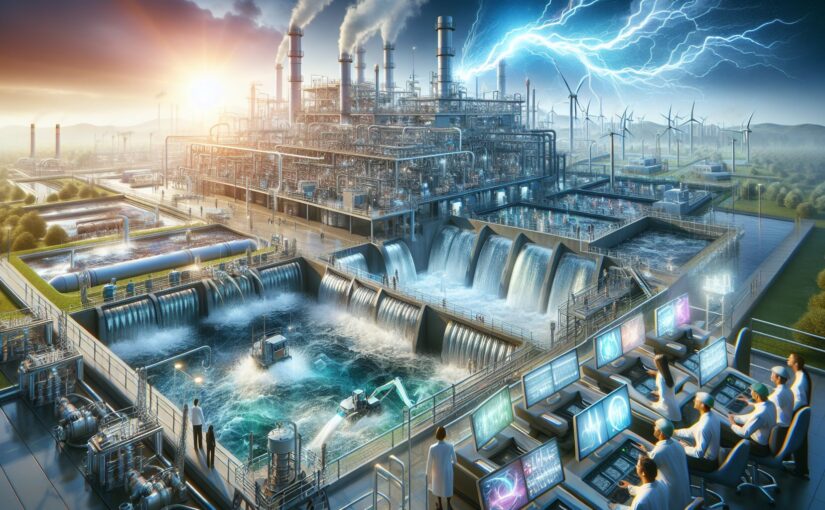
The quest for sustainable wastewater treatment and energy production has led scientists and engineers to explore the intricate world of bioelectrochemical systems (BES). Among the numerous approaches being developed, the utilization of electroactive wastewater bacteria has emerged as a promising and innovative solution. These microscopic powerhouses are not only capable of cleaning up our sewage but can simultaneously generate electricity. In this comprehensive analysis, we will delve into what makes these organisms tick, the mechanisms they employ, and the potential they hold for a greener future.
Introduction to Electroactive Wastewater Bacteria
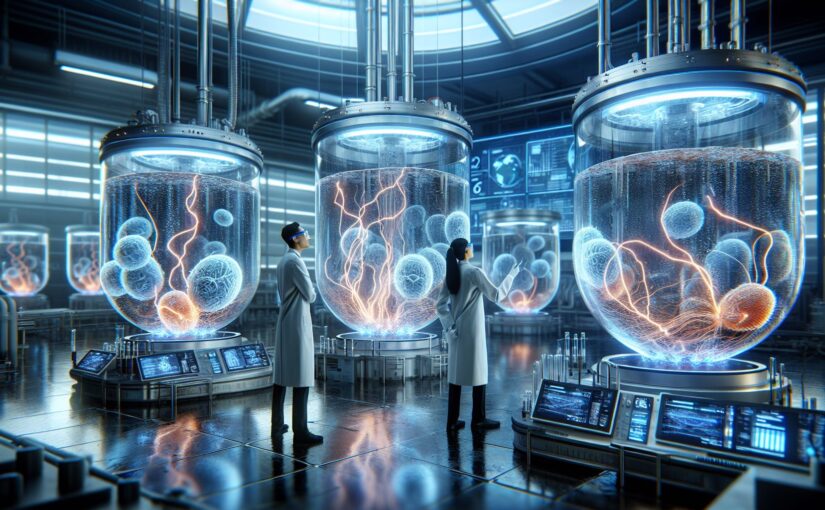
Electroactive bacteria are a specialized group of microorganisms with the unique capability to transfer electrons to external metals or electrodes. In wastewater settings, these bacteria play a crucial role in bioelectrochemical systems (BES), including microbial fuel cells (MFCs), where they form the core part of the bioanode.
What are Bioelectrochemical Systems (BES)?
Bioelectrochemical systems are technologies that combine biological components, like microorganisms, with electrochemistry to perform various functions, such as treating wastewater and producing electricity. These systems harness the innate processes of bacteria to oxidize organic and inorganic matter, subsequently capturing the electrons released during this metabolic activity.
The Significance of Electroactive Bacteria in BES
The reason why electroactive bacteria are so essential for BES is their ability to interact with electrodes. This interaction facilitates the direct transfer of electrons from the microbial cells to the anode, resulting in the generation of an electrical current. By exploiting these biological processes, BES can treat wastewater while producing renewable energy.
Mechanisms of Electron Transfer
The processes by which electroactive bacteria transfer electrons are complex and diverse. Primary mechanisms include direct electron transfer (DET) and indirect electron transfer (IET).
Direct Electron Transfer (DET)
DET occurs when bacteria physically connect to the electrode surface through structures called pili or nanowires, which behave like biological wires transferring electrons directly to the electrode. Shewanella and Geobacter are well-known genera that facilitate DET, and much research has focused on improving our understanding and leveraging these natural processes.
Indirect Electron Transfer (IET)
IET involves the use of soluble redox mediators. These molecules shuttle electrons from the bacterial cell to the electrode. While some bacteria produce their mediators, others require the addition of synthetic compounds to facilitate electron transfer.
Electroactive Bacteria in Action: Key Processes and Applications
Electroactive bacteria’s ability to communicate with electrodes has led to significant advancements in various applications. Here’s how they are being utilized:
Microbial Fuel Cells (MFCs)
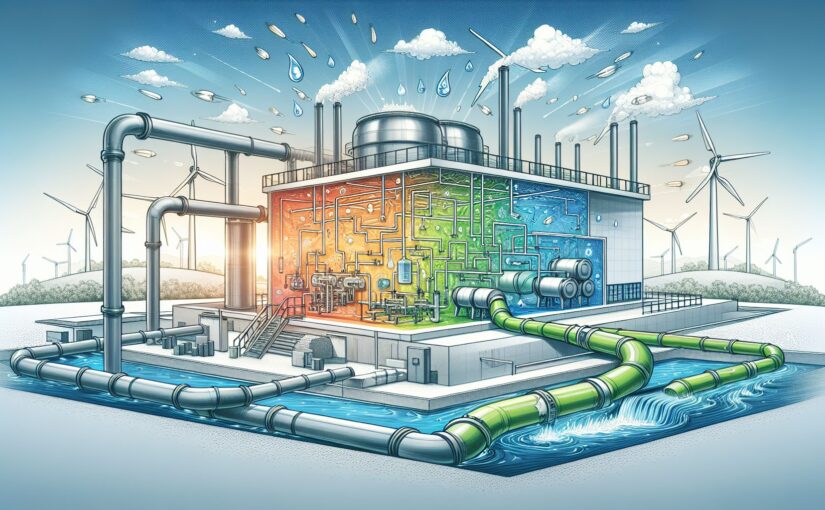
MFCs are the most prominent application of electroactive bacteria. In an MFC, organic matter in wastewater is oxidized by bacteria at the bioanode, generating electrons, protons, and carbon dioxide. The electrons flow through a circuit to the biocathode, where they reduce oxygen to water, completing the circuit. This process generates a flow of electrical current.
Treatment of Wastewater
The bacterial metabolism involved in MFCs is effective in breaking down organic pollutants. This is an eco-friendly alternative to conventional methods that often require energy inputs and chemical additions.
Bioelectricity Generation
Concurrent with wastewater treatment, MFCs generate bioelectricity. Although the power density of current systems may not rival conventional power sources, there is significant potential for optimization and scaling up.
Bioanodes and Biocathodes
In BES, the bioanode is where bacteria oxidize the substrates, and the biocathode is where the reduction of compounds like oxygen occurs. Improving the design and materials of these electrodes is crucial for enhancing the efficiency of these systems.
Renewable Energy from Wastewater
The possibility of extracting renewable energy from wastewater, while simultaneously treating it, is a compelling concept. It represents a dual benefit of environmental protection and sustainable energy production.
The Challenges and Future Directions
Although the potential for electroactive wastewater bacteria in BES is enormous, challenges remain. These challenges include the need for:
- Scale-up: Transitioning from laboratory-scale to full-scale applications.
- Power Density Enhancement: Improving the power output of BES to make them competitive with other renewable energy sources.
- Material Innovation: Developing cost-effective, durable, and efficient electrode materials.
Advancements in the Field
Research is ongoing to overcome these obstacles. Innovations in genetic engineering have the potential to enhance the extracellular electron transfer capabilities of bacteria. Material scientists are exploring novel electrode compositions and structures to optimize electron capture.
Sustainability and Environmental Impact
It’s worthwhile to note that the environmental footprint of treating wastewater and producing bioelectricity through BES is relatively low compared to traditional methods. This aligns with global sustainability goals and the push for cleaner technologies.
Conclusion
Electroactive wastewater bacteria are at the heart of an exciting convergence between microbiology and electrochemistry. By leveraging these organisms’ unique capabilities, we can envision a future where wastewater treatment plants not only purify water but also contribute renewable energy to the grid.
As research continues to unfold the mysteries of electron transfer mechanisms and system optimizations, we inch closer to realizing the full potential of bioelectrochemical systems. Electroactive bacteria, once overlooked inhabitants of muck and grime, may just be the key that unlocks a cleaner and more energy-efficient world.
Sources
- Logan, B. E. (2009). Exoelectrogenic bacteria that power microbial fuel cells. Nature Reviews Microbiology, 7(5), 375-381.
- Rabaey, K., & Rozendal, R. A. (2010). Microbial electrosynthesis — revisiting the electrical route for microbial production. Nature Reviews Microbiology, 8(10), 706-716.
- Schroder, U., Harnisch, F., & Angenent, L. T. (2015). Microbial electrochemistry and technology: terminology and classification. Energy & Environmental Science, 8(2), 513-519.