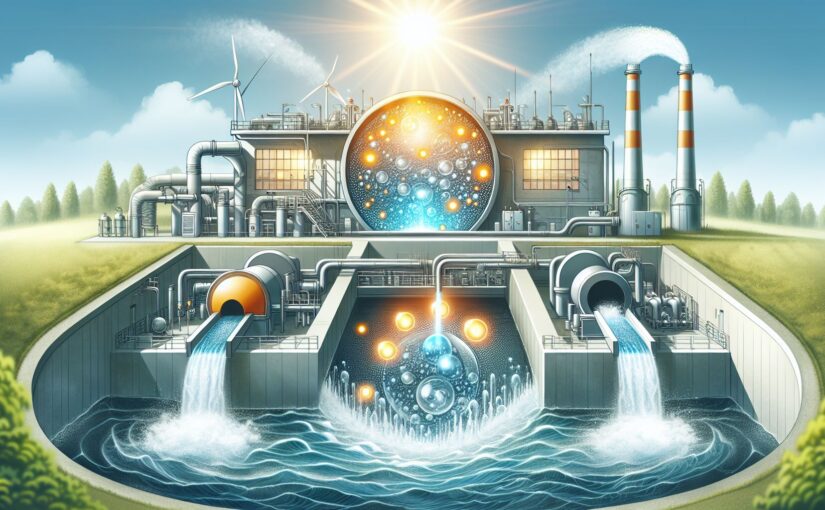
With the growing demand for sustainable energy and effective wastewater treatment methods, innovative solutions that can address both these challenges simultaneously are in high demand. One such promising technology is the use of microbial fuel cells (MFCs) to generate renewable energy from wastewater. MFCs utilize the metabolic processes of microorganisms to break down organic matter in wastewater and produce electricity in the process. This article delves into the possibilities and challenges of extracting renewable energy from wastewater using MFCs and explores how this technology could revolutionize the way we think about waste and energy.
Understanding Microbial Fuel Cells (MFCs)
A microbial fuel cell is an ingenious system that directly converts the chemical energy stored in the organic matter of wastewater into electrical energy through the action of bacteria. These bacteria, often referred to as electrogenic or electroactive, can transfer electrons to an electrode as part of their metabolic processes. MFCs generally consist of an anode, a cathode, and a proton exchange membrane or another type of ion-conducting separator between them.
Electroactive Wastewater Bacteria: Nature’s Tiny Power Plants
Electroactive bacteria are at the heart of MFC technology. These organisms can effectively discharge electrons taken from the degraded substrate outside their cells. Some well-known electrogenic bacteria include Shewanella oneidensis and Geobacter sulfurreducens. The biofilms they form on the anode are capable of transferring these electrons onto solid electrode surfaces, a phenomenon known as extracellular electron transfer (EET) (1, 2).
Electricity Generation: How Wastewater Becomes a Power Source
The process starts when the bacteria consume organic matter in the wastewater—this could be anything from human waste to industrial effluents—and produce electrons and protons. These electrons travel through the anode, across an external circuit (producing electricity), and eventually to the cathode. Here, they combine with protons (which have moved through the proton exchange membrane) and oxygen (often from the air) to form water. This continuous flow of electrons is what generates electric power, which can be harnessed for various applications.
The Potential of Wastewater as a Renewable Energy Source
Wastewater contains a large amount of organic material that is typically treated using energy-intensive methods. By integrating MFCs into wastewater treatment plants, it becomes possible to not only treat the water but also to recycle the embedded energy and reduce the overall energy demand of the treatment process.
Environmental Benefits: Clean Water and Green Energy
One of the most appealing aspects of using MFCs in wastewater treatment is the double-edged sword of environmental benefits: cleaning water while producing clean energy. The reduced reliance on chemical treatments and the potential to offset the operational energy costs of wastewater treatment plants make it a sustainable technology that can contribute to a greener planet.
Economic Advantages: Cutting Costs and Generating Revenue
Harnessing renewable energy from wastewater could lead to significant cost savings and create additional revenue streams for wastewater treatment facilities. By generating electricity, plants can reduce their energy bills. Moreover, with continuous improvements, the excess energy produced by MFCs could be sold back to the power grid, providing financial incentives to adopt this green technology.
Challenges to Overcome in MFC Technology
Despite the considerable benefits, there are still numerous hurdles to overcome before MFCs can be widely implemented.
Technological Limitations: Efficiency and Power Output
Presently, the power output and efficiency of MFCs are relatively low when compared to other renewable energy technologies like wind and solar power. Factors such as the types of bacteria, electrode materials, and the MFC design significantly affect the power density and coulombic efficiency of these systems.
Electrode Materials: Finding the Ideal Medium for Electricity Flow
The performance of MFCs is heavily reliant on the electrodes used. Carbon-based electrodes are commonly used due to their good conductivity and relatively low cost. However, there is ongoing research into catalyst-coated electrodes and novel materials that could enhance performance while also being cost-effective and durable (3).
Scaling Up: From Lab to Real-World Application
Scaling up MFCs from bench-scale models to full-scale operational systems capable of handling the vast amounts of wastewater produced daily by cities is a significant challenge. Issues related to maintaining microbial activity, system stability, and consistent performance at a larger scale need to be addressed.
Integrating MFCs with Existing Infrastructure
Another issue is integrating MFC technology with existing wastewater treatment infrastructure. This integration requires not only physical retrofitting but also adjustments to the operational protocols to harness the benefits of MFC systems effectively.
The Path Forward for Renewable Energy from Wastewater
Innovative Designs: Breaking Through the Power Ceiling
To address the limitations of MFCs, researchers are exploring innovative designs. Stacked and continuous flow MFCs are two examples where design modifications aim to boost power output and treatment efficiency. Additionally, novel configurations like sediment MFCs offer opportunities to extract energy from different types of wastewater environments.
Policy and Investment: Key Drivers for Advancement
To realize the full potential of MFC technology, supportive policies and investments are critical. Governments and private entities need to recognize the long-term benefits and provide the necessary funding for research and development, as well as incentives for adopting this technology.
Educating Stakeholders: Spreading the Word
Education and awareness are crucial in driving the adoption of renewable energy technologies from wastewater. Utility managers, policymakers, and the public must be informed about the benefits and potential of MFCs to foster a broader acceptance of this technology.
Conclusion
Renewable energy from wastewater represents an untapped resource with enormous potential. By leveraging microbial fuel cells, we can simultaneously address two critical sustainability issues: effective wastewater treatment and renewable energy generation. While challenges remain in terms of efficiency, scaling, and integration, the environmental, economic, and societal benefits warrant continued research and development. With the right combination of technology, policy, and investment, MFCs could play a prominent role in a sustainable future, where waste is not an end-product but a valuable resource for clean energy generation.