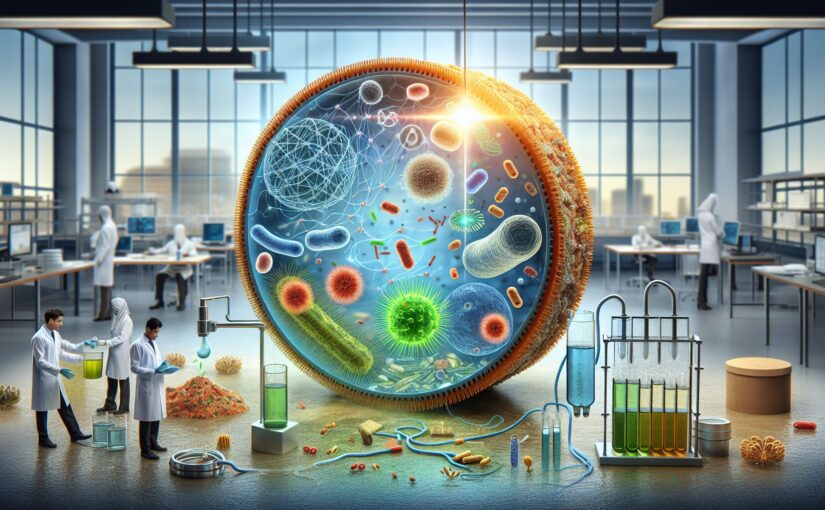
The ever-increasing global energy demand and the significant environmental concern associated with wastewater disposal are two critical issues that have stimulated intense research in the field of renewable energy and sustainability. In this context, renewable energy from wastewater emerges not only as an innovative approach to managing wastewater efficiently but also as an untapped opportunity to harness clean energy. In this comprehensive article, we’ll delve deep into the potential of turning wastewater into a valuable resource for renewable energy.
Introduction to Bioelectrochemical Wastertime Systems
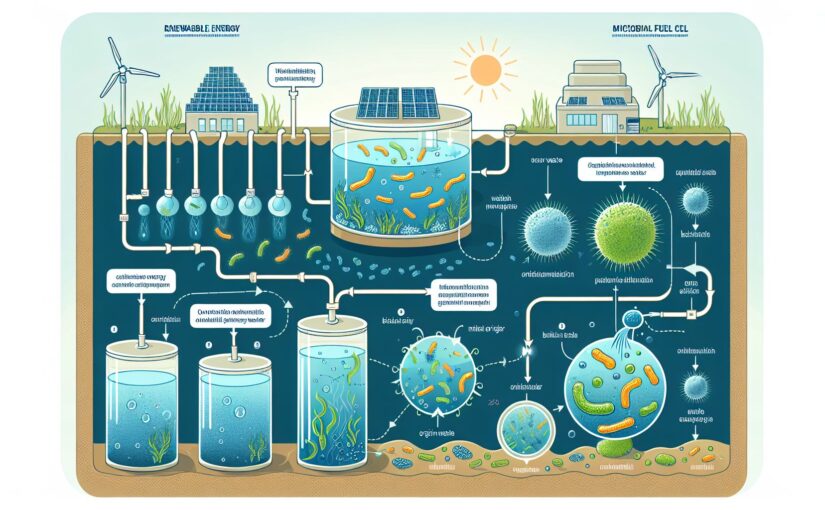
The concept of deriving renewable energy from wastewater is rooted in the operation of bioelectrochemical wastewater systems, such as Microbial Fuel Cells (MFCs). These systems exploit the natural metabolic processes of microorganisms to break down organic matter in wastewater and generate electricity as a byproduct. Not only do they treat wastewater, but they also pave the way for a cleaner and more sustainable production of energy.
The Science Behind the Process
At the heart of this process is the electroactive wastewater bacteria, a class of microorganisms capable of transferring electrons outside their cell membranes during the digestion of organic compounds. These bacteria are often referred to as exoelectrogens or anode-respiring bacteria. They catalyze the oxidation of substrates, essentially pulling electrons from the organic matter and shuttling them to the anodes of MFCs, thus setting the stage for bioelectricity generation.
Unpacking Microbial Fuel Cells (MFCs)
Microbial fuel cells for wastewater treatment are essentially bio-electrochemical reactors that mimic a battery. They consist of an anode and cathode compartment separated by a proton exchange membrane. In the anode compartment, exoelectrogenic bacteria adhere to the electrode, known as the wastewater bioanode. Here, the bacteria oxidize the organic substrates and release electrons and protons.
The electrons are then transported to the cathode compartment, typically through an external circuit, creating an electric current. Meanwhile, the proton exchange membrane allows protons to move from the anode to the cathode compartment, where they combine with oxygen and electrons to form water, completing the chemical process.
Electrode Materials: A Crucial Element
The choice of electrode material is pivotal in optimizing the performance of MFCs. Historically, carbon-based electrodes have been widely used in waste-based MFCs due to their high surface area, electrical conductivity, and biocompatibility. Recent advances have introduced various catalyst-coated electrodes designed to enhance the efficiency of electron transfer processes, thus increasing the overall energy output of the system.
Innovations and Variations
Emerging variations of standard MFCs include stacked MFCs, which increase the effective surface area for bacterial action, and continuous flow MFCs, designed to treat wastewater in a more operational setting similar to conventional wastewater treatment plants. Other notable adaptations are sediment MFCs, which are used in natural water bodies with underlying sediments, and plant-microbial fuel cells, leveraging symbiotic relationships between plant roots and electrogenic bacteria for simultaneous wastewater treatment and biomass production.
The Boundless Potential of These Systems
The ability to harvest renewable energy from the organic matter present in wastewater presents numerous advantages. It offers a pathway to reduce the carbon footprint of wastewater treatment plants, transform waste into a resource, and contribute to the circular economy. Furthermore, the energy produced can be considered ‘green’ as it is generated from renewable resources and involves a carbon-neutral or even carbon-negative process.
Critical Components and Mechanisms
To understand how renewable energy from wastewater can be effectively harnessed, it’s important to consider the various components and mechanisms involved in bioelectrochemical wastewater systems.
Electron Transfer Mechanisms
Electron transfer in MFCs could occur through different mechanisms, predominantly via direct extracellular electron transfer (EET) or through mediator molecules. In mediator-less wastewater MFCs, bacteria form biofilms on the anode and transfer electrons directly. Conversely, in mediator-based MFCs, synthetic or biological mediators can shuttle electrons between the bacteria and the electrode.
Direct Electron Transfer:
This mechanism allows highly efficient energy recovery and simplifies the system by eliminating the need for additional compounds. There are several pathways for direct electron transfer, including conductive pili or ‘nanowires,’ cytochromes, and redox proteins associated with the bacterial outer membrane.
Mediated Electron Transfer:
While direct transfer is ideal, some bacteria cannot directly transfer electrons to the electrodes. Chemical mediators can facilitate electron transfer in such cases, but they may pose potential toxicity risks and increased costs.
Microbial Electrolysis and Desalination Cells
Apart from MFCs, other bioelectrochemical systems like microbial electrolysis cells (MEC) and microbial desalination cells (MDC) have been developed. MECs are similar to MFCs but they are employed to produce hydrogen gas from wastewater. Meanwhile, MDCs are designed to desalinate water alongside electricity generation and wastewater treatment. These innovative systems further expand the utility of wastewater as a resource for diverse applications.
Measuring the Efficiency of Wastewater MFCs
To evaluate the effectiveness and commercial viability of MFC technology in treating wastewater and producing renewable energy, several performance metrics are commonly used:
Power Density and Coulombic Efficiency
Power density in wastewater MFCs is a measure of the power output per volume or surface area of the reactor or electrode. It’s a critical factor in assessing the strength and potential scalability of the system. Similarly, Coulombic efficiency in wastewater MFCs measures the percentage of electrons harvested from the substrate that are converted into electrical energy, providing insights into the system’s energy recovery capabilities.
Polarization Curves
A polarization curve in wastewater MFCs plots the cell voltage output against current, providing a graph that reveals various internal and external resistances affecting the MFC’s performance. Analysis of the polarization curve enables the optimization of system design and operational parameters to maximize energy output.
Scaling Up: From Laboratory to Industry
The applications of MFCs have been widely studied in small-scale laboratory setups, but the grand challenge lies in scaling up wastewater MFCs for industrial applications and municipal wastewater treatment. Scaling-up involves optimizing the MFC design to maintain high power densities and Coulombic efficiencies while treating larger volumes of wastewater.
A significant scaling up consideration is the economics of materials, especially electrode materials. Industrial-scale MFCs require robust, scalable, and cost-effective materials to be feasible. Hence, carbon-based electrodes and catalyst-coated electrodes are often preferred for their scalability and relative affordability.
Environmental and Economic Impact
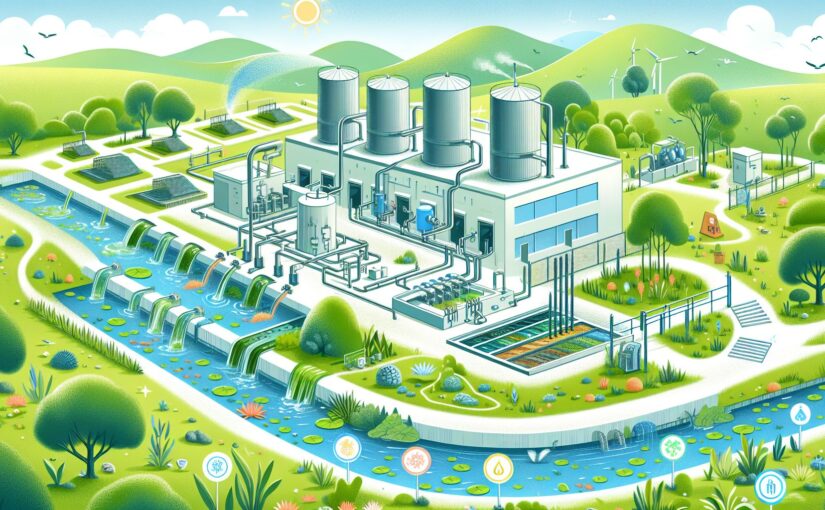
The dual benefit of wastewater treatment and renewable energy generation positions MFCs as a remarkable innovation in the movement towards sustainability. By integrating MFCs into existing wastewater infrastructure, treatment facilities can offset their energy consumption and potentially become energy-neutral or even energy-positive entities.
Moreover, decentralized MFE systems could empower remote or off-grid communities by providing a local source of energy and a