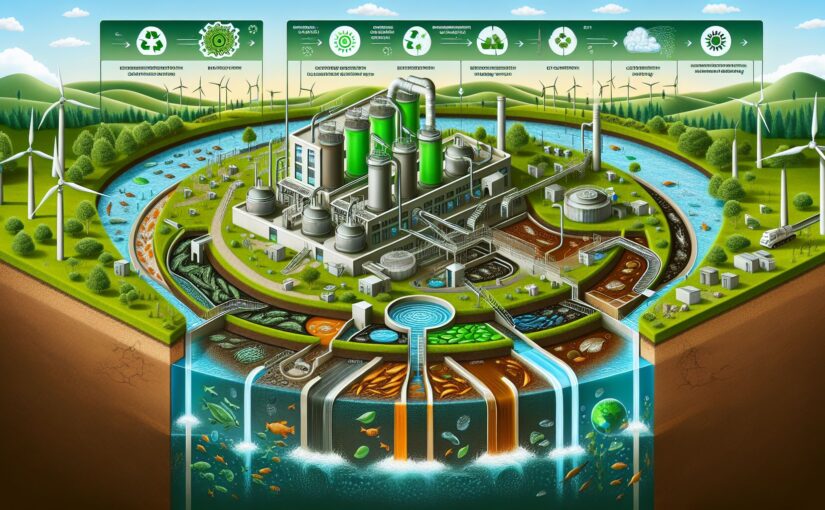
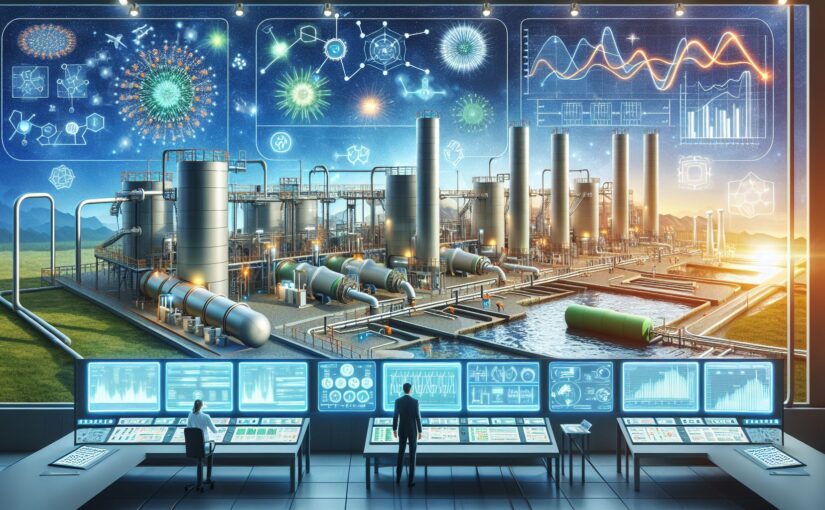
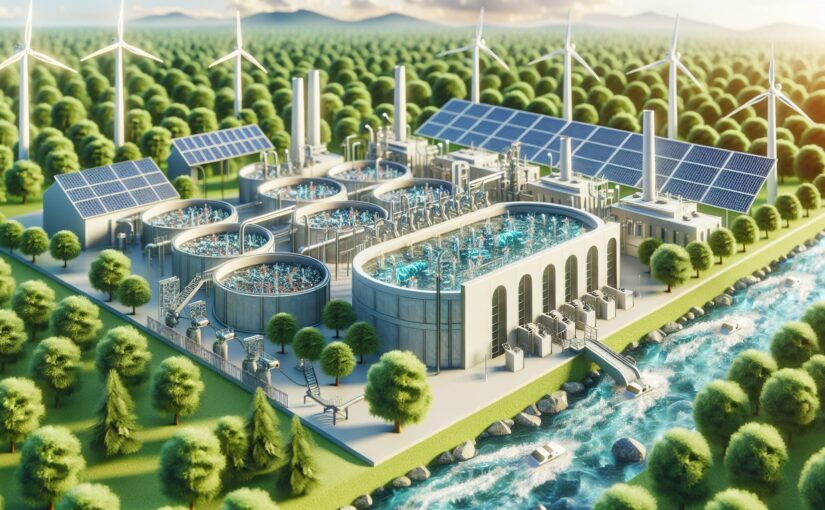
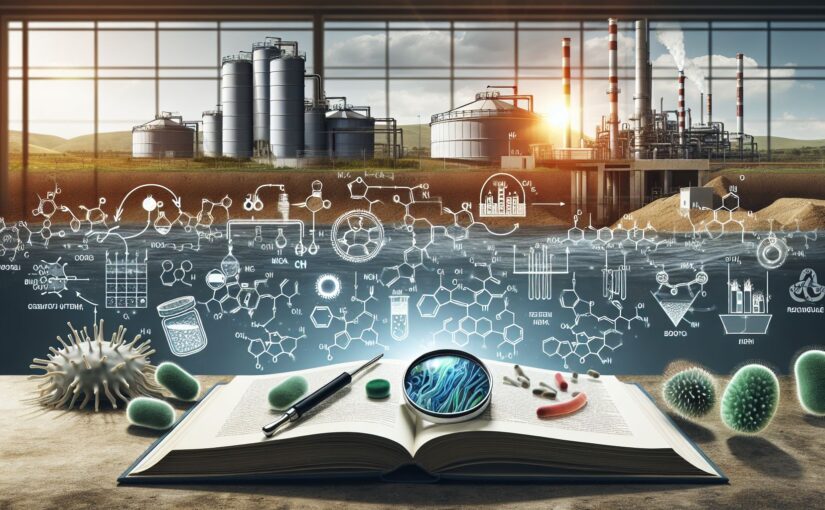
Wastewater contains organic matter that, traditionally, is viewed as a pollutant to be treated and disposed of at a significant energy and financial cost. However, with the pressing need for sustainable energy sources in the modern era, wastewater is no longer seen merely as waste but as a potential source of renewable energy. This article explores the principles and advancements in harnessing bioelectricity from wastewater, touching upon the key concepts, technologies, challenges, and future prospects of this environmentally conscious alternative.
Understanding Wastewater’s Renewable Potential
Why Stare Down the Drain?
Wastewater is rich in chemical energy; the organic matter within it is essentially untapped fuel.
Human activities produce approximately 330 km³ of wastewater annually worldwide (United Nations World Water Development Report, 2017). This vast quantity, if utilized effectively, can be a significant boon for renewable energy production.
The concept of bioelectricity generation from wastewater is grounded in the principles of microbial fuel cells (MFCs), a technology that exploits the metabolic processes of certain microorganisms to convert chemical energy into electrical energy.
Microbial Fuel Cells: The Heart of Bioelectricity
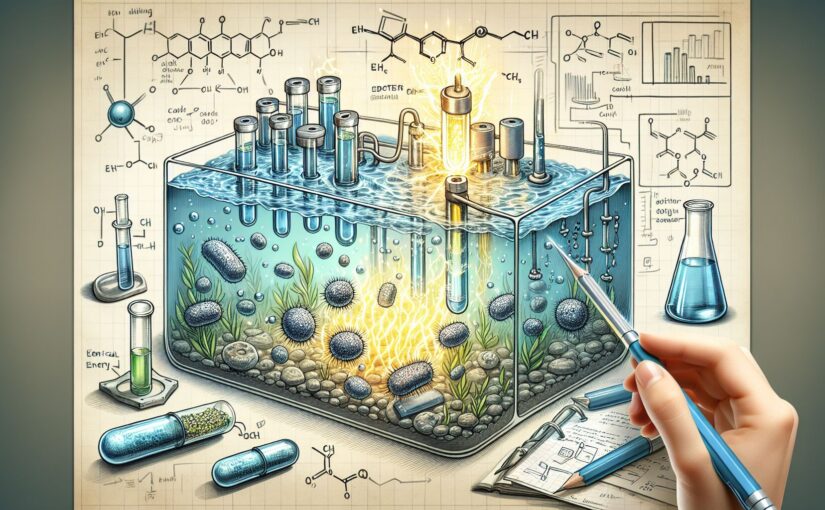
Microbial fuel cells (MFCs) are devices that use the natural processes of bioelectrochemical systems to generate electricity from the oxidation of organic substances. Here’s a simplified breakdown of how they work:
- Anode Chamber: Microorganisms in the wastewater oxidize the organic matter, releasing electrons and protons as a byproduct.
- Cathode Chamber: The released electrons travel through an external circuit to the cathode, creating an electrical current. Meanwhile, the protons pass through a proton exchange membrane to the cathode side.
- Electrode Reaction: At the cathode, the electrons and protons combine with oxygen to form water.
The Unseen Powerhouses: Electroactive Bacteria
The key to MFC technology lies in electroactive bacteria — microorganisms capable of transferring electrons to an external surface. These bacteria, such as Shewanella oneidensis and Geobacter sulfurreducens, are the driving force behind the bioelectricity generation.
Advancements in Bioelectricity Generation from Wastewater
Technological innovations have propelled the potential of bioelectricity from wastewater. Leading research focuses on optimizing MFC designs, enhancing efficiency, reducing costs, and scaling up systems for practical use.
Innovations in MFC Designs
Developments include stacked MFCs, which increase voltage by connecting multiple MFCs in series or parallel, and continuous flow MFCs that allow for a steady conversion of wastewater into electricity.
Enhancing Efficiency
Factors that affect efficiency include:
- Substrate Degradation: The rate of organic matter breakdown directly impacts electricity generation.
- Electron Transfer Mechanisms: Improving the rate of electron transfer from bacteria to the electrode can enhance efficiency.
- Coulombic Efficiency: The ratio of electrons captured for electricity to those lost to other processes determines how much of the energy potential is harnessed.
Electrode Materials: The Conductive Backbone
Recent research has emphasized the importance of high-performance electrode materials. Advances in this area involve:
- Carbon-Based Electrodes: These provide conductivity and surface area for bacterial attachment at relatively low costs.
- Catalyst-Coated Electrodes: Coating electrodes with catalysts, like platinum, can improve the rate of reactions though they may raise the cost.
Trending: Stacked and Continuous Flow MFCs
Stacked and continuous flow MFCs represent promising trends in MFC design, as they address the challenge of scaling up for industrial applications.
- Stacked MFCs: by increasing the number of MFC units, higher outputs can be obtained without occupying significantly more space.
- Continuous Flow MFCs: ensure a constant supply of nutrients and removal of waste, favoring the MFC performance and stability over time.
Bridging the Commercial Gap
Current research efforts in the field of MFCs also focus on overcoming the barriers to commercial scale-up. In particular, this involves looking at aspects such as the physical design of the systems, cost and availability of the materials needed, and the overall economic viability of the process.
Going Beyond: MFCs and Bioremediation
Remarkably, MFCs not only generate electricity but also contribute to the bioremediation process. As bacteria metabolize and detoxify the wastewater, what was once waste turns into an asset.
Challenges and Future Prospects
While the technology holds considerable promise, several obstacles remain:
- Technical Hurdles: Achieving efficient energy production and storage, and managing waste byproducts presents technical challenges.
- Economic Viability: Balancing cost-effectiveness, reliability, and scalability is critical for widespread adoption.
- Public Perception and Policy: Integrating this renewable energy source into existing grids and gaining public support are essential steps.
The Road Ahead: A Multi-disciplinary Adventure
The journey to effectively harness bioelectricity from wastewater requires a multi-disciplinary approach involving:
- Engineering Innovations: Advancements in MFC design to improve performance and scalability.
- Biotechnological Breakthroughs: Tailoring and optimizing microbial consortia for increased efficiency.
- Environmental Science Insights: Understanding and minimizing the ecological impact of MFC deployment.
Conclusion: Waste Not, Want Not
The concept of generating renewable energy from wastewater aligns seamlessly with an eco-conscious future. By leveraging the power of MFCs and bioelectrochemistry, we enter an era where wastewater treatment is no longer an energy liability but an opportunity for clean, sustainable electricity.
The road ahead is not without its bumps; however, the continued effort in research and development, driven by our global sustainable energy goals, paves the way for a promising future wherein wastewater plays a critical role in our energy solutions.
With continued research and technological improvements, the potential benefits of MFC-based wastewater treatment systems are undeniable. As our society shifts toward cleaner energy and sustainable practices, the intersection of wastewater management and bioelectricity generation stands as a beacon of innovative environmental stewardship.
For additional information and research, references such as Environmental Science & Technology, Bioresource Technology, and the International Water Association’s publication portal offer a wealth of knowledge on the current state of MFC technologies and their applications.