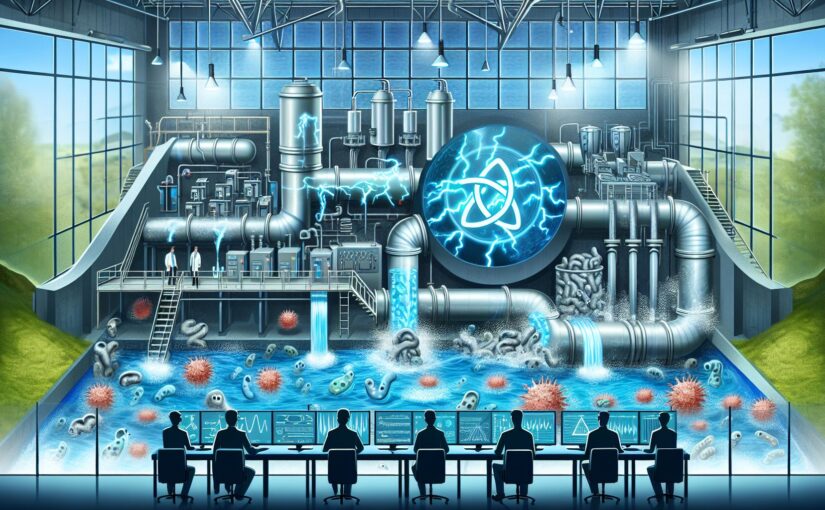
Exoelectrogens are a special class of bacteria capable of transferring electrons to an external terminal electron acceptor (TEA) in the environment. These fascinating microbes have immense potential in the biotechnological field, adding significant value to the wastewater treatment process. Their dual capabilities of wastewater treatment and energy generation are starting to garner major attention from researchers globally.
The Double Duty of Exoelectrogens
Exoelectrogens are found even in the local waste dump and are versatile workers. They work tirelessly to treat wastewater, thus ensuring water security. Simultaneously, they also generate usable electricity, creating a cleaner energy source. This means they provide two-fold service in the ‘battle for survival against pollution’.
They function by liberating electrons during wastewater decomposition. These electrons, when transferred across a conductive medium to a terminal electron acceptor, produce electric current. By harnessing this current, a microbial fuel cell (MFC) can generate sufficient energy to become self-sustaining and function without any added electrical source.
Exploring the Power Hidden in Wastewater
In a world striving to create sustainable energy alternatives, the presence and capabilities of exoelectrogens in wastewater treatment can’t be overlooked. Not only do they have the power to minimize water pollution, but their ability to generate clean energy makes them a valuable asset.
By harnessing this energy, we can power different systems, from running small devices to potentially supplying power for water treatment plants themselves. The goal is a closed-loop system where wastewater treated yields energy to continue the process, thus reducing the reliance on conventional energy sources considerably.
The Future of Wastewater Treatment
The commercial potential for exoelectrogens in wastewater treatment is beginning to be explored in earnest. With suitable technological advancements, adapting these microbes into an efficient wastewater treatment strategy could solve many of the world’s pressing environmental challenges.
Industrial scale research and pilot projects are already underway, with promising results. These investigations aim at establishing the longevity, effectivity, and reliability of these bacteria in real-world circumstances.
Exoelectrogens in wastewater promise great potential to revolutionize the paradigm of wastewater treatment. We are at the tip of the iceberg when it comes to understanding and utilizing these organisms to their full potential. But the flicker of hope is there – proving nature once again has solutions, if only we look deeper.
Sources:
1. Electroactive biofilms: Current status and future research needs
2. Harnessing the Power of Microbes for Wastewater Treatment
3. Exoelectrogenic bacteria that power microbial fuel cells