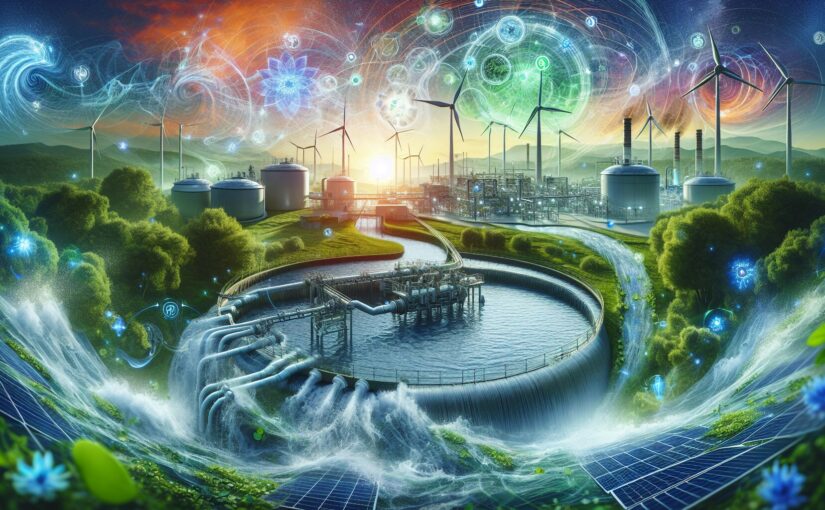
Microbial Fuel Cells for Wastewater Treatment: An Answer to Renewable Energy and Pollution Reduction

Wastewater treatment is not typically the first thing that comes to mind when one thinks about cutting-edge technology and renewable energy. But as it turns out, the intersection of microbiology and electrochemistry in the form of microbial fuel cells (MFCs) is breeding grounds for innovative solutions to some of the world’s most pressing environmental challenges.

In this detailed exploration, we will look at how microbial fuel cells are revolutionizing wastewater treatment, harnessing the power of microorganisms to not only clean water but also produce electricity in the process, providing a two-fold environmental benefit.

What are Microbial Fuel Cells (MFCs)?

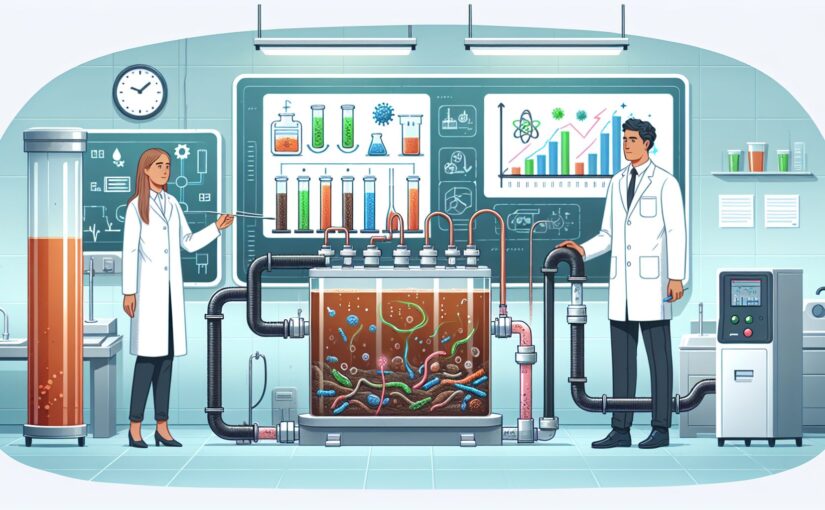
A microbial fuel cell is an electrochemical system that capitalizes on the natural processes of certain bacteria, which can oxidize organic matter and produce electrons as a byproduct. These electrons are then captured and used to generate electricity. Essentially, MFCs can convert chemical energy, available in the organic matter within wastewater, directly into electrical energy through the catalytic reaction of microorganisms.

How Do MFCs Work?

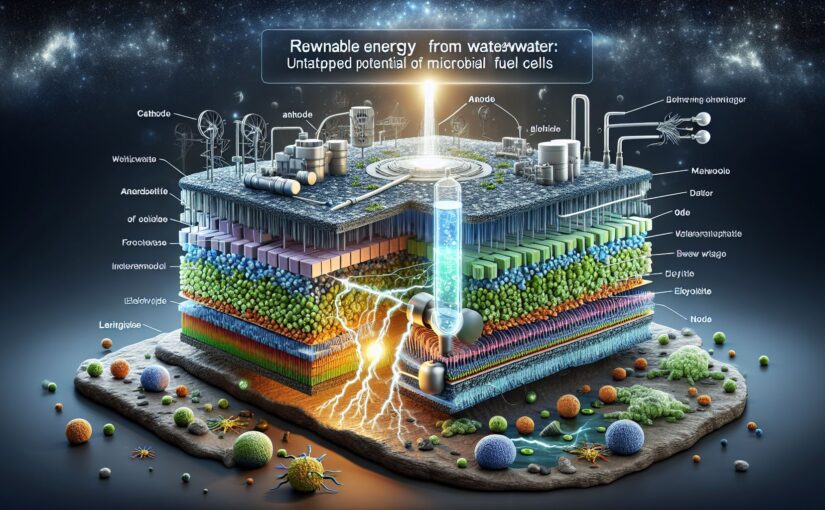
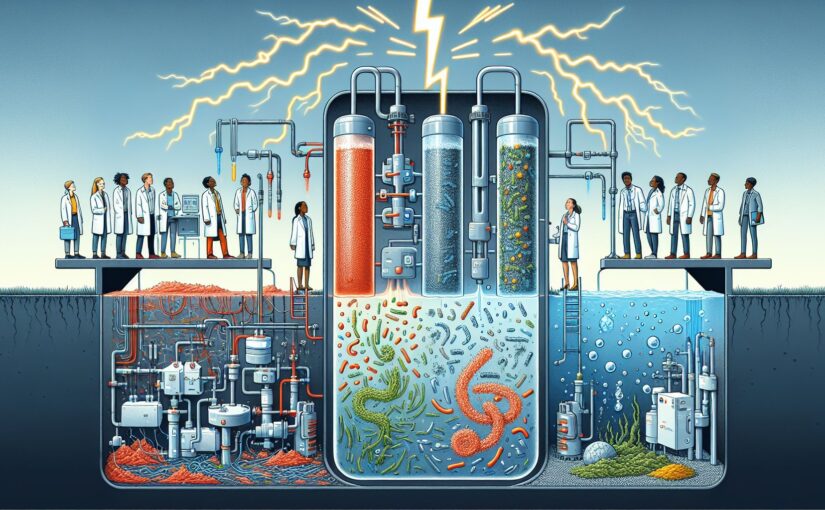
Microbial fuel cells consist of two compartments separated by a proton exchange membrane: an anode and a cathode chamber. In the anode chamber, electroactive bacteria break down the organic substrates from the wastewater, releasing electrons and protons in the process. Electrons travel through the circuit to the cathode, whereas protons pass through the membrane to the cathode chamber. At the cathode, electrons, protons, and oxygen (from air or delivered through forced aeration) combine to form water. This flow of electrons from anode to cathode is what generates electricity.

The Key Players: Electroactive Wastewater Bacteria

The heart of an MFC is its biological component—the electroactive bacteria. These specialized microbes, known as exoelectrogens, have the ability to transfer electrons outside of their cell membranes to an external electrode. The most well-known exoelectrogens belong to the genera Shewanella and Geobacter. Their unique metabolic properties allow them to respire using solid-state materials, such as metal oxides or the anodic electrode in an MFC, in place of traditional soluble electron acceptors found in their natural environments.

Advantages of Using MFCs for Wastewater Treatment

  1. Renewable Energy Production: MFCs harness the chemical energy from wastewater organic matter and directly convert it into electrical power.

  2. Pollution Reduction: They significantly reduce the biochemical oxygen demand (BOD) and chemical oxygen demand (COD) in wastewater, which are indicators of the amount of organic pollutants.

  3. Sustainable Operation: MFCs operate at room temperature and atmospheric pressure, and they have the potential to run indefinitely as long as there’s a supply of wastewater.

  4. Waste Minimization: Traditional wastewater treatment can generate a substantial amount of sludge, which requires further processing and disposal; MFCs, conversely, minimize sludge production.

  5. Resource Recovery: Aside from electricity, MFCs can recover valuable byproducts, such as biogas and certain metals.

Challenges in Practical Implementation

Despite the clear environmental and energy-related benefits that MFCs afford, there are challenges to their widespread adoption:

  1. Low Power Output: The power density (amount of power produced per unit volume of the reactor) that typical MFCs generate is generally low compared to other renewable energy technologies.

  2. Scalability: Scaling MFCs from laboratory to industry-level applications poses difficulties due to factors such as maintaining consistent microbial communities and electrode efficiency.

  3. Cost of Materials: The materials for MFC electrodes and the proton exchange membrane can be expensive, impacting the overall cost-effectiveness of the system.

  4. Long-Term Stability: Ensuring the long-term stability and consistent performance of these biological systems is key to their commercial viability.

  5. Integration with Existing Infrastructure: Adapting and integrating MFC technology into existing wastewater treatment infrastructure requires significant investment and engineering efforts.

The Science Behind MFCs: A Closer Look at Electron Transfer Mechanisms

The electron transfer between the bacteria and the anode can occur through different mechanisms:

  1. Direct Transfer: Certain bacteria can attach themselves directly to the electrode and transfer electrons via proteins in their cell membrane or appendages known as pili or nanowires.

  2. Mediator Transport: Soluble compounds known as redox mediators can shuttle electrons between the bacteria and the electrode. Some mediators are synthetic, but certain bacteria can produce natural mediators.

  3. Biofilm Conduction: In some cases, a conductive biofilm on the anode surface can facilitate electron transfer from bacteria that are not in direct contact with the electrode.

The Role of Proton Exchange Membranes

Proton exchange membranes (PEMs) are critical components in MFCs. They allow protons to move from the anode to the cathode chamber while keeping the bacteria and substrate isolated from the cathode. This selective permeability is essential to maintain the electrochemical gradient necessary for the flow of electrons and, consequently, electricity generation.

While PEMs are effective in promoting ion exchange, they contribute to the overall costs of MFCs. Research in the development of cost-effective and efficient PEMs is ongoing, exploring materials like Nafion, sulfonated tetrafluoroethylene based fluoropolymer-copolymers, and hydrocarbon-based polymers.

Recent Innovations and Research in MFC Technology

Researchers are actively exploring ways to enhance the performance and viability of microbial fuel cells.

  1. Electrode Materials: Developing cheaper, more efficient electrode materials is an area of continuous research. Materials like carbon cloth, carbon paper, carbon mesh, and biodegradable materials are being examined.

  2. Stacked MFCs: By stacking multiple MFCs, the overall power output can be increased. This approach can help in overcoming the low power density of individual MFC units.

  3. Continuous Flow Systems: Designing MFCs that can efficiently handle a continuous flow of wastewater is crucial for real-world applications. Continuous flow MFCs can process larger volumes of wastewater without the need for batch replacements.

  4. Sediment MFCs: These MFCs are designed for use in natural environments like sediments where organic matter is abundant. They can generate electricity while simultaneously cleaning up the aquatic system.

  5. Plant-Microbial Fuel Cells: The integration of plants into MFC systems exploits the process of photosynthesis, where plants provide organic matter for the bacteria in the MFC through root exudates.

Microbial Fuel Cells as Biosensors

An interesting application of MFC technology beyond energy production and wastewater treatment is their use as biosensors. The current generated by an MFC can directly correlate to the amount of biodegradable material in the wastewater. Changes in the electric signal can indicate the presence of toxic substances that affect microbial activity, thereby providing real-time monitoring of water quality.

Future Directions for MFCs

To make MFC technology more competitive, researchers and engineers are working on the following:

  1. Improving Microbial Consortia: By engineering or selecting microbial communities with enhanced electron transfer capabilities, the efficiency

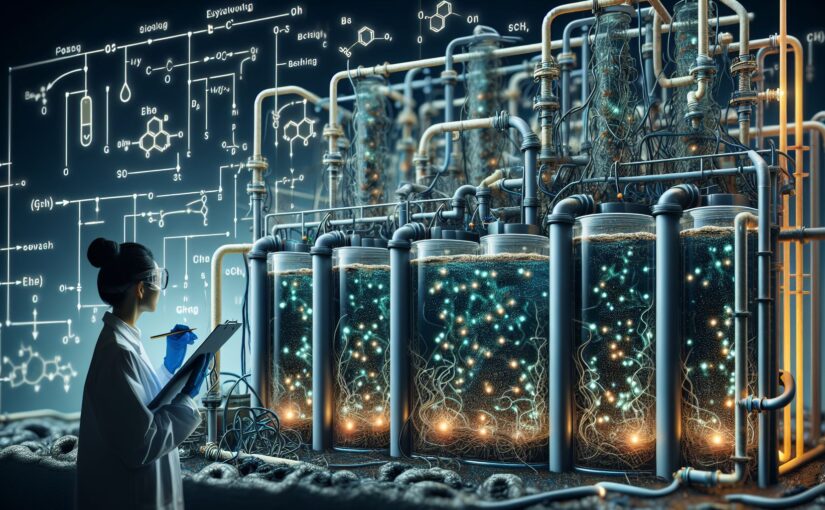
Generating Renewable Energy from Wastewater: Microbial Fuel Cells for a Sustainable Future

The traditional approach to wastewater treatment is a necessary but energy-intensive process, often representing a significant expense to municipalities and industries across the globe. However, advancements in biotechnology have ushered in innovative solutions that can treat wastewater while simultaneously generating electricity. One of the most promising technologies at the forefront of this revolution is the Microbial Fuel Cell (MFC). In this article, we will explore the potential of microbial fuel cells for wastewater treatment, how they can be used to generate renewable energy, and the challenges and prospects of scaling up this technology.

Understanding Microbial Fuel Cells

At its core, a microbial fuel cell is a bio-electrochemical system that harnesses the natural processes of electroactive bacteria. These bacteria can interact with anodes and cathodes, effectively transforming organic matter found in wastewater into electricity, clean water, and other valuable byproducts.

The Basics of MFC Operation

MFCs have a simple yet fascinating mode of operation that can be broken down into several key components:

  1. Anode Chamber: This is where wastewater is introduced and contains electrogenic or electroactive bacteria. These bacteria consume organic substances from the wastewater and through their metabolic processes, release electrons and protons.

  2. Cathode Chamber: Typically, this chamber contains a cathode and an electrolyte where the electrons, protons, and oxygen (from air) combine to form water.

  3. Proton Exchange Membrane (PEM): This semipermeable membrane, situated between the anode and cathode chambers, allows protons to pass through but stops electrons, often contributing to voltage generation.

  4. External Circuit: Electrons produced at the anode cannot cross the PEM, so they travel through an external circuit to the cathode, generating an electrical current.

Wastewater Treatment and Energy Recovery

MFCs offer a dual benefit: treating wastewater and recovering energy. The process not only reduces the organic matter in the wastewater (measured as Biological Oxygen Demand or Chemical Oxygen Demand) but also converts it directly into electrical energy.

Bioelectricity Generation

During treatment, the chemical energy stored in the organic matter is captured by bacteria and converted into electrical energy. This bioelectricity can be used to power small devices or, if generated in larger quantities, contribute to the energy needs of a wastewater treatment facility.

Advantages Over Conventional Methods

The generation of energy from wastewater via MFCs presents several advantages over traditional wastewater treatment methods:

  • Lower Energy Consumption: MFCs require less energy because they capitalize on the processes of naturally occurring bacteria.
  • Reduced Sludge Production: Conventional treatments often produce a significant amount of sludge as a byproduct, which then requires further processing or disposal. MFCs tend to produce less sludge, leading to lower handling costs.
  • Renewable Energy Generation: The electricity produced in MFCs can offset the energy needs of the treatment process or be used elsewhere, representing a sustainable energy source.

Challenges in Scaling Up MFCs

Despite the clear benefits of MFC technology, several challenges hamper its large-scale implementation:

  1. Material Costs: High-quality PEMs and electrodes can be expensive, which increases the cost of large-scale MFCs.
  2. Power Density: Improving the power density of MFCs is crucial to make them competitive with conventional power sources.
  3. MFC Configuration: Designing efficient and cost-effective MFC architectures that facilitate scaling up is an ongoing area of research.
  4. Long-Term Stability: Maintaining MFC performance over longer periods and ensuring the consistent health of the microbe population are key for practical applications.

Research and Development on MFCs

Research in MFC technology is vibrant and rapidly evolving. Studies are focusing on:

  1. Electrode Materials: Research is investigating carbon-based or catalyst-coated electrodes to enhance performance and reduce costs.
  2. Microbial Electrogenesis: Understanding and optimizing the electron transfer mechanisms of wastewater bacteria can improve MFC efficiency.
  3. System Designs: Innovative designs, like stacked or continuous flow MFCs, are being tested to improve scalability and integration into existing infrastructure.
  4. Targeted Applications: Beyond wastewater treatment, MFCs are being explored for use in remote sensing, bioremediation, and even as educational tools.

The Future of Energy-positive Wastewater Treatment

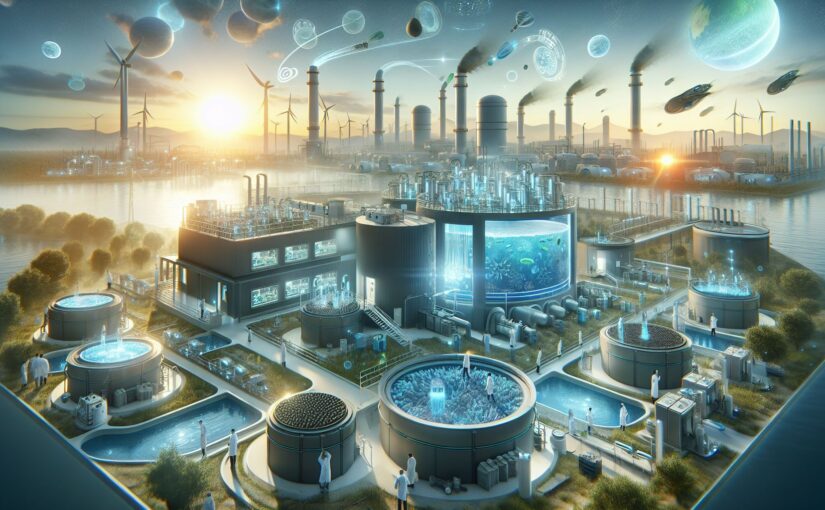
The potential of MFCs to revolutionize wastewater management and energy generation is immense. Future advancements could turn wastewater treatment facilities into energy-neutral or even energy-positive entities, contributing a significant share of renewable energy to the grid.

Case Studies and Proof of Concept

Several pilot projects around the world are already showcasing the viability of MFCs in treating wastewater and generating electricity. These case studies are vital for understanding the practical constraints and economic feasibility of MFCs in real-world scenarios.

Policy and Investment

For MFCs to become a mainstream technology, supportive policies and investment in research and infrastructure are essential. Public-private partnerships could accelerate adoption and innovation in this space.

Global Implications

Given that wastewater is a constant byproduct of human activity, and electricity demand is ever-rising, MFCs could present a globally relevant solution to two pressing issues. Particularly in developing regions, MFCs could provide a sustainable pathway to sanitation and energy independence.

Conclusion

Microbial fuel cells represent a cutting-edge intersection of biotechnology, environmental engineering, and renewable energy. They provide a promising solution for sustainable wastewater treatment and an innovative means of generating electricity. Despite the technical and economic hurdles, the future of MFCs in managing wastewater and contributing to the energy matrix is optimistic, with the potential to usher in an era of energy-positive wastewater treatment facilities.

Sources

  1. Rabaey, K., & Verstraete, W. (2005). Microbial fuel cells: novel biotechnology for energy generation. Trends in Biotechnology, 23(6), 291-298. DOI:10.1016/j.tibtech.2005.04.008
  2. Logan, B. E. (2008). Microbial Fuel Cells. John Wiley & Sons, Inc.
  3. He, Z., & Mansfeld, F. (2009). Exploring the use of electrochemical impedance spectroscopy (EIS) in microbial fuel cell studies. Energy & Environmental Science, 2(2), 215-219. DOI:10.1039/B816647A

By delving into the world of microbial fuel cells, we stand on the threshold of a new energy paradigm that not only promises cleaner waterways but also a greener, more sustainable energy future.

Renewable Energy from Wastewater: Harnessing the Potential of Microbial Fuel Cells

Wastewater treatment is a critical process for maintaining public health and protecting the environment. Traditionally, it has been an energy-intensive process, with high operational costs and significant carbon footprints. However, in recent years, innovative technologies have emerged that not only treat wastewater but also harness the potential for renewable energy generation. One such promising technology is the microbial fuel cell (MFC), which exploits the ability of certain bacteria to produce electricity from the organic matter in wastewater. This cutting-edge approach has the potential to revolutionize how we manage wastewater by turning waste into a valuable resource.

Understanding Microbial Fuel Cells

Microbial fuel cells are devices that use bacteria as the catalysts to oxidize organic and inorganic matter and generate electricity. Here’s how they work:

  • Anodic Reaction: Electroactive bacteria, known as exoelectrogens, feed on organic substances in the wastewater and release electrons as a byproduct of their metabolism.
  • Conduction: The electrons are transferred to the anode (typically a carbon-based electrode).
  • Circuit: Electrons travel from the anode, through a circuit, to the cathode, producing an electrical current.
  • Cathodic Reaction: At the cathode, electrons combine with protons (which have passed through a proton exchange membrane, if present) and an oxidizing agent, generally oxygen, to form water.

The process not only generates electricity but also cleans the water, effectively killing two birds with one stone.

The Benefits of Using MFCs for Wastewater Treatment

  1. Energy Recovery: Instead of consuming energy, MFCs can generate a modest amount of electricity, which can be used to power onsite processes.
  2. Reduced Sludge Production: MFCs can lead to lower sludge yields compared to conventional treatment methods, which means less waste to dispose of.
  3. Lower Operational Costs: The energy generated can offset the costs associated with wastewater treatment operations.
  4. Decreased Greenhouse Gas Emissions: With lower energy requirements, MFCs can lead to a reduction in greenhouse gas emissions.
  5. Sustainable and Eco-friendly: MFCs represent a sustainable and more environmentally friendly wastewater treatment solution.

Challenges in MFC Technology

Despite the promising benefits, there are several challenges that need to be addressed for MFCs to become a viable large-scale technology:

  • Low Power Outputs: The energy harvested from current MFC technologies is relatively low, and significant improvements are needed to increase the power yield.
  • Electron Transfer Efficiency: The efficiency of electron transfer from bacteria to the anode is a crucial factor that impacts the overall performance.
  • Costly Materials: Many MFC designs use expensive materials, such as platinum-catalyzed electrodes, which can make them economically unviable.
  • Scalability: Scaling up MFCs to treat large volumes of wastewater is a challenge that requires innovative design and engineering solutions.

Maximizing the Potential of MFCs

Recent advancements have been focused on improving the performance and reducing the costs of MFCs. Here are some areas of development:

  • Electrode Materials: Research into carbon-based electrodes, as well as catalyst-coated electrodes, aims to find more efficient and less expensive materials for the anode and cathode.
  • Design Improvements: Modifications such as stacked or continuous flow MFCs are being investigated to enhance the scalability and treat wastewater more effectively.
  • Selective Breeding of Bacteria: Scientists are exploring the use of genetically engineered or selectively bred bacteria to increase the electron transfer rate and overall efficiency of MFCs.

Toward Widespread Adoption

To see MFCs adopted on a widespread scale, several key steps are needed:

  1. Further Research: Continued research to tackle the low power density and improve the coulombic efficiency of MFCs.
  2. Development of Best Practices: Establishing best practices for designing, operating, and maintaining MFCs is essential for reliability and efficiency.
  3. Cost Reduction: Finding ways to reduce the cost of MFC components, particularly electrode materials, will make the technology more financially attractive.
  4. Public and Private Support: Support from governmental and private entities for pilot projects will aid in demonstrating the commercial viability of MFCs.

The Future of Electricity from Wastewater

As research continues and technological advancements are made, the potential for generating renewable energy from wastewater using MFCs becomes more tangible. Aside from the tangible benefit of reducing the environmental impact of wastewater treatment, MFCs represent a thrilling intersection of biology and technology – a true embodiment of sustainable innovation.

Sources

  1. Logan, B. E., & Regan, J. M. (2006). Microbial fuel cells—challenges and applications. Environmental Science & Technology, 40(17), 5172-5180.
  2. Rabaey, K., & Verstraete, W. (2005). Microbial fuel cells: novel biotechnology for energy generation. Trends in Biotechnology, 23(6), 291-298.
  3. Pant, D., Van Bogaert, G., Diels, L., & Vanbroekhoven, K. (2010). A review of the substrates used in microbial fuel cells (MFCs) for sustainable energy production. Bioresource Technology, 101(6), 1533-1543.

By synthesizing traditional treatment methods with the innovative capacity of MFCs, a new paradigm in wastewater management is emerging, where waste is not merely an unwanted byproduct but a potential source of clean, renewable energy.

“`markdown

Renewable Energy from Wastewater: Untapping the Potential of Organic Waste

As the world grapples with the twin challenges of dwindling non-renewable energy resources and the need for sustainable waste management solutions, the wastewater streams that run beneath our cities could potentially hold the key to a greener future. Wastewater is not merely an environmental liability; it is a largely untapped resource rich in organic materials that can be converted into renewable energy through innovative technologies. In this article, we’ll dive deep into the potential of generating renewable energy from wastewater, exploring the technology that enables this transformation and the benefits it could bring for both the environment and the energy sector.

What is Wastewater?

Before we discuss the generation of energy from wastewater, it’s necessary to understand what wastewater actually is. Wastewater is the byproduct of domestic, industrial, commercial, and agricultural activities. It contains a complex mixture of substances, including organic matter like fats, proteins, and carbohydrates, which are key players in the renewable energy generation process.

The Potential of Wastewater as a Renewable Energy Source

Wastewater contains significant amounts of organic compounds that are conventionally cleaned using energy-intensive treatment processes. However, recent technological advances have made it possible to harness these organic materials directly to produce bioelectricity—a form of renewable energy. This transition not only addresses waste disposal but also contributes to the sustainable generation of power.

Technologies for Harnessing Renewable Energy from Wastewater

Microbial Fuel Cells (MFCs)

One technology that stands out in converting wastewater into renewable energy is the Microbial Fuel Cell (MFC). This bio-electrochemical system uses microbes to break down the organic material in wastewater, producing electrons and protons in the process. These charged particles are then transferred to electrodes, resulting in electricity generation. MFCs are considered a promising approach due to their dual function of treating wastewater and producing renewable energy.

The Process of Bioelectricity Generation

In a typical MFC, the anode chamber contains electroactive bacteria that feed on the organic matter in wastewater. As they metabolize the substrates, these bacteria release electrons and protons. The electrons flow towards the cathode through an external circuit, while the protons pass through a proton exchange membrane. At the cathode, the electrons and protons combine with oxygen to form water, completing the circuit and generating a flow of electricity.

Biosensors and Bioremediation

In addition to energy generation, wastewater can also be used in biosensors to monitor environmental pollution and in bioremediation techniques to clean up contaminated sites. By employing microbes to detect or break down pollutants in wastewater, we can further capitalize on the intrinsic value of this resource.

Science behind the Energy: Electroactive Wastewater Bacteria

Central to the functioning of MFCs are the electroactive bacteria that possess the unique ability to transfer electrons to the electrodes. These bacteria, often referred to as exoelectrogens, can efficiently perform extracellular electron transfer, unlike most other organisms. Bacteria such as Shewanella oneidensis and Geobacter sulfurreducens have been widely studied and employed in MFCs due to their remarkable electron transfer capabilities.

Benefits of Generating Renewable Energy from Wastewater

The benefits of using wastewater as a renewable energy source are manifold, including:

  1. Reduction in energy costs associated with traditional wastewater treatment.
  2. Minimized ecological footprint due to the decreased emissions from wastewater treatment plants.
  3. Generation of a continuous energy source, as wastewater is constantly being produced.
  4. Improved energy security by diversifying energy sources and reducing reliance on fossil fuels.
  5. Promoting circular economy principles by converting waste into valuable resources.

Key Challenges and Future Perspectives

Despite the promising potential of renewable energy from wastewater, several challenges need to be addressed:

  • Scalability: Current MFC technologies operate effectively on a small scale, but hurdles remain in scaling up the systems to treat large volumes of wastewater produced by municipalities and industries.

  • Efficiency: To compete with other forms of renewable energy, the power output and coulombic efficiency of MFCs need to be improved. This requires advancements in electrode materials, proton exchange membranes, and the microbes themselves.

  • Economic Viability: The initial investment for MFC installation and maintenance needs to be cost-effective to champion widespread adoption of this technology.

The Road Ahead

While these challenges are significant, ongoing research and development are opening new doors for overcoming these obstacles. Innovations in electrode materials, system designs, and microbial engineering hold the promise of making renewable energy from wastewater a central component of our future energy and waste management strategies.

Conclusion

The idea of converting wastewater into renewable energy is more than just a novel concept—it’s a glimpse into a sustainable future where waste is not a problem but part of the solution. Through a collaborative effort among engineers, microbiologists, and policymakers, it is possible to revolutionize the way we handle waste and energy, steering the world towards a more resilient and environmentally-conscious trajectory.

Sources

  1. Logan, B. E. (2009). Exoelectrogenic bacteria that power microbial fuel cells. Nature Reviews Microbiology, 7(5), 375-381. DOI: 10.1038/nrmicro2113
  2. Rabaey, K., & Verstraete, W. (2005). Microbial fuel cells: novel biotechnology for energy generation. Trends in Biotechnology, 23(6), 291-298. DOI: 10.1016/j.tibtech.2005.04.008
  3. He, Z., & Mansfeld, F. (2009). Exploring the use of electroactive bacteria to improve the performance of microbial fuel cells. Bioresource Technology, 100(11), 2872-2877. DOI: 10.1016/j.biortech.2009.01.065
    “`

Renewable Energy from Wastewater: The Untapped Potential of Microbial Fuel Cells

The quest for renewable energy sources has led to various innovative technologies designed to harness energy from the sun, wind, and water. However, one often overlooked source of energy remains hidden within the very infrastructure of our cities – wastewater. This article delves into the potential for generating renewable energy from wastewater using a fascinating technology known as Microbial Fuel Cells (MFCs).

Understanding Microbial Fuel Cells (MFCs)

Microbial Fuel Cells are bio-electrochemical systems that use the metabolism of microorganisms to convert organic compounds in wastewater into electricity. MFCs consist of two compartments, an anode and a cathode, separated by a proton exchange membrane. Microbes at the anode consume organic material from the wastewater, generating protons, electrons, and carbon dioxide. Electrons travel through an external circuit to the cathode, producing an electric current, while protons pass through the membrane to the cathode, where they combine with electrons and oxygen to form water.

The Process of Generating Bioelectricity from Wastewater

  1. Organic Matter Breakdown: Electroactive bacteria in the anode chamber break down organic pollutants in the wastewater, releasing electrons and protons.
  2. Electron Transfer: Electrons travel through an external circuit from the anode to the cathode chamber, generating an electric current.
  3. Proton Exchange: Protons move through the proton exchange membrane towards the cathode chamber.
  4. Water Formation: In the cathode chamber, protons, electrons, and oxygen react to form water.

The Benefits of Microbial Fuel Cells for Wastewater Treatment

  • Dual Functionality: MFCs treat wastewater while simultaneously generating electricity, offering a sustainable approach to waste management.
  • Renewable Energy Generation: The electricity produced through MFCs is renewable, reducing reliance on fossil fuels.
  • Carbon Footprint Reduction: By utilizing organic waste, MFCs can lower greenhouse gas emissions associated with wastewater treatment.
  • Low Operational Costs: MFCs require less energy compared to conventional wastewater treatment methods, leading to cost savings.

Current Challenges with MFC Technology

Despite the potential benefits, several challenges impede the widespread utilization of MFCs:

  • Lower Power Output: MFCs currently have lower power density compared to other renewable energy sources.
  • Scaling Up: The transition from lab-scale to full-scale MFC systems remains a technical hurdle.
  • Electrode Materials: Finding cost-effective and high-performing electrode materials is crucial for efficient electron transfer.
  • Public Awareness: Increased awareness and acceptance are necessary to facilitate investment and research in MFC technology.

Key Research and Success Stories in MFCs for Wastewater Treatment

Researchers and engineers across the globe have made significant progress in improving MFC technology. Notable achievements include:

  • Enhanced Electrode Design: The development of carbon-based and catalyst-coated electrodes has improved MFC efficiency.
  • System Integration: MFCs are being combined with other renewable systems, such as solar panels, to increase overall energy output.
  • Pilot Projects: Various pilot projects around the world have successfully demonstrated the feasibility of using MFCs for wastewater treatment on a larger scale.

The Future of MFCs in Renewable Energy

The potential for MFCs to contribute significantly to the renewable energy landscape is vast. Future advancements may include:

  • Sophisticated Designs: Novel MFC designs that optimize microbial activity and electron transfer are on the horizon.
  • Material Science Breakthroughs: Continued research into electrode materials may yield more effective and affordable options.
  • Scalability Solutions: Advancements in MFC technology could enable full-scale systems capable of servicing large populations.

How the Public Can Support MFC Research

Public support is vital for the advancement of MFCs. Individuals can contribute by:

  • Advocating: Promoting the benefits of MFCs through social media and community platforms can increase awareness.
  • Investing: Supporting crowdfunding campaigns or investing in startups can accelerate research and development.
  • Educating: Sharing knowledge about MFCs and sustainability can inspire future generations to pursue careers in this field.

Conclusion

The intersection of wastewater treatment and renewable energy presents a unique opportunity to address two critical challenges of our time – waste management and energy sustainability. Through the continued development and support of Microbial Fuel Cells, we can unlock the potential of wastewater as a substantial and untapped source of renewable energy.

Sources:

  1. Logan, B. E., & Regan, J. M. (2006). Microbial fuel cells—challenges and applications. Environmental Science & Technology, 40(17), 5172-5180. DOI: 10.1021/es0627592
  2. Rabaey, K., & Rozendal, R. A. (2010). Microbial electrosynthesis — revisiting the electrical route for microbial production. Nature Reviews Microbiology, 8(10), 706-716. DOI: 10.1038/nrmicro2422
  3. Li, W.-W., Yu, H.-Q., & He, Z. (2014). Towards sustainable wastewater treatment by using microbial fuel cells-centered technologies. Energy & Environmental Science, 7(3), 911-924. DOI: 10.1039/c3ee43106a

“`markdown

Renewable Energy from Wastewater: The Untapped Potential of Microbial Fuel Cells

Discover how the renewable energy potential locked in our wastewater can be exploited through Microbial Fuel Cells (MFCs), offering dual benefits of energy generation and waste treatment.

Understanding Microbial Fuel Cells (MFCs)

An introduction to the basic structure and function of MFCs, which leverage the metabolic processes of microbes to turn organic waste in wastewater into electricity.

The Process of Generating Bioelectricity from Wastewater

Outline the step-by-step process through which MFCs convert organic matter into a renewable source of energy.

The Benefits of Microbial Fuel Cells for Wastewater Treatment

Highlight the dual functionality, renewable energy generation, carbon footprint reduction, and low operational costs of MFCs.

Current Challenges with MFC Technology

Discuss the various obstacles such as low power output and scaling up that need to be overcome for MFCs to become mainstream.

Key Research and Success Stories in MFCs for Wastewater Treatment

Present research breakthroughs and successful pilot projects that demonstrate the practical feasibility of MFC technology.

The Future of MFCs in Renewable Energy

Explore the potential of MFCs in the renewable energy sector and what future advancements may look like.

How the Public Can Support MFC Research

Provide ways in which the general public can contribute to promoting and supporting the development of MFC technology.

Conclusion

Summarize the potential and significance of utilizing MFCs for sustainable energy generation and wastewater treatment.

Sources:

  • [Environmental

Renewable Energy from Wastewater: Harnessing the Power of Microbial Fuel Cells

The quest for renewable energy sources has led to innovative research and development in numerous fields. Among these, the utilization of wastewater as a source for energy production is gaining significant attention. Wastewater is not merely a waste product but is now seen as a potential gold mine for generating renewable energy. This article delves into the transformative technology of microbial fuel cells (MFCs) for wastewater treatment and explores how it converts waste into bioelectricity, contributing to sustainable energy solutions.

Introduction

Wastewater treatment plants (WWTPs) are indispensable components of modern civilization, ensuring public health and environmental protection by treating sewage and industrial effluents before they are discharged into water bodies. Traditional wastewater treatment processes are energy-intensive and contribute to greenhouse gas emissions. However, innovations like microbial fuel cells present a greener alternative, offering a double-edged sword – treatment of wastewater and simultaneous production of bioelectricity.

Microbial Fuel Cells (MFCs) represent a technology where microorganisms convert organic compounds into electrical energy through biochemical reactions. This process reduces the organic pollutant load in wastewater and generates clean energy in the form of electricity. The focus of this article is to discuss how renewable energy can be harvested from wastewater using MFCs, the challenges faced, and the future prospects of this promising technology.

What Are Microbial Fuel Cells?

MFCs are bio-electrochemical systems that drive a current by mimicking bacterial interactions found in nature. In an MFC, microorganisms act as the biocatalyst, breaking down organic matter in wastewater and releasing electrons and protons. These electrons are transferred to an anode, flow through an external circuit to a cathode, and generate an electric current (Logan et al., 2006).

Components of Microbial Fuel Cells

The basic components of an MFC include:

  • Anode: The negative electrode where oxidation of the substrates occurs, and electrons are liberated by the electroactive bacteria.
  • Cathode: The positive electrode where reduction occurs, typically involving the reduction of oxygen to water using the electrons that passed through the circuit.
  • Proton Exchange Membrane (PEM): This membrane separates the anode and cathode chambers, allowing protons to pass through while preventing the mixing of reactants.
  • External Circuit: This connects the anode to the cathode and includes a resistance or a load where energy harvesting occurs.

The Process of Bioelectricity Generation from Wastewater

Electroactive bacteria degrade organic pollutants found in wastewater, a process traditionally responsible for consumption, rather than generation, of energy. These bacteria, known as exoelectrogens, can transfer electrons to the anode surface, thus converting the chemical energy in wastewater directly into electricity without combustion (Rabaey & Verstraete, 2005).

The series of reactions can be simplified as follows:
1. Bacterial oxidation of organic matter in the wastewater produces protons, electrons, and carbon dioxide.
2. Electrons are transferred to the anode, either directly by bacteria or through mediators – transfer molecules.
3. Electrons flow through the external circuit to the cathode, creating an electric current.
4. Protons move through the PEM to the cathode chamber.
5. At the cathode, protons, electrons, and oxygen (from air or added chemicals) combine to form water.

Advantages of Using MFCs for Wastewater Treatment

The benefits of using MFCs for wastewater treatment include:

  • Renewable Energy Production: MFCs produce electricity from the organic matter found in wastewater, contributing to renewable energy sources and reducing reliance on fossil fuels.
  • Reduction in Greenhouse Gas Emissions: Unlike conventional wastewater treatment that may emit methane and nitrous oxide, MFCs could potentially reduce these emissions.
  • Lower Energy Requirements: MFCs can operate at ambient temperatures and atmospheric pressures, potentially reducing the amount of energy required for wastewater treatment.
  • Resource Recovery: MFCs may facilitate the recovery of valuable by-products, such as biohydrogen or chemicals valuable for industrial processes.

Challenges in Harnessing Renewable Energy from Wastewater via MFCs

Despite the clear advantages, there are significant challenges to the practical implementation of MFCs:

  • Scale-up Difficulties: Laboratory MFCs are effective on a small scale, but replicating these results on the larger scales necessary for municipal wastewater treatment has proven challenging.
  • Cost of Materials: High costs of electrode materials and PEMs can inhibit the widespread adoption of MFC technology.
  • Power Output: The energy generated by current MFC designs is often insufficient to power more than small devices, let alone offset the energy demands of a wastewater treatment plant.
  • Complex Microbial Communities: The complexity of the microbial populations involved in MFCs requires further understanding to optimize conditions for efficient electron transfer.

Future Prospects and Developments

For MFCs to become a viable option for renewable energy production from wastewater, several developments are needed:

  • Material Innovations: Continued research into cost-effective and durable electrode and PEM materials could reduce overall costs and improve the efficiency of MFCs.
  • Microbial Understanding: Advanced research into electroactive microorganisms and the conditions that optimize their electron transfer capabilities may advance the practical implementation of MFCs.
  • Design Improvements: Developing better MFC designs that can handle variations in wastewater composition and flow rates are essential for the technology to be adaptive to real-world application.
  • Integration with Existing Infrastructure: Exploring options for integrating MFCs with current wastewater treatment plants is necessary to make transition feasible without massive infrastructure overhaul.

Conclusion

Harnessing renewable energy from wastewater through the use of MFCs is an exciting and eco-friendly prospect. It allows for simultaneous wastewater treatment and environmentally conscious energy generation. With ongoing research and technological improvements, there is hope that microbial fuel cells could play a significant role in our sustainable energy future.

Sources

  1. Logan, B. E., et al. (2006). Microbial Fuel Cells: Methodology and Technology. Environmental Science & Technology, 40(17), 5181–5192. DOI:10.1021/es0605016
  2. Rabaey, K., & Verstraete, W. (2005). Microbial fuel cells: novel biotechnology for energy generation. Trends in Biotechnology, 23(6), 291-298. DOI:10.1016/j.tibtech.2005.04.008
  3. Pant, D., et al. (2010). A review of the substrates used in microbial fuel cells (MFCs) for sustainable energy production. Bioresource Technology, 101(6), 1533–1543. [doi:10.1016/j.bi

Generating Renewable Energy from Wastewater: The Promise of Microbial Fuel Cells for Wastewater Treatment

With increasing global energy demands and the pressing need for sustainable wastewater treatment solutions, the search for innovative technology that can address both challenges simultaneously has become a critical area of research. One of the most promising developments in this field is the application of Microbial Fuel Cells (MFCs) for wastewater treatment, which not only cleans wastewater but also generates renewable energy in the process. This article delves into the intricacies of microbial fuel cells, how they function in treating wastewater, and the potential they hold for the future of sustainable energy and environmental preservation.

Introduction

Wastewater treatment has traditionally been an energy-intensive process, with significant costs associated with the removal of organic matter and contaminants. However, technological advances such as Microbial Fuel Cells (MFCs) offer an innovative and environmentally friendly solution that links wastewater treatment with clean energy production.

Microbial Fuel Cells are bio-electrochemical systems that harness the power of bacteria to convert organic compounds found in wastewater into electricity. This process not only reduces the load of pollutants in wastewater but also provides a source of bioelectricity, contributing to a greener energy grid.

The Working Principle of Microbial Fuel Cells

MFC technology is based on the natural process of bacterial metabolism. In an MFC, bacteria are used as biocatalysts to oxidize organic compounds in wastewater and generate electrons. These electrons are then transferred to an electrode (anode), flow through an external circuit producing electricity, and finally reach another electrode (cathode) where they combine with protons and an electron acceptor (usually oxygen) to form water.

The Components of an MFC

An MFC primarily consists of two chambers (anodic and cathodic), separated by a Proton Exchange Membrane (PEM). The key components include:

  • Anode: The positively charged electrode where oxidation of organic matter occurs.
  • Cathode: The negatively charged electrode where reduction takes place.
  • PEM: Semi-permeable membrane that allows for the transfer of protons from the anode to the cathode while preventing the mixing of substances in each chamber.
  • External Circuit: Conductive wiring that allows for electron flow from the anode to the cathode, which can be harnessed to power electrical devices.

Bacterial Metabolism and Electron Transfer

The bacteria present in wastewater contain electroactive species that can transfer electrons outside their cells. These bacteria, known as exoelectrogens, utilize organic substrates as fuel and, in the process, carry out extracellular electron transfer producing electrical current.

There are two modes of electron transfer in an MFC:

  • Direct Transfer: Bacteria form nanowire-like structures or use cell surface proteins to directly pass electrons to the anode.
  • Indirect Transfer: Mediator substances, either naturally produced by bacteria or artificially added, carry electrons from bacteria to the anode.

Benefits of Renewable Energy from Wastewater

Sustainable Energy Production

MFCs offer a green alternative to fossil fuels. The electricity generated is renewable, as it relies on the continual supply of organic waste. Moreover, energy recovered from wastewater treatment plants could be used to power the plants themselves, creating a self-sufficient system.

Wastewater Treatment Efficiency

Utilizing MFCs in wastewater treatment plants can significantly improve the degradation of organic pollutants. This leads to better water quality and satisfies environmental discharge regulations without the high energy costs associated with conventional treatment methods.

Carbon Footprint Reduction

By turning waste into energy, MFCs help in reducing the overall carbon footprint associated with wastewater management. Lower energy consumption translates to fewer carbon emissions, aligning with the global goal of combating climate change.

Challenges in Implementing MFCs

Despite their potential, several challenges remain in the mainstream adoption of MFCs for wastewater treatment:

Technological Scalability

Scaling up MFCs from laboratory-scale to industrial-scale applications poses grand challenges. Issues such as maintaining the efficiency of bacterial electron transfer and system stability need to be addressed.

Power Density and Efficiency

Current MFCs often exhibit low power densities, making them unsuitable for large-scale applications where high energy output is needed. Enhancing the Coulombic efficiency and power density of MFCs is crucial for their practical application.

Cost of Materials

The cost of electrode materials and PEMs can be prohibitively high for large-scale deployments. Developing cheaper and sustainable materials is essential for the economic viability of MFCs.

Future Perspectives and Developments

Advances in Electrode Materials

To improve the efficiency and lower the cost, research is ongoing to find alternative materials for electrodes and membranes. Carbon-based electrodes, for instance, are being studied for their conductivity and affordability.

Integration with Other Renewable Energy Sources

MFC technology could be combined with other renewable technologies such as solar and wind to create hybrid systems for more reliable and continuous energy output.

Development of Stacked and Continuous Flow MFCs

To increase the power output and treat larger volumes of wastewater, the concept of stacked MFCs and continuous flow MFCs are potential avenues for innovation, making the systems more suitable for industrial use.

Wastewater as a Resource

Viewing wastewater as a resource rather than a waste product could fundamentally shift the approach to wastewater management, making investments into MFC technology more attractive to both public and private sectors.

Conclusion

Microbial Fuel Cells for wastewater treatment embody a confluence of waste management and renewable energy production. The integration of MFCs could revolutionize how we approach environmental conservation, resource recovery, and energy sustainability. Yet, challenges in scalability, efficiency, and cost must be addressed to fully harness their potential. By continuing research and development in this field, we move closer to a circular economy where waste becomes a valuable input for producing clean energy.

Sources

  1. Logan, B. E., & Rabaey, K. (2012). Conversion of wastes into bioelectricity and chemicals by using microbial electrochemical technologies. Science, 337(6095), 686-690. doi:10.1126/science.1217412
  2. Rinaldi, A., Mecheri, B., Garavaglia, V., Licoccia, S., Di Nardo, P., & Traversa, E. (2008). Engineering materials and biology to boost performance of microbial fuel cells: a critical review. Energy & Environmental Science, 1(4), 417. doi:10.1039/b810627b
  3. Pant, D., Van Bogaert, G., Diels, L., & Vanbroekhoven, K. (2010). A review of the substrates used in microbial fuel cells (MFCs) for sustainable energy production. Bioresource Technology, 101(6), 1533-1543. doi:10.1016/j.biortech.2009.10.017

Harnessing Clean Energy: The Potential of Microbial Fuel Cells for Wastewater Treatment and Renewable Energy Generation

In a world grappling with climate change and sustainability challenges, renewable energy sources are pivotal for an eco-friendly future. Among several innovative technologies emerging, Microbial Fuel Cells (MFCs) stand out for their dual function of treating wastewater and simultaneously generating electricity. This article delves into the exciting realm of MFCs, exploring their mechanics, benefits, challenges, and the potential they hold for revolutionizing wastewater treatment and renewable energy production.

Understanding Microbial Fuel Cells

A Microbial Fuel Cell is a bio-electrochemical system that drives a current by using bacteria and mimicking bacterial interactions found in nature. MFCs essentially harness the energy from the metabolic processes of microbes which can convert organic substrates into electricity. At its core, an MFC has an anode and a cathode separated by a proton exchange membrane.

How Microbial Fuel Cells Work

MFCs operate on the principle that certain types of bacteria can oxidize organic matter, releasing electrons and protons in the process. The general steps in MFC operation are as follows:

  1. Bacterial Colonization: Electroactive bacteria colonize the anode surface and break down the organic matter in the wastewater.
  2. Electron Transfer: Electrons are transferred to the anode via three main mechanisms: direct contact, electron shuttles, and nanowires.
  3. Proton Movement: The protons produced move across the proton exchange membrane towards the cathode.
  4. Electricity Generation: Electrons flow through an external circuit to the cathode, creating an electrical current.
  5. Reduction Reaction at the Cathode: In the presence of a final electron acceptor, typically oxygen, electrons and protons combine to form water.

The Advantages of MFCs in Wastewater Treatment

The primary advantage of using MFCs in wastewater treatment is their ability to accomplish treatment without external energy input. This significantly reduces the cost compared to traditional treatment methods that are energy intensive.

Furthermore, MFCs are low maintenance and produce less sludge, solving another significant issue faced in conventional wastewater treatment plants. This sludge often requires further processing or disposal, which is both costly and environmentally taxing.

Renewable Energy Generation

As an added benefit, MFCs convert organic waste streams into bioelectricity, contributing to renewable energy sources. They hold promise for remote areas where linking to central power grids is impractical but where wastewater treatment remains necessary.

Challenges in Implementing MFCs

Despite their potential, several challenges impede the wide-scale application of MFCs:

  • Power Output: The power density of MFCs still lags behind other renewable sources and grid electricity, necessitating further research to make them commercially viable.
  • Scaling Up: Laboratory-scale MFCs perform well, but replicating this success on a large scale is complex due to issues with current distribution, material costs, and system stability.
  • Electrode Materials: The quest for efficient yet affordable electrode materials continues, as this is essential for favorable electron transfer and overall MFC performance.
  • Cost: The proton exchange membrane, a crucial component of MFCs, is often expensive, and reducing the total system cost is paramount for practical applications.

Future Directions and Potential

To address the challenges, researchers are exploring various strategies:

  • Electrode Material Innovations: The development of cost-effective, high-surface-area electrodes that facilitate efficient electron transfer is ongoing. Graphene and carbon nanotubes hold particular promise in enhancing MFC performance.

  • Stacked and Continuous Flow MFCs: These designs can potentially increase the scalability and continuous treatment capabilities of MFC systems.

  • Hybrid Systems: Combining MFCs with other technologies like microbial electrolysis cells (MECs) for enhanced treatment and hydrogen production is an exciting avenue.

  • Real-world Applications: Pilot projects demonstrating the successful application of MFCs in real-world settings can bolster support and investment in the technology.

In conclusion, as research advances and commercial viability improves, MFCs represent a beacon of hope for a sustainable future where waste treatment and power generation are no longer mutually exclusive, energy-intensive processes.

Sources

For a comprehensive understanding of MFCs and recent advancements, these resources offer in-depth insights:

  1. Logan, B.E. (2009). Exoelectrogenic bacteria that power microbial fuel cells. Nat Rev Microbiol 7, 375-381. DOI: 10.1038/nrmicro2113

  2. Rabaey, K., & Rozendal, R. A. (2010). Microbial electrosynthesis — revisiting the electrical route for microbial production. Nature Reviews Microbiology, 8(10), 706-716. DOI: 10.1038/nrmicro2422

  3. Liu, H., Ramnarayanan, R., & Logan, B.E. (2004). Production of electricity during wastewater treatment using a single chamber microbial fuel cell. Environmental Science & Technology, 38(7), 2281-2285. DOI: 10.1021/es034923g

Unlocking Clean Energy and Purification: The Power of Microbial Fuel Cells for Wastewater Treatment

The quest for sustainable wastewater treatment methods that also generate renewable energy has long been a topic of intense research and environmental interest. Microbial fuel cells (MFCs) represent a groundbreaking approach, merging waste remediation with clean electricity production. This innovative technology offers a glimmer of hope for both the energy sector and environmental preservation. In this comprehensive article, we will delve into the intricacies of microbial fuel cells for wastewater treatment, dissecting their principles, potentials, and the challenges that come with them.

Introduction to Microbial Fuel Cells

Microbial fuel cells are bio-electrochemical systems that harness the power of microorganisms to convert organic substrates found in wastewater into electrical energy. By exploiting the metabolic processes of these microorganisms, which are also known as electroactive bacteria, MFCs offer a double-edged sword against pollution and energy scarcity.

How MFCs Work

The primary mechanism behind an MFC involves extracellular electron transfer (EET), where electrons are generated during the metabolic breakdown of organic matter by the electroactive bacteria. These electrons are then transferred to the anode, thus initiating the flow of an electric current to an external circuit and onwards to a cathode—often air or metal oxides—where a reduction reaction takes place to complete the circuit.

The Configuration of MFCs

The typical setup of an MFC includes:

  • Anode Chamber: This is where the wastewater containing organic substrates is introduced and where electroactive bacteria oxidize the organic materials, releasing electrons and protons.

  • Cathode Chamber: Here, electrons from the anode are transferred through an external circuit to the cathode, where they combine with protons and an electron acceptor, producing water or other compounds.

  • Proton Exchange Membrane (PEM): The PEM separates the anode and cathode chambers, allowing only protons to pass through, thereby preventing oxygen from reaching the anode chamber and disrupting the anaerobic conditions required for the bacteria.

  • Electrodes: Key elements where the oxidation and reduction reactions occur. The performance of an MFC is largely dependent on the qualities of the electrode materials used.

Advantages of MFCs in Wastewater Treatment

Microbial fuel cells are a beacon of innovation for several compelling reasons:

  1. Energy Generation: They transform waste into electricity, contributing to the grid or powering devices directly.

  2. Low Operational Costs: MFCs operate at room temperature and pressure, and they do not require expensive catalysts.

  3. Sustainability: They use naturally occurring organisms and degrade organic pollutants, leading to less sludge production than conventional treatments.

  4. Versatility: MFCs can treat a diverse range of wastewaters, including domestic sewage and industrial effluents.

Challenges Faced by MFCs

Transitioning MFCs from laboratory settings to real-world applications comes with several challenges:

  1. Scaling Up: Replicating the high efficiencies observed in small-scale experiments in larger systems remains a hurdle.

  2. Cost of Materials: Although not requiring expensive catalysts, the materials for PEM and electrodes can be costly.

  3. Maintenance: Ensuring long-term stability and performance involves complex maintenance and monitoring.

  4. Power Output: The power densities need significant optimization to be comparable with conventional energy sources.

Current Research and Developments

Current research in MFC technology is focused on enhancing performance metrics such as:

  • Electrode Materials: Researchers are experimenting with carbon-based electrodes and catalyst-coated variants to improve conductivity and durability.

  • Power Density: Efforts to increase power output involve optimizing the configurations, surface areas, and porosity of the electrodes.

  • Coulombic Efficiency: This involves refining the electron transfer processes to maximize energy recovery.

  • Continuous Flow Systems: Developing systems that can handle a continuous inflow of wastewater, thus making them more suitable for real-world applications.

Case Studies and Results

Several pioneering studies have demonstrated the feasibility of MFCs for treating different types of wastewater with varying degrees of success.

  1. Renewable Energy Generation: Some MFCs have been successful in generating enough power to run small electronic devices and have illuminated LED lights—a promising sign for future applications.

  2. Waste Degradation: Effective removal of organic pollutants and nitrogenous compounds using MFCs has been reported, showing comparable or sometimes superior results to conventional treatments.

  3. Real-World Applications: Pilot systems have been set up in places like breweries and food processing plants, where the by-products of manufacturing can serve as substrates for the MFCs.

Future Directions and Sustainability

As we charge toward a more sustainable and energy-efficient future, the potential for microbial fuel cells in wastewater treatment becomes increasingly significant. Innovations in:

  • Hybrid Systems: Combining MFCs with other treatment methods like anaerobic digestion can lead to improved efficiency and broader applicability.

  • Bioremediation: The role of MFCs in remediation goes beyond wastewater and can extend to contaminated soils and aquatic systems.

  • Biosensors: MFCs show promise as biosensors for detecting pollutants and monitoring the efficiency of wastewater treatment processes.

Conclusion

The fusion of wastewater treatment and electricity generation through microbial fuel cells holds vast promise for a cleaner environment and renewable energy landscape. While obstacles remain, the progress in this field is a testament to the relentless pursuit of innovation. With continued research, optimization, and a collective effort towards sustainable technology, MFCs can play a vital role in mitigating pollution and providing energy solutions for the future.

Sources

  1. Logan, B. E. (2009). “Exoelectrogenic bacteria that power microbial fuel cells”. Nature Reviews Microbiology, 7(5), 375-381. doi:10.1038/nrmicro2113

  2. Pant, D., Van Bogaert, G., Diels, L., & Vanbroekhoven, K. (2010). “A review of the substrates used in microbial fuel cells (MFCs) for sustainable energy production”. Bioresource Technology, 101(6), 1533-1543. doi:10.1016/j.biortech.2009.10.017

  3. Schroeder, U., Harnisch, F., & Angenent, L. T. (2015). “Microbial electrochemical technologies: status quo and perspective”. Angewandte Chemie International Edition, 54(29), 8424-8430. doi:10.1002/anie.201412688

Using these sources, the article draws upon peer-reviewed research to reinforce its claims about microbial fuel cells for wastewater treatment, their operation, and future potential.

Renewable Energy from Wastewater: An Inexhaustible Resource for a Greener Future

As the world grapples with the dual challenges of wastewater management and the urgent need for renewable energy sources, an innovative solution emerges from the confluence of biotechnology and environmental engineering: renewable energy from wastewater. This article delves into the transformative potential of harnessing wastewater as a resource to generate clean energy, reduce pollution, and contribute to sustainable development.


Introduction

Wastewater treatment has traditionally been a significant energy consumer and a source of environmental pollution. However, recent advancements in technology have revealed that wastewater is not merely a problem to be mitigated but a resource to be tapped. The concept of generating renewable energy from wastewater dovetails with the global movement towards sustainability and energy independence.

The Potential of Wastewater as an Energy Source

Wastewater is rich in organic material that, if properly harnessed, can be converted to bioelectricity through processes involving microbes. These bioelectrochemical systems (BES) are the cornerstone for the sustainable production of energy from wastewater.

Microbial Fuel Cells (MFCs) for Wastewater Treatment

One of the most promising technologies for extracting energy from wastewater is the Microbial Fuel Cell (MFC). MFCs utilize microorganisms to oxidize organic and inorganic matter in wastewater, producing electrons that flow through an external circuit, generating electricity (Logan, 2009).

Principle of MFCs

An MFC consists of two compartments, an anode and a cathode, separated by a proton exchange membrane. Wastewater is introduced into the anode compartment, where electroactive bacteria break down the organic matter, releasing electrons and protons. The released electrons travel via an external circuit to the cathode, generating an electric current. Meanwhile, the protons diffuse through the membrane to the cathode, where they recombine with electrons and an electron acceptor (often oxygen) to form water.

Electroactive Wastewater Bacteria

At the heart of the MFC technology are the electroactive bacteria. These microbes have the unique ability to transfer electrons outside their cell membranes to an external acceptor such as an anode (Rabaey et al., 2004). This process, known as extracellular electron transfer (EET), is the key to generating bioelectricity from wastewater.

Benefits of Renewable Energy from Wastewater

Extracting renewable energy from wastewater presents numerous benefits:

  • Sustainable Energy Production: Energy generated is renewable, cutting down on fossil fuel dependency.
  • Pollution Reduction: By treating wastewater and simultaneously generating energy, this approach reduces environmental pollution.
  • Water Resource Management: Efficient wastewater treatment leads to water conservation and reuse.
  • Cost-Effectiveness: MFCs could potentially lower the operational costs of wastewater treatment facilities.
  • Carbon Footprint Mitigation: Greenhouse gas emissions from wastewater treatment can be significantly reduced.

Challenges and Future Directions

Although the idea of generating renewable energy from wastewater holds promise, there are challenges that need to be addressed:

  • Scaling Up: Translating the success of lab-scale MFCs to full-scale wastewater treatment facilities.
  • Economic Viability: Lowering costs and improving efficiency to compete with conventional energy sources.
  • Technological Advancements: Continuous innovation in MFC design, materials, and processes is necessary.

Optimization of MFC Performance

Efficient electron transfer mechanisms and electrode materials are critical for enhanced MFC performance. Carbon-based electrodes and catalyst-coated electrodes are explored for their conductive and catalytic properties (Santoro et al., 2017).

Integration with Renewable Energy Systems

Wastewater MFCs could be integrated with other renewable energy systems such as solar or wind farms to provide a more consistent and robust power output.

Policy and Regulatory Frameworks

Supportive government policies and regulations are essential to encourage investment and research in renewable energy from wastewater.

Conclusion

The prospect of generating renewable energy from wastewater represents an exciting frontier in the quest for sustainable and clean energy sources. By exploiting the untapped potential of wastewater, we can address key environmental issues related to waste management and energy production. With continued research, development, and policy support, this innovative approach has the potential to revolutionize how we think of wastewater, transforming it from waste to wealth.


In conclusion, renewable energy from wastewater isn’t just a pipe dream but a tangible solution marrying environmental stewardship with pioneering technology. Microbial fuel cells are at the forefront of this revolution, with the promise of a cleaner, energy-independent future grounded on the principles of sustainability and innovation. As the technology matures and overcomes current limitations, it’s not hard to envision a world where every wastewater treatment plant not only protects our waterways but also contributes power to our electric grid.