Exoelectrogens in Wastewater

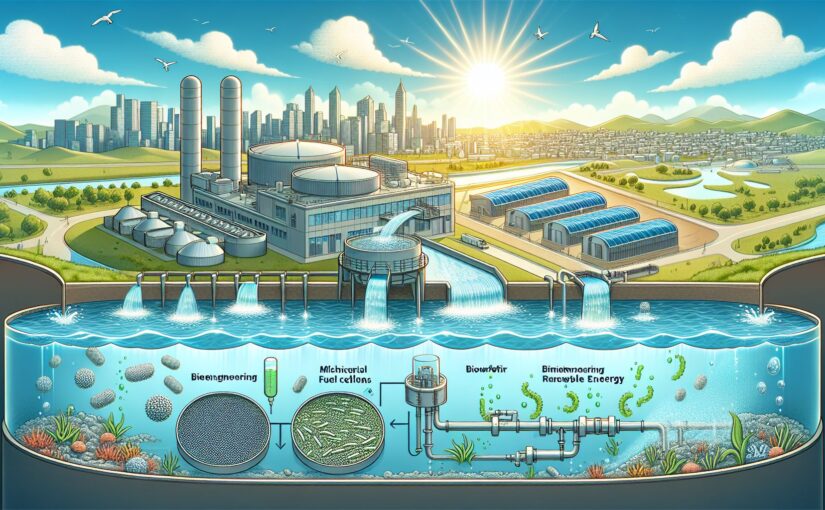
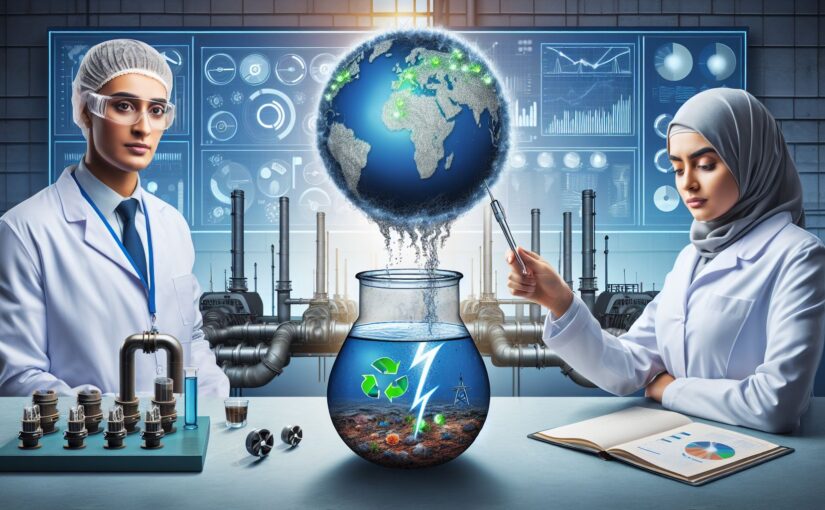
Among the various methods in use to treat wastewater, the application of exoelectrogens, which are bacteria capable of transferring the electrons they produce from metabolism out of the cell and into the environment, has shown considerable promise.

Understanding Exoelectrogens

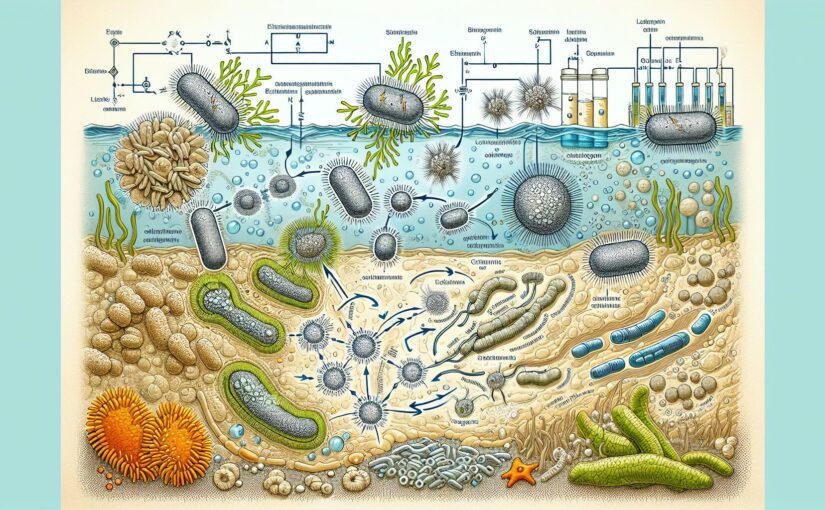
Exoelectrogens, also known as electrogenic bacteria, possess the unique ability of extracting electrons from the oxidization of organic substances and transferring these electrons to an extracellular electron acceptor. This important capability of exoelectrogens assists in the production of electricity in microbial fuel cells (MFCs), forming the basis of a biological wastewater treatment technology.

Role of Exoelectrogens in Wastewater Treatment

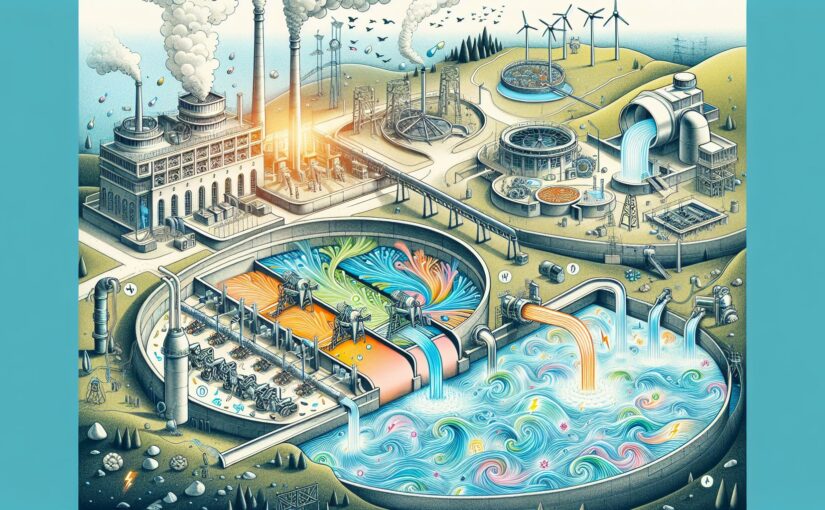
Electrogenic bacteria in wastewater treatment processes can yield two significant results: clean water and electricity. When exoelectrogens break down organic material, they release electrons that, when captured by an electrode, can create a charge. This fascinating capability towards bioelectricity generation makes the employment of exoelectrogens in wastewater treatment a promising avenue for both sustainable water purification and renewable energy generation. This duo of wastewater management and electricity generation is fundamental to the operation of microbial fuel cells (MFCs).

Utility in Microbial Fuel Cells

MFCs offer an environmentally-friendly method of harvesting electricity directly from the organic content in wastewater. The harvested electricity may not currently be substantial enough to power major operations, but it could significantly contribute to offsetting the energy demands of the water treatment processes. Moreover, scaling up this technology could lead to reasonable amounts of electricity generation, supporting the idea of wastewater treatment facilities being energy-neutral or even energy-positive in the future.

Future Implications and Challenges

There are numerous factors that can greatly influence the performance of exoelectrogens in microbial fuel cells, including temperature, pH level, the type and concentration of the substrate, and the use of mediators. Further research is required to identify the optimal conditions for their performance, which could significantly accelerate the energy return from wastewater treatment.

The potential of this technology is enormous. However, technical complexities associated with scaling up, cost-effectiveness, process stability combined with the need for new materials for electrode construction, and design methodologies present considerable challenges.

Despite these hurdles, the value proposition of integrating renewable energy generation with wastewater processing holds significant promise, with exoelectrogens positioned at the pinnacle of this groundbreaking technology.

Sources:
1. Role of Exoelectrogens in Microbial Fuel Cells (Sciencedirect)
2. Electricity Generation From Wastewater (PNAS)
3. Microbial Fuel Cells (Environmental Science & Technology)
Microbial Fuel Cells for Wastewater Treatment

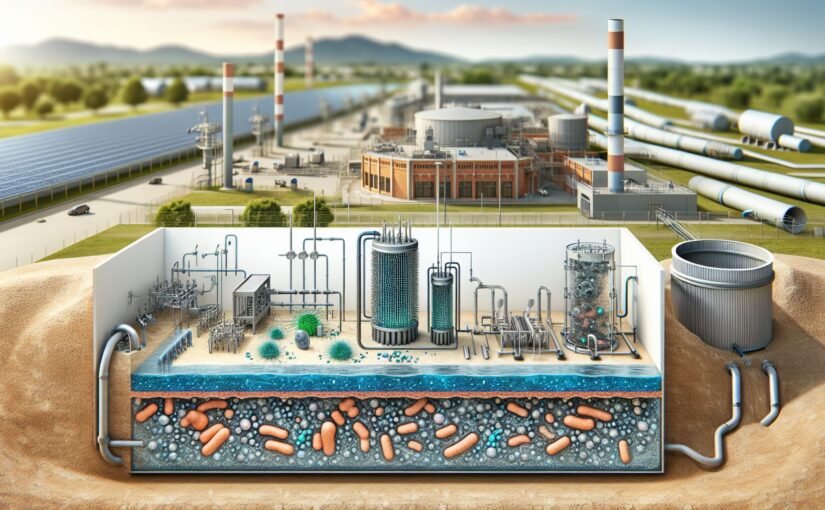
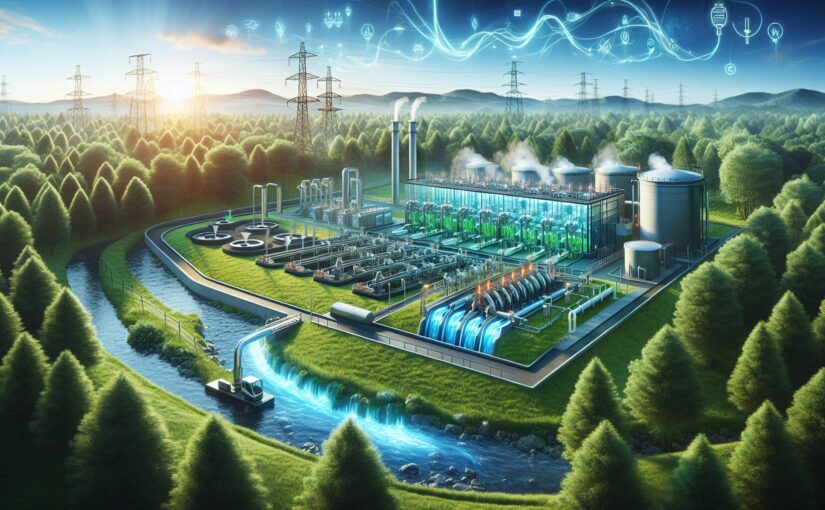
In an age where sustainability is becoming increasingly important, microbial fuel cells (MFCs) are emerging as an innovative and environmentally-friendly approach to wastewater treatment. These bioelectrochemical systems offer a two-pronged solution: treating wastewater to reduce environmental impact, and simultaneously creating sustainable energy in the form of bioelectricity.

MFCs utilize the naturally occurring, electro-active bacteria present in wastewater to convert organic material into electricity. As the bacteria consume organic waste, they produce electrons which pass through an electrode and generate an electrical current. This process of biodegradation and energy production provides both a method of treating wastewater and a potential source of renewable energy.

The advantages of using microbial fuel cells for wastewater treatment are manifold. Firstly, it presents a clean, renewable source of energy that can help reduce reliance on fossil fuels. Secondly, by transforming organic waste into electricity, it reduces the quantity of waste that needs to be disposed of or treated through other, often energy-intensive, methods.

Research in this area is ongoing, and many advancements have been made. For instance, researchers have found that the efficiency of wastewater MFCs can be significantly increased by optimizing factors such as the types and arrangement of electrodes, the species of bacteria used, and the conditions under which the system operates.

There are, however, also challenges that need to be overcome to increase the practicality and scalability of wastewater MFCs. These include issues like the loss of power generation over time, the need for costly catalysts to boost power production, and the biological and chemical complexity of wastewater.

Despite these challenges, microbial fuel cells for wastewater treatment hold significant promise as a mechanism for wastewater treatment. As research continues and the technology is refined and scaled up, it is likely that we will see an increased implementation of these systems in the future.

For further reading on the subject, the following sources are recommended:

  1. Logan B.E. (2010). “Microbial Fuel Cells”. Wiley. link
  2. Santoro, C., Arbizzani, C., Erable, B., & Ieropoulos, I. (2017). Microbial fuel cells: From fundamentals to applications. A review. Journal of Power Sources, 356, 225-244. link
  3. Xafenias, N., Zhang, Y., & Banks, C. J. (2013). Increase in power output from continuous and periodic MFC operation under variable, functionally stratified and low temperature conditions. Bioresource Technology, 143, 632-638. link

Renewable Energy from Wastewater

Wastewater treatment often perceived as a burden for the environment due to its high energy consumption, especially in the developed countries where wastewater treatment facilities are widespread. Despite being rich in organic and inorganic components, wastewater treatment plants usually require a high amount of energy to take off those components from the water. However, recent studies have found that wastewater can not only create clean water but also significant amounts of renewable energy. Here we are addressing a new paradigm in wastewater treatment which revolves around renewable energy production.

Research in the field of renewable energy sources from wastewater has recently gained tremendous attention, as this can offer a solution to two crucial issues faced by the world today – wastewater treatment and energy scarcity. At the core of this concept is a technology called Microbial Fuel Cells (MFCs). MFCs utilize microorganisms to convert chemical energy into electrical energy.

Microorganisms present in wastewater can decompose organic matter, in the process releasing electrons. These electrons can be harvested and used to generate electricity. Wastewater thus provides a constant source of renewable energy, reducing the reliance on fossil fuels and making energy production more sustainable.

Furthermore, this innovative technology allows us to “solve two problems at once,” as Prof. Bruce E. Logan, Kappe Professor of Environmental Engineering at Penn State University, comments. “While we’re treating wastewater, why not also generate electricity?”

Besides energy production, this process also reduces the amount of sludge usually produced in classical wastewater treatment, which can further decrease operational costs and environmental problems related to sludge disposal.

Various studies have demonstrated the viability of renewable energy from wastewater. For example, the Journal of Cleaner Production revealed that this system’s use in a small community of 800 people could generate about 836,000 kWh of electricity per year (1).

The potential of renewable energy from wastewater is immense, and as science and technology continues to advance, we can expect this resource to become increasingly crucial in the mission for cleaner, sustainable future. However, challenges remain, such as improving efficiency, to make MFCs a commercially viable option in wastewater treatment facilities (2).

Renewable energy from wastewater is an innovative and promising technology that not only provides a sustainable way to treat wastewater but also contributes to the broader goal of a more sustainable and energy-efficient society.

In the battle against climate change and energy scarcity, technologies like this, that turn waste into a resource, are incredibly valuable and set the stage for a future where waste is not merely a problem, but part of the solution.

Sources:
1. Journal of Cleaner Production
2. Advances in Microbial Fuel Cell for Wastewater Treatment

Bioelectrochemical Wastewater Systems

Bioelectrochemical systems are revolutionizing the field of wastewater treatment. By exploiting the abilities of electroactive bacteria, these systems clean waste water in an efficient, sustainable and environmentally friendly way while also creating valuable byproducts.

Bioelectrochemical Systems (BES) are devices in which the biological matter is interfaced to the electronic world. Through a process known as extracellular electron transfer, these bacteria can convert chemical energy, specifically organic matter found in wastewater, into electrical energy [^1^].

This process is carried out in devices known as microbial fuel cells (MFCs). Wastewater is routed into the MFC where it is broken down by anaerobic bacteria. In the process of breaking down organic matter, the bacteria release electrons. These electrons are then transferred to an anode and flow through an external circuit to a cathode. This flow of electrons is effectively a flow of electricity [^2^].

In addition to producing electricity, bioelectrochemical wastewater systems can also produce high value chemicals, such as hydrogen and ammonia. Additionally, these systems can be used to capture carbon dioxide and reduce it to useful products like methane.

The bioelectrochemical wastewater systems provide a sustainable alternative to traditional wastewater treatment methods. These traditional methods are typically energy-intensive and produce large amounts of sludge waste.

Implementing these systems can lead to energy savings and waste minimization. For example, MFCs have been shown to reduce the biological oxygen demand of wastewater by over 90% [^3^]. This demonstrates the efficiency of these systems and illustrates their potential to revolutionize wastewater treatment.

However, like all new technologies, obstacles remain. These obstacles include scaling up the technology for commercial use, improving efficiency, and figuring out how to handle the valuable byproducts. But the potential benefits of such system overcome these challenges and the field continues to move forward rapidly.

As we move towards a more sustainable future, bioelectrochemical wastewater systems offer an exciting and promising solution to tackle the twin challenges of wastewater treatment and sustainable energy generation.

[^1^]: B A Logan, (2008) “Microbial Fuel Cells” John Wiley & Sons Inc, Hoboken, NJ
[^2^]: R A Rozendal, et al., (2008). “Towards practical implementation of bioelectrochemical wastewater treatment” Trends in Biotechnology, 26(8), 450–459.
[^3^]: Y Zhang & Z Angelidaki (2012) “Microbial electrolysis cells turning to be versatile technology: Recent advances and future challenges” Water Research, 56, 11-25.

Renewable Energy from Wastewater

As the world seeks alternatives to fossil fuels—due to their dwindling availability and hazardous environmental effects—scientists and engineers are turning to various innovative and eco-friendly solutions. One such promising solution lies beneath our feet, in our wastewater pipes. More specifically, it involves tapping into the renewable energy potential embedded in wastewater treatment processes.

Wastewater is a rich source of potential energy locked in the organic matter it carries. Technological advances have made it possible to harness this energy using variety of methods such as microbial fuel cells, anaerobic digestion, and incineration etc.

What’s the Potential?

The global potential for renewable energy from wastewater is massive. According to a report by the United Nations University Institute for Water, Environment and Health, the energy potential from wastewater could be as much as 44 Terawatts (equivalent to 10% of global energy needs) annually[^1^].

How does it Work?

The technology exploits the metabolism of microorganisms—living in the wastewater—that breakdown organic materials, releasing electrons as they metabolize the organic matter. These electrons can be harnessed by various technologies to produce electricity—known as bioelectricity[^2^].

Microbial Fuel Cells (MFC)

One of the promising technologies to harness renewable energy from wastewater are Microbial Fuel Cells (MFC). An MFC is a device that harnesses the power of respiring microbes to convert organic substrates directly into electrical energy.

In this process, the microbes on the anode surface use the organic matter in wastewater as their food, releasing electrons. These electrons are then transferred to the cathode compartment via an external circuit, producing electric current[^3^].

Benefits

The process not only generates renewable energy, but also aids in the treatment of wastewater by breaking down the organic matter. This helps in reducing the costs associated with conventional wastewater treatment methods. The process also has a lower environmental impact as it reduces the reliance on chemically-intensive water treatment methods.

Although the idea of getting energy from wastewater is not yet commercially viable on a large scale due to technical hurdles, the continuing research and technological advancements make it a promising prospect for future renewable energy source.

Conclusion

As we grapple with the energy crisis and environmental degradation, turning to wastewater— ironically a by-product of human civilization—for a solution seems like an elegant solution. By coupling the process of wastewater treatment with energy generation, we would not only solve two problems at once, but also make a giant leap towards sustainable living.

[^1^]: UNU-INWEH. (2014). Water, Energy and the Water-Energy Nexus. The United Nations University Institute for Water, Environment and Health, Hamilton, Canada.

[^2^]: Aelterman, P., Rabaey, K., Pham, H. T., Boon, N., & Verstraete, W. (2006). Continuous electricity generation at high voltages and currents using stacked microbial fuel cells. Environmental science & technology, 40(10), 3388-3394.

[^3^]: Pant, D., Van Bogaert, G., Diels, L., & Vanbroekhoven, K. (2010). A review of the substrates used in microbial fuel cells (MFCs) for sustainable energy production. Bioresource technology, 101(6), 1533-1543.

Renewable Energy from Wastewater

In the search for sustainable energy sources to combat the environmental and economic fears of depleting fossil fuels, attention has turned towards renewable energy from wastewater. This innovative process not only offers an alternative energy source, but also brings solutions for wastewater treatment. Here’s a little trip into the progressive world of research and application that’s paving new paths in renewable energy generation.

The Concept

Wastewater is majorly composed of organic matter, which when treated in an anaerobic environment, undergoes a biogeochemical process that can generate electron flow. In essence, while getting rid of organic waste, one can simultaneously generate renewable energy.

Exploiting this idea, Wastewater Treatment Plants (WWTPs) have begun to incorporate Microbial Fuel Cells (MFCs), a technology that can convert chemical energy in the waste directly into electricity [^1^].

The Process

MFCs work by using bacteria that oxidize organic matter from wastewater in the anode compartment. As bacteria metabolize the organic matter, they release electrons and protons. The generated electrons are transferred through a circuit to a cathode compartment, generating electricity.

The proton, meanwhile, travels through a membrane to the cathode compartment. At the cathode, it combines with electrons and oxygen to form water, closing the energy loop [^2^].

The Benefits

There are several benefits to utilizing renewable energy from waste water. It significantly reduces the cost and energy consumed during treatment, cutting down on both economic and environmental implications of conventional mechanisms. Besides, it reduces the release of harmful by-products and greenhouse gases that usually accompany traditional waste-to-energy methods.

Adding to this, energy production from wastewater aligns with multiple United Nations Sustainable Development Goals, such as clean water, affordable and clean energy, and responsible consumption.

The Challenges

While the idea of deriving renewable energy from wastewater sounds fascinating, there are challenges to be addressed. Technological and economic limitations currently lower the efficiency of wastewater-to-energy conversion. There is also skepticism about the long-term stability and safety of the process. Researchers are exploring ways to boost MFC efficiency and longevity, making this technology a viable option for large-scale implementation [^3^].

Renewable energy from wastewater is a promising component of the larger sustainability puzzle. Careful research, novel strategies, and effective policy changes can foster the development of this technology, moving us toward a greener and more sustainable future.

[^1^]: Logan, B. E., & Rabaey, K. (2012). Conversion of wastes into bioelectricity and chemicals by using microbial electrochemical technologies. Science, 337(6095), 686-690. Link

[^2^]: He, Z., Wagner, N., Minteer, S. D., & Angenent, L. T. (2006). An upflow microbial fuel cell with an interior cathode: assessment of the internal resistance by impedance spectroscopy. Environmental science & technology, 40(17), 5212-5217. Link

[^3^]: Parot, S., Délia, M. L., & Bergel, A. (2008). Forming microbial anodes from human wastewater. Bioelectrochemistry, 74(1), 51-55. Link

Renewable Energy from Wastewater

As we continue to seek innovative solutions to create renewable energy, it’s worth noting that innovation often occurs in the most unexpected places. One such place you might not immediately associate with energy production is your wastewater. Yes, you heard it right! Wastewater treatment plants are proving to hold a valuable resource in creating renewable energy.

Wastewater treatment, a potential source of renewable energy?

Typically, wastewater treatment has been seen as a sanitary necessity with environmental benefits. Still, it’s actually a significant potential source of renewable energy. Waste, which by its very nature is high in potentially combustible organic compounds, can be harnessed and transformed into green energy – a process that’s both environmentally responsible and economically beneficial.

How is this done?

Microbial Fuel Cells (MFCs) are utilised to convert organic material in wastewater into electricity through a process of bacterial metabolic activity. This method presents a fantastic way of recuperating energy from wastewater in a green and sustainable manner[]. Though many technicalities need to be dealt with to make this technology commercially viable, continuous advancements show great promise.

Importance of renewable energy from wastewater

There are several critical reasons why producing renewable energy from wastewater is a good idea:

  • As we move further into the 21st century, the world’s appetite for energy continues to grow, and with it, the demand for sustainable, environmentally friendly ways of meeting this demand.

  • Effectively using wastewater as a renewable energy resource reduces our dependency on fossil fuels, thereby decreasing greenhouse gas emissions and our carbon footprint.

  • By generating renewable energy from waste, we can improve the efficiency of wastewater treatment facilities. This not only helps in recovering operation costs but also provides an incentive for more companies and municipalities to invest in these technologies to obtain their green Energy.

  • It is beneficial from a waste management perspective and can assist in solving the long-term issue of waste disposal.

Final Note

While this technology may not be the magic bullet that solves all of our energy and climate issues, it does provide an intriguing piece of the puzzle. Renewable energy from wastewater offers a viable addition to a diversified and distributed renewable energy portfolio that can help us meet our energy needs while shrinking our environmental impact.

Sources:

  1. Logan, B & Regan, J. (2006). Microbial Fuel Cells – Challenges and Applications. Environmental Science and Technology, 40 (17), 5172-5180.
  2. He, Z., Wagner, N., Minteer, S. D., & Angenent, L. T. (2006, May). An upflow microbial fuel cell with an interior cathode: Assessment of the internal resistance by impedance spectroscopy. Environmental Science and Technology. doi:10.1021/es0519781.
  3. Pant, D., Van Bogaert, G., Diels, L., & Vanbroekhoven, K. (2010, January 30). A review of the substrates used in microbial fuel cells (MFCs) for sustainable energy production. Bioresource Technology. doi:10.1016/j.biortech.2009.10.017.

Renewable Energy from Wastewater

From scientists and engineers to environmentalists and economists, finding unique sources of clean, renewable energy is of interest to everyone. A lesser-known but promising source of such energy is the very substance we discard every day – Wastewater.

Producing energy from wastewater is not a new concept, but it becomes increasingly relevant as we explore more sustainable energy resources. Not only does it enable renewable energy generation, but this process also assists in resolving wastewater treatment issues [^1^].

How does it work?

Wastewater treatment facilities use a process called anaerobic digestion, which breaks down organic material in the absence of oxygen. This process generates a byproduct known as biogas, which is a mixture of methane, CO2, and minor amounts of other gases.

Biogas can be used to generate electricity and heat. Additionally, after upgrading, it can be injected into natural gas pipelines or used as vehicle fuel. More advanced wastewater treatment plants are evolving into “water resource recovery facilities” (WRRFs) and are beginning to produce, use, and sell energy and other valuable byproducts [^2^].

Benefits and Potential

Renewable energy from wastewater provides significant environmental and economic benefits. In addition to producing clean energy, this approach also reduces methane emissions from wastewater, a potent greenhouse gas contributing to climate change.

More importantly, the wastewater sector can move closer to energy neutrality or even become a net energy provider. For instance, the East Bay Municipal Utility District in Oakland, California, produces more energy than it consumes, making it energy positive and reducing operating costs [^2^]. These savings can be passed onto citizens, leading to more affordable water and sewage services.

Furthermore, the potential is huge. According to a report by the National Association of Clean Water Agencies and the Water Environment Federation, the U.S technically could produce up to 851 billion kilowatt-hours annually, equivalent to 12% of the U.S’s renewable energy production in 2020 [^3^].

The Road Ahead

Although generating renewable energy from wastewater offers impressive benefits and tremendous potential, there are still challenges to be overcome. Technical issues, financial constraints, and policy hurdles might slow down its development. However, continuous research and technological improvement in the wastewater sector are striving hard to make this dream a reality.

In conclusion, creating renewable energy from wastewater is a promising and environmentally conscious path that could reshape our approach to energy production and wastewater treatment. As we continue to seek out novel sources of renewable energy, looking to our wastewater treatment plants can shed light on some unexpected and impactful opportunities.

[^1^]: Theodor M Fr Smeets, “Renewable Energy from Wastewater”, Water Management Research, 2020 link

[^2^]: Sam Perkins, “Energy from Wastewater: New Possibilities for Sustainable Development”, Water Technology Innovation, 2019 link

[^3^]: National Association of Clean Water Agencies and Water Environment Federation, “Energy and Resource Recovery from Wastewater”, WRRFs Report, 2021 link

Renewable Energy from Wastewater: An Emerging Solution for Our Energy Crisis

Our environment is undergoing immense changes, and one of the major contributors to this is the abundant consumption of fossil fuels. Increases in the levels of greenhouse gases, global warming, and alarming depletion of non-renewable energy sources necessitate the search for sustainable and eco-friendly alternatives. One such promising solution is harnessing renewable energy from wastewater. How exactly does this function, and what does it mean for our energy future? Let’s delve deeper.

Waste Not, Want Not

This old adage asserts that if we use a commodity or resource carefully, we will never be in need. And what’s more plentiful than wastewater? We produce it every day, thereby creating opportunities to use this waste product in ways that are beneficial to us. One ingenious method is harnessing energy from it.

According to a study by the National Renewable Energy Laboratory, the U.S. could generate up to 12 billion kilowatt-hours of energy annually just by converting wastewater into power, reducing carbon emissions by up to 1.2 million metric tons of CO2 equivalent per year [^1^].

Here’s How it Works

Microbial fuel cells (MFCs) are the key players in this conversion process. MFCs work like batteries and involve bacteria breaking down organic matter, except these bacteria can pass electrons to an electrode. The flow of electrons from the electrode through a wire and then back to the system creates an electrical current that we can harness.

The MFC consists of an anode where the bacteria interact with the wastewater, and a cathode where oxygen reacts with the emerged electrons and protons transported across a semipermeable membrane to form water. Essentially, wastewater is converted into electricity, treated water, and heat.

The Benefits Outweigh the Costs

Apart from generating renewable energy, this technique could significantly reduce the cost of wastewater treatment, which typically consumes a substantial amount of energy. Simultaneously, it addresses the water crisis by producing high-quality reusable water [^2^].

The potential advantages extend to rural, undeveloped areas without access to a centralized wastewater treatment system. Small, localized MFCs could offer an affordable, energy-producing wastewater treatment option for these communities.

The Challenges and the Future

Among the challenges is scaling up the technology for mass production and improving the efficiency and power density of MFCs.

Recent research efforts have focused on understanding the biological and electrochemical processes, enhancing the efficiency of electron transfer, perfecting reactor design, optimizing the use of catalysts and membranes, and integrating the technology into existing infrastructures [^3^].

The future of renewable energy from wastewater looks promising. As research continues to progress, this could become a common and valuable addition to the energy mix in both developed and developing nations.

[^1^]: National Renewable Energy Laboratory. (2013). Waste Not, Want Not: Analyzing the Economic and Enviro. Impact of capturing value from U.S. Municipal Wastewater flows. https://www.nrel.gov/docs/fy14osti/60147.pdf

[^2^]: Logan, B. E., & Rabaey, K. (2012). Conversion of wastes into bioelectricity & chemicals by using microbial electrochemical technologies. Science, 337(6095), 686-690. https://science.sciencemag.org/content/337/6095/686.abstract

[^3^]: Rozendal, R. A., Hamelers, H. V., Euverink, G. J., Metz, S. J., & Buisman, C. J. (2006). Principle and perspectives of hydrogen production through biocatalyzed electrolysis. International Journal of Hydrogen Energy, 31(12), 1632-1640.https://www.sciencedirect.com/science/article/pii/S0360319906000468

Renewable Energy from Wastewater

In the age of climate change and scarce freshwater resources, the treatment of wastewater has taken on an increasingly important role. Not only is it a means for cleaning and recycling water, but it can also serve as an unexpected source of renewable energy. In fact, the potential for energy generated from wastewater is enormous and underutilized. This exciting topic will be the focus of our discussion today.

The Unseen Energy

So how exactly can wastewater generate energy? It all comes down to microbial reactions and the breakdown of organic matter present in the wastewater. According to a study by researchers at Ghent University, bacteria within wastewater can anaerobically digest this organic matter and produce biogas, a mixture of methane and carbon dioxide[^1^].

Role of Microbial Fuel Cells

A central player in this process is something known as a microbial fuel cell (MFC). These MFCs work by allowing bacteria to oxidize organic matter and transfer the resulting electrons to a terminal electron acceptor at the bioanode. The electrons then travel to the biocathode, where they combine with protons and oxygen to form water. This flow of electrons, in turn, creates an electrical current[^2^].

As discussed in a study by an esteemed scientist, Bruce Logan, at Pennsylvania State University, this energy can then be harvested for use. On a small scale this might include powering sensors or small electronic devices. However, on a larger industrial scale it has the potential to contribute to a grid[^3^].

Future of Wastewater Treatment

Beyond providing a source of renewable energy, this process also has the added benefit of potentially streamlining wastewater treatment. In traditional methods, energy is required to aerate the wastewater, but in this process, it’s the other way around. Not only could this save on energy costs, it could also help to reduce the carbon footprint of an industry notorious for its high energy use.

Clearly, there is significant scope for improvement in our current wastewater treatment processes, and the concept of generating energy from wastewater provides numerous exciting opportunities. This is one technology that certainly has the potential to make a big splash!

References

[^1^]: Clauwaert, P. et al. (2007). Minimizing losses in bio-electrochemical systems: the road to applications. Applied Microbiology and Biotechnology, 77(3), 903–913. Link

[^2^]: Rabaey, K. et al. (2010). Microbial fuel cells for bioenergy generation: from fundamentals to application. Journal of Chemical Technology & Biotechnology, 85(5), 533–544. Link

[^3^]: Logan, B. E., & Regan, J. M. (2006). Electricity-producing bacterial communities in microbial fuel cells. Trends in microbiology, 14(12), 512-518. Link