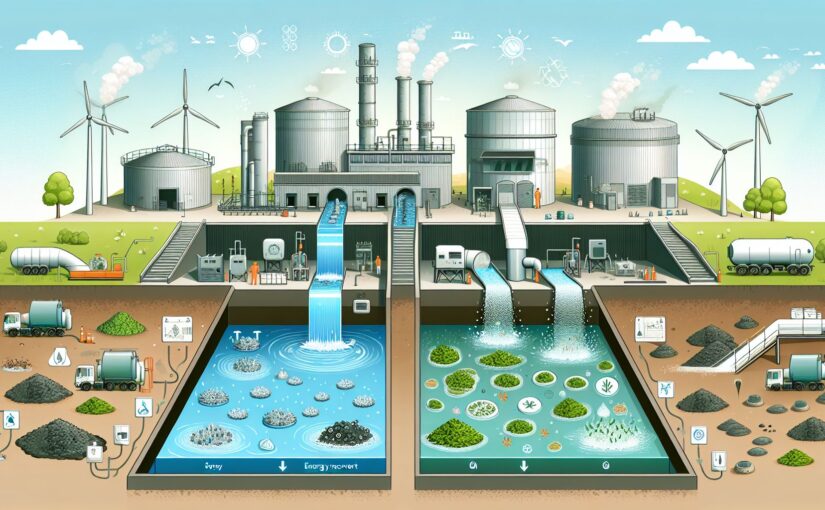
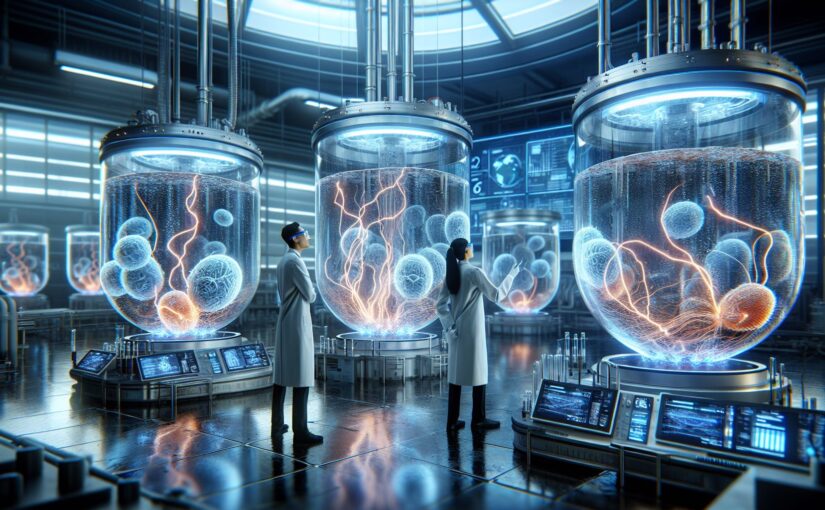
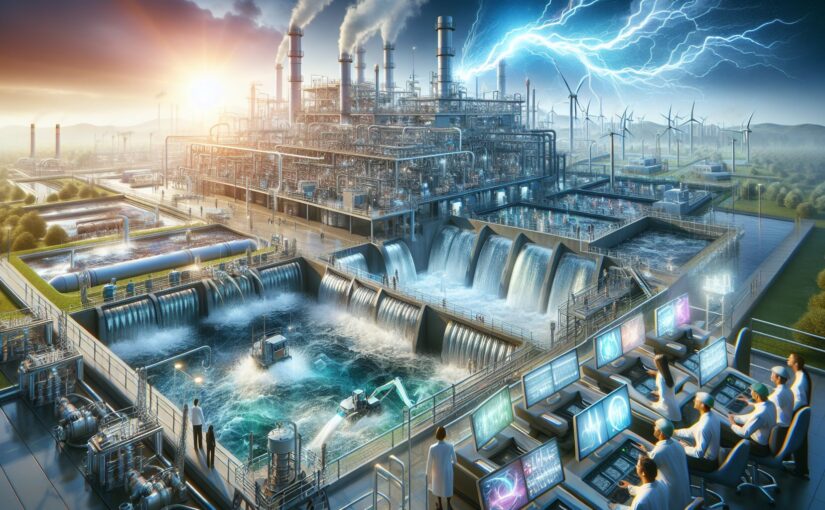
Wastewater treatment is not a topic that one would typically associate with cutting-edge technology or groundbreaking scientific discoveries. However, the discovery of electroactive bacteria has brought a wave of innovation to the field of wastewater management, showcasing how nature’s tiniest organisms can play a monumental role in sustainable technologies. In this article, we dive deep into the world of electroactive wastewater bacteria, where microbes act as nature’s electricians, driving a process that could revolutionize how we treat wastewater and recover valuable resources.
Introduction to Electroactive Wastewater Bacteria
In the past decades, researchers have been intrigued by a group of bacteria known as electroactive bacteria. Electroactive bacteria are specialized microorganisms capable of transferring electrons to external surfaces, such as electrodes, outside their cell structure. This process is a part of their metabolic activity, allowing them to play a critical role in the biochemical conversion of organic waste into electricity within a microbial fuel cell (MFC).
What are Microbial Fuel Cells (MFCs)?
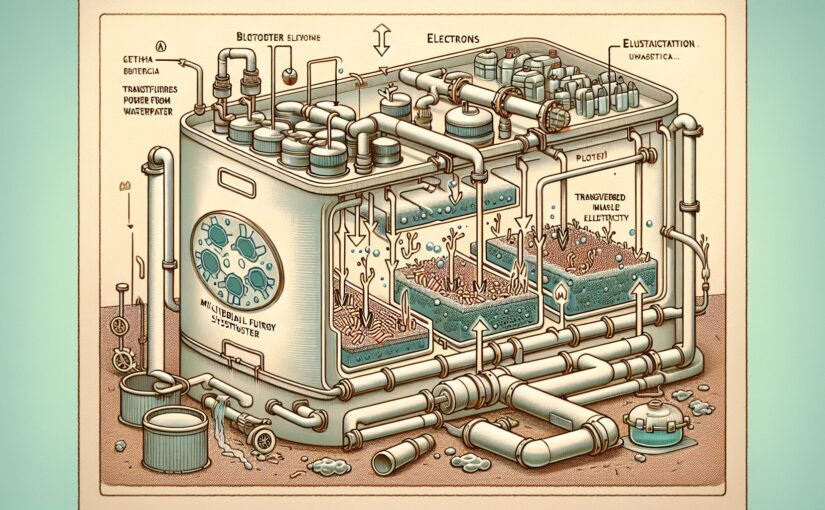
An MFC is an electrochemical system that harnesses the power of these bacteria to degrade organic material in wastewater, producing bioelectricity as a byproduct. It comprises an anode and a cathode, separated by an ion-conducting membrane. Electroactive bacteria colonize the anode, breaking down organic matter and transferring electrons to the anode’s surface. These electrons travel through an external circuit to the cathode, producing a flow of electricity.
The Significance of Electroactive Bacteria
The utility of electroactive bacteria in MFCs lies in their ability to directly transfer electrons from the organic compounds they digest to an electrode. This process, known as extracellular electron transfer (EET), allows for the efficient conversion of waste into clean energy without the need for any chemical mediators, which can be harmful to the environment (Logan et al., 2006; Rabaey and Verstraete, 2005).
Exploring the Mechanisms of Electron Transfer
Electroactive bacteria employ several strategies for extracellular electron transfer, which include:
- Direct contact transfer: Some bacteria produce conductive appendages called pili that extend outward to the electrode surface, facilitating direct electron transfer.
- Electron shuttling: Other bacteria release soluble redox molecules that act as shuttles, picking up electrons from the bacteria and delivering them to the electrode.
- Mediated electron transfer: Certain microorganisms utilize non-soluble redox-active compounds on the surface of their cells or precipitated in their vicinity to transfer electrons without direct contact.
Understanding these mechanisms is essential for improving MFC technology and enhancing the efficiency of wastewater treatment processes.
Benefits of Using Electroactive Bacteria in Wastewater Treatment
- Energy Recovery: Harnessing electroactive bacteria in wastewater treatment allows for the production of bioelectricity, effectively turning waste treatment plants from energy consumers into energy generators.
- Reduced Carbon Footprint: By producing renewable energy, MFCs can reduce the reliance on fossil fuels and decrease greenhouse gas emissions associated with traditional wastewater treatment.
- Pollutant Degradation: These microorganisms not only produce energy but also degrade hazardous pollutants during the process, contributing to water purification.
- Low Operational Costs: MFCs have the potential to operate at lower costs compared to conventional wastewater treatment processes, partly because they may not require aeration, which is energy-intensive.
- Resource Recovery: Apart from generating electricity, the process can also facilitate the recovery of valuable byproducts such as hydrogen and metals.
Challenges in Harnessing Electroactive Bacteria
Despite the promising benefits, there are still hurdles to overcome:
- Low Power Output: Current MFC technology produces power at a relatively low density, which limits its immediate commercial application.
- Scaling Up: Transitioning from laboratory-scale to industrial-scale MFCs poses many engineering and economic challenges.
- Electrode Materials: The search for cost-effective, durable, and efficient electrode materials is ongoing.
- Microbial Community Management: Maintaining a healthy and efficient community of electroactive bacteria within the MFC is crucial for its success.
Advances in MFC Research and Applications
Efforts to improve the performance and viability of MFCs have led to exciting advances:
- Genetic Engineering: Researchers are exploring genetic modifications to electroactive bacteria that could enhance electron transfer and energy production.
- Advanced Materials: The development of novel electrode materials that are more conductive and biocompatible is under way.
- Process Optimization: Refining operational conditions, such as pH and temperature, can boost the performance of MFCs.
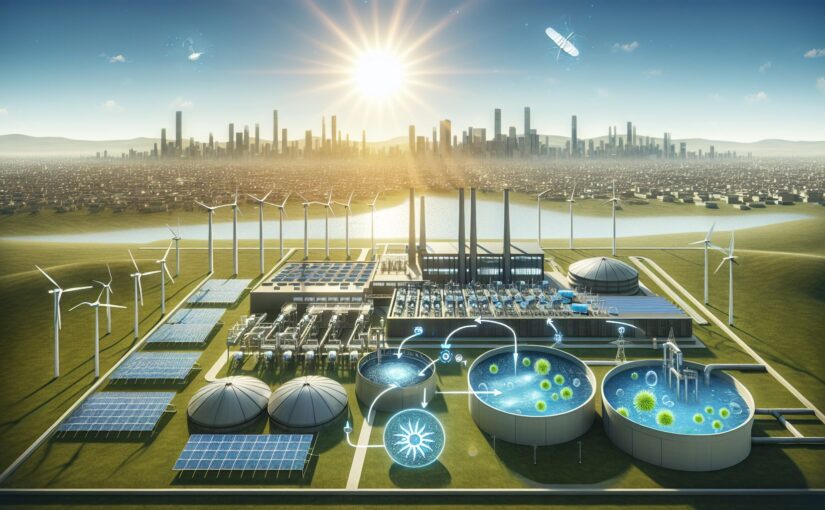
- Hybrid Systems: Combining MFCs with other renewable technologies, such as solar power, might complement the strengths of both systems.
The Future of Electroactive Bacteria in Wastewater Treatment
As research progresses, the application of electroactive bacteria in wastewater treatment holds great promise for the future of environmental sustainability. There is potential not only for cleaner water but also for creating a circular economy where waste is converted into valuable resources.
The fusion of biotechnology and wastewater treatment represents a step towards a greener future, where the energy demands of society could be partially met by the very process of keeping our waters clean. Investigating and optimizing the abilities of these bacterial powerhouses could lead to remarkable transformations in how we approach many aspects of environmental management, energy production, and even space exploration, where such technology offers a means of waste treatment and energy generation in one.
Conclusion
Electroactive bacteria have opened up a new realm of possibilities in wastewater treatment, providing a sustainable solution that aligns with the urgent need for environmental stewardship and resource recovery. These microscopic electricians offer a glimpse into a cleaner, more energy-efficient future, presenting opportunities that researchers and engineers continue to explore and refine.
As this exciting field develops, it is becoming increasingly clear that the smallest of organisms can have a vast impact on our largest environmental challenges, turning wastewater treatment from a costly necessity into a source of renewable energy and an example of the harmonious integration of technology with the natural world.
Sources
- Logan, B. E., Hamelers, B., Rozendal, R., Schröder, U., Keller, J., Freguia, S., … & Rabaey, K. (2006). Microbial fuel cells: methodology and technology. Environmental science & technology, 40(17), 5181-5192. DOI: 10.1021/es0605016
- Rabaey, K., & Verstraete, W. (2005). Microbial fuel cells: novel biotechnology for energy generation. Trends in biotechnology, 23(6), 291-298. DOI: 10.1016/j.tibtech.2005.04.008
- Du, Z., Li, H., & Gu, T. (2007). A state of the art review on microbial fuel cells: A promising technology for wastewater treatment and bioenergy. Biotechnology advances, 25(5), 464-482. DOI: 10.1016/j.biotechadv.2007.05.004